

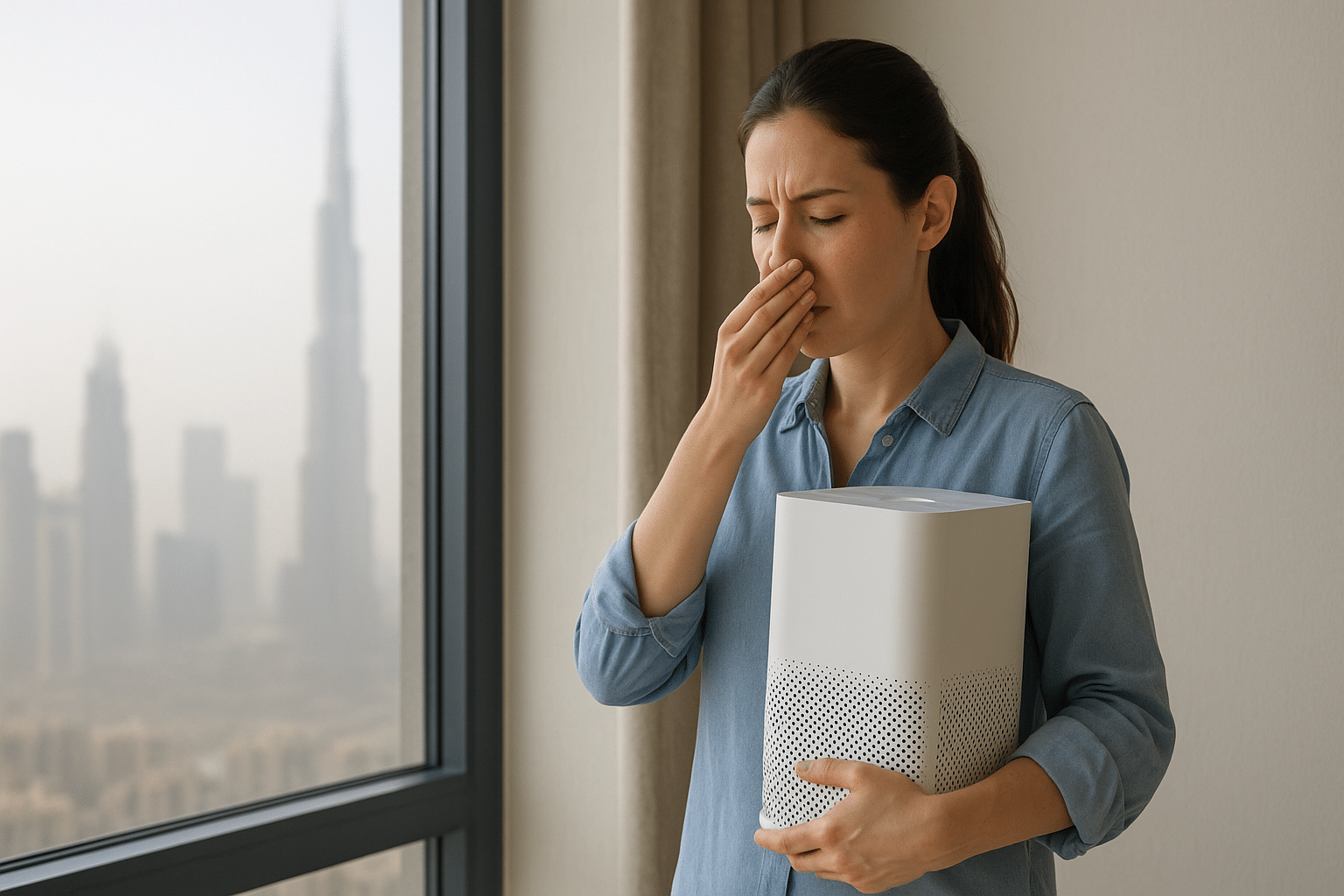
10 Effective Tips for Indoor Air Pollution Control Dubai: AC Maintenance Best Practices
Table of Contents
Contents
- 1 Table of Contents
- 2 Importance of Indoor Air Quality
- 3 Common Sources of Indoor Air Pollution in Dubai
- 4 Why AC Maintenance Is Vital for Indoor Air Pollution Control Dubai
- 5 Proven AC Maintenance Best Practices to Reduce Indoor Air Pollution
- 6 Choosing Professional Indoor Air Pollution Control Services in Dubai
- 7 Regulations and Standards for Indoor Air Quality in Dubai
- 8 Technology and Innovations in AC Maintenance
- 9 How to Monitor and Improve Your Indoor Air Quality Continuously
- 10 Useful Tips for Sustained Indoor Air Pollution Control in Dubai
- 11 Conclusion & Call to Action
- 12 Effective Strategies for Indoor Air Pollution Control in Dubai
Importance of Indoor Air Quality
Indoor air pollution control Dubai is critical to maintaining a healthy and comfortable environment in homes and workplaces. Considering Dubai’s unique climate and rapid urban development, controlling indoor contaminants has become essential for residents and businesses alike. Poor indoor air quality can trigger allergies, respiratory issues, and reduce overall wellbeing, making air pollution control not just a preference but a necessity.
Caring for indoor air means addressing pollutants that come from various sources and managing ventilation effectively. Since most people spend around 90% of their time indoors, the quality of air inside can significantly impact health outcomes and productivity. This is why indoor air pollution control Dubai focuses on proper air conditioning (AC) maintenance and other practices to keep the environment safe and fresh year-round.
Common Sources of Indoor Air Pollution in Dubai
Indoor air pollution in Dubai stems from a mix of natural, mechanical, and human-related activities. These sources often release particulate matter, volatile organic compounds (VOCs), allergens, and biological contaminants that degrade air quality indoors.
- Dust and Sand: Given Dubai’s desert surroundings, dust accumulation inside homes and offices is common and worsens air quality.
- Poorly Maintained HVAC Systems: Air conditioning units that are not regularly cleaned can harbor mold, bacteria, and dust mites.
- Building Materials and Furnishings: Some paints, adhesives, and furniture emit VOCs that linger indoors.
- Cooking and Household Activities: Combustion from cooking appliances and smoking can introduce pollutants.
- Indoor Plants and Pets: While beneficial in some ways, they can also contribute allergens.
- Human Occupancy: Carbon dioxide levels rise in crowded or poorly ventilated spaces.
Identifying and controlling these sources is essential to effective indoor air pollution control Dubai. Among intervention strategies, AC maintenance holds a place of prominence because air conditioners circulate the indoor air daily, making their cleanliness and functionality key to overall air quality.
Why AC Maintenance Is Vital for Indoor Air Pollution Control Dubai
The AC system in Dubai’s hot climate is not just a comfort appliance but a crucial air filtration and circulation mechanism. Proper indoor air pollution control Dubai depends heavily on the optimal operation of these systems. If neglected, AC units can become breeding grounds for mold, bacteria, and dust, which then spread contaminants indoors.
Dubai’s intense heat and dust storms put extra demand on AC units, increasing the risk of pollutants accumulating without regular maintenance. Key reasons why AC upkeep is vital include:
- Preventing Mold and Bacterial Growth: AC filters and ducts that remain dirty provide moisture and food sources for harmful microorganisms.
- Enhancing Air Filtration: Clean filters trap dust and allergens effectively, improving indoor air purity.
- Ensuring Efficient Ventilation: Well-maintained units circulate air better, reducing stale air pockets.
- Lowering Energy Consumption: Maintenance keeps the system running smoothly, reducing breakdowns and power waste.
Therefore, routine inspection and servicing form the backbone of any indoor air pollution control Dubai strategy.
Proven AC Maintenance Best Practices to Reduce Indoor Air Pollution
Adhering to reliable AC maintenance practices can greatly improve indoor air pollution control Dubai. The following practices are recommended to ensure air conditioning systems contribute to healthier indoor environments:
Regular Filter Cleaning and Replacement
Filters trap airborne particles and must be inspected and cleaned or replaced regularly, depending on system type and usage. In Dubai’s dusty conditions, monthly checks are advisable in high-use settings.
Professional Duct Cleaning
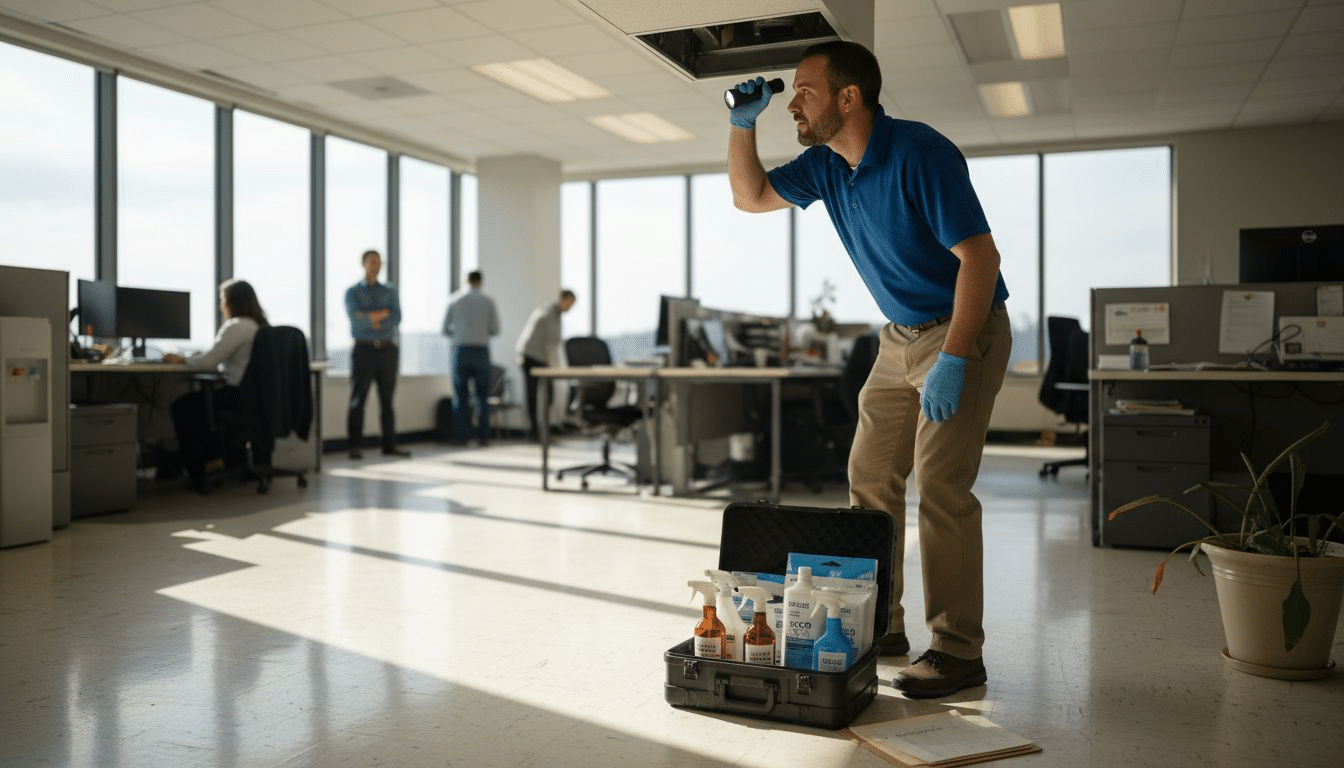
Air ducts accumulate contaminants over time. Engaging certified professionals to clean ducts removes mold, dust, and allergens, which prevents recirculation.
Moisture Control and Drainage Inspection
Ensuring that condensation drains and drip pans are clear and functioning prevents water build-up, which could lead to mold growth inside the AC system.
Regular System Inspections
Scheduled inspections identify mechanical faults or inefficiencies that might degrade air quality or disrupt ventilation.
Upgrading Air Filters
Where possible, installing HEPA or activated carbon filters can capture finer particles and odors, providing superior indoor air pollution control Dubai.
Sealing Air Leaks and Ensuring Proper Insulation
This prevents unfiltered outdoor air from infiltrating indoors and maintains the effectiveness of the AC system.
These best practices are proven ways to control pollution and prolong the life of units. For expert service and support, residents can rely on professional companies focusing on AC and indoor air quality maintenance.
Choosing Professional Indoor Air Pollution Control Services in Dubai
Selecting a trusted service provider is key to achieving effective indoor air pollution control Dubai. Professional companies bring specialized equipment and trained personnel to offer comprehensive AC maintenance and cleaning services.
Saniservice, operating exclusively in Dubai, is a leading example, ensuring that service locations meet the unique climatic and regulatory conditions of the city. Their tailored approach includes:
- Detailed air quality assessments.
- Scheduled maintenance plans aligned with Dubai Municipality guidelines.
- Use of eco-friendly cleaning solutions appropriate for local environments.
- Prompt response for emergency servicing.
Engaging local expertise ensures compliance with Dubai’s health and safety standards and optimized indoor air outcomes.
For training and professional standards in HVAC cleaning, organizations such as the National Air Duct Cleaners Association (NADCA) offer internationally recognized best practices adaptable to Dubai’s market.
Regulations and Standards for Indoor Air Quality in Dubai
Dubai Municipality and the Dubai Health Authority have established regulations to safeguard indoor environments, focusing on pollution levels, ventilation efficiency, and hygiene standards in HVAC systems. Adhering to these rules is crucial for effective indoor air pollution control Dubai, ensuring compliance and protecting occupants.
These regulations emphasize:
- Periodic inspections and maintenance of air conditioning systems.
- Use of approved filters and cleaning agents.
- Documentation and proof of maintenance activities.
- Air quality monitoring in specific sectors such as healthcare, hospitality, and education.
Building owners in Downtown Dubai, Business Bay, Dubai Marina, and other key areas in Dubai must stay informed about these requirements to avoid penalties and ensure a healthy indoor atmosphere.
Technology and Innovations in AC Maintenance
Advancements in technology have enhanced indoor air pollution control Dubai practices, especially in air conditioning maintenance. Smart sensors now monitor air quality parameters like particulate matter, humidity, temperature, and filter status in real time.
Innovative cleaning technologies, such as ultraviolet (UV) sterilization and electrostatic purifiers integrated into AC units, offer additional layers of protection by destroying microbes and reducing allergens.
Dubai-based facilities and homeowners increasingly adopt these technologies to ensure healthier and energy-efficient environments.
How to Monitor and Improve Your Indoor Air Quality Continuously
Continuous monitoring helps detect changes and allows timely corrective actions for indoor air pollution control Dubai. Some practical steps include:
- Installing air quality monitors to track VOCs, CO2, and particulate levels.
- Scheduling regular AC system servicing with trusted professionals like those at Saniservice.
- Using natural ventilation during cooler periods to reduce pollutant concentration.
- Limiting activities that contribute significantly to indoor pollution, such as indoor smoking or extensive use of chemical cleaners.
Routine cleaning of dust collectors and filters by building occupants complements professional services and boosts overall effectiveness.
Useful Tips for Sustained Indoor Air Pollution Control in Dubai
Maintaining clean indoor air in Dubai requires a combination of service, habits, and awareness. Here are some actionable tips for effective indoor air pollution control Dubai:
| Tip | Benefit |
|---|---|
| Regularly clean or replace AC filters | Reduces dust and allergen build-up |
| Keep windows and doors sealed during dust storms | Prevents outdoor dust from entering |
| Use indoor plants that improve air quality | Natural air purification and humidity control |
| Avoid heavy chemical cleaners indoors | Minimizes VOC emissions |
| Schedule professional duct cleaning annually | Removes hidden contaminants |
| Run AC units on appropriate settings | Optimizes ventilation and energy use |
| Educate occupants on indoor air health | Promotes collective responsibility |
Conclusion & Call to Action
Indoor air pollution control Dubai is an urgent priority that protects the health and wellbeing of residents, workers, and visitors. The first and most impactful step is consistent, professional AC maintenance coupled with mindful habits to minimize pollutants.
Residents and businesses in Dubai should adopt the best practices outlined here and partner with expert local providers like Saniservice to secure fresh, clean air indoors all year long.
Start today by inspecting your AC system, scheduling professional cleaning, and developing an indoor air quality maintenance routine that suits your space and lifestyle. For more insights on AC cleanliness standards, visit NADCA.
Effective Strategies for Indoor Air Pollution Control in Dubai
Maintaining high-quality indoor air is vital, especially in a bustling urban environment like Dubai, where residents spend a significant amount of time indoors due to the extreme outdoor temperatures. Indoor air pollution control in Dubai requires a combination of modern technology, adherence to local regulations, and practical lifestyle adjustments to ensure healthier living and working spaces.
Understanding Common Indoor Pollutants in Dubai
Indoor air pollution can arise from multiple sources within Dubai’s residential, commercial, and industrial buildings. Some of the most prevalent indoor pollutants include:
- Volatile Organic Compounds (VOCs): Emitted from materials such as paints, varnishes, and furniture, VOCs affect indoor air quality and can cause headaches and respiratory irritation.
- Particulate Matter (PM): Dust and fine particles accumulating in homes, particularly in areas like Business Bay and Dubai Marina, can aggravate asthma and other lung conditions.
- Biological Contaminants: Mold, bacteria, dust mites, and pet dander are common contributors to indoor air pollution, especially in high-humidity microclimates found in locations such as Nad Al Sheba.
- Combustion Pollutants: Gas stoves, heating systems, and smoking indoors produce carbon monoxide and nitrogen dioxide, posing serious health risks.
Since Dubai’s hot climate discourages frequent natural ventilation, indoor pollutants tend to concentrate. Therefore, residents and building managers must actively employ air purification and ventilation tactics tailored to the local environment.
Regulatory Framework and Standards Supporting Air Quality in Dubai
Dubai Municipality enforces strict guidelines to manage and control indoor air pollution as part of its broader environmental and public health strategies. The Dubai Municipality’s Building Code incorporates environmental controls echoing international best practices, but tailored to Dubai’s unique climate and urban situation. Compliance with these regulations ensures that all new residential and commercial constructions meet baseline air quality standards.
Additionally, Dubai Health Authority (DHA) and Dubai Electricity and Water Authority (DEWA) contribute to indoor environmental quality by promoting:
- Regular air quality assessments in healthcare facilities and public buildings.
- Energy-efficient HVAC systems compliant with the UAE Green Building Regulations, which aid in filtering and reducing indoor contaminants while managing energy consumption.
These authorities periodically update standards to include improved filtration systems (such as HEPA filters) and mandate indoor air quality monitoring in high-occupancy establishments throughout Downtown Dubai, Arabian Ranches, and other key districts.
Practical Indoor Air Pollution Control Techniques
Apart from regulation and technology, effective indoor air pollution control in Dubai also depends on practical habits and measures. Residents and property managers can improve indoor air quality by:
- Using Advanced HVAC Systems: Installing HVAC units equipped with high-efficiency particulate air (HEPA) filters and activated carbon filters helps remove microscopic particles and gaseous pollutants.
- Regular Maintenance: Cleaning air ducts, changing filters timely, and servicing ventilation equipment prevents the buildup and circulation of contaminants.
- Incorporating Indoor Plants: Certain plants such as snake plants and peace lilies naturally absorb toxins and enhance humidity regulation, which is beneficial for homes and offices in Medos and Dubai Silicon Oasis.
- Minimizing Indoor Pollutant Sources: Choosing low-VOC paints and furnishings, avoiding smoking indoors, and ensuring proper ventilation when using appliances producing combustion gases are essential steps.
- Mechanical Ventilation Enhancements: Since natural ventilation is limited by Dubai’s climate, implementing energy recovery ventilators (ERVs) can bring in fresh air while reducing energy loss, an approach aligned with Dubai Municipality’s sustainability goals.
Monitoring and Continuous Improvement
Innovative digital solutions are gaining traction in Dubai for indoor air pollution control. Smart air quality monitors capable of real-time tracking of temperature, humidity, and particulate levels are now widely used in homes and businesses across districts like Business Bay and Dubai Marina. Feedback from these devices allows occupants to take immediate corrective actions, such as adjusting air purifier settings or ventilating rooms strategically.
Furthermore, environmental consultants and indoor air quality specialists in Dubai offer audits and customized solutions to improve air quality effectively. Services include comprehensive assessments, source identification, and tailored interventions consistent with Dubai Municipality’s environmental mandates.
Conclusion
Indoor air pollution control in Dubai is a multidimensional challenge shaped by the city’s climate, urban density, and regulatory requirements. By combining adherence to Dubai’s environment-focused regulations, deploying advanced ventilation and filtration technologies, and adopting practical habits, residents and businesses in Dubai can significantly enhance indoor air quality. This leads not only to healthier environments but also supports Dubai’s vision of sustainable urban living across localities such as Downtown Dubai, Arabian Ranches, and Dubai Marina.
Related articles



Leave a Reply