


Choosing Safe Chemicals for Indoor Air Quality Enhancement
Introduction to Choosing Safe Chemicals for Indoor Air Quality Enhancement
Contents
- 1 Introduction to Choosing Safe Chemicals for Indoor Air Quality Enhancement
- 2 Understanding Choosing Safe Chemicals for Indoor Air Quality Enhancement
- 3 Identifying Hidden Contaminants in Air Ducts
- 4 Mold Growth Prevention Strategies for High-Rise Buildings
- 5 Selecting Safe Disinfectants and Their Properties
- 6 Chemical Selection Criteria: What to Look For
- 7 Common Mistakes to Avoid When Choosing Chemicals for IAQ Enhancement
- 8 Expert Tips on Safe Chemical Use in HVAC Systems
- 9 Frequently Asked Questions (FAQ)
- 10 Conclusion: Choosing Safe Chemicals for Indoor Air Quality Enhancement
Understanding Choosing Safe Chemicals For Indoor Air Quality Enhancement is essential. Indoor air quality (IAQ) is a critical factor in the health and well-being of occupants within buildings. Among the various methods to improve IAQ, the use of safe chemicals plays a crucial role. This guide aims to provide you with the necessary knowledge to select appropriate and effective chemical solutions for your HVAC systems, ensuring both safety and efficiency.
Understanding Choosing Safe Chemicals for Indoor Air Quality Enhancement
Indoor air quality is often compromised by hidden contaminants such as mold, bacteria, and biofilm that accumulate within HVAC systems. These contaminants can lead to various health issues, including respiratory problems and allergies. To address these concerns, it’s crucial to choose the right chemicals for disinfection and hygiene.
Identifying Hidden Contaminants in Air Ducts
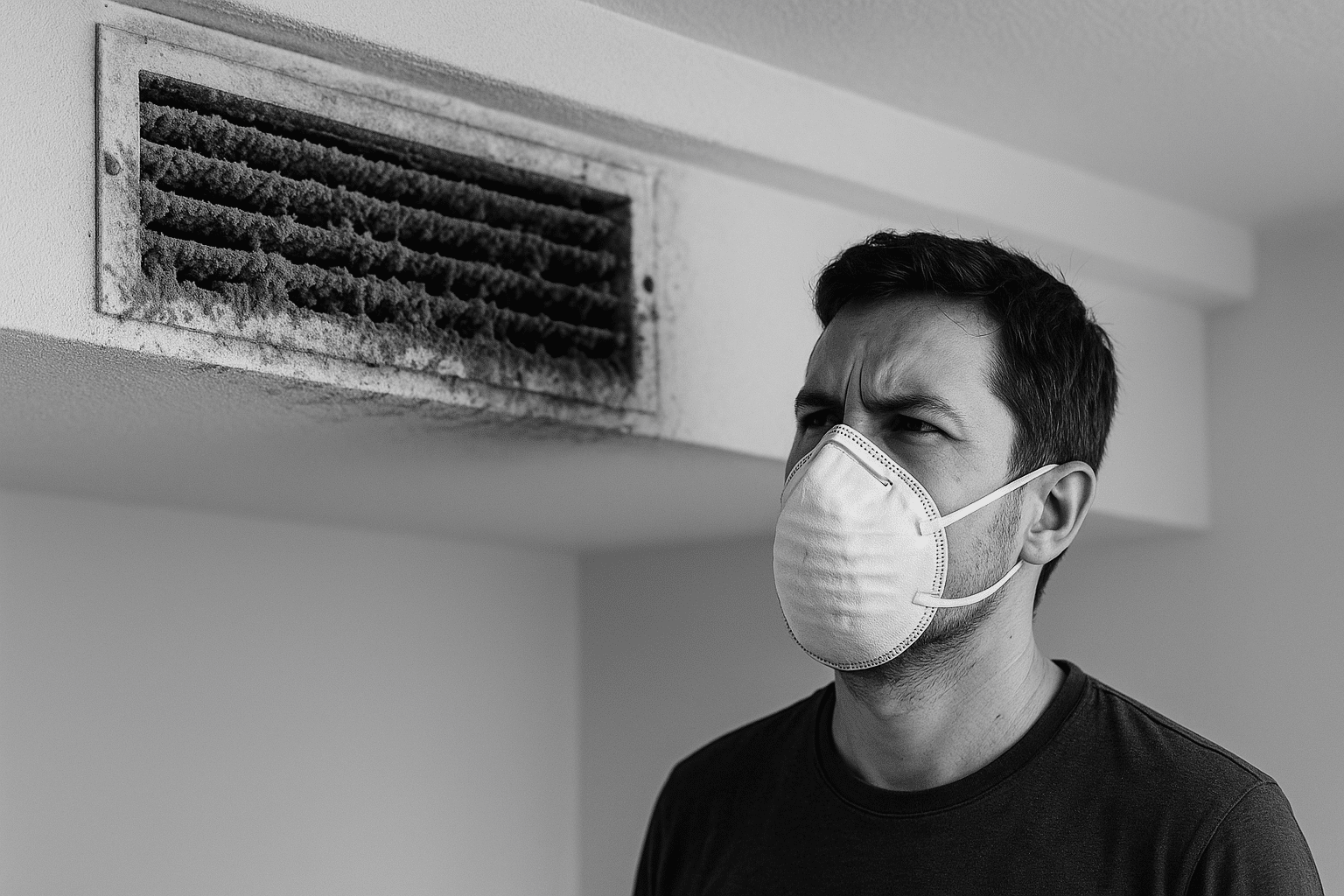
Hidden contaminants such as dust, mold spores, and bacteria can build up inside air ducts over time. Regular inspection and cleaning are necessary to identify these hidden threats. For instance, a deep AC duct cleaning revealed significant levels of mold growth in an Abu Dhabi villa’s HVAC system.
Mold Growth Prevention Strategies for High-Rise Buildings
High-rise buildings, such as those found in Dubai, are particularly susceptible to mold growth due to the combination of high humidity and continuous operation of AC systems. Effective mold prevention strategies include regular disinfection with safe chemicals, proper ventilation, and moisture control.
Selecting Safe Disinfectants and Their Properties
When choosing safe disinfectants for IAQ enhancement, consider factors such as efficacy against pathogens, user safety, environmental impact, and compatibility with HVAC systems. For example, a study at the Indoor Sciences website highlighted that quaternary ammonium compounds (QUATS) are effective but can be harmful to human health if not used properly.
Chemical Selection Criteria: What to Look For
When selecting chemicals for your HVAC system, look for products that meet the following criteria:
- Efficacy against a wide range of pathogens
- No known toxic effects on humans and pets
- Low environmental impact
- Easy to apply without causing system damage
- Compliance with local health and safety regulations
For instance, a review of case studies at Saniservice.com indicated that chlorine dioxide is effective against mold but requires careful handling due to its strong odor and potential for skin irritation.
Common Mistakes to Avoid When Choosing Chemicals for IAQ Enhancement
Many common mistakes can undermine the effectiveness of chemical disinfection in HVAC systems. These include:
- Choosing overly aggressive chemicals that can damage system components
- Failing to follow manufacturer instructions, leading to ineffective or harmful application
- Neglecting proper ventilation during and after chemical application
- Using untested or non-approved chemicals in occupied spaces
For example, a case study at IndoorSciences.ae showed that improper use of bleach solutions led to respiratory issues among occupants.
Expert Tips on Safe Chemical Use in HVAC Systems
To ensure the safe and effective use of chemicals for IAQ enhancement:
- Always wear personal protective equipment (PPE) during application
- Choose products with low toxicity and minimal odor
- Follow manufacturer guidelines closely
- Ensure proper ventilation to prevent inhalation risks
- Regularly inspect system components for signs of chemical damage or residue buildup
For instance, Tristan J.P Larsen recommends the use of hydrogen peroxide-based solutions as they are effective against a wide range of pathogens and have minimal environmental impact.
Frequently Asked Questions (FAQ)
1. Q: Are all disinfectants safe for HVAC systems?
A: Not all disinfectants are suitable for use in HVAC systems due to potential damage to components or harmful effects on occupants.
2. Q: How often should I clean my air ducts with chemicals?
A: The frequency of chemical cleaning depends on the severity and type of contaminants, but regular maintenance is recommended at least once a year for optimal IAQ.
Conclusion: Choosing Safe Chemicals for Indoor Air Quality Enhancement
Choosing Safe Chemicals to enhance indoor air quality in HVAC systems requires careful consideration. By understanding the importance of chemical selection and following expert advice, you can ensure both safety and effectiveness in improving IAQ. Understanding Choosing Safe Chemicals For Indoor Air Quality Enhancement is key to success in this area.

Leave a Reply