

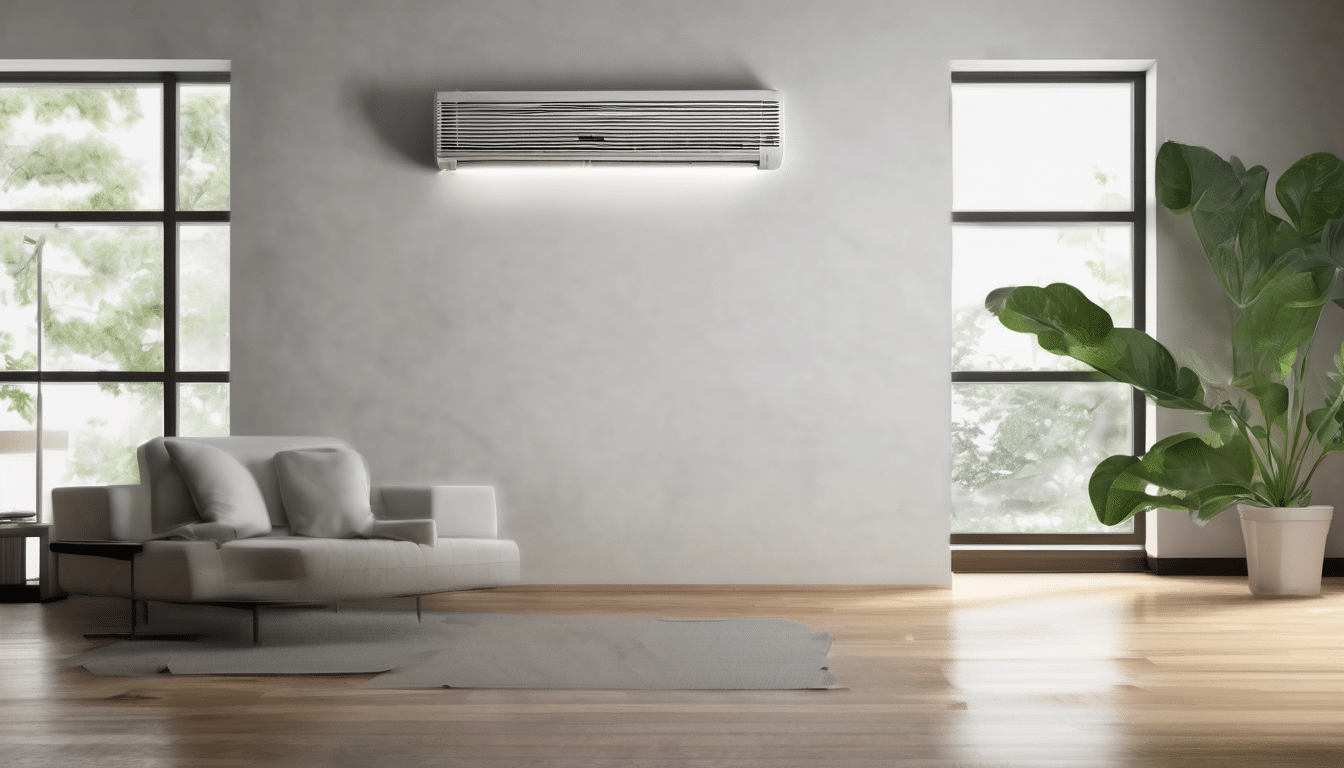
Indoor Air Quality In: Managing Humidity Levels To Improve
Introduction: Managing Humidity Levels to Improve Indoor Air Quality in Commercial Spaces
Contents
- 1 Introduction: Managing Humidity Levels to Improve Indoor Air Quality in Commercial Spaces
- 2 Understanding Managing Humidity Levels to Improve Indoor Air Quality in Commercial Spaces
- 3 Identifying Mold Growth in Office HVAC Systems
- 4 Choosing the Right Air Purifiers for Your Office Environment
- 5 Deep Cleaning Techniques for AC Ducts in Commercial Buildings
- 6 Air Conditioning System Disinfection and Microbial Control
- 7 Indoor Air Quality Audit for Commercial Buildings
- 8 Expert Tips on Managing Humidity Levels in Commercial Spaces
- 9 Frequently Asked Questions About Managing Humidity
- 10 Conclusion: Managing Humidity Levels to Improve Indoor Air Quality in Commercial Spaces
Understanding Managing Humidity Levels To Improve Indoor Air Quality In is essential. Managing humidity levels in commercial spaces such as offices, clinics, and schools is a critical aspect of maintaining indoor air quality (IAQ). High humidity can lead to the growth of mold, bacteria, and other pathogens, while low humidity can cause dryness and discomfort. This article delves into practical methods for controlling moisture content effectively.
Understanding Managing Humidity Levels to Improve Indoor Air Quality in Commercial Spaces
Managing humidity levels is essential for improving indoor air quality (IAQ) in commercial spaces. In Dubai and other similar climates, high humidity can lead to moisture-related issues such as mold growth, dust accumulation, and bacterial proliferation. Conversely, excessively low humidity can cause discomfort and health concerns.
Why Manage Humidity?
- Prevent Mold Growth: Excess moisture provides an ideal environment for mold spores to thrive. Regularly monitoring and controlling humidity levels can significantly reduce the risk of mold growth.
- Better Air Quality: Proper humidity control ensures that indoor air remains clean, reducing the presence of allergens, bacteria, and other harmful particles.
- Enhance Comfort: Optimal humidity levels contribute to a more comfortable environment, improving employee productivity and overall well-being.
Identifying Mold Growth in Office HVAC Systems
Mold growth inside air conditioning (AC) systems can severely impact indoor air quality. In Dubai’s climate, where high humidity and desert dust are common, AC systems often become breeding grounds for mold spores.
Signs of Mold Growth
- Musty Odors: A persistent musty smell in the office can indicate hidden mold growth.
- Dampness: Visible damp patches or water leakage around AC units and ductwork should be investigated immediately.
- Allergic Reactions: Increased instances of sneezing, coughing, or skin irritations among employees may point to mold exposure.
Choosing the Right Air Purifiers for Your Office Environment
Air purifiers play a crucial role in managing IAQ by removing airborne contaminants, including dust, pollen, and mold spores. Selecting the right air purifier is essential for maintaining a clean indoor environment. This relates directly to Managing Humidity Levels To Improve Indoor Air Quality In.
Key Considerations:
- Filter Type: HEPA filters are highly effective at trapping tiny particles but can be expensive and require frequent replacement. Activated carbon filters excel in removing odors and gases.
- Airflow: Ensure the air purifier has sufficient airflow to cover the entire office space effectively.
- Noise Level: Choose a unit with low noise levels, especially if it will be used in an open-plan office or shared workspace.
Deep Cleaning Techniques for AC Ducts in Commercial Buildings
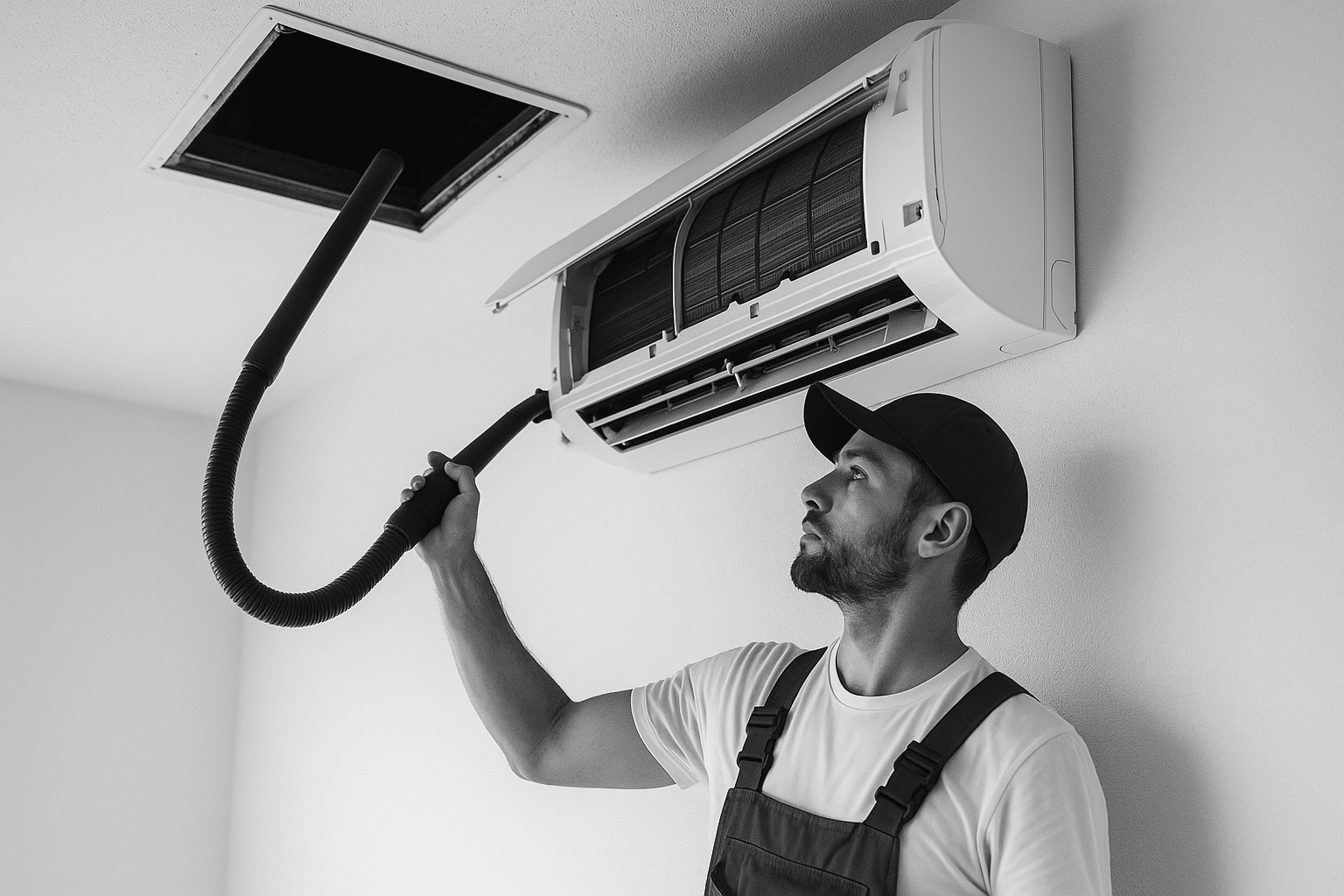
Regular deep cleaning of AC ducts is vital to maintain optimal IAQ. Accumulated dust, mold spores, and other contaminants can significantly reduce air quality if not addressed.
Cleaning Tools and Methods:
- HEPA-Filtered Negative Pressure Systems: These systems create a safe environment for thorough cleaning without spreading dust or particles.
- Microfiber Cloths: Effective in trapping small particles but require frequent washing to maintain hygiene standards.
- Air Duct Brush Attachments: Useful for reaching tight areas and removing built-up debris from the ductwork.
Air Conditioning System Disinfection and Microbial Control
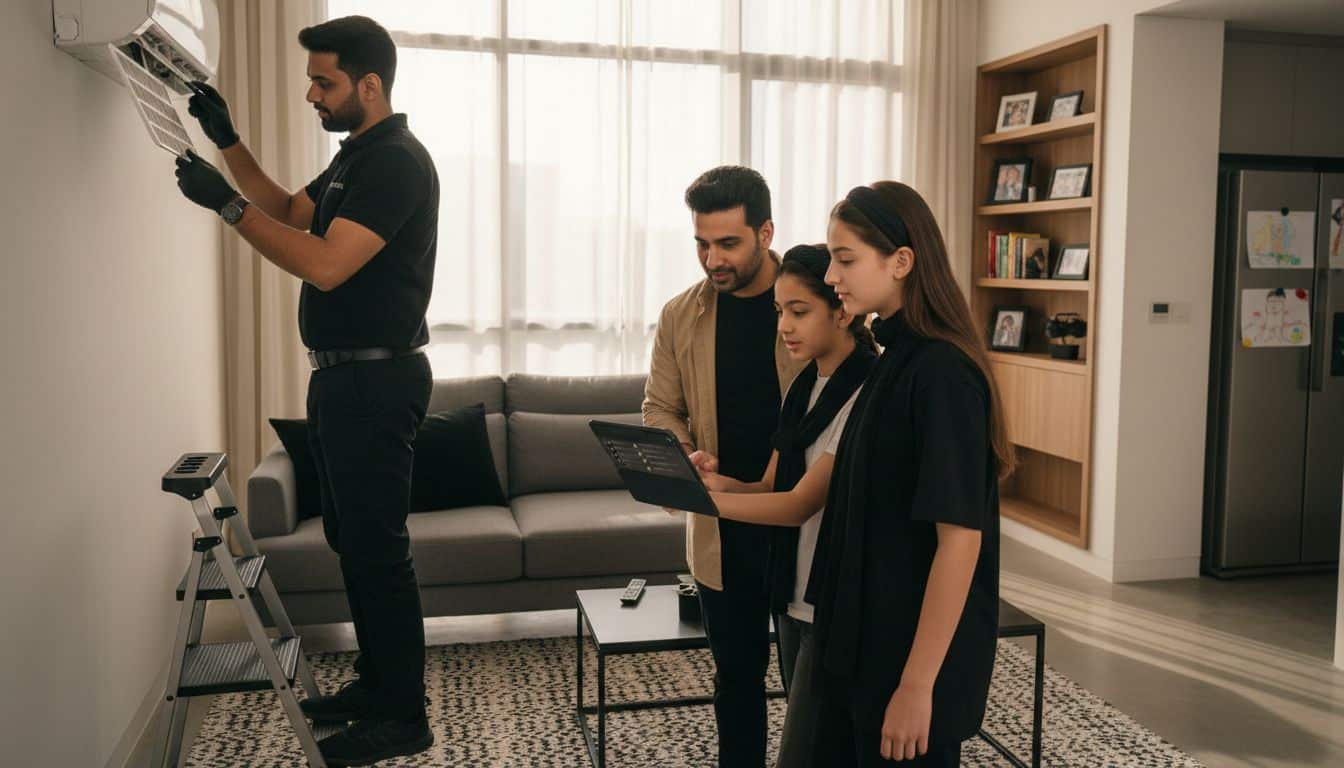
To prevent microbial growth, regular disinfection of AC systems is essential. This process involves both chemical treatments and physical cleaning methods to ensure the system remains hygienic.
Disinfection Procedures:
- Biocides: Use biocidal agents that target bacteria, fungi, and other microorganisms. Ensure these are human-safe for occupied spaces.
- Cleaning Agents: Employ pH-neutral cleaning solutions to remove dirt, grime, and biofilm without damaging the AC components.
Indoor Air Quality Audit for Commercial Buildings
An indoor air quality audit is a comprehensive assessment of IAQ that helps identify potential issues and provides recommendations for improvement. This process includes measuring humidity levels, evaluating HVAC system performance, and checking for signs of mold growth. When considering Managing Humidity Levels To Improve Indoor Air Quality In, this becomes clear.
Audit Process:
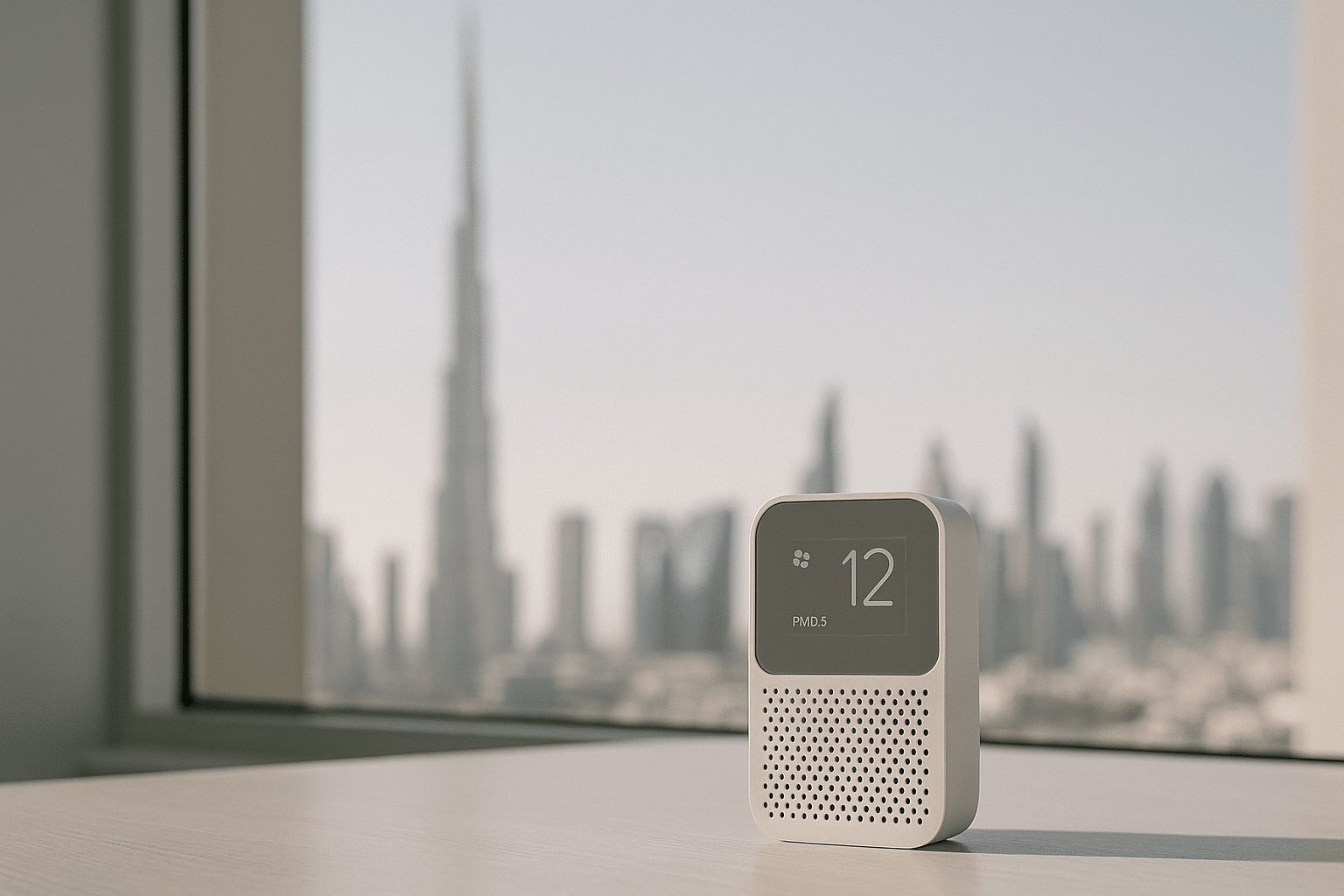
- Humidity Sensors: Install sensors to monitor real-time humidity levels in different areas of the building.
- HVAC System Checks: Inspect the AC units, ductwork, and filters for any signs of damage or contamination.
- Mold Testing: Use specialized equipment to detect mold spores in the air and on surfaces.
Expert Tips on Managing Humidity Levels in Commercial Spaces
Following these expert tips can help you maintain optimal humidity levels and improve IAQ in your commercial space:
- Use Dehumidifiers: Deploy dehumidifiers to reduce moisture content, especially during the wettest months.
- Regular Maintenance: Schedule routine AC cleaning and disinfection services to prevent mold growth and other issues.
- Monitor Humidity Levels: Install humidity sensors in key areas of your building to track changes over time.
Frequently Asked Questions About Managing Humidity
- Q: What is the ideal humidity level for commercial spaces?
A: The recommended range is between 30% and 50%. Exceeding this can lead to mold growth, while levels below 30% may cause discomfort.
- Q: How often should I have my AC system cleaned?
A: At least once a year, or more frequently if the building is in a high-dust environment like Abu Dhabi. The importance of Managing Humidity Levels To Improve Indoor Air Quality In is evident here.
- Q: Can dehumidifiers be used in conjunction with air purifiers?
A: Yes, using both can provide a synergistic effect in maintaining clean and comfortable indoor air quality.
Conclusion: Managing Humidity Levels to Improve Indoor Air Quality in Commercial Spaces
Managing humidity levels is a critical aspect of maintaining optimal indoor air quality (IAQ) in commercial spaces. By implementing effective strategies such as regular AC cleaning, using appropriate air purifiers, and conducting thorough audits, you can create a healthier environment for your employees and visitors. Understanding Managing Humidity Levels To Improve Indoor Air Quality In is key to success in this area.

Leave a Reply