

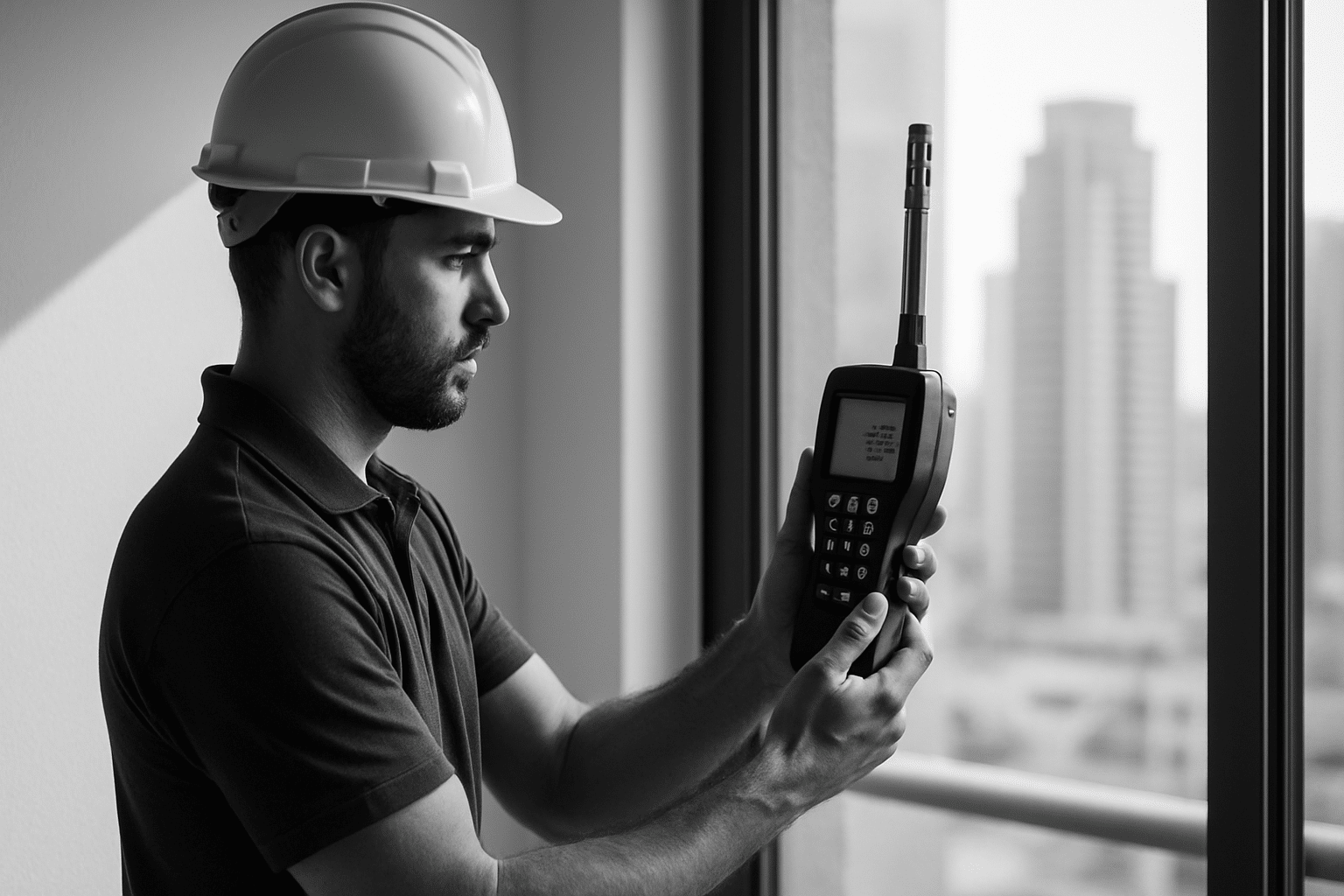
9 Key Insights About Indoor Air Quality Testing Services Dubai You Need to Know
Table of Contents
Contents
- 1 Table of Contents
- 2 Comprehensive Insights into Indoor Air Quality Testing Services Dubai
- 3 What to Expect from Professional Indoor Air Quality Testing Services Dubai
- 4 Ensuring Regulatory Compliance and Health Safety
- 5 The Benefits of Regular Indoor Air Quality Monitoring
- 6 Choosing the Right Indoor Air Quality Testing Service Provider in Dubai
- 7 Importance of Indoor Air Quality Testing
- 8 Common Indoor Pollutants in Dubai
- 9 How Indoor Air Quality Testing Services Dubai Work
- 10 Recommended Cleaning and Testing Frequencies
- 11 Technology Used in Testing Services
- 12 FAQ on Indoor Air Quality Testing Services Dubai
- 13 Benefits of Choosing Professional Testing Services
- 14 How to Choose the Right Testing Service Provider
- 15 Conclusion and CTA
Comprehensive Insights into Indoor Air Quality Testing Services Dubai
Maintaining a healthy indoor environment is essential in a rapidly growing and densely populated city like Dubai. The increasing use of air conditioning, closed office spaces, and high-rise residential buildings means that indoor air pollution can significantly affect everyday life. This is where indoor air quality testing services Dubai play a crucial role in preserving the wellbeing of residents, workers, and visitors alike. These specialized services help identify pollutants, allergens, and other hazardous substances that are often invisible yet harmful in enclosed environments.
Why Indoor Air Quality Testing is Vital in Dubai
Dubai’s urban development brings with it unique challenges to maintaining clean indoor air. Factors such as dust storms, high humidity at certain times of the year, and emissions from heavy traffic around commercial districts like Business Bay or Dubai Marina contribute to the potential degradation of air quality inside buildings. Furthermore, construction activities and the widespread use of synthetic building materials can release volatile organic compounds (VOCs) and particulate matter indoors. Regular indoor air quality assessments help ensure that these pollutants are detected early and mitigated effectively.
Beyond environmental factors, indoor spaces often contain sources of pollution such as:
- Unventilated cooking areas releasing carbon monoxide and nitrogen dioxide
- Mold and mildew growth promoted by humidity in bathrooms and kitchens
- Dust mites and pet dander in homes and offices
- Emissions from office equipment such as printers and copiers
- Use of cleaning products and pesticides indoors
Given Dubai’s compliance framework, indoor air quality testing aligns with standards set by the Dubai Municipality and the Dubai Health Authority (DHA). For example, guidelines on ventilation rates and permissible limits for airborne contaminants underpin efforts to safeguard public health benefits in compliance with the Dubai Green Building Regulations and specifications under Dubai Municipality’s Building Code.
What to Expect from Professional Indoor Air Quality Testing Services Dubai
Specialized services in Dubai utilize advanced diagnostic methods and instruments designed for local conditions. These professionals typically perform comprehensive assessments that include:
- Air Sampling: This involves collecting air samples using calibrated devices in multiple areas within a building to analyze concentrations of pollutants such as carbon dioxide (CO2), carbon monoxide (CO), particulate matter (PM2.5 and PM10), VOCs, formaldehyde, and other chemical contaminants relevant in indoor settings.
- Identifying Biological Contaminants: Tests for mold spores, bacteria, and allergens are conducted using air and surface sampling techniques, especially important in residential complexes and workplaces with air conditioning ducts that could harbor microbial growth.
- Ventilation Assessment: Measurement of airflow rates and air exchange efficiency to confirm compliance with Dubai Municipality’s ventilation standards ensuring optimal air circulation, especially in spaces like schools, hospitals, and commercial offices situated in districts such as Dubai Healthcare City or Dubai Silicon Oasis.
The testing process often includes the use of portable monitoring devices alongside laboratory analyses to provide accurate, real-time data about air quality conditions inside buildings. Following the assessment, a detailed report with findings and recommended corrective actions is provided to clients, enabling informed decisions about remediation and maintenance.
Ensuring Regulatory Compliance and Health Safety
Indoor air quality testing services in Dubai are not only about identifying pollutants but also ensuring that buildings comply with local health and safety regulations. Authorities such as the Dubai Municipality mandate that commercial and residential buildings adhere to the National Air Quality Standards tailored for the Dubai environment. These standards regulate limits on substances that can impact respiratory health and overall air quality.
In addition to municipal guidelines, the Dubai Health Authority emphasizes indoor environmental quality as part of public health frameworks to reduce allergens and airborne infections, particularly in settings like hospitals, clinics, and schools. Buildings found to have poor air quality often require improvements such as enhanced HVAC filtration systems, regular duct cleaning, and humidity control.
By engaging with certified providers of indoor air quality testing services Dubai, building managers and homeowners can be confident that their indoor environments meet these regulatory requirements, contributing to safer workspaces and living areas.
The Benefits of Regular Indoor Air Quality Monitoring
Routine testing and monitoring of indoor air quality offer tangible benefits that include:
- Improved Health Outcomes: Detecting allergens and pollutants early reduces risks of asthma, allergies, and respiratory infections among occupants.
- Enhanced Comfort and Productivity: Clean air environments lead to less fatigue, improved concentration, and overall wellbeing—key factors for office workers in Dubai’s bustling commercial zones.
- Energy Efficiency: Optimizing ventilation systems based on accurate data can reduce energy consumption related to HVAC operations without compromising air quality.
- Property Value Protection: Ensuring buildings meet indoor air quality standards can enhance resale or leasing value, a significant point for property owners in neighborhoods like Arabian Ranches or Jumeirah Lake Towers.
Regular testing can also identify hidden issues such as faulty HVAC components or unrecognized pollutant sources before they escalate and cause costly repairs or health issues.
Choosing the Right Indoor Air Quality Testing Service Provider in Dubai
With various companies offering these services in Dubai, selecting the right provider is critical. The chosen firm should have certifications recognized by Dubai Municipality and DHA and offer a robust methodology tailored to Dubai’s specific climate and construction practices. Factors to consider include:
- Experience with Local Regulations: The service must be familiar with Dubai’s specific regulatory environment, including guidelines from the Dubai Green Building Regulations and ESMA (Emirates Authority for Standardization & Metrology).
- Use of Advanced Technology: Employing state-of-the-art equipment that supports accurate detection of a wide range of airborne pollutants relevant to Dubai’s urban environment.
- Comprehensive Reporting: Clear, actionable reports with practical recommendations for improving indoor air quality based on diagnostic results.
- Post-Testing Support: Offering remediation advice, training for facility managers, and periodic follow-up testing to ensure continued compliance and health safety.
By working with a customer-focused and knowledgeable testing provider, building owners and tenants in Dubai’s varied communities—from Downtown Dubai to Medos—can ensure healthier indoor environments year-round.
Importance of Indoor Air Quality Testing
Indoor air quality testing services Dubai are essential for ensuring safe and healthy living and working environments across Dubai’s residential, commercial, and industrial spaces. With urban life intensifying and air conditioning systems running almost year-round, the quality of air inside buildings can significantly impact people’s wellbeing.
Indoor pollutants can accumulate unnoticed and trigger respiratory illnesses, allergies, and long-term health complications. Essentially, relying solely on external air quality measures misses the critical indoor dimension where most people spend up to 90% of their time. This creates a clear need for specialized indoor air quality testing services Dubai to monitor, identify, and control hazardous pollutants.
Common Indoor Pollutants in Dubai
Dubai’s unique climate and urban lifestyle influence the types of indoor pollutants most commonly detected by indoor air quality testing services Dubai:
- Volatile Organic Compounds (VOCs): Emanating from paints, cleaning products, and furnishings.
- Particulate Matter (PM2.5 and PM10): Fine dust, construction debris, and desert sand particles.
- Biological Contaminants: Including mold, bacteria, viruses, and dust mites.
- Carbon Monoxide (CO): Emitted from faulty cooking appliances or car exhausts if garages connect to homes.
- Formaldehyde: Common in new furniture, carpets, and building materials.
- Radon: Though less common, some older buildings may have radon seepage.
Dubai’s hot, dry air and prevalent air-conditioned environments can encourage mold growth inside poorly ventilated buildings, making monitoring vital. Indoor air quality testing services Dubai specialize in detecting all these pollutants to mitigate health risks effectively.
How Indoor Air Quality Testing Services Dubai Work
Indoor air quality testing services Dubai utilize specialized equipment and protocols customized to Dubai’s buildings’ structures and environments. A typical process includes the following steps:
- Initial Site Inspection: Survey of the premises to identify potential pollutant sources and evaluate ventilation systems.
- Air Sampling: Collection of air samples using calibrated devices that measure particles, gases, biological contaminants, and humidity levels.
- Laboratory Analysis: Samples undergo detailed laboratory analysis to identify pollutant types and concentrations accurately.
- Report Generation: A comprehensive report is prepared detailing findings, health implications, and actionable recommendations tailored to Dubai’s environmental conditions.
- Follow-up Testing: Periodic retesting ensures that recommended improvements maintain indoor air quality within safe standards.
In Dubai, testing teams usually comply with guidelines issued by Dubai Municipality and related authorities to ensure consistency and public safety.
Recommended Cleaning and Testing Frequencies
Regular maintenance and timely testing of indoor air are crucial for maintaining healthy indoor environments. Here are recommended frequencies based on best practices adapted for Dubai’s climate and living conditions.
Cleaning Frequencies
- HVAC Systems: Clean or replace filters every 3–6 months. Dubai’s dust levels necessitate more frequent attention than some other regions.
- Ductwork: Inspect and clean ducts annually to prevent dust and mold buildup.
- Indoor Surfaces: Dust and vacuum weekly to reduce particulate accumulation.
- Humidifiers/Dehumidifiers: Clean monthly to prevent microbial growth.
- Water Leaks and Mold Control: Inspect monthly especially during Dubai’s humid winter months.
Testing Frequencies
Indoor air quality testing services Dubai typically recommend the following testing intervals:
- Residential Spaces: Conduct tests annually, or after renovations or if occupants experience unexplained health issues.
- Commercial Buildings: Test every 6–12 months depending on occupancy, activity, and complaint history.
- High-Risk Environments: Hospitals, schools, and food production facilities require quarterly or semi-annual testing to comply with Dubai Health Authority standards.
Following these frequencies helps maintain compliance with Dubai Municipality indoor environment standards and ensures safe air quality levels.
Technology Used in Testing Services
Indoor air quality testing services Dubai leverage advanced technologies that offer precise and real-time pollutant detection. These include:
- Laser Particle Counters: Measure PM2.5 and PM10 concentrations with high sensitivity.
- Gas Detectors: Identify dangerous gases like carbon monoxide, formaldehyde, and VOCs.
- Biological Samplers: Capture mold spores, bacteria, and allergens for microscopic and DNA analysis.
- Humidity and Temperature Sensors: Monitor conditions that affect air quality and microbial growth.
- IoT-Based Continuous Monitoring: Some providers offer real-time data collection and alerts to property managers in Dubai.
This high-tech approach accommodates Dubai’s unique environmental challenges and regulatory demands, ensuring actionable data for improving indoor air quality.
FAQ on Indoor Air Quality Testing Services Dubai
What are the benefits of indoor air quality testing?
Testing identifies and quantifies pollutants, helping prevent health risks, improves comfort, and enhances productivity in homes and workplaces.
How long does a typical indoor air quality test take?
Most tests take between 2 to 6 hours depending on the size of the property and complexity.
Do results comply with Dubai Municipality standards?
Yes, professional services align testing protocols and reporting with Dubai Municipality and Dubai Health Authority guidelines.
Can testing help reduce allergy symptoms?
Absolutely. By detecting allergens and mold, appropriate cleaning and HVAC adjustments can be recommended and implemented.
What should I do if testing shows poor indoor air quality?
Follow the service provider’s recommendations, which may include HVAC maintenance, enhanced cleaning, and improved ventilation practices.
Benefits of Choosing Professional Testing Services
Engaging specialized indoor air quality testing services Dubai offers numerous advantages:
- Accurate, Reliable Results: Accredited labs and certified experts ensure trustworthy data and diagnosis.
- Customized Solutions: Services tailor recommendations to Dubai’s climate, buildings, and occupant needs.
- Compliance: Helps organizations meet local regulatory requirements and improve corporate safety standards.
- Health Protection: Early detection prevents disease outbreaks, allergies, and chronic respiratory conditions.
- Increased Property Value: Demonstrable healthy indoor air quality can enhance property desirability in Dubai’s competitive real estate market.
How to Choose the Right Testing Service Provider
When selecting indoor air quality testing services Dubai, consider these practical tips:
| Criteria | What to Look For |
|---|---|
| Certification and Licensing | Ensure providers are accredited by Dubai Municipality or Dubai Health Authority (DHA). |
| Experience | Prefer providers with proven track records in Dubai-specific indoor air quality contexts. |
| Equipment Quality | Check if the provider uses modern, calibrated devices tailored to regional pollutants. |
| Reporting Standards | Reports should be detailed, actionable, and compliant with local standards. |
| Customer Reviews | Read testimonials emphasizing reliability and professionalism. |
For more information on maintaining facilities in Dubai, see this Dubai Municipality’s guidelines on indoor air quality testing services Dubai. To explore similar quality services, check out our cleaning and indoor air quality testing services Dubai page.
Conclusion and CTA
Indoor air quality testing services Dubai play a critical role in safeguarding health, comfort, and productivity across Dubai’s homes and workplaces. By understanding common pollutants, testing technologies, and following recommended cleaning and testing frequencies, residents and business owners can proactively manage their indoor environments effectively.
Take action today to evaluate your indoor air quality with a trusted provider, ensuring your spaces in Dubai remain safe and inviting year-round. Contact your local indoor air quality testing experts to schedule an assessment and benefit from Dubai-tailored solutions.
Related articles



Leave a Reply