

Mold Remediation Explained: Science, Safety, and Solutions
Most American families are surprised to learn that even a small patch of indoor mold can release thousands of spores into the air within hours. Indoor mold has become a major concern for health experts, especially in places with high humidity or complex building systems. Understanding what mold remediation involves helps protect both people and property, offering more than basic cleaning by providing real solutions for lasting safety and comfort.
Table of Contents
Contents
- 1 Table of Contents
- 2 Key Takeaways
- 3 What Is Mold Remediation and Why It Matters
- 4 Types of Mold and Common Indoor Locations
- 5 Mold Remediation Process Step by Step
- 6 Risks of Mold and Remediation Mistakes
- 7 Choosing Professional Mold Remediation Services
- 8 Experience Expert Mold Remediation Rooted in Science and Precision
- 9 Frequently Asked Questions
- 10 Recommended
- What Is Mold Remediation And Why It Matters
- Types Of Mold And Common Indoor Locations
- Mold Remediation Process Step By Step
- Risks Of Mold And Remediation Mistakes
- Choosing Professional Mold Remediation Services
Key Takeaways
| Point | Details |
|---|---|
| Mold Remediation Definition | Mold remediation is a systematic process aimed at effectively identifying, containing, and removing mold while preventing future growth to protect health and property. |
| Importance in High-Humidity Environments | In climates like Dubai’s, the process is essential for maintaining indoor health due to the increased risk of mold proliferation. |
| Holistic Approach Required | Effective remediation involves addressing root causes of moisture, utilizing advanced techniques, and implementing preventative measures. |
| Choosing Professionals Matters | Selecting qualified mold remediation services is crucial for achieving successful outcomes and safeguarding indoor environments. |
What Is Mold Remediation and Why It Matters
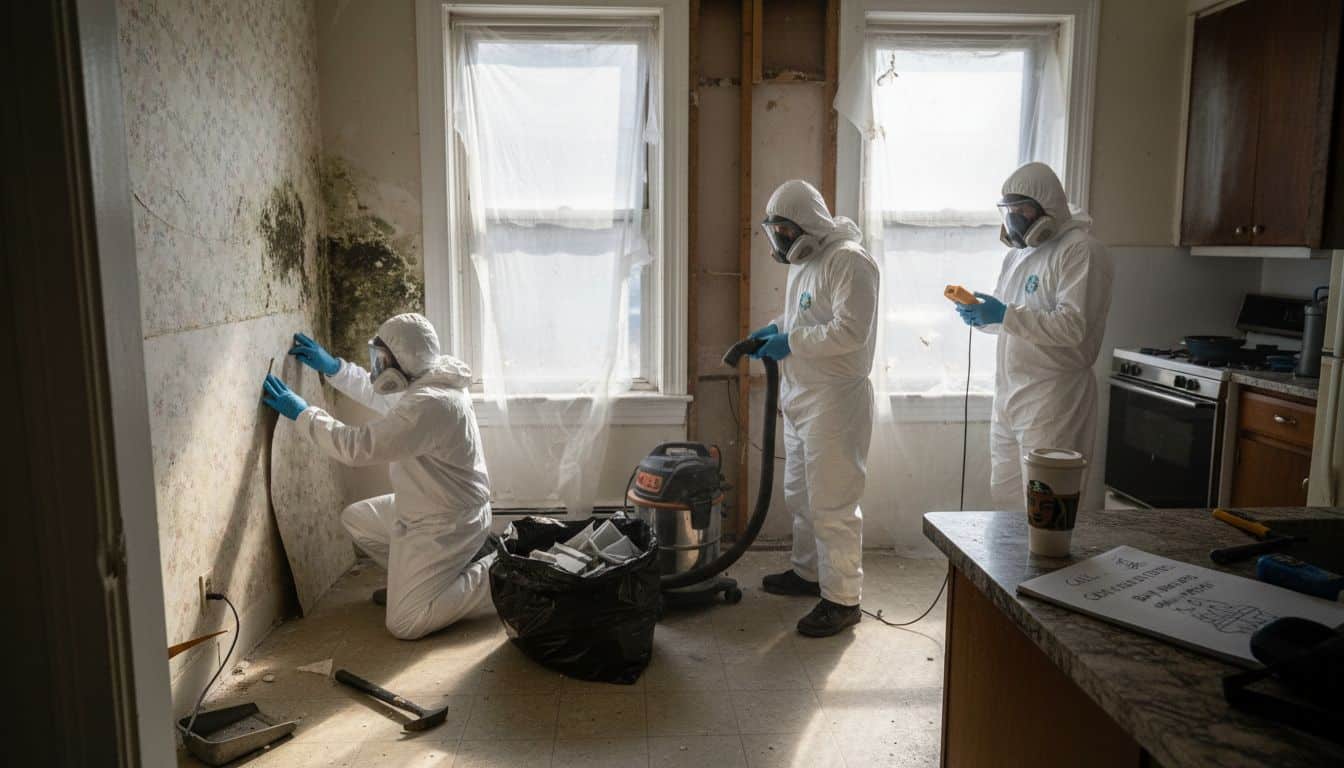
Mold remediation is a comprehensive process designed to identify, contain, remove, and prevent mold growth in indoor environments, specifically targeting the complex health and structural risks associated with fungal contamination. At its core, the process goes far beyond simple cleaning – it involves scientific assessment, targeted interventions, and strategic prevention strategies that protect both human health and building integrity.
The fundamental goal of mold remediation, as defined by occupational safety experts, is to systematically address moisture problems, remove contaminated materials, and prevent further spread of microbial growth. In the context of Dubai’s unique climate – characterized by high humidity and extreme temperatures – this becomes particularly critical for maintaining healthy indoor environments in residential and commercial spaces.
Properly executed mold remediation involves several strategic components that work synergistically to resolve contamination issues:
- Moisture Assessment: Identifying and eliminating underlying moisture sources that enable mold proliferation
- Contamination Mapping: Comprehensively evaluating the extent of mold growth using advanced detection techniques
- Controlled Removal: Safely extracting contaminated materials using specialized equipment and protocols
- Sanitization: Applying hospital-grade, chemical-free biosanitizers to eliminate remaining microbial populations
- Preventative Strategies: Implementing long-term solutions to discourage future mold development
Understanding mold remediation is not just about addressing a current problem – it’s about creating a proactive approach to indoor environmental health. Environmental protection guidelines emphasize that successful remediation requires addressing root causes, not just visible symptoms. This holistic approach ensures that buildings remain safe, structurally sound, and conducive to occupant well-being.
For Dubai residents and property managers, professional mold remediation represents an investment in health, comfort, and property preservation – particularly given the region’s challenging environmental conditions that can accelerate microbial growth.
Types of Mold and Common Indoor Locations
Understanding the diverse world of indoor mold is crucial for effective prevention and remediation strategies. Common indoor mold species represent a complex ecosystem of microscopic organisms that thrive in various environments within residential and commercial spaces, each with unique characteristics and potential health implications.
Some of the most prevalent mold types encountered in indoor settings include:
- Cladosporium: A dark green or brown mold frequently found on surfaces like wood, textiles, and painted walls
- Aspergillus: A versatile genus appearing in multiple colors, commonly growing on air conditioning systems, wallpaper, and dust
- Penicillium: Often blue or green, typically discovered in areas with water damage or high moisture, such as carpets and insulation
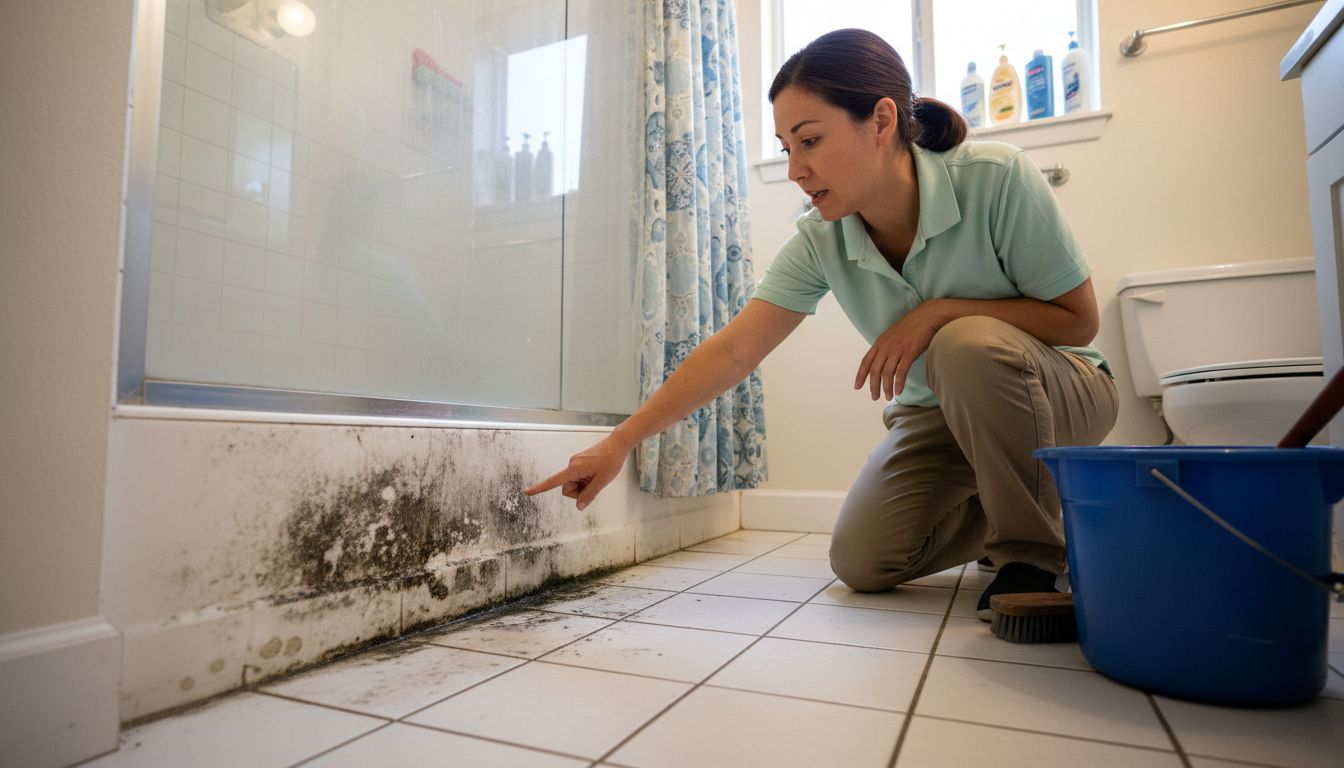
- Alternaria: A fast-spreading dark mold commonly found in bathrooms, kitchens, and areas with persistent dampness
- Stachybotrys Chartarum: Infamously known as “black mold”, this toxic variety requires significant moisture and often indicates serious water damage
Indoor environmental research highlights that these mold species proliferate most aggressively in specific locations characterized by consistent moisture and limited ventilation. In Dubai’s high-humidity environment, these zones typically include:
- Air conditioning drainage trays
- Bathroom grout and tile surfaces
- Kitchen sink cabinets
- Poorly ventilated closets
- Window frames and sills
- Basement or underground storage areas
- Behind furniture placed against exterior walls
Each mold type presents unique risks and requires targeted remediation approaches. While some molds might trigger mild allergic reactions, others can cause significant respiratory issues, making professional assessment and treatment critical for maintaining healthy indoor environments.
Mold Remediation Process Step by Step
Comprehensive mold remediation strategies represent a systematic approach to addressing fungal contamination, ensuring complete elimination and preventing future growth. The process demands precision, scientific understanding, and a methodical approach tailored to the unique environmental conditions of Dubai’s high-humidity landscape.
The mold remediation process typically involves seven critical stages:
- Initial Assessment
- Conduct comprehensive visual inspection
- Identify moisture sources
- Determine contamination extent
- Document affected areas
- Containment
- Isolate contaminated zones
- Establish negative air pressure
- Use physical barriers like plastic sheeting
- Prevent cross-contamination
- Moisture Control
- Identify and eliminate moisture sources
- Repair water leaks
- Improve ventilation
- Reduce indoor humidity levels
- Protective Equipment
- Use respirators with HEPA filtration
- Wear disposable protective suits
- Use nitrile gloves
- Implement eye protection
- Material Removal
- Remove extensively contaminated materials
- Bag and dispose of infected substances
- Follow local waste management regulations
- Use controlled demolition techniques
- Surface Cleaning
- Apply hospital-grade biosanitizers
- Use HEPA vacuuming
- Scrub non-porous surfaces
- Sanitize surrounding areas
- Prevention and Monitoring
- Implement long-term humidity control
- Install proper ventilation systems
- Conduct periodic inspections
- Maintain indoor environmental quality
Effective moisture management remains the cornerstone of successful mold remediation, requiring continuous attention and proactive strategies. In Dubai’s challenging climate, this process demands not just technical expertise but a comprehensive understanding of indoor environmental dynamics.

Professional mold remediation goes beyond simple cleaning – it represents a scientific approach to protecting human health, preserving property integrity, and maintaining optimal indoor air quality. Each step requires precision, expertise, and a commitment to creating truly healthy living environments.
Risks of Mold and Remediation Mistakes
Potential health risks associated with mold exposure extend far beyond simple discomfort, representing a complex environmental challenge that demands strategic and scientifically precise intervention. In Dubai’s unique climate, where high humidity creates ideal conditions for microbial growth, understanding these risks becomes paramount for maintaining healthy indoor environments.
The most significant health risks from mold exposure include:
-
Respiratory Complications
- Persistent coughing
- Wheezing and chest tightness
- Exacerbation of asthma symptoms
- Potential development of chronic respiratory conditions
-
Allergic Reactions
- Nasal congestion
- Skin irritation
- Eye inflammation
- Sinus infections
-
Neurological Impacts
- Headaches
- Memory problems
- Difficulty concentrating
- Potential mood alterations
Common remediation mistakes can dramatically amplify these health risks. Inadequate professional training often leads to critical errors such as:
- Insufficient containment procedures
- Improper personal protective equipment usage
- Incomplete moisture source identification
- Ineffective cleaning and sanitization techniques
- Inadequate post-remediation verification
Professional mold remediation requires a comprehensive approach that goes beyond surface-level cleaning. Successful intervention demands scientific precision, advanced technical knowledge, and a thorough understanding of microbial behavior specific to Dubai’s challenging environmental conditions.
In the context of luxury villas and high-end residential spaces throughout the United Arab Emirates, mold remediation is not merely a maintenance task but a critical health protection strategy. Property owners must recognize that cutting corners or attempting DIY solutions can lead to long-term health consequences and significant property damage.
Choosing Professional Mold Remediation Services
Selecting a qualified mold mitigation professional represents a critical decision that directly impacts your property’s health, safety, and long-term value. In Dubai’s challenging environmental landscape, where high humidity creates complex indoor air quality challenges, choosing the right mold remediation service requires careful consideration and specialized knowledge.
Key criteria for evaluating professional mold remediation services include:
-
Certifications and Training
- NADCA certification
- Indoor environmental professional credentials
- Specialized microbiology training
- Ongoing professional development
-
Technical Capabilities
- Advanced diagnostic equipment
- Comprehensive moisture mapping technologies
- Laboratory-backed analysis capabilities
- Multidisciplinary scientific approach
-
Service Methodology
- Systematic contamination assessment
- Detailed remediation protocols
- Transparent reporting processes
- Post-remediation verification
Professional training and education are fundamental in determining a service provider’s competence. Effective mold remediation demands more than basic cleaning skills – it requires a scientific understanding of microbial ecosystems, building dynamics, and indoor environmental management.
In the context of luxury properties throughout the United Arab Emirates, selecting a mold remediation service is not merely a maintenance decision but a critical investment in health, property preservation, and long-term environmental quality. Discerning property owners should prioritize providers with demonstrable scientific expertise, comprehensive technological capabilities, and a proven track record of successful interventions.
Ultimately, the right mold remediation service transforms a potential health hazard into an opportunity for creating safer, cleaner indoor environments. By focusing on technical proficiency, scientific rigor, and holistic problem-solving, property owners can effectively mitigate mold-related risks and ensure optimal indoor air quality.
Experience Expert Mold Remediation Rooted in Science and Precision
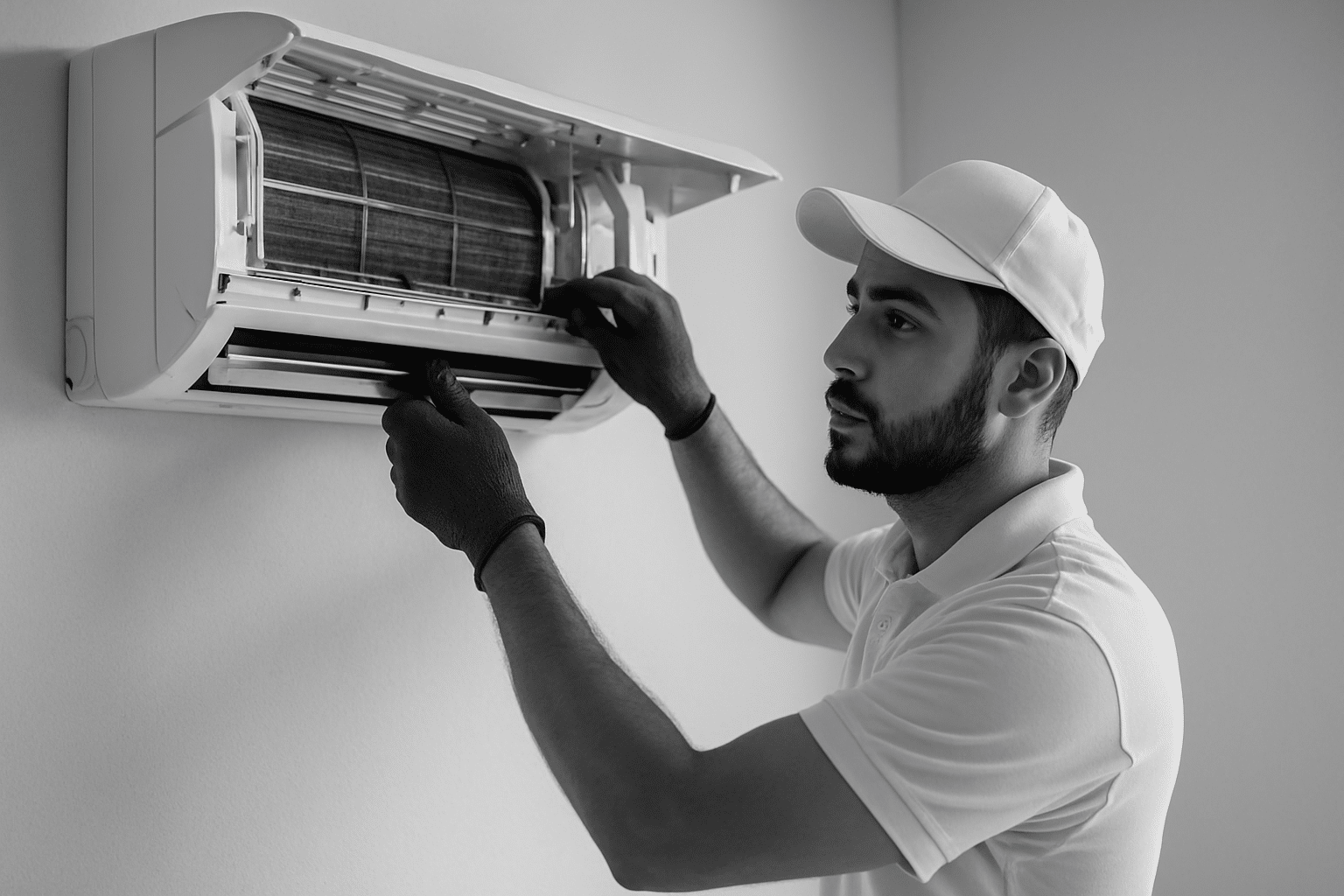
Mold growth fueled by hidden moisture and inadequate air quality is more than just an eyesore. It threatens your health, comfort, and property integrity. This article highlights how critical precise moisture control, contamination mapping, and targeted removal are for truly effective mold remediation in Dubai’s humid environment. At Saniservice, we understand these challenges deeply. Our NADCA-certified technicians combine advanced microbiology insights with hospital-grade, chemical-free biosanitisers to thoroughly clean and disinfect air conditioning components—from coils to drainage trays—eliminating mold and allergens at their source.
Discover how Saniservice’s unique multidisciplinary Indoor Sciences team delivers scientifically backed indoor hygiene solutions you can trust. Take control of your indoor environment and safeguard your home or commercial space with specialized mold remediation crafted for Dubai’s demanding conditions. Act now for healthier air and lasting protection by visiting Saniservice. Learn more about our proven professional air conditioning cleaning and disinfection services and see why we are the trusted choice for Mold Remediation in the United Arab Emirates.
Frequently Asked Questions
What is mold remediation?
Mold remediation is a systematic process designed to identify, contain, remove, and prevent mold growth in indoor environments, addressing both health risks and structural integrity issues associated with mold contamination.
Why is moisture control important in mold remediation?
Moisture control is crucial because mold thrives in damp environments. Identifying and eliminating moisture sources prevents mold from proliferating and reduces the likelihood of future infestations.
What are the health risks associated with mold exposure?
Health risks from mold exposure can include respiratory complications, allergic reactions, and even neurological impacts, making effective remediation essential for maintaining indoor air quality and occupant health.
How can I choose a professional mold remediation service?
To select a qualified mold remediation service, look for certifications, technical capabilities, and a systematic service methodology that includes thorough contamination assessment and post-remediation verification.
Recommended
Related articles

Leave a Reply