

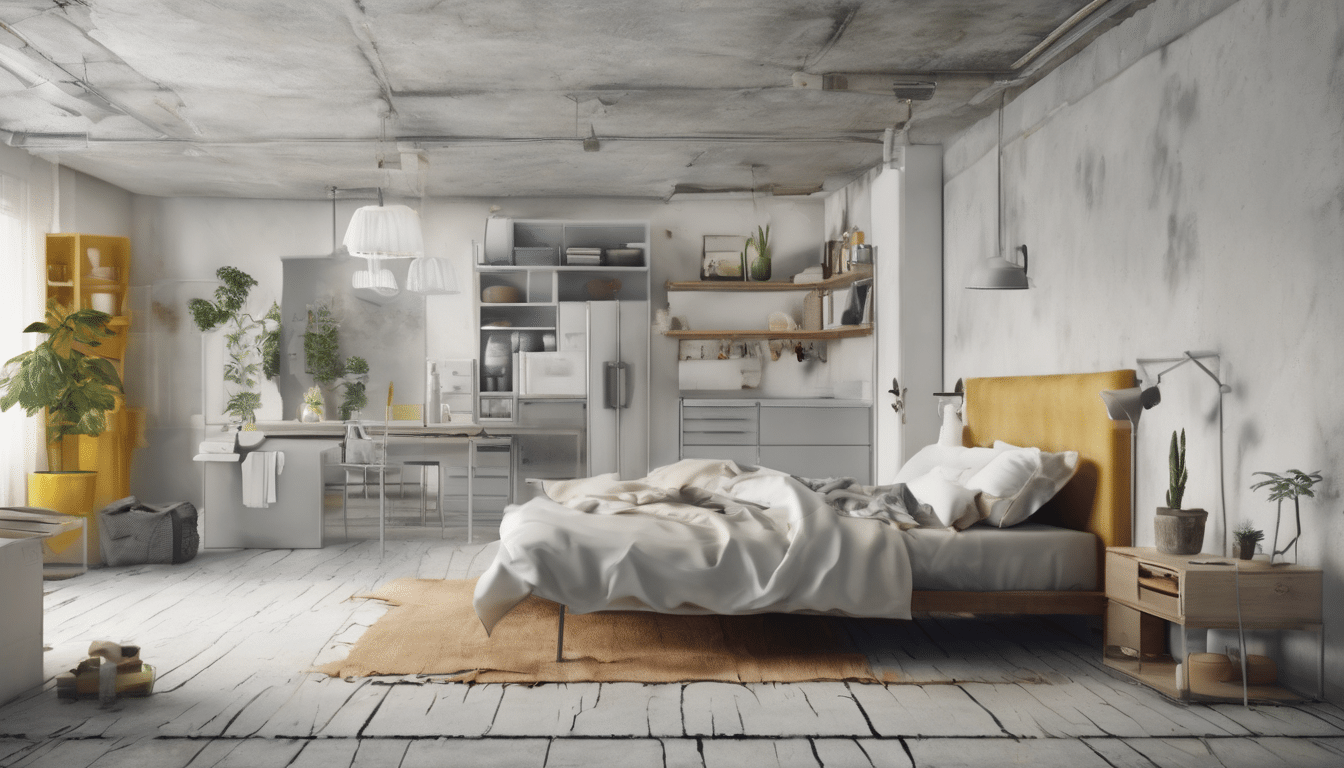
Choosing Safe Chemicals For Occupied Spaces
Choosing Safe Chemicals for Occupied Spaces During AC Guide for 10 Effective Results
The Importance of Safe Chemicals for Occupied Spaces During AC
Choosing the right chemicals during air conditioning (AC) cleaning is crucial, especially when you are working in occupied spaces. The environment inside your home or building requires a delicate balance between maintaining hygiene and ensuring safety for all occupants, including children, elderly residents, and those with allergies or asthma. This relates directly to Choosing Safe Chemicals For Occupied Spaces During Ac.
Health and Comfort
Safe chemicals can prevent respiratory issues and allergic reactions by eliminating harmful microorganisms such as mold, bacteria, and viruses. These chemicals are designed to break down contaminants without leaving residues that could irritate sensitive airways. Ensuring the use of these products during AC cleaning helps maintain a comfortable living or working environment.
Common Mistakes to Avoid When Choosing Chemicals
Many property managers and homeowners make common mistakes when selecting chemicals for AC cleaning in occupied spaces. These include: When considering Choosing Safe Chemicals For Occupied Spaces During Ac, this becomes clear.
- Using harsh, unsuitable chemicals: Harsh chemicals can irritate occupants and damage the AC system.
- Failing to ventilate properly: Poor ventilation during chemical application can lead to lingering odors and health risks.
- Not following safety protocols: Failing to wear protective equipment or adhere to manufacturers’ guidelines increases the risk of accidents and exposure.
Safety First
It is essential to prioritize safety by choosing biodegradable, non-toxic, and low-VOC (volatile organic compound) chemicals. These products minimize the risk of adverse health effects while effectively cleaning the AC system.
Key Factors in Selecting Safe Chemicals for Occupied Spaces During AC
When choosing safe chemicals for occupied spaces, consider these key factors: The importance of Choosing Safe Chemicals For Occupied Spaces During Ac is evident here.
- Biodegradability and Non-Toxicity: Opt for products that are biodegradable and non-toxic to minimize environmental impact.
- VOC Levels: Look for low-VOC chemicals as they release fewer harmful gases into the air.
- Efficacy: Choose products with proven effectiveness in eliminating mold, bacteria, and other contaminants.
- Dilution Ratios: Ensure that you can properly dilute the product to avoid overuse or underuse.
Environmental Impact
Selecting environmentally friendly chemicals not only benefits indoor air quality but also aligns with sustainable practices. These products are less likely to contribute to pollution and have a lower impact on the environment.
Recommended Chemicals for Indoor Air Quality and Safety
Based on my experience in Dubai, some of the recommended chemicals include: Understanding Choosing Safe Chemicals For Occupied Spaces During Ac helps with this aspect.
- Biogel: A biodegradable disinfectant that targets mold, bacteria, and viruses.
- CleanAir: An EPA-approved product for deep cleaning AC systems without leaving residues.
- Natural Clean Solutions: Formulated with natural ingredients to ensure safety and efficacy.
Specific Applications
These products are suitable for various applications, including coil cleaning, duct sanitization, and overall system disinfection. Always follow the manufacturer’s instructions for best results.
Best Practices in AC Cleaning and Disinfection
To ensure effective and safe AC cleaning during occupied spaces:
- Preventive Maintenance: Schedule regular AC cleanings to prevent the accumulation of harmful contaminants.
- Proper Ventilation: Ensure adequate ventilation during chemical application to avoid odors and health risks.
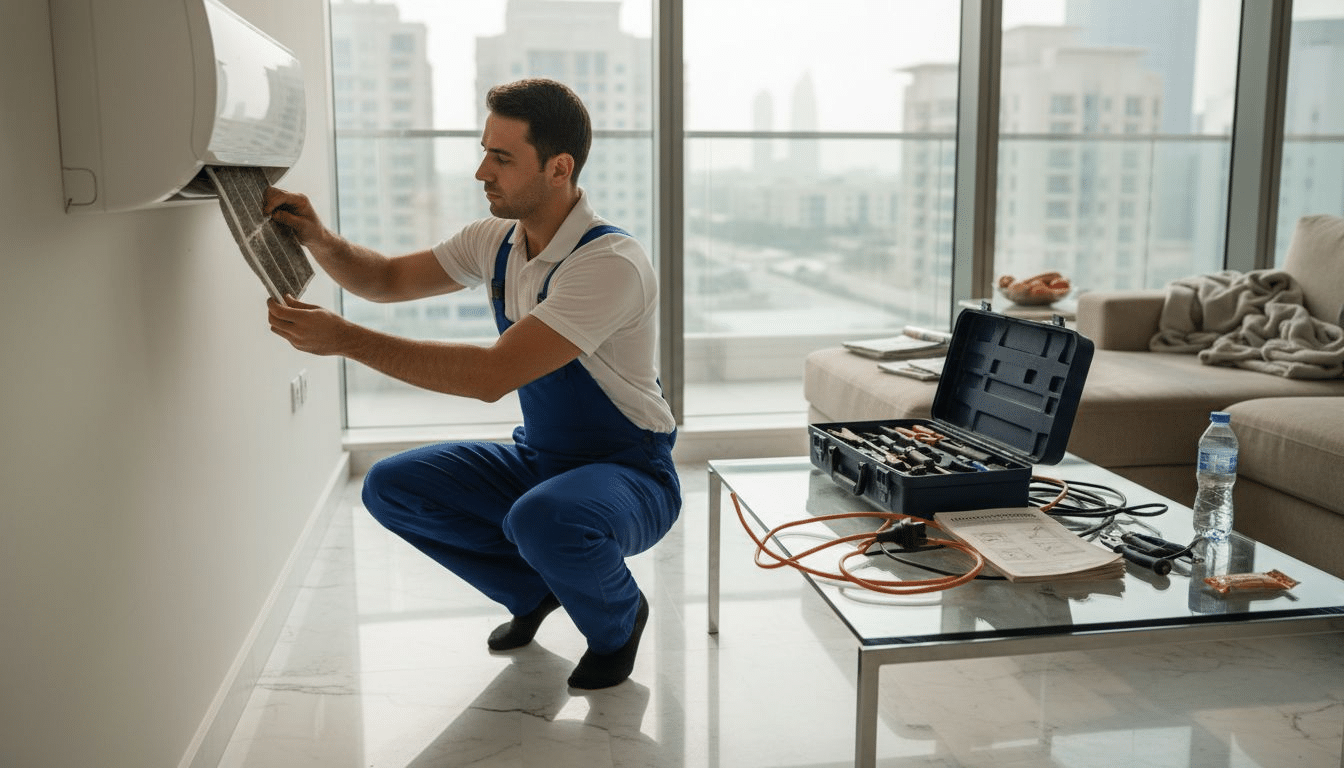
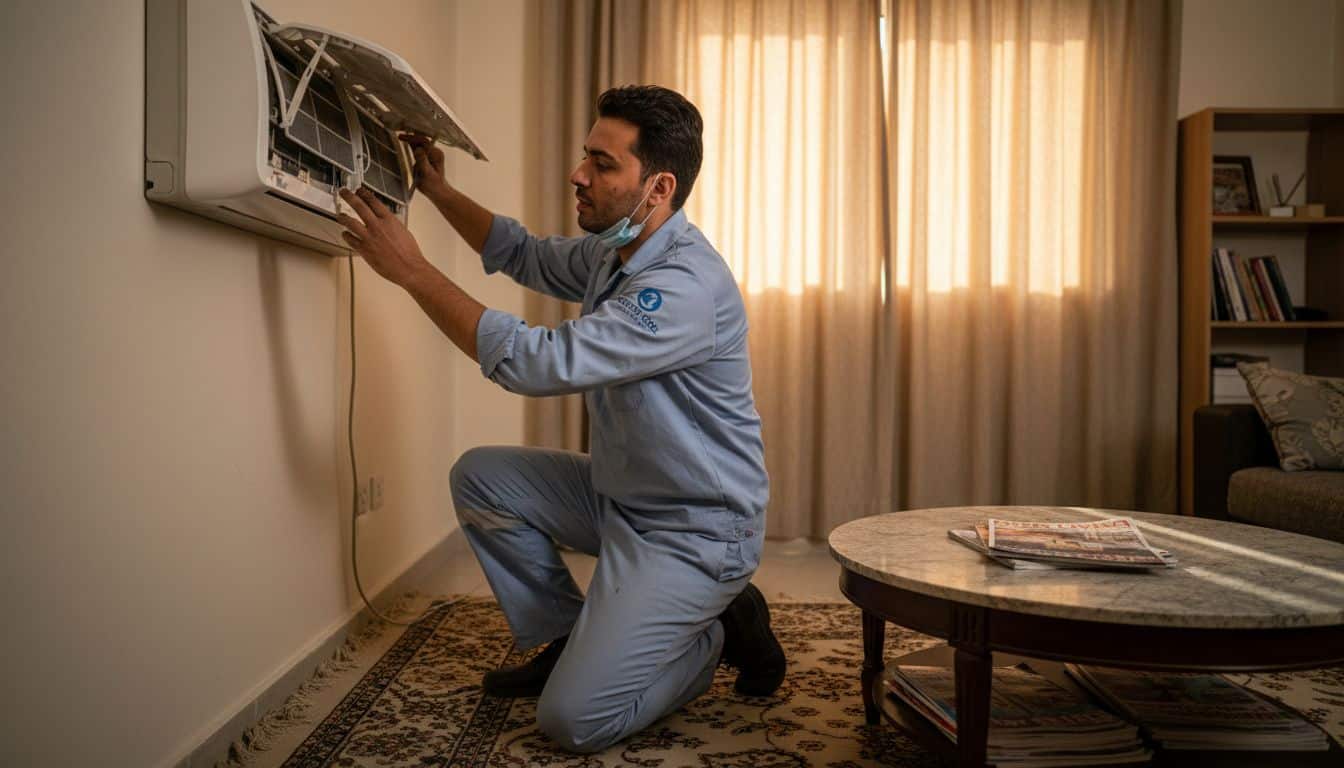
- Personal Protective Equipment (PPE): Wear appropriate PPE, including gloves and masks, to protect yourself and occupants.
- Manufacturer Guidelines: Follow the manufacturer’s guidelines for product usage and application.
- Post-Cleaning Verification: Verify that all chemicals have been properly diluted and applied before returning the AC system to use.
System Hygiene
Maintaining a clean and hygienic AC system is crucial for indoor air quality, especially in occupied spaces. By adhering to these best practices, you can ensure that your AC system operates efficiently without compromising the health of your occupants.
FAQ Section: Answers to Your Questions About Safe Chemicals
- Q1: What are some common signs that chemicals need to be used during AC cleaning?
-
Signs include the presence of mold, musty odors, and visible dust accumulation. Regular inspections can help identify these issues. Choosing Safe Chemicals For Occupied Spaces During Ac factors into this consideration.
- Q2: How often should I clean my AC system with chemicals?
-
It is recommended to perform a thorough cleaning every 6-12 months, depending on the usage and environment. High-dust environments may require more frequent cleanings.
- Q3: Are there any specific certifications I should look for when choosing chemicals?
-
Look for EPA approval or certification from organizations such as Green Seal or UL, which ensure the product meets environmental and safety standards. This relates directly to Choosing Safe Chemicals For Occupied Spaces During Ac.
Conclusion
In conclusion, selecting safe chemicals is a critical aspect of AC cleaning during occupied spaces. By choosing biodegradable, non-toxic products with low VOC levels and following best practices for application, you can ensure that your indoor air quality remains top-notch while minimizing health risks.

Leave a Reply