Post-Renovation Cleaning Checklist for Dubai Villas
There is a specific moment after a villa renovation when the contractors have left, the new finishes look pristine, and everything appears ready. What is not visible — and what many Dubai families discover weeks later — is the fine particulate matter, construction dust, and chemical residue that has settled into every surface, cavity, and air-handling component throughout the property. A thorough post-renovation cleaning checklist for Dubai villas addresses exactly that gap: the difference between a space that looks finished and one that is genuinely ready to live in.
Dubai’s construction activity, combined with sealed indoor environments and continuously operating air conditioning, creates a specific post-renovation contamination profile that is different from other climates. Construction materials — plaster, tile adhesive, paint, sealants, and gypsum board — release fine particulates and volatile compounds that circulate through HVAC systems and coat internal duct surfaces. Once the AC is running, those particles become airborne repeatedly until the system itself is properly cleaned. This is why the Post-Renovation Cleaning Checklist for Dubai villas must begin with the air system, not the floors.
This guide covers the full sequence: from HVAC decontamination through surface cleaning, drain and drainage inspection, final air quality verification, and the scheduling logic that prevents contamination from returning. Each stage is built around field observations from residential projects across Dubai’s villa communities, including properties in Arabian Ranches, Emirates Hills, Jumeirah, Mirdif, and Al Barsha, where renovation scope ranges from single-room refits to full structural overhauls.
Why Dubai Villas Need a Specialist Post-Renovation Cleaning Checklist
Standard post-renovation cleaning — sweeping, mopping, wiping surfaces — removes visible debris but leaves behind what matters most: the fine particulate layer that has penetrated grilles, settled on coil fins, coated duct interiors, and embedded into soft furnishings. In Dubai’s climate, where AC systems run for ten or more months of the year, this residue is recirculated continuously once the system restarts after renovation.
Construction dust in Dubai villas also contains specific compounds not common in other markets. Gypsum from drywalling, silica from tile cutting, calcium from cement work, and VOCs from paints and adhesives combine to create a post-renovation air signature that lingers well beyond the visible dust phase. Saniservice specialists frequently observe this contamination profile during post-renovation HVAC assessments, particularly in properties where the AC was left running during fit-out works to manage heat for tradespeople.
The post-renovation cleaning checklist for Dubai villas therefore functions as a structured decontamination programme rather than a cleaning exercise. Every component — air, surfaces, drains, water points — is addressed in sequence so that cleaning one area does not recontaminate another.
Step One in the Post-Renovation Cleaning Checklist for Dubai Villas — AC Duct Assessment
The HVAC system is always the first priority. Before any surface cleaning begins, the air-handling units, supply ducts, return air pathways, and all diffusers should be inspected for construction dust accumulation. In Dubai villas, ducted central systems or multi-split units with concealed cassettes are most common, and both configurations trap renovation particulates in ways that are not visible without proper inspection.
What Duct Inspection Reveals
A professional duct inspection using a camera or visual probe typically reveals layers of fine white or grey dust coating the interior walls of GI or flexible duct runs. In properties where tile or concrete cutting took place, silica-laden dust is commonly found packed into return air grilles and filter housings. This material is not removed by running the AC — it is dislodged by airflow and redistributed throughout the living space.
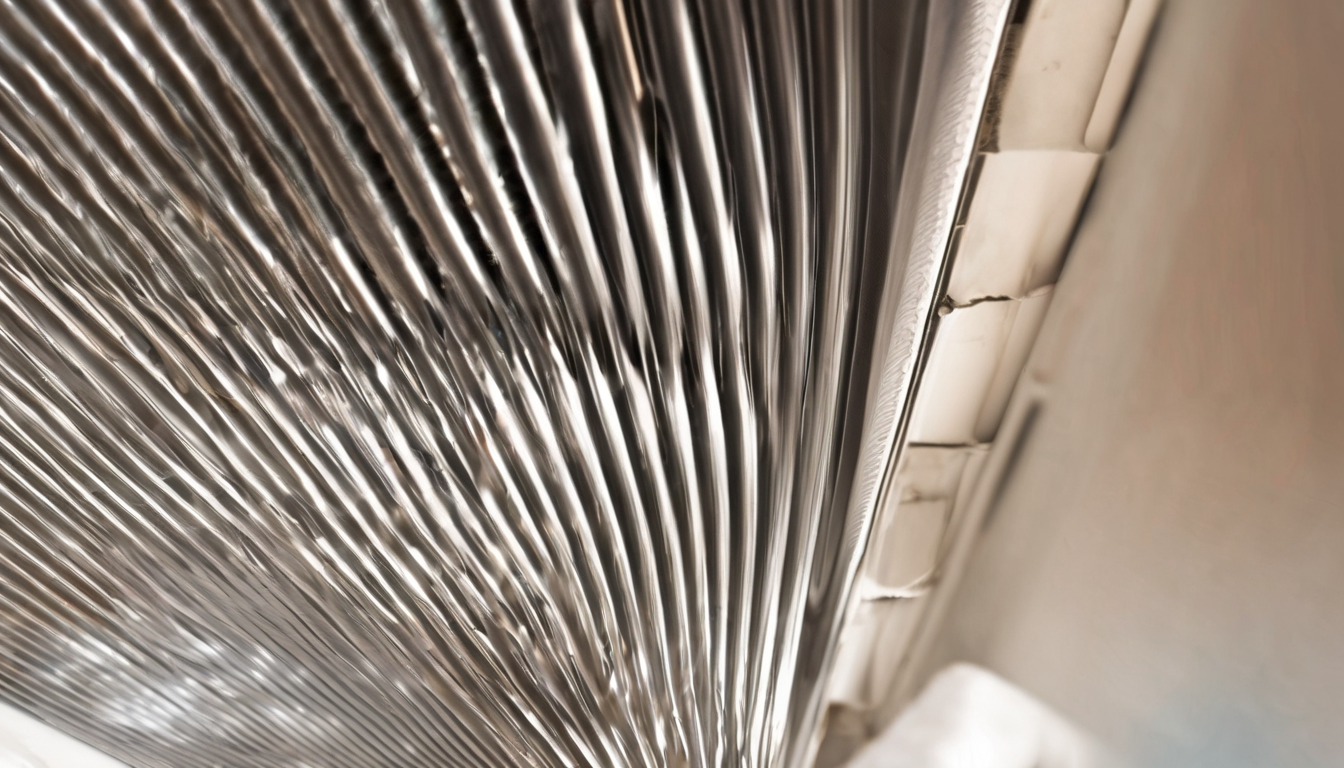
Saniservice assessments of post-renovation Dubai villas frequently identify construction particulates reaching the evaporator coil, where they create a surface layer that reduces heat exchange efficiency and, in humid summer conditions, promotes microbial activity. Catching this before the family moves back in is significantly more straightforward than addressing it once the system has been running for several weeks.
NADCA-Aligned Duct Cleaning Protocol
Post-renovation duct cleaning in Dubai villas should follow NADCA methodology: negative pressure containment to capture dislodged debris, mechanical agitation of duct interiors, HEPA-filtered vacuum extraction, and disinfection of internal duct surfaces. This approach ensures that construction particulates are removed and contained rather than redistributed. A post-cleaning inspection with camera documentation provides verifiable evidence that the system is clean before reinstatement.
Post-Renovation Cleaning Checklist for Dubai Villas — Coil and Drain Pan Service
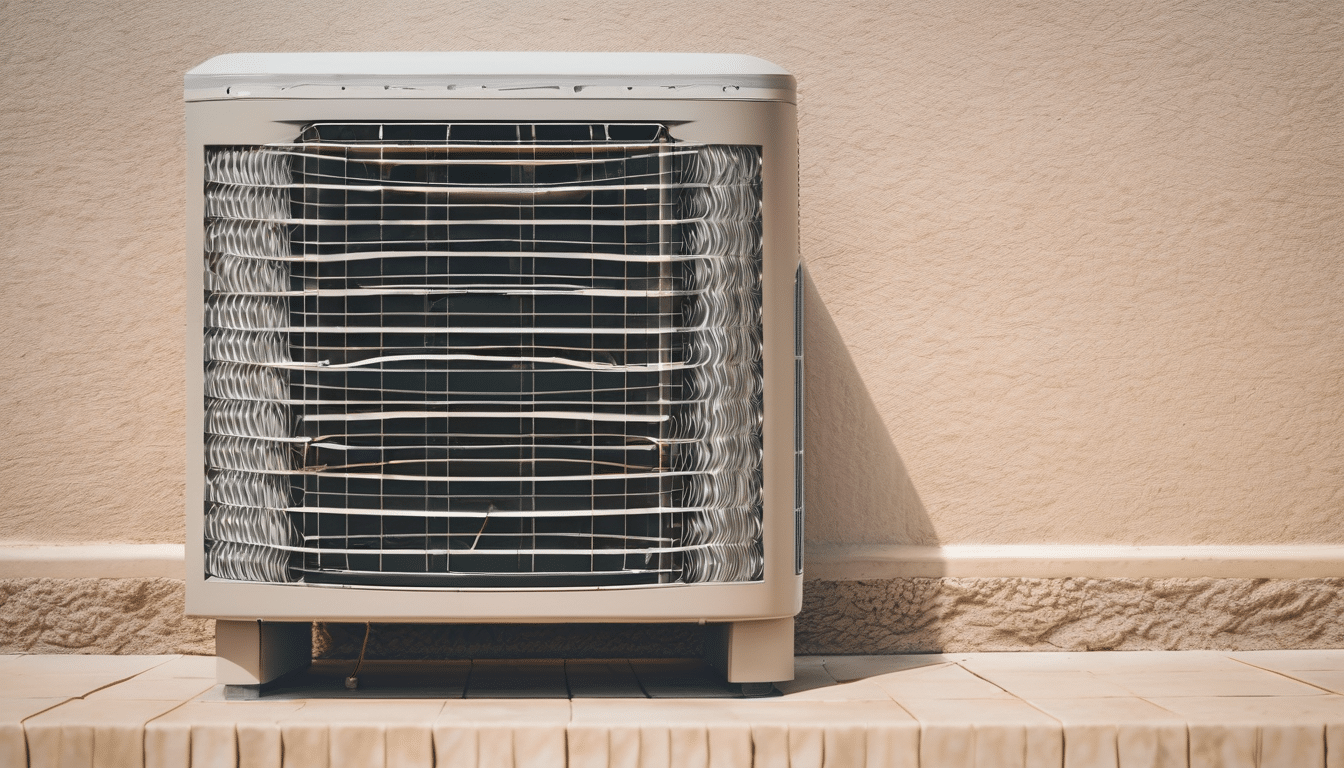
Evaporator coils accumulate construction dust differently from standard operational fouling. Fine particles bond to fin surfaces during the renovation period and, once the system restarts in Dubai’s humidity, begin to absorb moisture. The result is a compacted layer that reduces airflow, decreases cooling capacity, and creates the conditions for microbial growth on coil surfaces.
Coil cleaning as part of the post-renovation cleaning checklist for Dubai villas should involve pH-appropriate coil cleanser applied under controlled conditions, followed by thorough rinsing and inspection. Drain pans and condensate lines also require attention: construction debris commonly enters drain systems through open inspection panels, and partial blockages at this stage can cause water overflow issues once the villa is occupied and the system runs at full load during summer months.
Surface Decontamination Phase in the Villa Cleaning Checklist
Once the air system is clean and reinstated, surface decontamination can begin in the correct sequence. The principle is top-to-bottom, inside-to-outside: ceiling surfaces and light fittings first, then walls and vertical surfaces, then horizontal surfaces, then floors. This sequence ensures that debris dislodged from higher surfaces does not recontaminate areas already cleaned.
High-Dust Zones in Dubai Villas After Renovation
Field observations from post-renovation cleaning projects across Dubai identify several consistently high-accumulation zones. Cornices and ceiling junctions trap fine dust that drops onto furniture when disturbed. Built-in wardrobe interiors, kitchen cabinet interiors, and bathroom cabinet recesses accumulate construction residue that is easily missed in a surface wipe-down. Window tracks and door frame rebates in Dubai villas are particularly problematic because construction dust combines with desert dust infiltration to form a compacted layer that requires mechanical removal.
Treating Hard and Soft Surfaces
Hard surfaces — marble, porcelain tile, stone, and engineered wood — require cleaning agents matched to the material. Post-renovation residues from grout, adhesive, and paint splatter require targeted treatment rather than general-purpose cleaning, and the wrong chemistry on marble or limestone can cause permanent surface damage. Soft surfaces including carpets, curtains, and upholstered furniture should be HEPA-vacuumed before any wet treatment to prevent construction dust from being driven deeper into fibres.
Post-Renovation Cleaning Checklist for Dubai Villas — Water Systems and Drain Inspection
Plumbing work during renovation introduces specific risks to water quality that are easy to overlook. New pipework, fitting replacements, and tank access all create opportunities for construction debris to enter domestic water systems. Before reinstatement, all accessible water points should be flushed, and in Dubai villas with rooftop storage tanks, a tank inspection and clean is warranted after any construction activity that involved access to roof areas.
Shower drains, bathroom floor drains, and kitchen waste outlets should be checked for construction debris accumulation that can cause slow drainage and odour after occupancy. This is a commonly overlooked step in the post-renovation cleaning checklist for Dubai villas, but it is one that generates significant complaints in the first weeks after a family moves back in.
Indoor Air Quality Verification After Post-Renovation Cleaning
The final stage of the post-renovation cleaning checklist for Dubai villas is air quality verification. This step distinguishes a professional decontamination service from a standard cleaning exercise. After all cleaning and disinfection work is complete, indoor air quality testing measures particulate levels, VOC concentrations, and microbial counts to confirm that the indoor environment is within acceptable parameters for reoccupation.
Saniservice’s microbiology laboratory capability supports this step with culture-based and particle count analysis that provides documented evidence of cleaning efficacy. For families with children, allergy conditions, or respiratory sensitivities, this documentation offers genuine certainty — not just the visual impression that the property looks clean. In Dubai’s real estate market, air quality documentation after renovation is increasingly requested by tenants and property managers as a condition of handover.
Scheduling Logic for the Post-Renovation Cleaning Checklist for Dubai Villas
Timing matters as much as sequence. The post-renovation cleaning checklist for Dubai villas should not begin until all construction trades have fully vacated and no further work is planned. Starting the process while snagging work continues recontaminates cleaned areas and wastes resources. A minimum period of 24 to 48 hours after the final trade has left allows airborne particulates to settle before cleaning begins.
For larger Dubai villas — four bedrooms and above — the full decontamination process typically requires multiple days to complete properly. Attempting to compress this into a single session results in corners being cut, particularly in the HVAC and water systems phases where thoroughness directly affects occupant health. Scheduling the post-renovation cleaning checklist for Dubai villas with appropriate lead time before the family moves back in is the single most important logistical decision in the entire process.
Expert Takeaways from the Post-Renovation Cleaning Checklist for Dubai Villas
- Always begin with the HVAC system before any surface cleaning — a clean system will not recontaminate cleaned surfaces during operation.
- Request camera documentation from duct cleaning to verify internal cleanliness, not just technician sign-off.
- Match cleaning chemistry to surface materials — post-renovation residues require targeted treatment, not general-purpose products.
- Flush all water points and inspect drain systems before reoccupation, particularly after any plumbing work during renovation.
- Include indoor air quality verification as a final step — it confirms the work is complete and provides documentation for future reference.
- Schedule the full cleaning process to finish at least 48 hours before furniture is moved back in, allowing residual VOCs from cleaning agents to dissipate with ventilation.
- In Dubai’s summer months (June through September), post-renovation cleaning should prioritise humidity-affected areas including drain pans and condensate systems, as these are most vulnerable to rapid microbial growth if not treated promptly.
Frequently Asked Questions
How long does post-renovation cleaning take for a Dubai villa?
The duration depends on villa size, renovation scope, and system complexity. A standard four-bedroom Dubai villa typically requires two to three days for a complete post-renovation cleaning process that includes HVAC decontamination, surface treatment, and water system checks. Larger properties or those with extensive duct networks may require additional time. A professional assessment determines exact scope before work begins.
Why must AC duct cleaning come first in the post-renovation cleaning checklist for Dubai villas?
If surface areas are cleaned before the AC ducts, the system will redistribute construction dust through the property once it is switched on, recontaminating already-cleaned surfaces. Beginning with the HVAC system — and keeping it off until ducts are clean — ensures that air quality is addressed at the source before the rest of the post-renovation cleaning checklist for Dubai villas proceeds.
Is post-renovation air quality testing necessary in Dubai?
For families with children, elderly occupants, or anyone with respiratory sensitivities, indoor air quality testing after renovation provides verifiable confirmation that particulate levels and VOC concentrations are within acceptable parameters. Dubai property managers and handover teams increasingly request this documentation as a condition of reoccupation, and it provides peace of mind that visual inspection alone cannot offer.
What construction materials create the most dust contamination in Dubai villa renovations?
Tile and stone cutting, gypsum board installation, plaster application, and cement work generate the highest volumes of fine particulates in Dubai villa renovations. These materials produce respirable particle sizes that remain suspended in air for extended periods and penetrate deeply into HVAC systems. Silica from tile cutting is a particular concern that professional post-renovation cleaning protocols are specifically designed to address.
How soon after renovation can a Dubai villa be reoccupied?
A Dubai villa should not be reoccupied until the full post-renovation cleaning checklist for Dubai villas has been completed, including HVAC decontamination, surface cleaning, drain inspection, and air quality verification. A minimum of 48 hours after cleaning is completed allows ventilation to clear residual VOCs from cleaning agents and disinfectants before the family returns.
Does post-renovation cleaning in Dubai differ from standard deep cleaning?
Yes, significantly. Standard deep cleaning addresses surface soiling from normal occupancy. Post-renovation cleaning in Dubai addresses a specific contamination profile — construction dust, chemical residues, VOCs, and HVAC system fouling — that requires specialist equipment, chemistry matched to renovation materials, and air system decontamination that standard cleaning services do not include.
What should I check before hiring a post-renovation cleaning company for my Dubai villa?
Confirm that the company includes HVAC duct cleaning with NADCA-aligned methodology, uses HEPA-filtered extraction equipment, provides camera documentation of duct interiors before and after cleaning, and offers post-cleaning air quality verification. For Dubai villa renovations, a company with its own laboratory capability provides the most reliable evidence that the post-renovation cleaning checklist for Dubai villas has been completed to a measurable standard.
The moment a renovated Dubai villa is ready to live in fully is not when the last trade has left — it is when the air, surfaces, and systems have been properly decontaminated and verified. The post-renovation cleaning checklist for Dubai villas described here is the process that gets a property to that point. To understand what scope applies to your specific property, Saniservice specialists can conduct a pre-cleaning assessment and outline a complete decontamination plan. See what your villa’s air quality looks like before your family moves back in.