


Safe Cleaning Schedules to Protect Indoor Air Quality Guide
Safe Cleaning Schedules to protect indoor air quality are systematically planned cleaning routines that strategically time cleaning activities to minimise chemical exposure and airborne contamination whilst maintaining necessary hygiene standards. These schedules coordinate cleaning tasks with occupancy patterns, ventilation cycles, and air quality monitoring to ensure that cleaning activities enhance rather than compromise indoor environmental health.
In Dubai’s climate-controlled environments, where air conditioning systems operate continuously throughout the year, safe cleaning schedules become particularly critical. The enclosed nature of these spaces means that any cleaning-related air quality impacts are concentrated and prolonged. Educational facilities, nurseries, and commercial buildings require especially careful scheduling to protect vulnerable occupants from chemical exposure whilst maintaining the cleanliness essential for health and comfort. This relates directly to Safe Cleaning Schedules To Protect Indoor Air Quality.
Understanding how cleaning activities affect indoor air quality enables facility managers to develop schedules that protect occupant health whilst achieving cleaning objectives. This approach transforms routine maintenance from a potential air quality risk into a carefully managed process that supports overall environmental wellness.
Understanding Safe Cleaning Schedules to Protect Indoor Air Quality
Contents
- 1 Understanding Safe Cleaning Schedules to Protect Indoor Air Quality
- 2 Safe Cleaning Schedules To Protect Indoor Air Quality – Timing Cleaning Activities for Optimal Air Quality
- 3 Ventilation Coordination with Safe Cleaning Schedules
- 4 Safe Cleaning Schedules to Protect Indoor Air Quality in Schools
- 5 Air Quality Monitoring During Scheduled Cleaning
- 6 Product Selection for Safe Cleaning Schedules
- 7 Staff Training for Safe Cleaning Schedules Implementation
- 8 Compliance Standards for Safe Cleaning Schedules
Safe cleaning schedules to protect indoor air quality operate on the principle that timing and coordination can eliminate many air quality risks associated with cleaning activities. These schedules consider multiple factors including occupancy patterns, ventilation effectiveness, chemical dwell times, and air exchange rates to create cleaning windows that minimise exposure risks.
The foundation of effective safe cleaning schedules lies in understanding how cleaning products and activities affect air composition. Chemical disinfectants release volatile organic compounds that can accumulate in enclosed spaces, whilst dust-disturbing activities temporarily increase particulate levels. By scheduling these activities during low-occupancy periods and coordinating with enhanced ventilation, facilities can maintain hygiene standards without compromising air quality.
In Dubai’s continuously air-conditioned environments, safe cleaning schedules must account for recirculated air systems that can distribute cleaning-related contaminants throughout buildings. This requires careful coordination between cleaning activities and HVAC operations to ensure that cleaning-related emissions are effectively removed rather than circulated.
Core Components of Safe Cleaning Schedules
Effective safe cleaning schedules integrate several essential components that work together to protect indoor air quality. Occupancy mapping identifies periods of low or zero occupancy when cleaning activities can occur with minimal human exposure. Ventilation coordination ensures adequate air exchange during and after cleaning activities to remove airborne contaminants.
Chemical management protocols specify appropriate products for different areas and times, considering factors such as chemical volatility, required contact time, and ventilation requirements. Air quality monitoring provides real-time feedback on the effectiveness of scheduling decisions and enables adjustments based on actual conditions rather than assumptions. When considering Safe Cleaning Schedules To Protect Indoor Air Quality, this becomes clear.
Documentation and tracking systems ensure that safe cleaning schedules are consistently followed and enable continuous improvement based on air quality outcomes and occupant feedback.
Safe Cleaning Schedules To Protect Indoor Air Quality – Timing Cleaning Activities for Optimal Air Quality
Strategic timing forms the cornerstone of safe cleaning schedules to protect indoor air quality, requiring careful analysis of building usage patterns and environmental conditions. Optimal cleaning windows typically occur during periods of minimal occupancy, allowing sufficient time for air quality to stabilise before spaces are reoccupied.
Evening and early morning hours often provide ideal cleaning windows for commercial buildings and schools, when occupancy is minimal and HVAC systems can be operated at higher ventilation rates without affecting occupant comfort. Weekend scheduling allows for deeper cleaning activities that might require extended ventilation periods or stronger cleaning products.
In Dubai’s climate, where outdoor air quality can vary significantly due to dust storms or high humidity, safe cleaning schedules must incorporate weather monitoring to avoid scheduling high-emission cleaning activities during periods when ventilation effectiveness is reduced.
Occupancy-Based Scheduling
Understanding occupancy patterns enables facility managers to create safe cleaning schedules that minimise human exposure to cleaning-related air quality impacts. Schools and nurseries require particularly careful scheduling to avoid exposing children to chemical residues or airborne cleaning byproducts.
Different areas within facilities have varying occupancy patterns that influence optimal cleaning times. High-traffic areas may require daily cleaning but during off-peak hours, whilst less frequently used spaces can be cleaned during normal occupancy periods using low-emission products and techniques.
Coordination with facility schedules ensures that cleaning activities don’t conflict with important activities or create air quality issues during critical periods such as examinations or presentations. The importance of Safe Cleaning Schedules To Protect Indoor Air Quality is evident here.
<h2 id="chemical-exposure-prevention“>Chemical Exposure Prevention in Safe Cleaning Schedules
Safe cleaning schedules to protect indoor air quality prioritise chemical exposure prevention through strategic timing, product selection, and ventilation coordination. Understanding the behaviour of cleaning chemicals in indoor environments enables scheduling decisions that minimise occupant exposure whilst maintaining cleaning effectiveness.
Volatile cleaning products require extended ventilation periods and should be scheduled during times when spaces will remain unoccupied for several hours. Water-based and low-emission products can be used during occupied periods with appropriate ventilation measures. Heavy-duty chemicals and disinfectants require scheduling during extended unoccupied periods with enhanced ventilation.
Dwell time management ensures that chemical products have adequate contact time to achieve their intended purpose whilst being removed from the air before reoccupancy. This requires coordination between cleaning application, ventilation operation, and facility scheduling.
Chemical Emission Management
Different cleaning products have varying emission profiles that influence their appropriate use within safe cleaning schedules. High-emission products such as solvent-based cleaners and strong disinfectants require scheduling during extended unoccupied periods with maximum ventilation rates.
Medium-emission products can be used during shorter unoccupied periods but require adequate ventilation time before reoccupancy. Low-emission products, including many green cleaning alternatives, can be incorporated into occupied-period cleaning with standard ventilation rates.
Product rotation schedules prevent the accumulation of specific chemical residues whilst maintaining cleaning effectiveness across different facility areas and cleaning requirements.
Ventilation Coordination with Safe Cleaning Schedules
Effective safe cleaning schedules to protect indoor air quality require seamless coordination between cleaning activities and ventilation system operation. HVAC systems must be programmed to provide enhanced ventilation during cleaning periods and sufficient air exchange afterwards to remove chemical residues and restore air quality.
Pre-cleaning ventilation helps establish optimal air exchange rates before cleaning begins, whilst post-cleaning ventilation ensures complete removal of airborne contaminants. Extended ventilation periods may be required for certain cleaning products or activities that generate significant airborne emissions.
In Dubai’s climate-controlled environments, coordination between cleaning schedules and HVAC operation must balance air quality protection with energy efficiency. Smart scheduling can utilise lower outdoor temperatures during early morning or evening hours to reduce the energy cost of increased ventilation rates.
HVAC System Programming
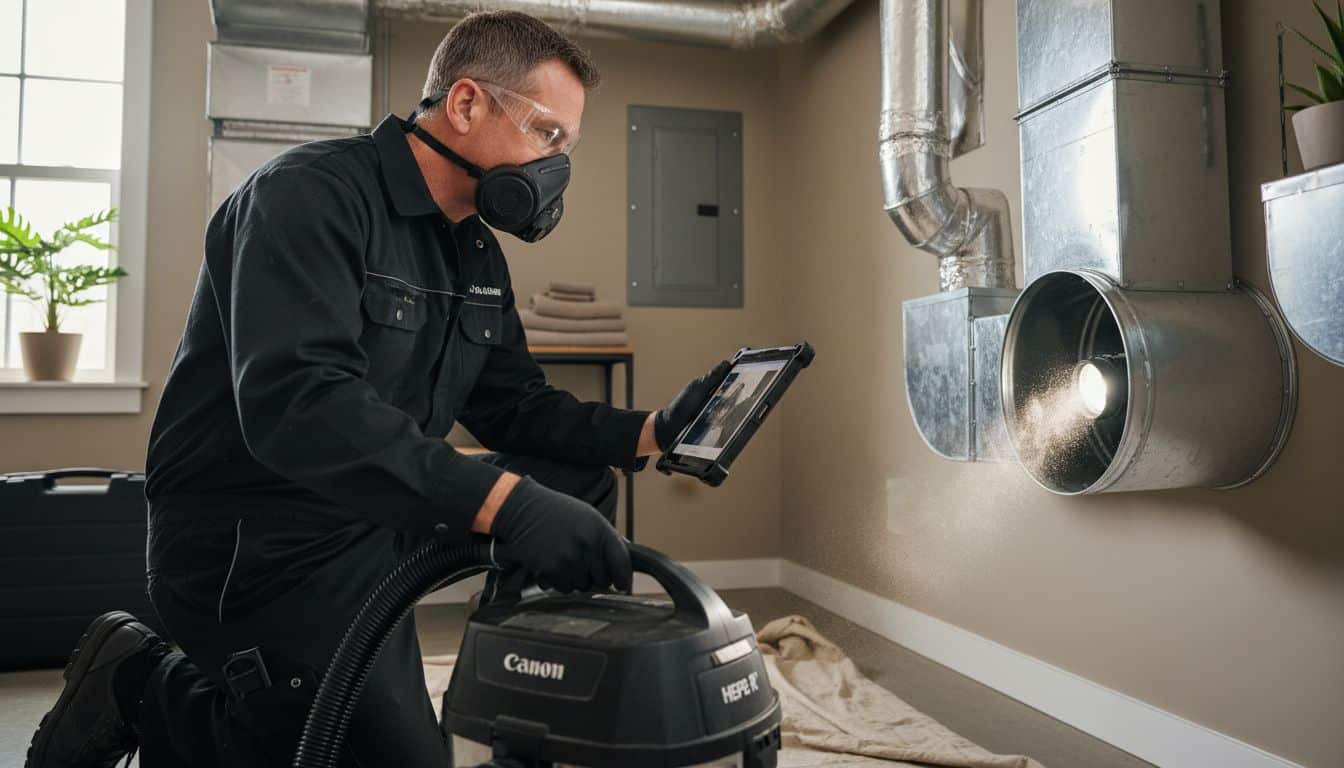
Modern HVAC systems can be programmed to automatically adjust ventilation rates during scheduled cleaning periods, ensuring optimal air exchange without manual intervention. These systems can increase outdoor air intake and extend operation periods to support safe cleaning schedules.
Air filtration systems require regular maintenance to ensure effectiveness during cleaning periods when they experience increased loading from cleaning-related particulates and chemical emissions. Enhanced filtration may be required during certain cleaning activities.
Humidity control during cleaning activities prevents moisture-related air quality issues whilst ensuring that cleaning products function effectively within their specified environmental parameters.
Safe Cleaning Schedules to Protect Indoor Air Quality in Schools
Educational facilities require specially designed safe cleaning schedules to protect indoor air quality due to the vulnerability of child occupants and the high-use nature of school environments. Children’s developing respiratory systems and increased breathing rates per body weight make them particularly susceptible to cleaning-related air quality impacts.
School safe cleaning schedules must accommodate educational activities, after-school programmes, and weekend events whilst ensuring that cleaning activities don’t compromise air quality during occupied periods. Deep cleaning activities are typically scheduled during holiday periods when extended ventilation times are available. Understanding Safe Cleaning Schedules To Protect Indoor Air Quality helps with this aspect.
Nursery environments require even more stringent safe cleaning schedules due to the extreme vulnerability of infant occupants. Crawling children have increased exposure to surface residues, whilst their immature respiratory systems are more susceptible to airborne chemical exposure.
Child-Specific Considerations
Children’s behavioural patterns influence the design of safe cleaning schedules in educational environments. Hand-to-mouth behaviour increases exposure to surface cleaning residues, requiring extended dwell times for chemical removal after cleaning activities.
Sleep areas in nurseries and childcare facilities require careful scheduling to ensure complete air quality restoration before nap times. Play areas need thorough ventilation after cleaning to prevent inhalation exposure during active play periods.
Art and science classrooms may require modified safe cleaning schedules due to the presence of additional chemical sources that could interact with cleaning products to create air quality issues.
Air Quality Monitoring During Scheduled Cleaning
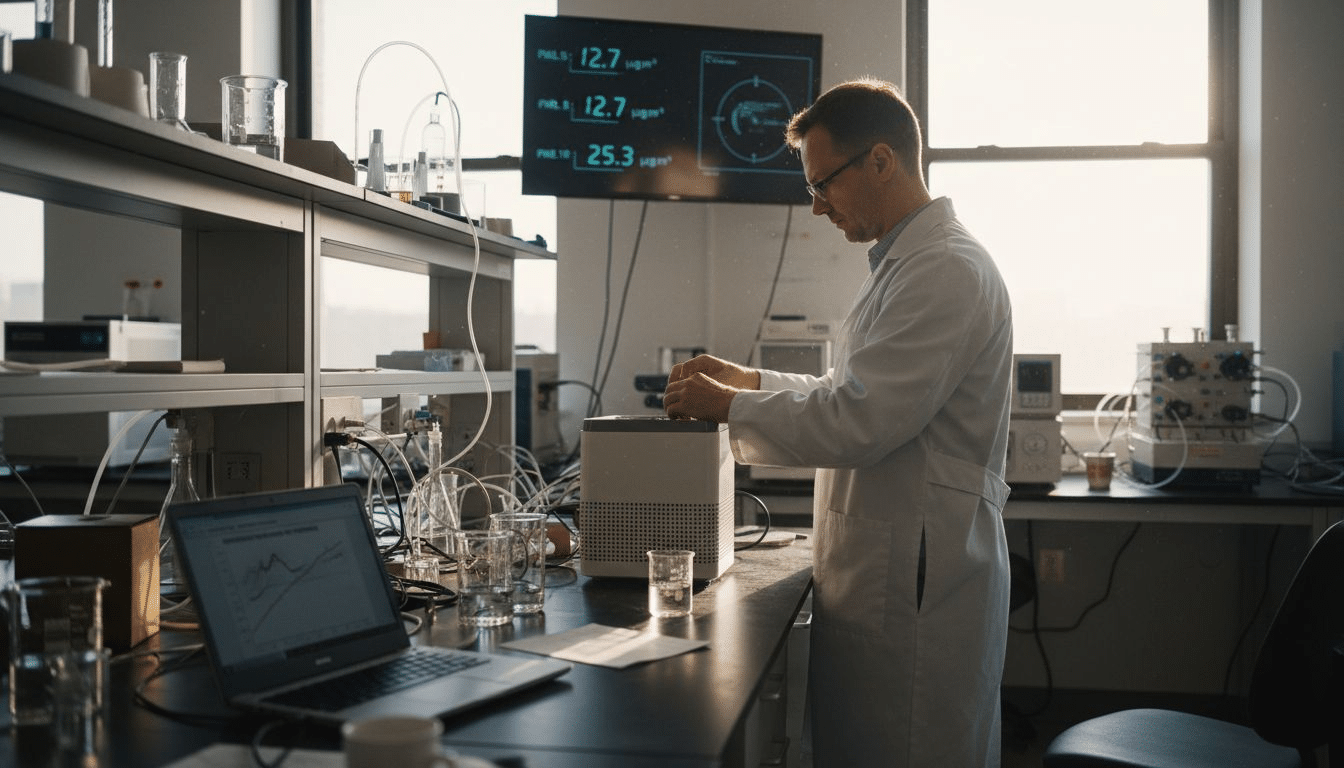
Continuous air quality monitoring provides essential feedback for optimising safe cleaning schedules to protect indoor air quality. Real-time monitoring enables immediate adjustments to cleaning procedures or ventilation rates if air quality parameters exceed acceptable levels during cleaning activities.
Key monitoring parameters include volatile organic compounds, particulate matter, carbon dioxide levels, and specific chemical indicators relevant to the cleaning products being used. Baseline measurements before cleaning activities provide reference points for evaluating the effectiveness of safe cleaning schedules.
Post-cleaning monitoring ensures that air quality has returned to acceptable levels before reoccupancy, providing verification that safe cleaning schedules are achieving their intended air quality protection objectives. Safe Cleaning Schedules To Protect Indoor Air Quality factors into this consideration.
Monitoring Technology Integration
Modern air quality monitoring systems can be integrated with facility management systems to automatically adjust cleaning schedules based on real-time conditions. These systems can delay cleaning activities during poor outdoor air quality periods or extend ventilation times based on measured indoor air quality recovery rates.
Alert systems notify facility managers when air quality parameters exceed predetermined thresholds during cleaning activities, enabling immediate corrective action. Data logging provides historical records for evaluating and refining safe cleaning schedules over time.
Mobile monitoring units enable air quality assessment in different facility areas during cleaning activities, providing comprehensive coverage of the building environment.
Product Selection for Safe Cleaning Schedules
Product selection significantly influences the design and effectiveness of safe cleaning schedules to protect indoor air quality. Low-emission cleaning products enable more flexible scheduling with shorter ventilation requirements, whilst high-emission products require careful timing and extended air quality recovery periods.
Green cleaning products with reduced volatile organic compound content can be incorporated into occupied-period cleaning routines within safe cleaning schedules. Traditional products may require night or weekend scheduling with extended ventilation periods to achieve equivalent air quality protection.
Product effectiveness must be balanced with air quality impacts when developing safe cleaning schedules. Some situations may require stronger products during extended unoccupied periods rather than more frequent applications of milder products that could create cumulative air quality impacts.
Product Classification Systems
Systematic product classification based on emission profiles enables appropriate scheduling within safe cleaning schedules. Class A products with minimal emissions can be used during normal occupancy with standard ventilation. Class B products require unoccupied periods with enhanced ventilation. This relates directly to Safe Cleaning Schedules To Protect Indoor Air Quality.
Class C products, typically including heavy-duty disinfectants and speciality cleaners, require extended unoccupied periods with maximum ventilation rates. Emergency cleaning protocols specify appropriate products for immediate cleaning needs that may not align with standard safe cleaning schedules.
Inventory management ensures that appropriate products are available for different scheduling scenarios whilst minimising storage of high-emission products that could contribute to background air quality degradation.
Staff Training for Safe Cleaning Schedules Implementation
Comprehensive staff training ensures effective implementation of safe cleaning schedules to protect indoor air quality. Training programmes must cover the relationship between cleaning activities and air quality, proper product selection and application, and coordination with ventilation systems.
Staff must understand the importance of adhering to scheduled cleaning windows and the potential air quality consequences of deviating from established safe cleaning schedules. Practical training includes proper product dilution, application techniques that minimise airborne emissions, and equipment maintenance that supports air quality objectives.
Emergency protocols enable staff to respond appropriately when cleaning activities must occur outside normal safe cleaning schedules, including enhanced ventilation measures and air quality monitoring procedures.
Ongoing Education Requirements
Regular training updates ensure that staff remain informed about new products, techniques, and air quality research that could improve safe cleaning schedules. Seasonal training addresses specific challenges such as dust storm periods or high humidity conditions that affect cleaning and air quality in Dubai.
Performance monitoring identifies training needs and ensures that safe cleaning schedules are being implemented correctly. Feedback systems enable staff to contribute observations that could improve schedule effectiveness. When considering Safe Cleaning Schedules To Protect Indoor Air Quality, this becomes clear.
Certification programmes provide formal recognition of staff competency in implementing safe cleaning schedules whilst ensuring consistent application across different facilities and cleaning teams.
Compliance Standards for Safe Cleaning Schedules
Safe cleaning schedules to protect indoor air quality must comply with relevant health and safety regulations whilst meeting facility-specific requirements for cleanliness and hygiene. UAE health regulations provide minimum standards for indoor air quality in educational and commercial facilities.
International standards such as those from the World Health Organisation and American Society of Heating, Refrigerating and Air-Conditioning Engineers provide guidance for developing safe cleaning schedules that protect occupant health. Industry-specific guidelines address particular requirements for healthcare facilities, schools, and commercial buildings.
Documentation requirements ensure that safe cleaning schedules are properly implemented and provide evidence of compliance during inspections or audits. Regular review and updating of schedules ensures continued compliance as regulations and standards evolve.
Regulatory Framework
UAE environmental regulations establish air quality standards that safe cleaning schedules must support. Ministry of Health guidelines provide specific requirements for cleaning in healthcare and educational facilities.
Dubai Municipality regulations address indoor air quality in commercial buildings and specify requirements for ventilation during cleaning activities. Building codes may include provisions for HVAC system operation that support safe cleaning schedules.
Professional standards from cleaning industry associations provide best practice guidance for developing and implementing safe cleaning schedules whilst maintaining cleaning effectiveness and efficiency. The importance of Safe Cleaning Schedules To Protect Indoor Air Quality is evident here.
Effective safe cleaning schedules to protect indoor air quality represent a sophisticated approach to facility maintenance that prioritises occupant health without compromising cleanliness standards. These schedules require careful coordination of timing, products, ventilation, and monitoring to achieve optimal outcomes.
Success depends on understanding the relationship between cleaning activities and air quality, selecting appropriate products and techniques, and maintaining consistent implementation through proper training and monitoring. In Dubai’s unique climate conditions, safe cleaning schedules must account for continuous air conditioning and potential outdoor air quality variations.
The investment in developing and implementing safe cleaning schedules pays dividends in improved occupant health, reduced liability exposure, and enhanced facility reputation. As awareness of indoor air quality impacts continues to grow, safe cleaning schedules become increasingly important for responsible facility management. Understanding Safe Cleaning Schedules To Protect Indoor Air Quality is key to success in this area.

Leave a Reply