

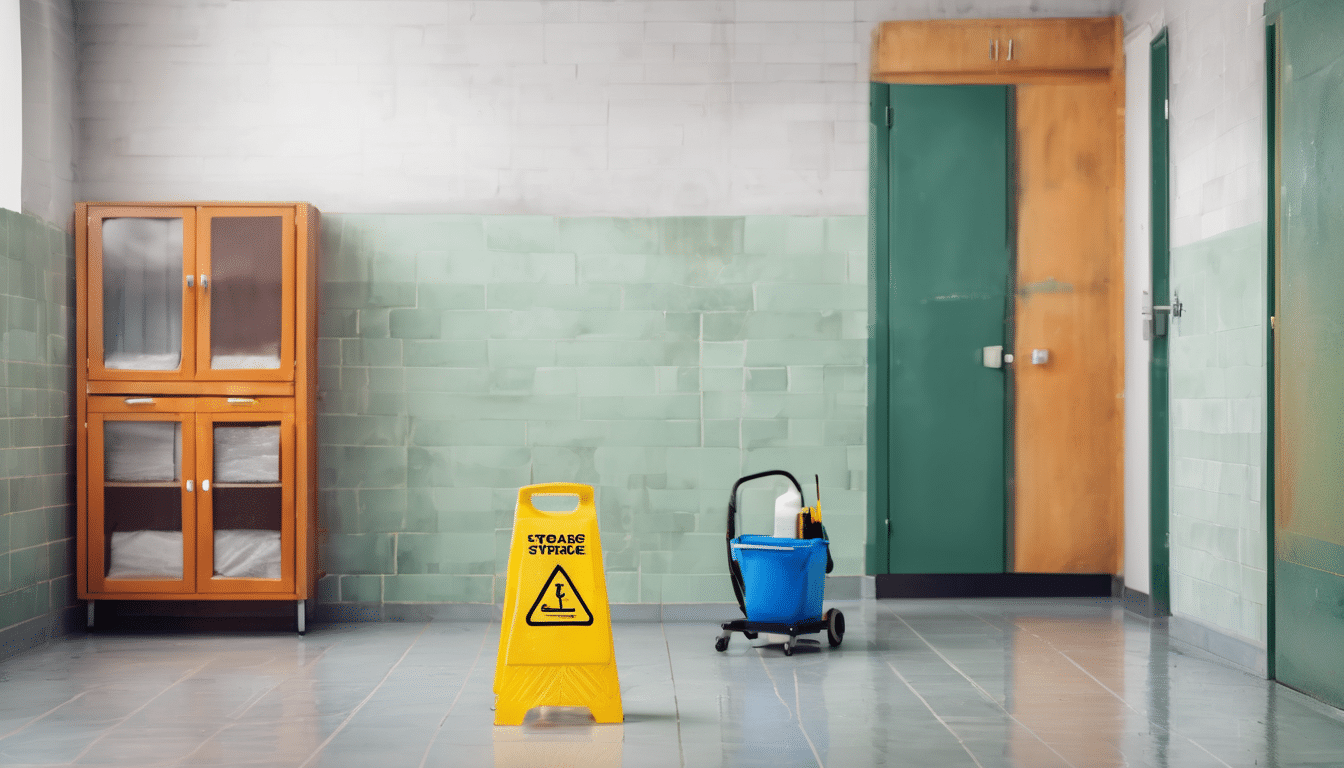
Mold Prevention in School Cleaning Storage Areas UAE Guide
School cleaning storage areas represent critical yet often overlooked spaces that can significantly impact indoor air quality throughout educational facilities. In the UAE’s challenging climate, where humidity levels fluctuate dramatically and air conditioning systems operate continuously, Mold Prevention in school cleaning storage areas becomes essential for maintaining healthy learning environments. These confined spaces, typically housing chemical cleaning supplies, equipment, and materials, create ideal conditions for mold growth when proper preventive measures are not implemented.
Educational facilities across Dubai, Abu Dhabi, and other Emirates must address the unique environmental factors that contribute to mold development in storage areas. The combination of moisture from cleaning activities, poor ventilation, and organic materials provides the perfect breeding ground for various mold species. Understanding how to effectively prevent mold growth in these spaces protects not only the stored supplies but also the broader school environment and the health of students and staff. This relates directly to Mold Prevention In School Cleaning Storage Areas.
Mold Prevention In School Cleaning Storage Areas – Understanding Mold Risks in School Storage Areas
Contents
- 1 Mold Prevention In School Cleaning Storage Areas – Understanding Mold Risks in School Storage Areas
- 2 Mold Prevention In School Cleaning Storage Areas – UAE Climate Challenges for Mold Prevention
- 3 Mold Prevention In School Cleaning Storage Areas – Proper Ventilation Systems for Storage Areas
- 4 Moisture Control Strategies in School Cleaning Storage Areas
- 5 Storage Organisation and Prevention Techniques
- 6 Regular Inspection and Monitoring Protocols
- 7 Chemical Storage and Air Quality Considerations
- 8 Maintenance Schedules for Long-term Prevention
- 9 Staff Training and Awareness Programs
Mold prevention in school cleaning storage areas begins with recognising the specific risk factors present in these confined spaces. School storage areas typically contain multiple organic materials that serve as food sources for mold, including cardboard boxes, paper towels, wooden shelving, and fabric cleaning cloths. When these materials encounter moisture, they create ideal conditions for mold spore germination and colony development.
The health implications of mold growth in school cleaning storage areas extend beyond the immediate space. Mold spores can easily spread through air circulation systems, contaminating classrooms, corridors, and other areas where children spend their days. Students with asthma, allergies, or compromised immune systems face particular risks when exposed to airborne mold spores originating from poorly maintained storage areas.
Temperature fluctuations common in UAE schools compound mold risks. When air-conditioned storage areas experience temperature variations, condensation forms on surfaces, providing the moisture necessary for mold growth. This phenomenon occurs frequently in storage areas located near external walls or in buildings with inconsistent climate control systems.
Common Mold Species in Storage Environments
Educational facilities in Dubai and Abu Dhabi commonly encounter specific mold species in storage areas. Aspergillus species thrive in dust-rich environments with moderate moisture levels, often appearing as green or black patches on stored materials. Penicillium species prefer cooler, humid conditions and frequently develop on paper products and cardboard packaging.
Cladosporium species adapt well to varying moisture levels and often establish colonies on textiles and wooden surfaces. These molds can produce allergens and irritants that affect Indoor Air Quality throughout the school. Understanding these species helps facility managers implement targeted prevention strategies for mold prevention in school cleaning storage areas.
Mold Prevention In School Cleaning Storage Areas – UAE Climate Challenges for Mold Prevention
The UAE’s unique climate presents specific challenges for mold prevention in school cleaning storage areas. High outdoor humidity levels, particularly during summer months, create constant moisture pressure that infiltrates buildings through various pathways. When this humid air encounters cooler air-conditioned spaces, condensation occurs on surfaces, providing ideal conditions for mold development.
Coastal areas like Dubai and Abu Dhabi experience additional humidity from maritime influences. Schools located near the coast must address higher baseline humidity levels that persist throughout the year. This consistent moisture challenge requires robust ventilation and dehumidification strategies specifically designed for the regional climate.
Desert dust infiltration compounds humidity challenges in UAE schools. Fine sand particles carry moisture and organic matter that can support mold growth when they accumulate in storage areas. The combination of dust, humidity, and poor ventilation creates perfect conditions for mold colonies to establish and spread. When considering Mold Prevention In School Cleaning Storage Areas, this becomes clear.
Seasonal Considerations
Summer months from June through September present the greatest challenges for mold prevention in school cleaning storage areas. Humidity levels often exceed 80% outdoors, creating significant moisture pressure on building envelopes. Storage areas without proper climate control quickly develop condensation problems during these peak humidity periods.
Winter months offer some relief but require different strategies. Lower humidity levels may create false confidence, but poor ventilation and temperature fluctuations still support mold growth. Facility managers must maintain consistent prevention protocols year-round to effectively control mold risks in storage environments.
Mold Prevention In School Cleaning Storage Areas – Proper Ventilation Systems for Storage Areas
Effective ventilation forms the foundation of successful mold prevention in school cleaning storage areas. Mechanical ventilation systems should provide continuous air exchange rates of at least 6-8 air changes per hour in storage areas containing cleaning supplies. This rate ensures adequate removal of moisture and chemical vapours that can contribute to mold growth.
Exhaust ventilation systems must create negative pressure relative to adjacent spaces, preventing contaminated air from migrating into classrooms and corridors. Properly designed systems include dedicated exhaust fans connected to exterior discharge points, avoiding recirculation of potentially contaminated air through the building’s main HVAC system.
Supply air systems should introduce conditioned air that maintains storage areas at temperatures between 20-24°C with relative humidity levels below 60%. This controlled environment prevents condensation formation whilst maintaining conditions suitable for cleaning supply storage requirements.
Ventilation System Maintenance
Regular maintenance ensures ventilation systems continue supporting mold prevention in school cleaning storage areas. Monthly filter replacements prevent dust accumulation that can reduce airflow effectiveness. Quarterly duct cleaning removes accumulated debris that may harbour mold spores and other contaminants.
Annual system inspections should verify proper operation of fans, dampers, and control systems. Airflow measurements confirm that design specifications are maintained throughout the system’s operation. Any deficiencies must be addressed promptly to maintain effective mold prevention capabilities.
Moisture Control Strategies in School Cleaning Storage Areas
Comprehensive moisture control strategies are essential for effective mold prevention in school cleaning storage areas. Humidity monitoring systems should maintain continuous surveillance of moisture levels, with alert systems triggering when levels exceed 60% relative humidity. Digital hygrometers with data logging capabilities provide accurate long-term monitoring of environmental conditions.
Dehumidification systems may be necessary in storage areas where ventilation alone cannot maintain adequate moisture control. Portable dehumidifiers rated for commercial use can remove excess moisture during peak humidity periods, particularly during UAE summer months when outdoor conditions challenge building climate control systems. The importance of Mold Prevention In School Cleaning Storage Areas is evident here.
Vapour barriers installed on walls and floors prevent moisture infiltration from adjacent spaces or ground sources. Proper installation includes sealed joints and penetrations to maintain barrier integrity. Regular inspections ensure barriers remain effective over time.
Leak Detection and Response
Water leak detection systems provide early warning of plumbing or roof leaks that can quickly create ideal conditions for mold growth. Electronic sensors placed near water sources and potential leak points trigger immediate alerts when moisture is detected.
Response protocols should address discovered leaks within 24-48 hours to prevent mold establishment. This timeframe requires pre-arranged maintenance contracts with qualified technicians who can respond quickly to emergency situations. Documentation of all moisture events helps identify recurring problems that may require permanent solutions.
Storage Organisation and Prevention Techniques
Strategic organisation supports mold prevention in school cleaning storage areas by improving air circulation and reducing moisture retention. Shelving systems should maintain at least 15 cm clearance from walls to promote air movement behind stored items. Open wire shelving provides better ventilation than solid shelving, allowing air to circulate around stored materials.
Elevated storage prevents direct contact between supplies and potentially damp floor surfaces. Storage areas should maintain at least 10 cm clearance between the lowest storage level and the floor. This elevation allows air circulation underneath stored items and facilitates cleaning of floor surfaces.
Inventory rotation practices ensure older materials are used first, preventing long-term storage that increases mold risk. Regular inventory audits identify damaged or deteriorating materials that should be removed before they support mold growth. Proper labelling systems facilitate efficient rotation and monitoring.
Container Selection and Materials
Non-porous storage containers resist mold growth and prevent moisture accumulation around stored supplies. Plastic containers with tight-fitting lids protect contents from ambient humidity whilst remaining easy to clean and inspect. Avoid cardboard boxes for long-term storage in humid environments.
Absorbent materials like silica gel packets help control moisture within sealed containers. These desiccants remove excess humidity from enclosed spaces, providing additional protection for moisture-sensitive cleaning supplies and equipment.
Regular Inspection and Monitoring Protocols
Systematic inspection protocols ensure early detection of conditions that support mold growth in storage areas. Weekly visual inspections should examine all surfaces for signs of moisture accumulation, discolouration, or visible mold growth. Particular attention should focus on areas near plumbing, external walls, and ventilation equipment. Understanding Mold Prevention In School Cleaning Storage Areas helps with this aspect.
Monthly detailed inspections include examination of stored materials, shelving systems, and building envelope components. Documentation of findings helps track trends and identify recurring problems that require corrective action. Photography provides visual records of conditions over time.
Environmental monitoring includes temperature and humidity measurements taken at consistent locations and times. Data trends help identify seasonal patterns or equipment problems that affect mold prevention in school cleaning storage areas. Alert thresholds trigger immediate investigation when conditions exceed acceptable limits.
Documentation and Record Keeping
Comprehensive records support effective mold prevention programmes by tracking environmental conditions, maintenance activities, and inspection findings. Digital systems allow easy analysis of trends and patterns that inform prevention strategies.
Incident reporting protocols ensure proper documentation of any mold discoveries or moisture problems. These records help identify root causes and verify the effectiveness of corrective actions. Regular review of incident patterns guides preventive maintenance scheduling and facility improvements.
Chemical Storage and Air Quality Considerations
Chemical cleaning supplies create specific challenges for mold prevention in school cleaning storage areas due to their potential interactions with moisture and organic materials. Proper chemical storage requires segregation of incompatible materials and maintenance of appropriate environmental conditions for each product type.
Volatile organic compounds released from some cleaning chemicals can affect indoor air quality throughout the school when storage areas lack proper ventilation. These compounds may also interact with moisture to create conditions that either inhibit or promote mold growth, depending on the specific chemicals involved.
Spill containment systems prevent chemical contamination that could affect building materials and create conditions conducive to mold growth. Secondary containment for liquid chemicals protects floor surfaces and prevents migration of spilled materials to adjacent areas.
Compatibility and Segregation
Chemical compatibility charts guide proper storage arrangements that prevent dangerous reactions whilst supporting mold prevention objectives. Oxidising agents should be stored separately from organic materials to prevent fire hazards and chemical reactions that could compromise storage area integrity.
Acid and alkaline products require separate storage areas with appropriate ventilation for each product category. These chemicals can damage building materials when improperly stored, creating conditions that support mold growth through material degradation and moisture retention. Mold Prevention In School Cleaning Storage Areas factors into this consideration.
Maintenance Schedules for Long-term Prevention
Preventive maintenance schedules ensure long-term effectiveness of mold prevention in school cleaning storage areas. Daily tasks include visual inspection of storage conditions and verification of ventilation system operation. Staff should check for new water intrusion, unusual odours, or visible mold growth.
Weekly maintenance includes cleaning of storage area surfaces with appropriate disinfectants and inspection of stored materials for signs of deterioration. Humidity and temperature monitoring data should be reviewed weekly to identify trends requiring intervention.
Monthly maintenance involves detailed cleaning of ventilation system components, calibration of monitoring equipment, and comprehensive inspection of building envelope components. These activities ensure all prevention systems continue operating effectively.
Seasonal Maintenance Requirements
Pre-summer preparation includes comprehensive inspection and maintenance of dehumidification systems, verification of vapour barrier integrity, and review of emergency response protocols. These preparations ensure systems can handle peak humidity challenges during summer months.
Post-summer assessments evaluate system performance during peak demand periods and identify necessary repairs or improvements. This review informs budget planning for facility improvements and maintenance contract renewals.
Staff Training and Awareness Programs
Comprehensive staff training ensures effective implementation of mold prevention in school cleaning storage areas. Training programmes should educate custodial staff, facilities personnel, and administrators about mold risks, prevention strategies, and emergency response procedures.
Initial training covers basic mold biology, recognition of conditions that support growth, and proper storage and handling procedures for cleaning supplies. Ongoing education addresses seasonal challenges, new prevention technologies, and lessons learned from facility experience.
Emergency response training prepares staff to respond appropriately to mold discoveries or moisture events. This training includes proper notification procedures, immediate containment measures, and documentation requirements that support effective remediation efforts.
Communication and Reporting
Clear communication protocols ensure prompt reporting of conditions that threaten mold prevention efforts. Staff should understand when to report concerns and who to contact for different types of problems. Regular communication reinforces the importance of mold prevention in maintaining healthy school environments.
Training documentation verifies that all relevant staff receive appropriate education about their roles in mold prevention programmes. Regular refresher training keeps staff current with best practices and new developments in prevention technology.
Effective mold prevention in school cleaning storage areas requires comprehensive strategies that address the unique challenges of UAE’s climate and educational facility requirements. Success depends on proper ventilation design, moisture control systems, organised storage practices, and trained staff implementing consistent prevention protocols. Schools that invest in robust prevention programmes protect student health whilst maintaining efficient facility operations and avoiding costly remediation projects.
The investment in proper mold prevention measures typically costs between AED 5,000 to AED 15,000 annually for medium-sized schools, whilst mold remediation projects can exceed AED 50,000 when prevention fails. This economic reality, combined with health protection benefits, makes comprehensive prevention programmes essential for UAE educational facilities committed to providing safe, healthy learning environments for their students and staff. Understanding Mold Prevention In School Cleaning Storage Areas is key to success in this area.



Leave a Reply