


Indoor Air Quality Solutions For Allergy-Sensitive Home
Table of Contents
Understanding Indoor Air Quality Solutions for Allergy-Sensitive Home
Contents
- 1 Understanding Indoor Air Quality Solutions for Allergy-Sensitive Home
- 2 7 Steps to Better IAQ in Your Home
- 3 Advanced AC Cleaning Techniques to Eliminate Musty Odors
- 4 Mold Growth Inside HVAC Systems: Identifying Hidden Dangers
- 5 Preventing Mold Growth in HVAC Systems for Year-Round Comfort
- 6 Humidity Control Strategies to Reduce Mustiness and Allergens
- 7 Professional Indoor Air Quality Assessment: Why It Matters
- 8 Expert Tips for Homeowners: Practical Steps You Can Take Today
- 9 Frequently Asked Questions (FAQ): Answers to Common Queries
- 10 Conclusion: Indoor Air Quality Solutions for Allergy-Sensitive Home
Understanding Indoor Air Quality Solutions For Allergy-sensitive Home is essential. Indoor air quality (IAQ) is crucial in allergy-sensitive homes. Poor IAQ can exacerbate respiratory issues, leading to increased sneezing, coughing, and other allergic reactions. This guide covers essential steps to improve the air you breathe at home.
7 Steps to Better IAQ in Your Home
To improve indoor air quality and reduce allergy symptoms, follow these seven steps:
- Regular AC Cleaning and Disinfection: Dust, mold, and bacteria can accumulate inside your HVAC system. Schedule professional cleaning every six months to prevent these allergens from circulating.
- Humidity Control: Maintain optimal humidity levels between 30% and 50%. Excessive moisture promotes mold growth, so use dehumidifiers or air conditioners with built-in dehumidification features.
- Use HEPA Filters: Install high-efficiency particulate air (HEPA) filters in your HVAC system to capture tiny particles that can trigger allergies. Replace them every three months for best results.
- Avoid Clutter and Dust Accumulation: Regularly clean and declutter your home, especially areas with heavy dust accumulation like bedrooms and living rooms. This reduces the amount of allergens in the air.
- Ventilation Improvement: Ensure proper ventilation by opening windows whenever possible or installing exhaust fans to remove stale air and reduce humidity.
- Smoke and Chemical-Free Environment: Avoid smoking indoors and limit the use of harsh chemicals, as they can irritate your respiratory system. Opt for natural cleaning products instead.
- Professional Indoor Air Quality Assessment: Hire a professional to assess your home’s air quality regularly. This helps identify hidden sources of allergens and ensures that your efforts are effective.
Advanced AC Cleaning Techniques to Eliminate Musty Odors
Musty odors can be a sign of mold or bacteria growth inside the HVAC system. Here are some advanced techniques: This relates directly to Indoor Air Quality Solutions For Allergy-sensitive Home.
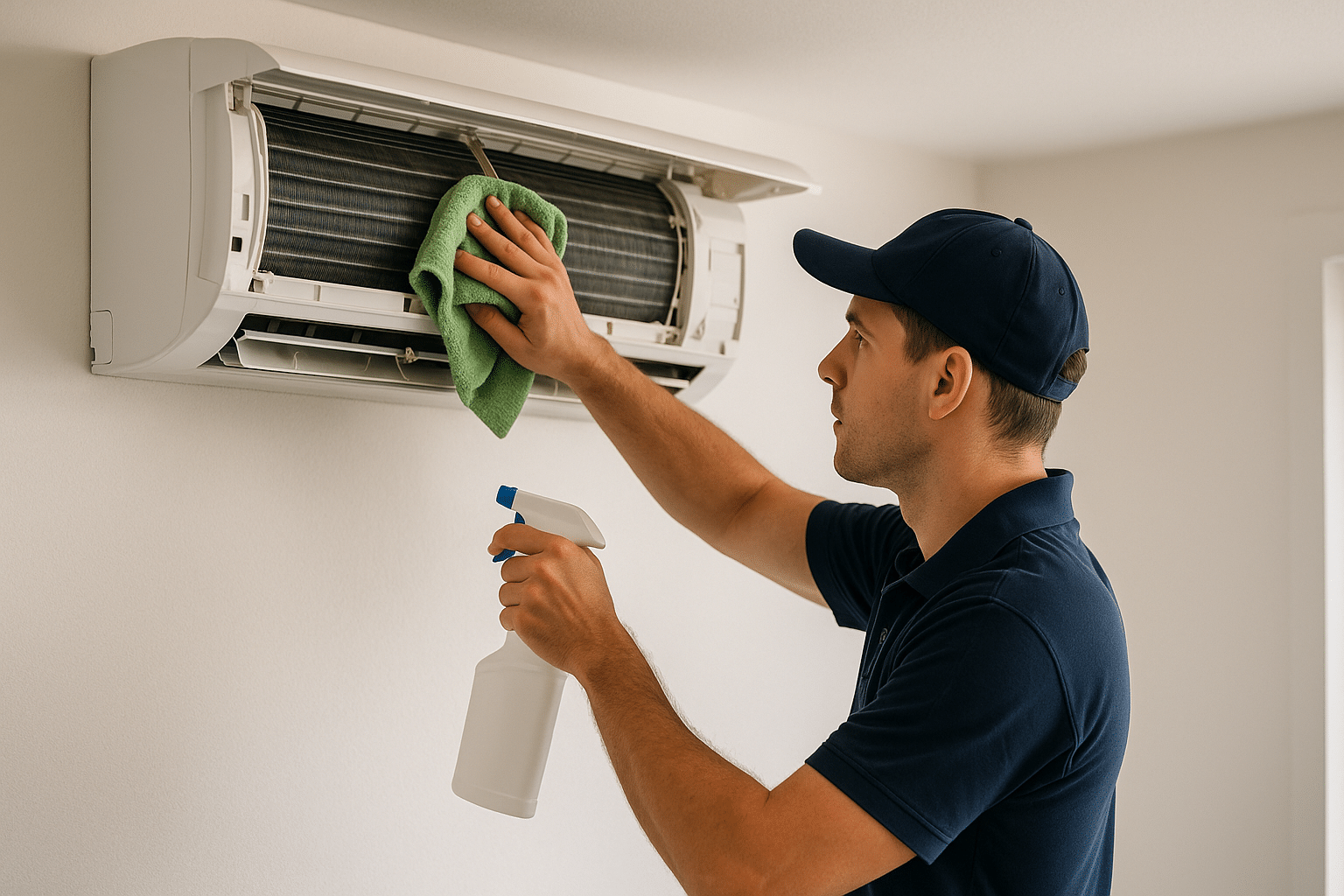
- Coil and Blower Cleaning: Clean the evaporator coil and blower wheel every 6 to 12 months using specialized cleaning solutions designed for air conditioning systems.
- Drain Pan Inspection: Inspect and clean the drain pan to prevent water buildup, which can lead to mold growth. Ensure proper drainage and replace any damaged components.
- Mold Removal: If you find visible mold, use a solution of one cup of bleach per gallon of water to clean affected areas. For extensive or hidden mold issues, contact a professional for remediation.
- Antibacterial and Antifungal Disinfection: Use human-safe disinfectants during cleaning to eliminate bacteria and fungi that can cause allergies. Follow manufacturer instructions carefully.
Mold Growth Inside HVAC Systems: Identifying Hidden Dangers
Mold growth inside the HVAC system can severely impact indoor air quality. Here’s how to identify and address it: When considering Indoor Air Quality Solutions For Allergy-sensitive Home, this becomes clear.
- Signs of Mold Growth: Look for visible mold, musty odors, or black spots on surfaces such as ductwork, coils, and insulation.
- Mold in Ducts: Use a video inspection camera to check the condition of the ductwork. This can help identify hidden mold growth that may not be visible from outside.
- Testing for Mold Spores: Conduct air sampling tests to detect mold spores in your home. This is particularly useful if you have experienced sudden increases in allergy symptoms.
- Contacting Professionals: If mold is present, consult a professional for remediation. They can provide the necessary expertise and equipment to clean and disinfect affected areas safely.
Preventing Mold Growth in HVAC Systems for Year-Round Comfort
Take preventive measures to keep mold at bay:
- Regular Inspections and Cleanings: Schedule professional inspections every 12 to 18 months. This helps identify potential issues before they become severe.
- Proper Drain Pan Maintenance: Ensure the drain pan is clean, sloped correctly, and free of obstructions to prevent water accumulation. Replace old or damaged pans as needed.
- Dehumidification: Use dehumidifiers in damp areas like basements or bathrooms to reduce moisture levels that can contribute to mold growth.
- Airflow Optimization: Ensure proper airflow throughout the system. Blocked air filters or vents can lead to stagnant air and increased humidity, promoting mold growth.
- Seal Leaks and Ducts: Seal any leaks in ductwork to prevent moisture from entering the HVAC system. This also helps maintain optimal temperature and pressure levels.
Humidity Control Strategies to Reduce Mustiness and Allergens
Controlling humidity is crucial for reducing mustiness and allergen presence:
- Dehumidifiers: Install portable or whole-home dehumidifiers, especially in areas prone to high moisture levels. Aim for a relative humidity level of 30-50%.
- Air Conditioners with Dehumidification Features: Choose air conditioners that include built-in dehumidification capabilities. This helps maintain consistent indoor air quality year-round.
- Ventilation Systems: Use exhaust fans in bathrooms and kitchens to remove moisture from the air. Proper ventilation prevents humidity buildup, reducing mold growth potential.
- Sealing Entry Points: Seal gaps around windows, doors, and other entry points to prevent outside moisture from entering your home.
Professional Indoor Air Quality Assessment: Why It Matters
A professional indoor air quality assessment can provide valuable insights:
- Identifying Hidden Issues: Experts can identify hidden allergens and contaminants that may not be immediately visible. This helps in developing a comprehensive plan for improvement.
- Tailored Solutions: Professionals can offer customized solutions based on your home’s unique characteristics. This ensures you get the best results without unnecessary expenses.
- Documenting Results: A professional assessment provides detailed documentation, making it easier to track progress and ensure long-term improvements in IAQ.
- Ensuring Compliance: Regular assessments help ensure that your home meets local air quality standards. This can be particularly important for families with children or elderly residents who are more vulnerable to respiratory issues.
Expert Tips for Homeowners: Practical Steps You Can Take Today
Here are some practical tips to improve indoor air quality in your home:
- Use Air Purifiers: Install air purifiers equipped with HEPA filters. This helps remove small particles from the air, reducing allergy symptoms.
- Regularly Clean Your Mattress and Pillow Covers: Use covers that are washable to reduce dust mites and allergens.
- Keep Pets Out of Bedrooms: If you have pets, keep them out of bedrooms. Pet dander can trigger allergies and asthma attacks.
- Cook with Minimal Smoke: Use exhaust fans or open windows when cooking to remove smoke particles from the air. This reduces irritation for allergy sufferers.
- Use Natural Cleaning Products: Opt for natural cleaning products that are free of harsh chemicals, which can irritate your respiratory system and worsen allergies.
- Monitor Indoor Humidity Levels: Use a hygrometer to monitor humidity levels. This helps you maintain optimal conditions and prevent mold growth.
- Use Airtight Storage Containers for Medications and Food: Keep medications, food, and other materials stored in airtight containers to avoid dust and pests, which can trigger allergic reactions.
Frequently Asked Questions (FAQ): Answers to Common Queries
Here are answers to some common questions about indoor air quality:
- Q: How often should I change my HVAC filters?
A: Change your HVAC filters every three months or more frequently if you have pets or live in dusty environments. Dirty filters can reduce airflow and lead to poor IAQ. The importance of Indoor Air Quality Solutions For Allergy-sensitive Home is evident here.
- Q: Can air purifiers help with allergies?
A: Yes, air purifiers equipped with HEPA filters can significantly improve indoor air quality by removing small particles that trigger allergies. Choose models with high CADR ratings for better performance. Understanding Indoor Air Quality Solutions For Allergy-sensitive Home helps with this aspect.
- Q: Are mold spores dangerous in the home?
A: Mold spores can be dangerous, especially for allergy sufferers and those with weakened immune systems. They can cause respiratory issues, allergies, and even infections if left unchecked. Indoor Air Quality Solutions For Allergy-sensitive Home factors into this consideration.
Conclusion: Indoor Air Quality Solutions for Allergy-Sensitive Home
Improving indoor air quality is essential for allergy sufferers to maintain a healthy living environment. By following these steps, you can significantly reduce allergens and improve the overall health of your home. Remember that regular maintenance and professional assessments are key to long-term success in creating a comfortable and safe living space. Understanding Indoor Air Quality Solutions For Allergy-sensitive Home is key to success in this area.

Leave a Reply