


Classroom Air Quality Standards For Dubai Schools Guide
In Dubai’s unique climate, where air conditioning operates year-round and desert dust constantly challenges indoor environments, classroom air quality standards for Dubai schools have become a critical component of educational facility management. The health and academic performance of thousands of students depend on maintaining optimal indoor air conditions, making this a priority for school administrators across the UAE. Classroom air quality standards for Dubai schools address everything from particulate matter control to humidity management and microbial prevention, with specific considerations for the region’s environmental challenges.
The implementation of comprehensive classroom air quality standards for Dubai schools requires understanding both international best practices and local regulatory requirements. With children spending significant portions of their developmental years in educational facilities, the impact of indoor air quality on concentration, attendance, and overall health cannot be overstated. This guide explores the essential components of classroom air quality standards for Dubai schools, providing school administrators, facility managers, and educational policymakers with the knowledge needed to create healthier learning environments.
Classroom Air Quality Standards For Dubai Schools – Understanding Dubai Classroom Air Quality Standards
Contents
- 1 Classroom Air Quality Standards For Dubai Schools – Understanding Dubai Classroom Air Quality Standards
- 2 Classroom Air Quality Standards For Dubai Schools – Regulatory Framework for UAE Educational Facilities
- 3 Classroom Air Quality Standards For Dubai Schools – Key Components of Classroom Air Quality Standards
- 4 AC System Maintenance Requirements for Schools
- 5 Monitoring and Compliance Protocols
- 6 Health and Educational Performance Impacts
- 7 Implementation Best Practices for Schools
- 8 Expert Tips for Maintaining School Air Quality
- 9 Frequently Asked Questions
Classroom air quality standards for Dubai schools represent a specialised approach to indoor environmental management, tailored specifically to the challenges of the UAE climate. These standards address the unique combination of year-round AC operation, high outdoor particulate levels from desert conditions, and the concentration of young occupants in educational spaces. The classroom air quality standards for Dubai schools typically focus on maintaining particulate matter (PM2.5 and PM10) below 25 μg/m³, carbon dioxide levels under 1000 ppm, and relative humidity between 40-60% to prevent microbial growth while ensuring comfort.
Unlike generic indoor air quality guidelines, classroom air quality standards for Dubai schools must account for the high occupancy density of classrooms, where 25-30 students may share a single space for hours at a time. This concentration of occupants dramatically increases carbon dioxide levels, moisture generation from respiration, and the potential for airborne pathogen transmission. The standards also address the specific vulnerability of children to air quality issues, as their developing respiratory systems and higher metabolic rates make them more susceptible to pollutants than adults.
Classroom Air Quality Standards For Dubai Schools – Regulatory Framework for UAE Educational Facilities
The regulatory framework governing classroom air quality standards for Dubai schools involves multiple authorities working in coordination. The Dubai Health Authority (DHA) and Knowledge and Human Development Authority (KHDA) have established specific guidelines that align with international standards while addressing local environmental conditions. These regulations mandate regular indoor air quality assessments, with particular emphasis on ventilation rates, filtration efficiency, and microbial contamination prevention.
School facilities must comply with the Dubai Municipality’s environmental health requirements, which include scheduled AC duct cleaning every six months, comprehensive disinfection protocols, and documentation of all maintenance activities. The regulatory framework for classroom air quality standards for Dubai schools also incorporates emergency response measures for extreme weather events, such as sandstorms, which can dramatically impact indoor air quality. Compliance verification typically involves unannounced inspections, review of maintenance records, and occasional air quality testing to ensure ongoing adherence to established standards.
Classroom Air Quality Standards For Dubai Schools – Key Components of Classroom Air Quality Standards
The classroom air quality standards for Dubai schools encompass several critical components that work together to create healthy learning environments. Ventilation requirements form the foundation, specifying minimum fresh air exchange rates of 8-10 litres per second per person to maintain adequate oxygen levels and prevent carbon dioxide buildup. Filtration standards mandate MERV 13 or higher filters in AC systems to capture fine particulate matter, pollen, and other allergens prevalent in Dubai’s environment.
Temperature and Humidity Control
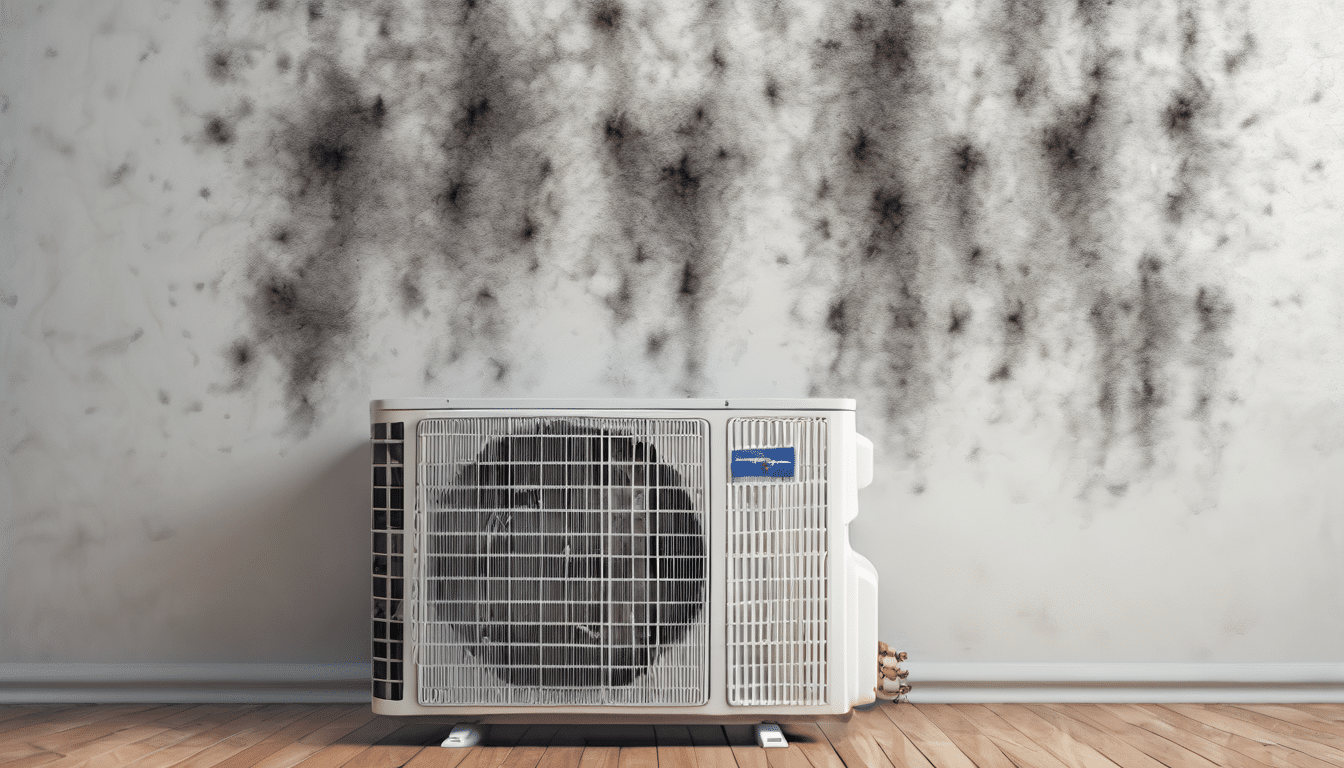
Temperature maintenance between 22-24°C and relative humidity control between 40-60% represent essential aspects of classroom air quality standards for Dubai schools. This range prevents moisture accumulation that leads to mould growth while ensuring student comfort and concentration. Humidity control is particularly challenging in Dubai’s climate, where outdoor humidity can exceed 90% during summer months, requiring sophisticated AC systems with proper dehumidification capabilities.
Contaminant Source Control
The standards also address contaminant source control, restricting the use of certain cleaning chemicals, art supplies, and building materials that might off-gas volatile organic compounds (VOCs) in classroom environments. This component of classroom air quality standards for Dubai schools helps minimise exposure to chemicals that could affect respiratory health or cognitive function, particularly important in spaces occupied by developing children.
AC System Maintenance Requirements for Schools
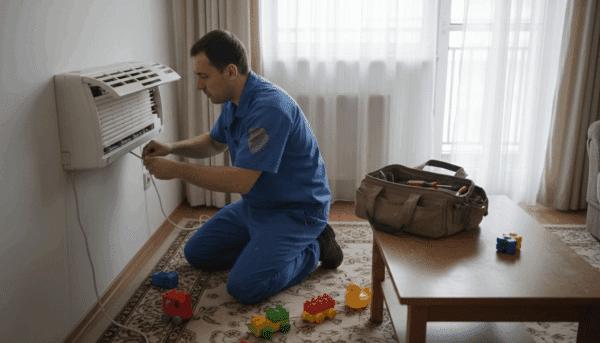
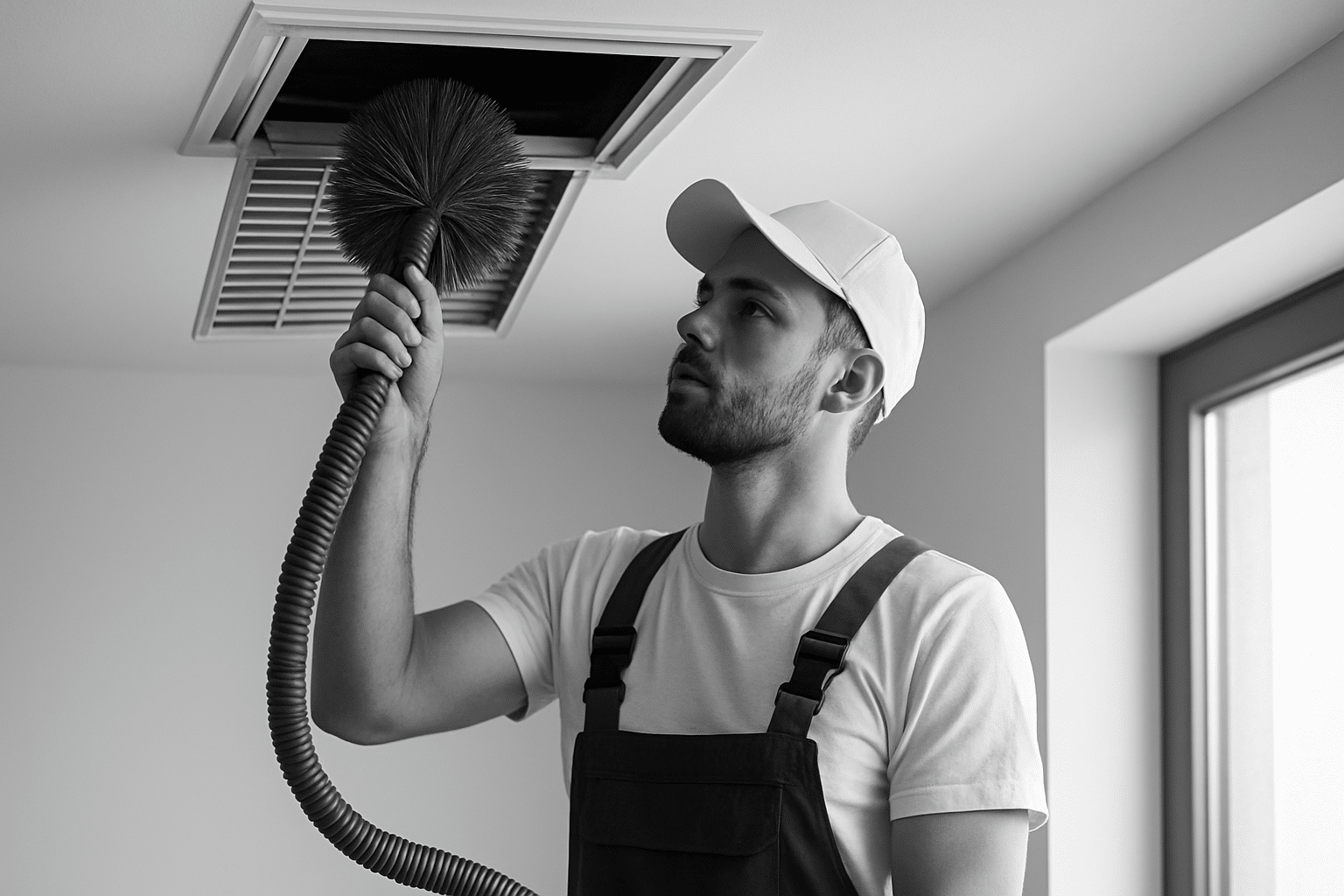
Proper AC maintenance forms the operational backbone of effective classroom air quality standards for Dubai schools. The continuous operation of cooling systems in Dubai’s climate makes them potential amplifiers of air quality problems if not properly maintained. Standards require quarterly filter changes, semi-annual duct cleaning using HEPA-filtered negative air machines, and monthly coil cleaning to prevent microbial growth and dust accumulation.
The maintenance protocols within classroom air quality standards for Dubai schools specify the use of child-safe disinfectants approved by the Dubai Municipality for all AC cleaning procedures. These products must effectively eliminate mould, bacteria, and viruses without leaving residual chemicals that could affect sensitive individuals. Maintenance records must be meticulously kept, documenting each service visit, parts replaced, and any issues identified during inspection. This documentation becomes crucial during regulatory inspections and helps schools track the performance of their HVAC systems over time.
Monitoring and Compliance Protocols
Continuous monitoring represents a critical aspect of classroom air quality standards for Dubai schools, with many institutions implementing real-time air quality sensors that measure CO2 levels, particulate matter, temperature, and humidity. These systems provide immediate feedback when air quality parameters drift outside acceptable ranges, allowing for prompt corrective action. The data collected also helps schools identify patterns and potential problem areas before they affect occupant health.
Compliance verification for classroom air quality standards for Dubai schools typically involves third-party assessments conducted by certified indoor air quality professionals. These assessments include air sampling for microbial contamination, particle counting, and ventilation rate measurements. Schools must maintain comprehensive documentation of all air quality-related maintenance activities, including filter changes, duct cleaning, and system repairs. This paper trail demonstrates compliance during inspections by regulatory authorities and helps establish a culture of accountability around indoor air quality management.
Health and Educational Performance Impacts
The implementation of rigorous classroom air quality standards for Dubai schools directly impacts both health outcomes and educational performance. Research conducted in UAE schools has demonstrated that improved indoor air quality correlates with reduced absenteeism due to respiratory illnesses, particularly important in environments where children spend significant time together in enclosed spaces. Proper ventilation and filtration also reduce the transmission of airborne illnesses, benefiting both students and educational staff.
Beyond physical health, classroom air quality standards for Dubai schools significantly influence cognitive function and academic performance. Studies have shown that students in classrooms with optimal air quality demonstrate better concentration, higher test scores, and improved information retention compared to those in environments with poor ventilation and elevated CO2 levels. The financial investment in maintaining proper air quality often yields returns through improved educational outcomes and reduced operational costs associated with staff and student absenteeism.
Implementation Best Practices for Schools
Successful implementation of classroom air quality standards for Dubai schools requires a systematic approach that involves all stakeholders. School administrators should establish clear air quality management policies, appoint dedicated staff responsible for monitoring compliance, and allocate adequate budgets for maintenance and upgrades. Training programmes for maintenance staff ensure they understand the specific requirements and importance of their role in maintaining healthy learning environments.
Communication with parents and students about the school’s commitment to classroom air quality standards for Dubai schools builds trust and demonstrates institutional responsibility. Many schools display air quality metrics in common areas or provide regular updates through parent communication channels. This transparency helps create a shared understanding of the importance of indoor air quality and encourages reporting of potential issues before they become significant problems.
Expert Tips for Maintaining School Air Quality
Based on extensive experience with classroom air quality standards for Dubai schools, several expert recommendations can help educational institutions maintain optimal conditions. First, implement a preventive maintenance schedule that aligns with the academic calendar, conducting major AC cleaning during school breaks to minimise disruption. Second, invest in real-time monitoring systems that provide immediate alerts when air quality parameters exceed acceptable levels.
Third, train teaching staff to recognise signs of air quality issues, such as persistent stuffiness, unusual odours, or increased respiratory complaints among students. Fourth, establish clear protocols for responding to extreme weather events like sandstorms, including temporary closure of fresh air intakes and increased filtration. Fifth, document all maintenance activities meticulously, as this documentation proves invaluable during regulatory inspections and when troubleshooting recurring issues.
Frequently Asked Questions
How often should AC ducts be cleaned in Dubai schools? Classroom air quality standards for Dubai schools typically recommend professional duct cleaning every six months, with more frequent filter changes quarterly. This schedule addresses the accelerated dust accumulation caused by Dubai’s desert environment and continuous AC operation.
What temperature should classrooms maintain according to Dubai standards? The classroom air quality standards for Dubai schools specify maintaining temperatures between 22-24°C, which provides optimal comfort for concentration while preventing excessive energy consumption. This range also helps control humidity levels when properly managed by modern AC systems.
Are there specific disinfectants required for school AC systems? Yes, classroom air quality standards for Dubai schools mandate the use of non-toxic, child-safe disinfectants approved by Dubai Municipality. These products effectively eliminate microbial growth without leaving harmful residues that could affect children with allergies or respiratory sensitivities.
How can schools monitor compliance with air quality standards? Schools should implement continuous monitoring systems that track CO2 levels, particulate matter, temperature, and humidity. Regular third-party assessments and meticulous maintenance documentation also help demonstrate compliance with classroom air quality standards for Dubai schools.
Implementing comprehensive classroom air quality standards for Dubai schools requires commitment and systematic approach, but the benefits to student health and academic performance make this investment invaluable. By understanding and adhering to these standards, educational institutions across the UAE can create learning environments that support both physical wellbeing and educational achievement.

Leave a Reply