

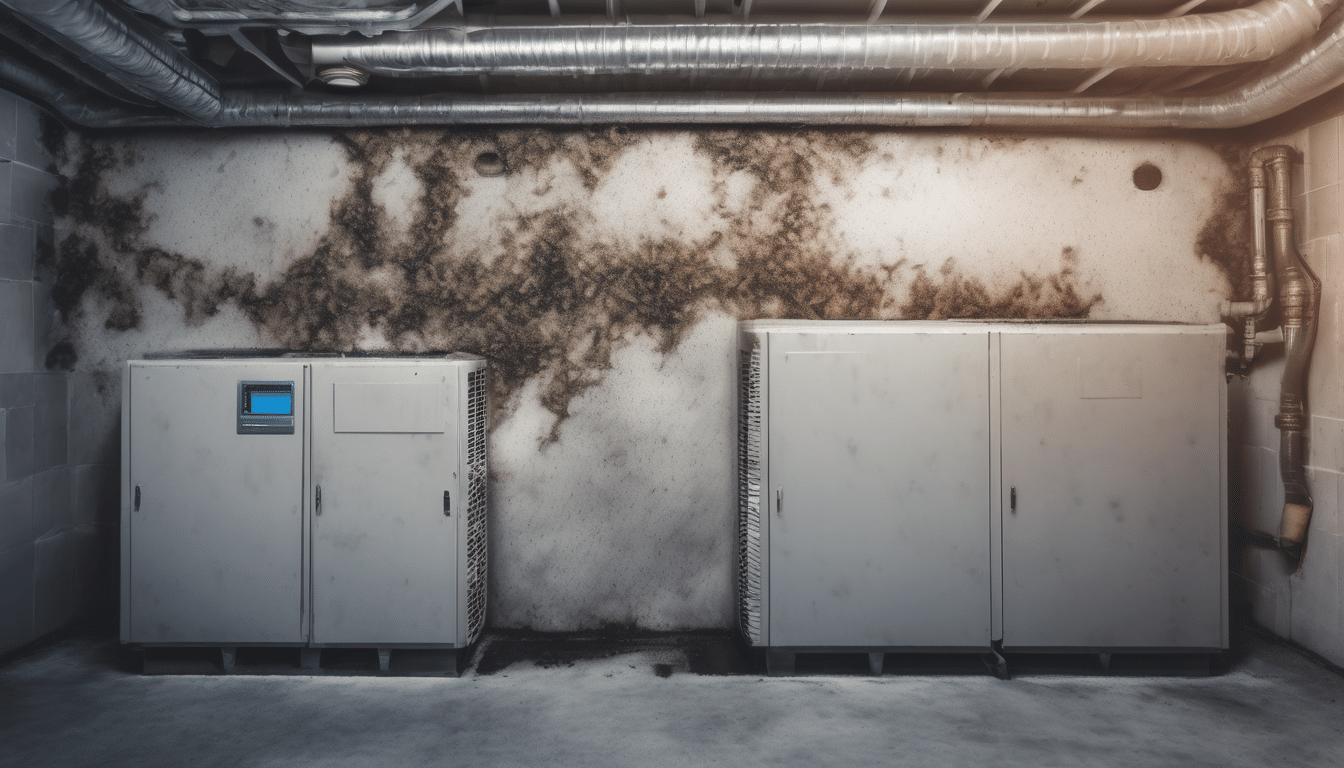
Systems Identifying Common signs : Mold Growth Inside Hvac
Introduction
Contents
- 1 Introduction
- 2 Understanding Mold Growth Inside HVAC Systems: Identifying Common Signs
- 3 Mold Growth Inside Hvac Systems: Identifying Common Signs – Causes of Mold Growth in HVAC Systems
- 4 Mold Growth Inside Hvac Systems: Identifying Common Signs – Common Signs of Mold Inside AC Ducts
- 5 Impact on Indoor Air Quality
- 6 Expert Tips for Preventing Mold Growth
- 7 FAQ Section
- 8 Conclusion
Understanding Mold Growth Inside Hvac Systems: Identifying Common Signs is essential. Mold growth inside HVAC systems is a significant concern in the United Arab Emirates, particularly in areas like Abu Dhabi and Dubai, due to their warm climate and high levels of humidity. This guide will help you identify common signs of mold growth, understand its implications for indoor air quality, and provide practical tips to prevent it.
Understanding Mold Growth Inside HVAC Systems: Identifying Common Signs
Mold growth inside HVAC systems is a significant health concern, particularly in regions like Dubai with high humidity and year-round AC usage. Mold thrives in warm, moist environments, making it essential to recognize the signs of its presence early on.
Signs of Mold in HVAC System
Mold growth inside HVAC systems often manifests through several visible and sensory indicators:
- Musty Odors: A persistent musty odor, especially when the AC is turned on, can indicate mold presence.
- Visible Spots: Dark spots or discoloration in ductwork and HVAC components are common signs of mold growth.
- Damp Feeling: Touching certain areas inside the HVAC system may feel damp to the touch.
Mold Growth Inside Hvac Systems: Identifying Common Signs – Causes of Mold Growth in HVAC Systems
Mold growth within HVAC systems is typically caused by excessive moisture, which can stem from various sources:
- Leaky Ducts and Poor Sealing: Leaks or poorly sealed ductwork allow water to enter the system, providing a breeding ground for mold.
- Inadequate Ventilation: Insufficient ventilation can lead to moisture accumulation inside the HVAC system, promoting mold growth.
- Poor Drainage Systems: Inefficient drainage systems result in water pooling around components, creating an ideal environment for mold proliferation.
Mold Growth Inside Hvac Systems: Identifying Common Signs – Common Signs of Mold Inside AC Ducts
Detecting mold inside air conditioning ducts requires close inspection and awareness of specific indicators:
- Visible Mold Spots: Dark, fuzzy patches or colonies on the walls and surfaces of ductwork.
- Odor: A musty, earthy smell emanating from the air conditioning vents when the system is running.
- Mold Infested Filters: Mold can build up on filters, causing discoloration or a significant odor when cleaning them.
Impact on Indoor Air Quality
The presence of mold in HVAC systems significantly impacts indoor air quality, leading to several adverse effects:
- Respiratory Issues: Mold spores can irritate the respiratory system, causing coughing, wheezing, and asthma symptoms.
- Allergies and Sensitivities: Mold exposure can exacerbate allergies and sensitize individuals to mold-related allergens.
- Bacteria and Contaminants: Mold often coexists with bacteria, which can further degrade air quality and pose health risks.
<h2 id="preventing-mold-growth-in-hvac-systems”>Preventing Mold Growth in HVAC Systems
To prevent mold growth inside HVAC systems, several proactive measures should be implemented:
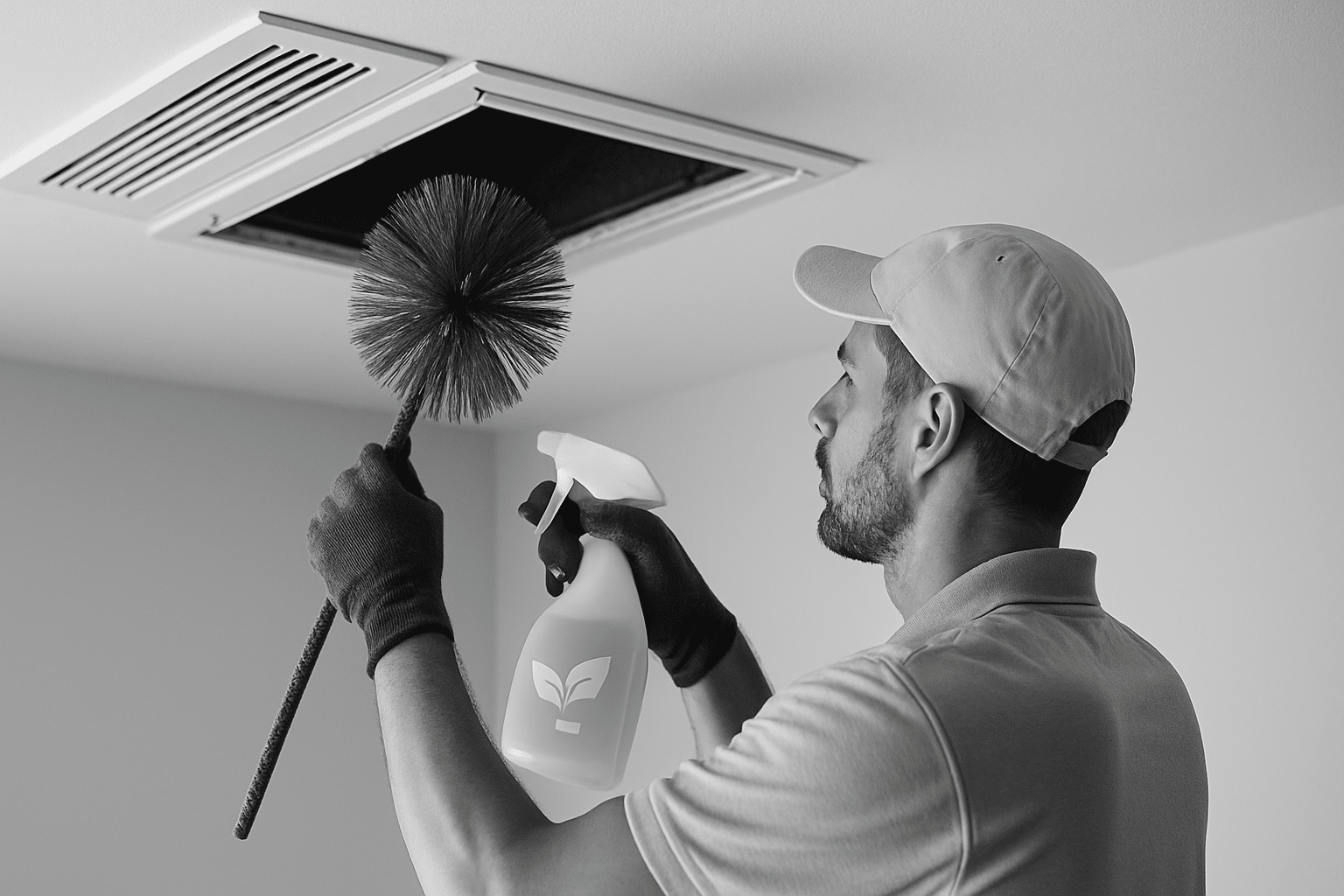
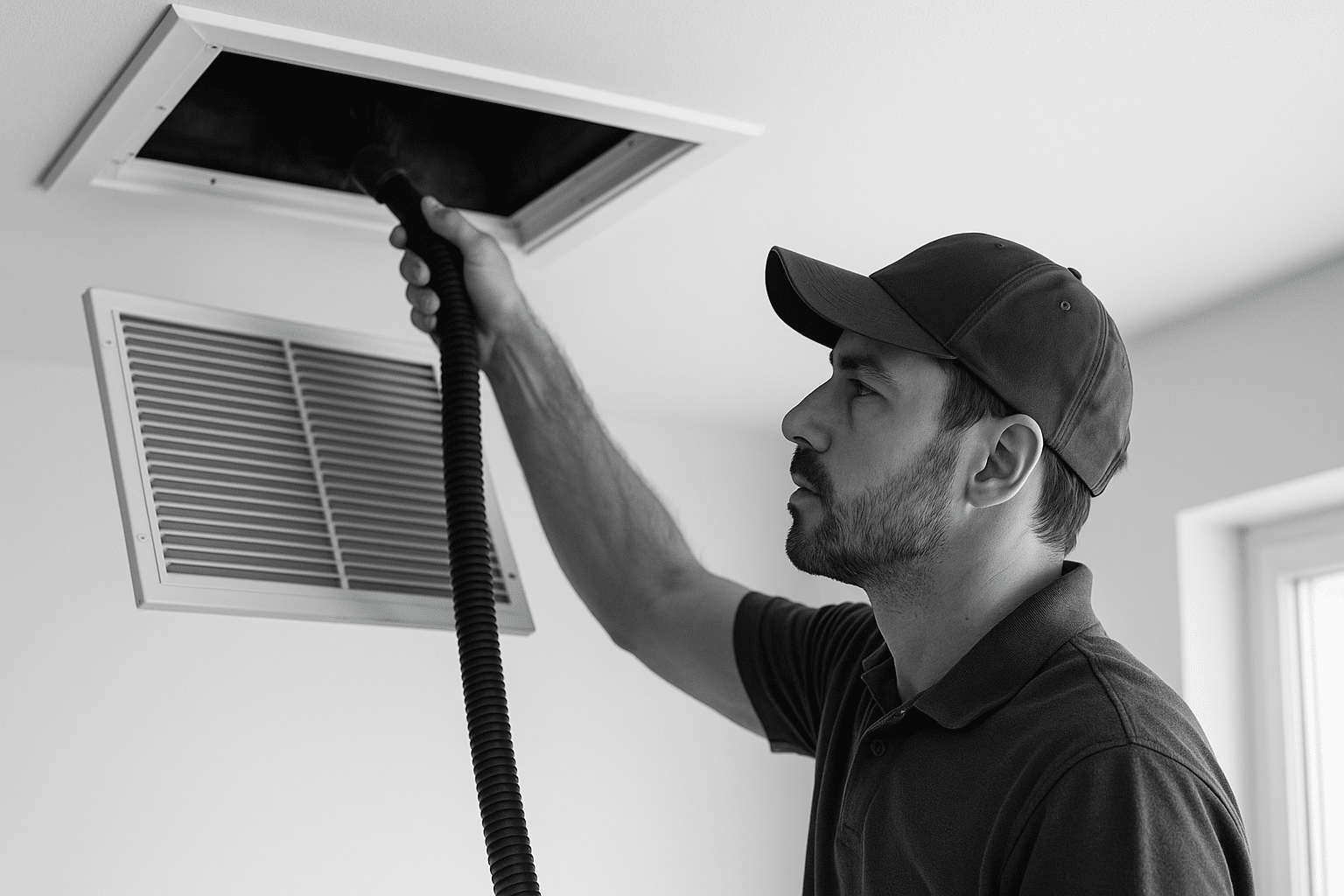
- Regular Cleaning and Inspection: Conduct thorough cleaning of the system at least twice a year to remove accumulated dust, debris, and potential mold colonies.
- Proper Ventilation: Ensure adequate ventilation within your home or building to prevent moisture buildup in the HVAC system.
- Sealing Ducts and Inspecting for Leaks: Regularly check and seal any leaks in ductwork to prevent water intrusion and mold growth.
Expert Tips for Preventing Mold Growth
Here are some expert tips for maintaining a mold-free HVAC system:
- Use Humidity Control Systems: Install dehumidifiers or humidistats to maintain optimal humidity levels within the HVAC system and reduce moisture.
- Replace Filters Regularly: Clean or replace air filters every 3-6 months to prevent clogging, which can lead to moisture accumulation.
- Professional Maintenance: Schedule annual inspections by a professional AC maintenance company to identify and address potential issues early on.
FAQ Section
Here are some frequently asked questions about mold growth in HVAC systems:
- Q: Can mold inside the HVAC system affect my health?
A: Yes, mold can release spores into the air, which can irritate your respiratory system and exacerbate allergies or asthma symptoms. - Q: How often should I clean my HVAC system to prevent mold growth?
A: It is recommended to have your HVAC system cleaned at least twice a year. Additionally, replace filters every 3-6 months to reduce moisture buildup. - Q: Are there any DIY methods to control humidity inside the HVAC system?
A: Yes, you can use a humidistat or hygrometer to monitor and adjust humidity levels. Installing dehumidifiers in strategic locations within your home can also help.
Conclusion
Understanding the signs of mold growth inside HVAC systems is crucial for maintaining indoor air quality and overall health, especially in areas like Dubai where year-round AC usage poses unique challenges. By recognizing common indicators, understanding the causes, and implementing preventive measures, you can significantly reduce the risk of mold proliferation within your HVAC system. Understanding Mold Growth Inside Hvac Systems: Identifying Common Signs is key to success in this area.
Related articles


Leave a Reply