

Systems Signs And: Mold Growth In Hvac Systems: Signs And
<h2 id="introduction-to-mold-growth-in-hvac-systems-sig”>Introduction to Mold Growth in HVAC Systems: Signs and Symptoms
Understanding Mold Growth In Hvac Systems: Signs And Symptoms is essential. In Abu Dhabi, Dubai, Sharjah, Ajman, Fujairah, Ras Al Khaimah, and other regions of the UAE, year-round air conditioning is a necessity. However, this continuous operation can lead to moisture accumulation, creating an ideal environment for mold growth inside HVAC systems. Mold not only affects indoor air quality but also poses significant health risks to occupants, especially children and the elderly. Understanding the signs and symptoms of mold growth in your HVAC system is crucial for maintaining clean and safe living conditions.
Table of Contents
Contents
- 1 Table of Contents
- 2 Understanding Mold Growth in HVAC Systems: Signs and Symptoms
- 3 Mold Growth In Hvac Systems: Signs And Symptoms – Causes and Risks of Mold in HVAC Systems
- 4 Signs and Symptoms of Mold Growth in HVAC Systems
- 5 Preventing Mold Growth in HVAC Systems: Best Practices
- 6 Cleaning AC Ducts Effectively in High-Risk Environments
- 7 Expert Tips for Preventing Mold Growth in HVAC Systems
- 8 FAQ Section: Addressing Common Concerns
- 9 Conclusion
Understanding Mold Growth in HVAC Systems: Signs and Symptoms
Mold growth inside HVAC systems is a common issue, particularly in humid climates like those found in the UAE. This moisture-loving fungus thrives in damp conditions, leading to potential health hazards such as respiratory issues, allergies, and asthma attacks. Understanding what causes mold to grow and recognizing its symptoms can help prevent these risks.
Mold Growth In Hvac Systems: Signs And Symptoms – Causes and Risks of Mold in HVAC Systems
Mold growth inside HVAC systems is often due to excessive moisture, which can be caused by several factors:
– High Humidity Levels: Dubai’s climate experiences high humidity during the monsoon season, providing an ideal environment for mold.
– Leaky Ducts or Sealing Issues: Poorly sealed ductwork can allow air leaks, leading to condensation and increased moisture.
– Improper Ventilation: Lack of adequate ventilation in the HVAC system can contribute to excess moisture buildup.
– Dirt Accumulation: Dust and debris accumulate inside the AC, providing a substrate for mold growth.
– Water Leaks or Flooding: Water damage from leaks or flooding can introduce significant amounts of moisture into the system.
The risks associated with mold in HVAC systems are substantial. Mold spores released into the air can cause:
– Respiratory issues
– Allergies and asthma attacks
– Irritation of the eyes, nose, and throat
– In severe cases, more serious health conditions This relates directly to Mold Growth In Hvac Systems: Signs And Symptoms.
Signs and Symptoms of Mold Growth in HVAC Systems
Identifying mold growth in your HVAC system can be challenging, but several signs may indicate its presence:
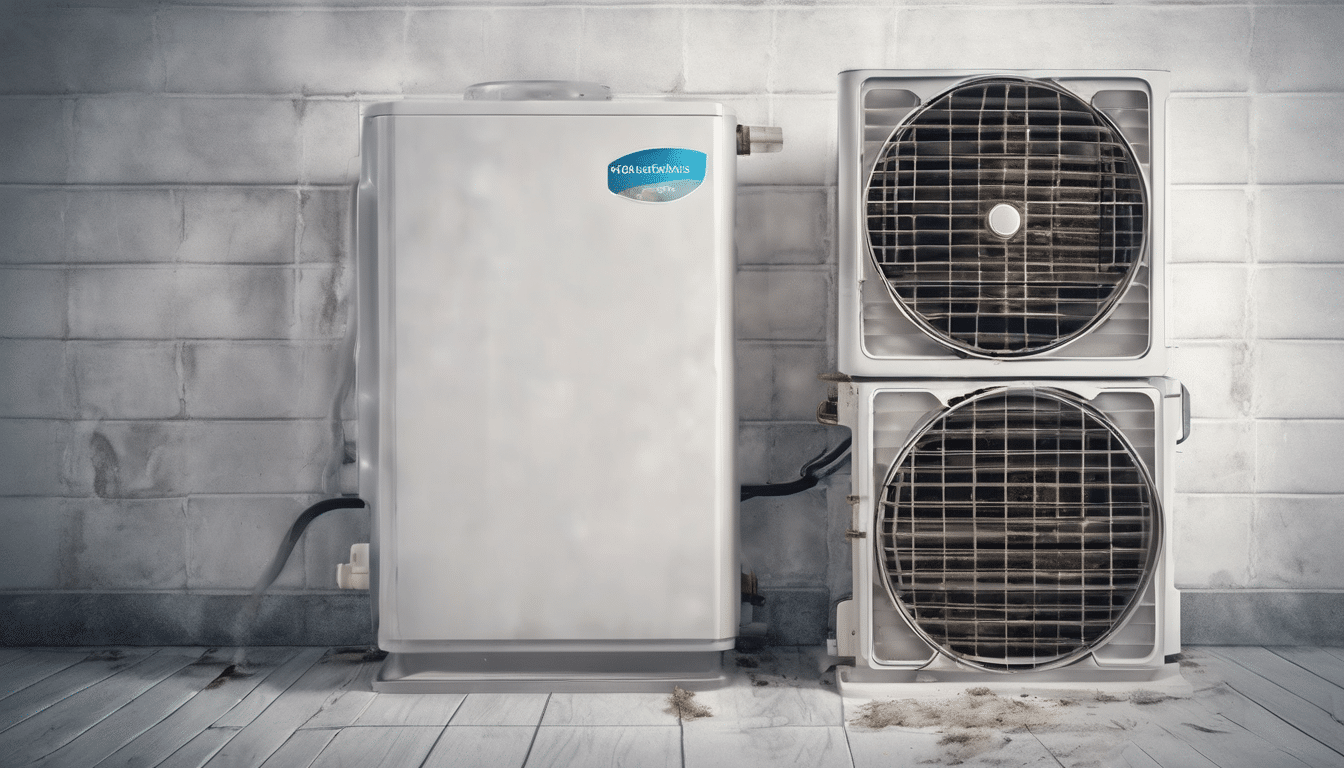
– Visible Spots: Dark spots or patches inside the AC unit.
– Odors: Musty or earthy odors coming from the air vents.
– Discoloration: Discolored areas on coils, filters, or other components.
– Dampness: Moisture present in ducts or around the system.
– Visible Mold: In severe cases, visible mold growth may be evident.
These signs can indicate that mold is present and should be addressed promptly to prevent further health risks.
Preventing Mold Growth in HVAC Systems: Best Practices
To minimize the risk of mold growth, follow these best practices:
– Regular Maintenance: Schedule regular AC cleaning and disinfection services.
– Proper Ventilation: Ensure proper ventilation within your HVAC system to reduce moisture buildup.
– Dehumidification: Use dehumidifiers in high-humidity areas to maintain indoor air quality.
– Seal Ducts: Seal any leaks or gaps in ductwork to prevent unnecessary moisture intrusion.
– Check for Leaks: Regularly inspect the AC unit and surrounding areas for water damage or leaks. When considering Mold Growth In Hvac Systems: Signs And Symptoms, this becomes clear.
Implementing these practices can significantly reduce the likelihood of mold growth inside your HVAC system.
Using Mold-Resistant Coils and Blowers: Best Practices for HVAC
Mold-resistant materials are available for HVAC components such as coils and blowers. These materials can help prevent mold growth by inhibiting the fungus from attaching to surfaces:
– Coil Liners: Apply mold-resistant liners to cooling coils.
– Blower Guards: Use guards made of mold-resistant materials to protect blower components.
By incorporating these features, you can create a more hostile environment for mold and reduce the risk of contamination.
Cleaning AC Ducts Effectively in High-Risk Environments
Cleaning AC ducts is essential to remove accumulated dust, debris, and moisture. Here are steps to effectively clean your HVAC system: The importance of Mold Growth In Hvac Systems: Signs And Symptoms is evident here.
1. Pre-Cleaning Inspection: Inspect the AC unit for visible mold before cleaning.
2. Remove Filters: Clean or replace air filters regularly.
3. Dust Coils and Blowers: Use a vacuum cleaner with a HEPA filter to remove dust from coils and blowers.
4. Clean Ductwork: Use a duct cleaning machine to thoroughly clean the interior of the ducts.
5. Disinfect Components: Apply human-safe disinfectants to all internal components.
Professional cleaning services can ensure that these steps are performed correctly, reducing the risk of mold growth during the process.
Expert Tips for Preventing Mold Growth in HVAC Systems
1. Regular Inspections: Schedule regular inspections to identify potential issues early.
2. Proper Duct Sealing: Ensure all ductwork is properly sealed to prevent moisture intrusion.
3. Dehumidification: Use dehumidifiers in high-humidity areas to reduce indoor moisture levels.
4. Ventilation Check: Regularly check the system’s ventilation components for signs of failure or blockage.
By following these expert tips, you can maintain a clean and healthy HVAC environment in your home or workplace.
FAQ Section: Addressing Common Concerns
1. How often should I have my AC cleaned?
– It is recommended to have your AC cleaned at least once a year, with more frequent cleaning if you live in a high-humidity environment like Dubai. Understanding Mold Growth In Hvac Systems: Signs And Symptoms helps with this aspect.
2. What are the signs of mold growth in HVAC systems?
– Look for visible spots, musty odors, discoloration, and moisture buildup inside the system.
3. Can mold in AC cause health issues?
– Yes, mold spores released into the air can lead to respiratory problems, allergies, and asthma attacks.
4. How do I clean my AC ducts effectively?
– Use a professional duct cleaning machine with HEPA filters to remove dust and debris from your AC system’s interior.
5. What are mold-resistant coils and how do they work?
– Mold-resistant coils inhibit the attachment of fungi, reducing the risk of mold growth inside HVAC systems.
Conclusion
Maintaining a clean and healthy HVAC system is crucial for indoor air quality and overall health in Dubai’s climate. Understanding the signs and symptoms of mold growth can help you take proactive measures to prevent contamination. By following best practices, regular maintenance, and expert tips, you can ensure that your AC systems remain free from mold, providing a safer and more comfortable living environment. Understanding Mold Growth In Hvac Systems: Signs And Symptoms is key to success in this area.



Leave a Reply