

Mold Growth Inside Ac Systems Uae Warning Signs: 11 Critical
Mold Growth Inside AC Systems UAE Warning Signs are critical health indicators that every property owner must recognise. In the UAE’s challenging climate, where air conditioning operates continuously year-round, identifying early warning signs of mold contamination can prevent serious health issues and costly system damage. These warning signs manifest through distinctive odours, visible contamination, health symptoms, and performance changes that signal immediate attention is required.
Dubai’s desert environment creates unique conditions for mold development inside AC systems. The combination of constant cooling, high outdoor temperatures reaching 50°C, and occasional humidity spikes from coastal proximity creates perfect breeding grounds for microbial growth. Understanding these warning signs enables early intervention, protecting both system integrity and occupant health. This relates directly to Mold Growth Inside Ac Systems Uae Warning Signs.
Professional AC cleaning specialists in Dubai encounter these warning signs daily across villas, apartments, and commercial properties. The following comprehensive guide details eleven critical indicators that demand immediate professional assessment and remediation.
Mold Growth Inside Ac Systems Uae Warning Signs – Persistent Musty Odours From Vents
Contents
- 1 Mold Growth Inside Ac Systems Uae Warning Signs – Persistent Musty Odours From Vents
- 2 Mold Growth Inside Ac Systems Uae Warning Signs – Visible Dark Spots and Discolouration
- 3 Mold Growth Inside Ac Systems Uae Warning Signs – Unexplained Health Symptoms in Occupants
- 4 Excessive Moisture and Condensation
- 5 Deteriorating Indoor Air Quality
- 6 Declining System Performance Indicators
- 7 Unusual Dust and Debris Patterns
- 8 Blocked Drains and Water Stagnation
- 9 Filter Contamination and Damage
- 10 Electrical Component Corrosion
- 11 When to Seek Professional Assessment
The most recognisable of all Mold Growth Inside AC Systems UAE Warning Signs is persistent musty or earthy odours emanating from air vents. These odours indicate active microbial growth within the ductwork, coils, or drain areas. In Dubai’s climate, where AC systems operate continuously, these odours often intensify during startup periods or humidity changes.
Musty odours differ from typical dust or mechanical smells. They carry organic, damp characteristics reminiscent of wet cardboard, rotting leaves, or basement dampness. Professional AC cleaning specialists identify these odours as mycotoxin releases from established mold colonies within the system components.
Identifying Odour Sources
Different odour intensities indicate varying contamination levels. Light, intermittent odours suggest early-stage growth, while strong, persistent smells indicate extensive contamination requiring immediate intervention. Property owners should note odour timing—whether strongest during system startup, continuous operation, or shutdown periods.
In UAE properties, these odours often originate from evaporator coils, drain pans, or ductwork sections where condensation creates moisture retention. Professional assessment can pinpoint exact contamination locations through systematic inspection and air quality testing.
Mold Growth Inside Ac Systems Uae Warning Signs – Visible Dark Spots and Discolouration
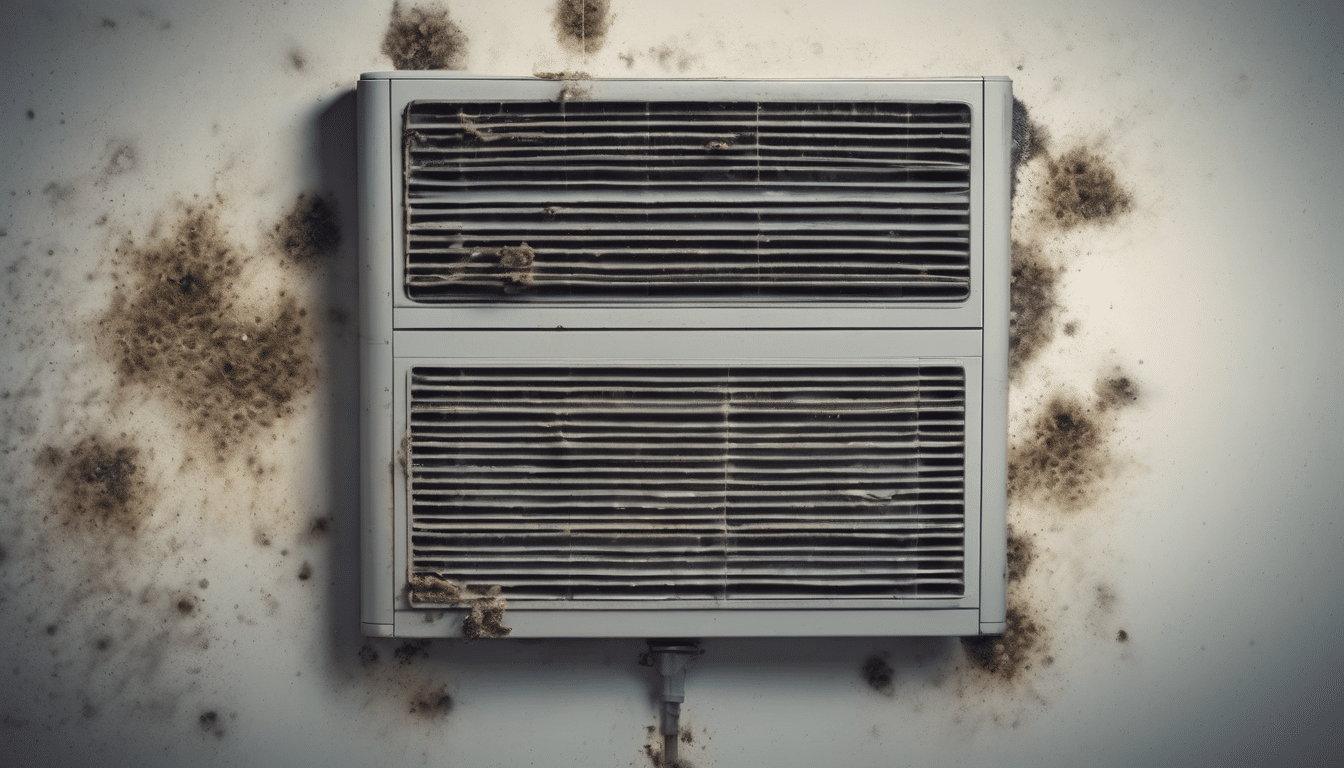
Visual confirmation represents definitive Mold Growth Inside AC Systems UAE Warning Signs requiring immediate attention. Dark spots, black streaks, or greenish discolouration around vents, on filters, or within accessible ductwork indicate established mold colonies that have progressed beyond early-stage development.
In Dubai’s desert environment, dust accumulation can mask early mold growth, making visual detection challenging. However, distinctive patterns emerge as contamination spreads. Black or dark green patches differ from typical dust accumulation through their organic appearance, fuzzy texture, and concentrated growth patterns around moisture sources.
Common Visual Indicators
Mold growth appears as circular patches, linear streaks following moisture paths, or widespread coverage across surfaces. Early growth may appear as fine black powder, while established colonies develop raised, textured surfaces with varying colours from black to green, brown, or white depending on species and growth conditions.
Property owners should inspect accessible areas including vent grilles, filter housings, and visible ductwork sections. Professional inspection extends beyond visible areas, utilising specialised equipment to assess internal system components where extensive growth typically develops undetected.
Mold Growth Inside Ac Systems Uae Warning Signs – Unexplained Health Symptoms in Occupants
Health-related Mold Growth Inside AC Systems UAE Warning Signs manifest through respiratory symptoms, allergic reactions, and general wellness decline among building occupants. These symptoms typically improve when individuals leave the contaminated environment and worsen upon return, indicating Indoor Air Quality issues directly linked to HVAC contamination.
Common symptoms include persistent cough, throat irritation, nasal congestion, eye irritation, headaches, and fatigue. Individuals with existing respiratory conditions, allergies, or compromised immune systems experience more severe reactions to mold exposure through contaminated air distribution systems. When considering Mold Growth Inside Ac Systems Uae Warning Signs, this becomes clear.
Symptom Patterns and Timing
Professional AC specialists observe that symptoms often correlate with system operation patterns. Increased symptom severity during peak cooling periods, when contaminated air circulates most actively, provides strong evidence of HVAC-related contamination requiring professional assessment and remediation.
In multi-occupant buildings, widespread symptom reports across different areas served by the same HVAC system indicate central contamination sources. This pattern helps differentiate between isolated environmental issues and system-wide contamination requiring comprehensive cleaning and disinfection protocols.
Excessive Moisture and Condensation
Moisture control failures create conditions for Mold Growth Inside AC Systems UAE Warning Signs to develop rapidly. Excessive condensation around vents, water stains on ceilings or walls near ductwork, or standing water in accessible system areas indicate drainage problems that support microbial growth throughout the system.
Dubai’s climate creates significant condensation loads as humid outdoor air contacts cooled system surfaces. Properly functioning systems manage this moisture through effective drainage. However, blocked drains, damaged insulation, or poor system design can create moisture retention zones where mold growth flourishes.
Moisture Source Identification
Common moisture accumulation areas include evaporator coils, drain pans, ductwork joints, and insulation interfaces. Professional assessment identifies moisture sources through thermal imaging, humidity measurement, and visual inspection of system components typically inaccessible to property owners.
Addressing moisture issues requires comprehensive system evaluation including drainage functionality, insulation integrity, and airflow balance. Simple moisture presence indicates underlying problems that will continue supporting mold growth until professionally resolved through targeted cleaning and system modifications.
Deteriorating Indoor Air Quality
Declining indoor air quality represents measurable Mold Growth Inside AC Systems UAE Warning Signs detectable through air quality monitoring and occupant comfort assessment. Poor air quality manifests through increased dust circulation, stagnant air feeling, and general environmental discomfort despite proper temperature control.
Professional air quality testing reveals elevated spore counts, increased particulate levels, and volatile organic compound presence indicating active microbial growth within air distribution systems. These measurements provide objective evidence supporting visual and odour-based contamination indicators.
Air Quality Testing Protocols
Comprehensive air quality assessment includes spore sampling, particle counting, and volatile organic compound measurement before and after AC system operation. Professional testing establishes baseline conditions and tracks improvement following cleaning and disinfection procedures.
In UAE properties, air quality testing accounts for desert dust influence, seasonal humidity variations, and continuous system operation patterns. Professional interpretation differentiates between external environmental factors and internal system contamination requiring targeted remediation approaches.
Declining System Performance Indicators
Performance degradation serves as technical Mold Growth Inside AC Systems UAE Warning Signs indicating contamination buildup affecting system efficiency. Reduced cooling capacity, increased energy consumption, frequent cycling, or uneven temperature distribution suggest airflow restrictions or heat transfer impedance caused by microbial growth accumulation.
Mold growth on evaporator coils reduces heat transfer efficiency, while ductwork contamination restricts airflow and increases system workload. Professional technicians correlate performance metrics with contamination levels to assess cleaning necessity and system restoration requirements. The importance of Mold Growth Inside Ac Systems Uae Warning Signs is evident here.
Performance Measurement Techniques
System performance assessment includes airflow measurement, temperature differential analysis, energy consumption tracking, and operational cycle evaluation. Professional evaluation identifies contamination-related performance impacts distinguishable from mechanical wear or maintenance issues.
Dubai’s extreme climate demands optimal system performance for occupant comfort and energy efficiency. Even minor contamination-related performance degradation significantly impacts operational costs and comfort levels, making early detection and professional cleaning essential for property management.
Unusual Dust and Debris Patterns
Abnormal dust and debris patterns constitute visual Mold Growth Inside AC Systems UAE Warning Signs indicating contamination dispersal through air distribution systems. While Dubai’s desert environment creates expected dust accumulation, unusual patterns around vents or throughout living spaces suggest internal system contamination contributing to airborne particle distribution.
Contaminated systems distribute particles differently than clean systems. Mold spores, hyphal fragments, and contaminated debris create distinctive accumulation patterns recognisable to experienced AC cleaning professionals through systematic inspection and air sampling procedures.
Debris Pattern Analysis
Professional inspection identifies contamination-related debris through microscopic analysis, particle characterisation, and distribution pattern assessment. These techniques distinguish between external dust infiltration and internal contamination sources requiring targeted cleaning approaches.
Unusual debris includes organic matter, unusual particle sizes, or distinctive accumulation patterns around specific vents or system zones. Professional assessment correlates debris patterns with internal system conditions to develop appropriate cleaning and prevention strategies.
Blocked Drains and Water Stagnation
Drainage system failures create immediate conditions for Mold Growth Inside AC Systems UAE Warning Signs development. Blocked condensate drains, overflowing drain pans, or water stagnation in accessible areas indicate moisture retention problems supporting rapid microbial growth throughout connected system components.
Dubai’s high condensate loads from continuous cooling operation require effective drainage management. Blocked drains create standing water conditions where mold growth establishes quickly and spreads through connected ductwork, coils, and air handling components.
Drainage System Assessment
Professional drainage evaluation includes drain line inspection, pan condition assessment, and flow capacity testing. This evaluation identifies blockages, damage, or design inadequacies requiring correction to eliminate moisture retention supporting continued contamination.
Effective drainage management requires regular maintenance, proper sizing, and strategic placement considering Dubai’s climate demands. Professional cleaning services include drainage system restoration as integral components of comprehensive AC hygiene programmes.
Filter Contamination and Damage
Filter condition provides accessible Mold Growth Inside AC Systems UAE Warning Signs observable during routine maintenance. Contaminated filters display unusual discolouration, organic growth, persistent odours, or premature clogging indicating upstream contamination sources affecting air quality and system performance.
Professional filter analysis reveals contamination types, growth patterns, and source locations within HVAC systems. Filter evidence guides comprehensive system assessment and targeted cleaning strategies addressing root contamination causes rather than merely replacing contaminated components. Understanding Mold Growth Inside Ac Systems Uae Warning Signs helps with this aspect.
Filter Assessment Procedures
Systematic filter inspection includes visual examination, odour assessment, and microscopic analysis when contamination is suspected. Professional evaluation correlates filter conditions with system contamination levels to determine appropriate cleaning scope and prevention strategies.
Regular filter monitoring provides early warning of developing contamination before widespread system involvement. Professional guidance establishes appropriate filter maintenance schedules and selection criteria optimising contamination prevention for Dubai’s challenging climate conditions.
Electrical Component Corrosion
Electrical system deterioration represents advanced Mold Growth Inside AC Systems UAE Warning Signs indicating long-term moisture exposure and contamination buildup. Corroded contacts, damaged wiring, or component failures suggest extensive moisture problems supporting ongoing microbial growth throughout affected system areas.
Microbial growth produces corrosive compounds affecting electrical components, while associated moisture accelerates corrosion processes. Professional assessment identifies contamination-related electrical damage requiring comprehensive cleaning and component replacement for safe system operation.
Electrical System Evaluation
Professional electrical assessment includes contact inspection, insulation testing, and component condition evaluation. This assessment identifies contamination-related damage and establishes safety requirements for cleaning procedures and system restoration.
Electrical component protection requires effective moisture control and regular professional maintenance. Comprehensive AC cleaning programmes include electrical system protection as essential components of long-term contamination prevention and system reliability.
When to Seek Professional Assessment
Recognition of Mold Growth Inside AC Systems UAE Warning Signs requires immediate professional response to prevent health risks and system damage. Professional assessment provides accurate contamination evaluation, health risk analysis, and comprehensive remediation planning addressing root causes rather than surface symptoms.
Dubai’s climate and continuous AC operation create conditions where contamination spreads rapidly once established. Early professional intervention prevents extensive contamination requiring costly system replacement and protects occupant health through targeted cleaning and prevention strategies.
Professional Service Selection
Effective professional response requires specialised AC cleaning expertise, appropriate equipment, and comprehensive service approaches addressing contamination sources, system restoration, and prevention planning. Professional services should include air quality testing, system inspection, and performance verification ensuring complete contamination resolution.
Investment in professional AC cleaning typically ranges from AED 800 to AED 2,500 for comprehensive residential services, while commercial systems require customised pricing based on size and contamination extent. This investment protects health, preserves system performance, and prevents costly contamination-related damage requiring system replacement.
Proper professional response includes documentation of contamination conditions, cleaning procedures performed, and verification testing confirming successful remediation. This documentation supports ongoing maintenance planning and provides evidence of professional contamination resolution for health and property management purposes.
Regular professional maintenance schedules prevent contamination development and maintain optimal system performance in Dubai’s challenging climate. Annual professional cleaning and inspection programmes provide cost-effective contamination prevention protecting both health and system investment over extended operational periods. Understanding Mold Growth Inside Ac Systems Uae Warning Signs is key to success in this area.

Leave a Reply