

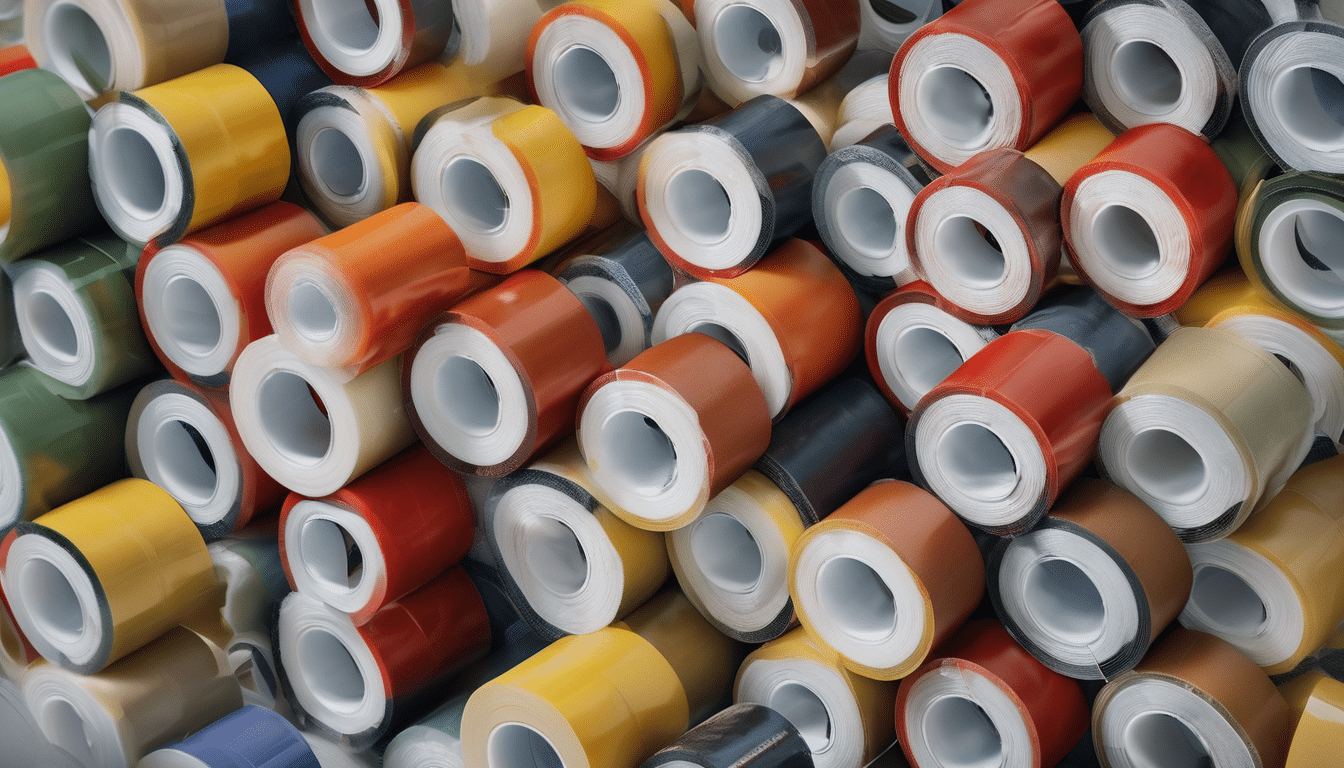
Choose Hvac Insulation Tape For Dubai Climate: How to Guide
In Dubai’s demanding climate, where air conditioning systems operate nearly year-round under extreme conditions, choosing the right HVAC insulation tape becomes critical for maintaining system efficiency and preventing energy loss. The intense heat, high humidity levels, and constant temperature fluctuations create unique challenges that standard insulation tapes simply cannot withstand. Understanding How to Choose HVAC insulation tape for Dubai climate conditions is essential for homeowners, facility managers, and HVAC professionals who want to ensure their systems perform optimally while reducing energy costs and preventing moisture-related issues.
The process of how to choose HVAC insulation tape for Dubai climate involves evaluating several key factors including temperature resistance, adhesive quality, moisture protection, and UV stability. With temperatures regularly exceeding 45°C during summer months and humidity levels that can promote mold growth and adhesive failure, selecting the wrong tape can lead to compromised insulation, energy waste, and potential system damage. This comprehensive guide will walk you through the essential considerations and practical steps for making the right choice for your specific needs.
Proper insulation tape selection is particularly important in Dubai’s environment because poorly chosen products can degrade quickly, leading to air leaks, condensation problems, and reduced cooling efficiency. The financial implications of incorrect tape selection can be significant, with energy losses potentially adding hundreds of AED to monthly cooling costs. By following the guidelines in this article, you’ll learn how to choose HVAC insulation tape for Dubai climate conditions effectively, ensuring your system remains efficient, reliable, and cost-effective throughout the year.
Choose Hvac Insulation Tape For Dubai Climate – Understanding Dubai Climate Challenges for HVAC Insulation
Contents
- 1 Choose Hvac Insulation Tape For Dubai Climate – Understanding Dubai Climate Challenges for HVAC Insulation
- 2 Key Factors in How to Choose HVAC Insulation Tape for Dubai Climate
- 3 Choose Hvac Insulation Tape For Dubai Climate – HVAC Insulation Tape Material Types Comparison
- 4 Temperature Resistance Requirements for Dubai Conditions
- 5 Moisture and Humidity Protection Considerations
- 6 Proper Application Techniques for Maximum Effectiveness
- 7 Common Mistakes to Avoid When Choosing Insulation Tape
- 8 Expert Tips for Insulation Tape Selection
- 9 Frequently Asked Questions
Dubai’s climate presents unique challenges for HVAC insulation materials that require special consideration when learning how to choose HVAC insulation tape for Dubai climate applications. The extreme summer temperatures, which regularly reach 45°C and can exceed 50°C during heatwaves, test the thermal stability of insulation tapes beyond standard requirements. These high temperatures can cause inferior tapes to degrade, lose adhesion, or become brittle, compromising their sealing effectiveness and insulation properties.
The high humidity levels, particularly during summer months when relative humidity can reach 90%, create additional challenges for how to choose HVAC insulation tape for Dubai climate conditions. Moisture penetration can lead to mold growth within insulation materials, adhesive failure, and reduced thermal performance. The constant cycling between extreme heat and air-conditioned cool temperatures also causes expansion and contraction that tests the tape’s flexibility and long-term adhesion capabilities.
Dust and sand particles prevalent in Dubai’s environment can interfere with tape adhesion and accelerate wear. When considering how to choose HVAC insulation tape for Dubai climate applications, these environmental factors must be prioritized to ensure the selected product can withstand the specific challenges of the region. The financial impact of improper tape selection in this climate can be substantial, with poor insulation leading to increased energy consumption and higher cooling costs that easily reach hundreds of AED monthly.
Key Factors in How to Choose HVAC Insulation Tape for Dubai Climate
When determining how to choose HVAC insulation tape for Dubai climate conditions, several critical factors must be evaluated to ensure optimal performance and longevity. Temperature rating is the foremost consideration, as tapes must withstand both the extreme external heat and the temperature differential between outdoor conditions and cooled air within ducts. Look for tapes rated for continuous use at temperatures up to 80°C, with some high-quality products offering resistance up to 100°C for additional safety margin.
Adhesive quality represents another essential factor in how to choose HVAC insulation tape for Dubai climate applications. The adhesive must maintain its bonding strength despite temperature fluctuations and humidity exposure. Acrylic-based adhesives typically perform better than rubber-based alternatives in high-temperature environments, offering superior UV resistance and maintaining adhesion integrity even when subjected to moisture and heat cycling. The tape should also feature strong initial tack to ensure immediate bonding during application.
Material flexibility and tear resistance are crucial considerations when learning how to choose HVAC insulation tape for Dubai climate conditions. The tape must accommodate the expansion and contraction of ductwork without cracking or losing adhesion. Reinforced foil tapes with fibreglass or polyester scrim provide excellent tear resistance and dimensional stability. UV resistance is particularly important for exterior applications or areas with sunlight exposure, as ultraviolet radiation can degrade many tape materials over time.
Choose Hvac Insulation Tape For Dubai Climate – HVAC Insulation Tape Material Types Comparison
Understanding different insulation tape materials is fundamental to knowing how to choose HVAC insulation tape for Dubai climate conditions effectively. Aluminium foil tapes represent the most common choice for professional HVAC applications, offering excellent temperature resistance, moisture barrier properties, and durability. High-quality foil tapes with acrylic adhesives typically cost between AED 15-40 per roll depending on width and length, providing good value for money given their performance characteristics.
PVC-based tapes offer good flexibility and moisture resistance but may not perform as well under extreme heat conditions common in Dubai. When considering how to choose HVAC insulation tape for Dubai climate applications, note that PVC tapes generally have lower temperature ratings (typically up to 70°C) and may become brittle or lose adhesion when exposed to prolonged high temperatures. These tapes usually range from AED 10-25 per roll but may require more frequent replacement in harsh conditions.
Butyl rubber tapes provide excellent waterproofing and adhesion to irregular surfaces but can be more expensive, typically costing AED 30-60 per roll. For those learning how to choose HVAC insulation tape for Dubai climate conditions, butyl tapes offer superior performance in high-humidity environments but may have limitations in extreme heat applications. Specialty high-temperature tapes using fibreglass or silicone materials represent premium options costing AED 50-100 per roll, designed for the most demanding applications where standard tapes might fail.
Cost vs Performance Analysis
The decision of how to choose HVAC insulation tape for Dubai climate conditions often involves balancing cost against performance requirements. While premium tapes may have higher initial costs, they typically offer better long-term value through reduced replacement frequency and maintained energy efficiency. For critical applications or exterior exposures, investing in higher-quality tapes rated for extreme conditions proves more economical over the system’s lifespan.
Temperature Resistance Requirements for Dubai Conditions
Temperature resistance represents the most critical factor when determining how to choose HVAC insulation tape for Dubai climate applications. The tape must withstand both the extreme ambient temperatures and the temperature differential between the external environment and the cooled air within the ducts. For Dubai conditions, select tapes rated for continuous service at minimum 80°C, with high-temperature variants rated to 100°C or more providing additional safety margin during peak summer conditions.
The process of how to choose HVAC insulation tape for Dubai climate conditions must consider not just maximum temperature ratings but also performance across temperature ranges. Quality tapes should maintain adhesion and flexibility across temperatures from -10°C to over 80°C to accommodate both winter conditions and extreme summer heat. This thermal cycling capability prevents the tape from becoming brittle in cooler conditions or losing adhesion during temperature spikes.
When evaluating how to choose HVAC insulation tape for Dubai climate applications, verify that manufacturers provide certified temperature ratings based on standardized testing rather than marketing claims. Reputable brands will specify both the maximum continuous service temperature and the short-term peak temperature tolerance. For exterior applications or ducts exposed to direct sunlight, consider that surface temperatures can exceed ambient air temperatures by 15-20°C, requiring correspondingly higher temperature ratings.
Moisture and Humidity Protection Considerations
Moisture resistance is equally important as temperature tolerance when learning how to choose HVAC insulation tape for Dubai climate conditions. High humidity levels, particularly during summer months, can compromise adhesive performance and promote mold growth beneath improperly sealed insulation. Select tapes with waterproof or highly water-resistant properties to prevent moisture penetration that could lead to insulation degradation and reduced thermal performance.
The decision of how to choose HVAC insulation tape for Dubai climate applications should include evaluation of the tape’s vapour barrier properties. Quality foil tapes provide excellent vapour barriers, preventing moisture migration through the tape layer. This characteristic is particularly important in Dubai’s climate where high outdoor humidity meets air-conditioned interiors, creating conditions conducive to condensation within ductwork if not properly sealed.
When determining how to choose HVAC insulation tape for Dubai climate conditions, consider the tape’s performance in high-humidity environments specifically. Some adhesives may absorb moisture from humid air, leading to reduced bonding strength or complete adhesive failure. Acrylic-based adhesives typically outperform rubber-based alternatives in humid conditions, maintaining adhesion integrity even when exposed to moisture during application or throughout the tape’s service life.
Proper Application Techniques for Maximum Effectiveness
Proper application is as important as product selection when learning how to choose HVAC insulation tape for Dubai climate conditions. Surface preparation represents the first critical step—ensure all surfaces are clean, dry, and free from dust, oil, or existing adhesive residues. In Dubai’s dusty environment, this may require thorough cleaning with appropriate solvents followed by complete drying before tape application to ensure optimal adhesion.
The technique of how to choose HVAC insulation tape for Dubai climate conditions extends to application methods that accommodate thermal expansion. Apply tape under slight tension, smoothing it carefully to eliminate air bubbles or wrinkles that could compromise the seal. For best results in Dubai’s temperature-fluctuating environment, apply tape when temperatures are moderate (20-30°C) rather than during extreme heat when materials may be more pliable and prone to stretching.
When implementing how to choose HVAC insulation tape for Dubai climate applications, consider overlap requirements for complete sealing. Standard practice involves minimum 50mm overlaps on seams, with additional sealing at joints and connections. For critical applications or exterior exposures, consider applying two layers of tape with staggered seams for enhanced protection against the elements. Always follow manufacturer recommendations for application temperature ranges and surface preparation specific to the chosen product.
Common Mistakes to Avoid When Choosing Insulation Tape
Several common errors can undermine the process of how to choose HVAC insulation tape for Dubai climate conditions effectively. Selecting based solely on price represents a frequent mistake, as cheaper tapes may lack the temperature resistance, UV stability, or adhesive quality needed for Dubai’s challenging environment. While budget considerations are important, prioritising performance characteristics appropriate for local conditions proves more cost-effective long-term.
Another error in how to choose HVAC insulation tape for Dubai climate applications involves neglecting specific application requirements. Using interior-rated tapes for exterior applications or selecting general-purpose tapes for high-temperature areas can lead to premature failure. Always verify that the chosen tape matches the specific environmental conditions and exposure levels it will encounter throughout its service life in Dubai’s climate.
Overlooking manufacturer specifications and certifications represents a third common mistake when determining how to choose HVAC insulation tape for Dubai climate conditions. Reputable products will provide detailed technical specifications including temperature ratings, adhesion strength, elongation properties, and UV resistance. Look for tapes that meet recognized industry standards such as UL listings or equivalent certifications that validate performance claims under tested conditions.
Expert Tips for Insulation Tape Selection
Based on extensive experience with Dubai’s climate conditions, several expert tips can enhance your approach to how to choose HVAC insulation tape for Dubai climate applications. First, always purchase from reputable suppliers who specialize in HVAC materials rather than general hardware stores. Specialist suppliers typically carry higher-quality products specifically designed for professional applications in challenging environments.
When implementing how to choose HVAC insulation tape for Dubai climate conditions, consider purchasing small quantities of different tapes for testing before committing to large volumes. Apply samples to test surfaces and expose them to realistic conditions—direct sunlight, temperature variations, and moisture exposure—to evaluate performance before full-scale application. This testing approach can prevent costly mistakes and ensure the selected tape meets your specific requirements.
Another professional tip for how to choose HVAC insulation tape for Dubai climate applications involves consulting with HVAC professionals who have local experience. These experts can provide valuable insights into which products have proven most effective in similar applications and environmental conditions. Many reputable HVAC service companies in Dubai can recommend specific tape brands that have demonstrated reliable performance in the local climate over multiple seasons.
Frequently Asked Questions
How often should HVAC insulation tape be replaced in Dubai’s climate?
In Dubai’s extreme climate, high-quality HVAC insulation tape typically requires inspection annually and replacement every 2-3 years for exterior applications or areas with significant temperature exposure. Interior applications may last 3-5 years with proper installation. Regular inspection after summer months is recommended to identify any degradation from seasonal heat stress.
Can I use standard duct tape for HVAC insulation in Dubai?
Standard duct tape is not recommended for HVAC applications in Dubai’s climate. These tapes lack the temperature resistance, UV stability, and long-term adhesion properties required for reliable performance. They typically degrade quickly under high temperatures and humidity, leading to failed seals and reduced system efficiency.
What width of insulation tape is most practical for DIY applications?
For most DIY applications in Dubai homes, 50mm or 75mm wide tapes provide good handling characteristics and coverage. Wider tapes (100mm) offer faster coverage for large areas but can be more challenging to handle without wrinkles. Narrower tapes (25mm) work well for detailed work but require more time for extensive applications.
Are there specific brands that perform well in Dubai’s climate?
Several international brands have proven performance in Dubai’s conditions, including 3M, Nashua, and Scapa professional-grade foil tapes. Local HVAC professionals often have preferences based on hands-on experience with various products in the specific environmental conditions found across different Emirates.
Selecting the right HVAC insulation tape for Dubai’s challenging climate requires careful consideration of temperature resistance, moisture protection, and application-specific requirements. By following the guidelines outlined in this article, you can make informed decisions that ensure your HVAC system maintains efficiency, reduces energy costs, and provides reliable performance throughout the year. Remember that investing in quality materials appropriate for local conditions proves more economical long-term through reduced replacement needs and maintained system performance. Understanding Choose Hvac Insulation Tape For Dubai Climate is key to success in this area.


Leave a Reply