

9 Essential Technical Guidelines for Indoor Air Quality Dubai: Smart Cost-Saving Strategies for Aircon Upkeep
Table of Contents
Contents
- 1 Table of Contents
- 2 Importance of Indoor Air Quality Dubai
- 3 Overview of Technical Guidelines for Indoor Air Quality Dubai
- 4 Key Components of Effective Aircon Maintenance Dubai
- 5 Smart Cost-Saving Strategies for Aircon Upkeep
- 6 Compliance with Dubai Municipality Standards
- 7 Common FAQs about Technical Guidelines for Indoor Air Quality Dubai
- 7.1 Q1: How often should air filters be changed according to the technical guidelines for indoor air quality Dubai?
- 7.2 Q2: Are there specific humidity levels recommended for indoor air quality in Dubai?
- 7.3 Q3: What certifications should aircon technicians hold under Dubai regulations?
- 7.4 Q4: Can old aircon units comply with Dubai indoor air quality standards?
- 7.5 Q5: How do these technical guidelines affect energy consumption?
- 8 Case Study: Real-World Application in Dubai Properties
- 9 Conclusion and CTA
- 10 Understanding the Technical Guidelines for Indoor Air Quality Dubai
Importance of Indoor Air Quality Dubai
The technical guidelines for indoor air quality Dubai are crucial to ensuring healthy environments in residential, commercial, and public buildings throughout the city. Dubai’s hot climate results in extensive use of air conditioning systems, making it vital that these systems are maintained properly to ensure clean, safe air and prevent the spread of pollutants and allergens indoors.
Indoor air quality impacts respiratory health, productivity, and overall comfort. Without adherence to technical guidelines for indoor air quality Dubai, buildings risk poor ventilation, buildup of harmful particles, and inefficient air conditioning operation that can lead to costly repairs and health hazards.
Overview of Technical Guidelines for Indoor Air Quality Dubai
Dubai Municipality and other regulatory authorities have developed comprehensive technical guidelines for indoor air quality Dubai to regulate indoor air standards and ensure public well-being. These guidelines emphasize ventilation rates, filtration standards, humidity control, and systematic aircon maintenance tailored for the environmental conditions of the region.
Implementing these measures not only ensures compliance but also enhances energy efficiency and reduces running costs for air conditioning units.
Key Components of Effective Aircon Maintenance Dubai
Maintaining indoor air quality through proper aircon upkeep in Dubai is tied directly to several technical areas:
1. Routine Filter Replacement
Filters trap dust, allergens, and particulate matter. The technical guidelines for indoor air quality Dubai recommend replacing or cleaning filters every 1–3 months depending on usage and pollution levels in neighborhoods like Business Bay or Dubai Marina.
2. Duct Cleaning and Inspection
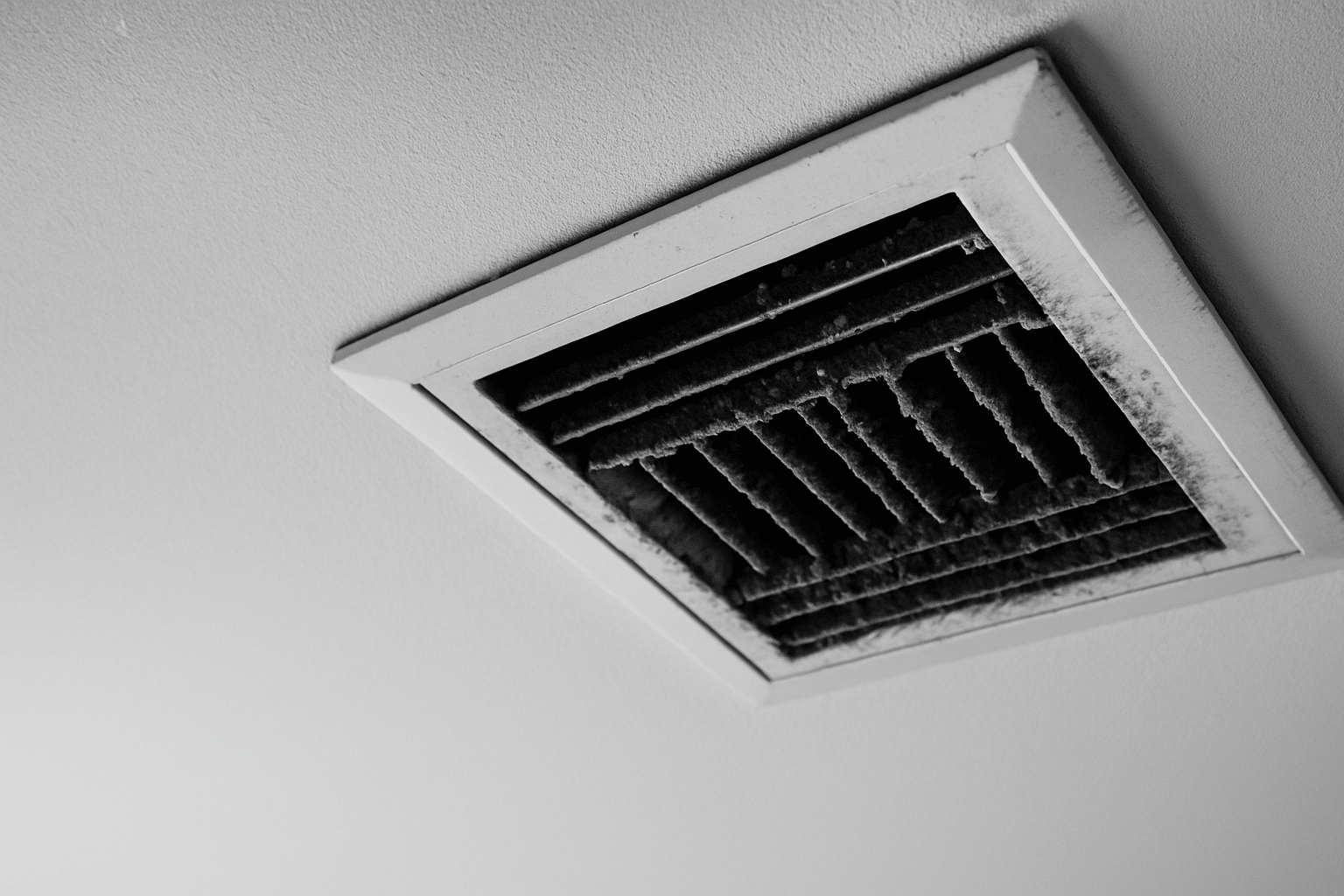
Dust and microbial buildup inside ducts can degrade air quality. Scheduled cleaning aligns with Dubai Municipality requirements and prevents contamination. Inspections detect leaks or blockages that lower system efficiency.
3. System Calibration and Efficiency Checks
Regular technical audits ensure air conditioning units operate within optimal parameters to maintain airflow and temperature control while minimizing energy consumption.
4. Humidity Control Measures
Excess humidity fosters mold growth, negatively impacting air quality. Technical guidelines for indoor air quality Dubai stress the installation of humidity sensors and timely dehumidifier system adjustments.
Smart Cost-Saving Strategies for Aircon Upkeep
Adhering to technical guidelines for indoor air quality Dubai provides a foundation for cost savings in aircon maintenance. The following strategies are particularly effective:
- Scheduled Preventive Maintenance: Proactively servicing aircons before failures prevents expensive repairs and prolongs lifespan.
- Using Quality Replacement Parts: While initial costs may appear higher, quality filters and parts reduce downtime and energy use.
- Energy-Efficient Technologies: Upgrading to inverter ACs or smart thermostat systems can lower electricity bills significantly.
- Regular Cleaning Routines: Keeping condensers, evaporators, and ducts clean ensures maximum system efficiency.
- Staff Training: Educating building operators about the technical guidelines for indoor air quality Dubai helps maintain standards and avoid shortcuts.
| Strategy | Benefit | Implementation Tip |
|---|---|---|
| Preventive Maintenance | Reduces repair costs | Schedule quarterly inspections |
| Quality Parts | Enhances durability | Source parts compliant with Dubai standards |
| Energy-Efficient Equipment | Lower energy bills | Install smart thermostats |
Compliance with Dubai Municipality Standards
For buildings in Dubai, following the technical guidelines for indoor air quality Dubai set by Dubai Municipality and Dubai Health Authority (DHA) is mandatory. Compliance not only ensures legal conformity but promotes safer workspaces and homes.
Dubai Municipality publishes specific protocols for HVAC installation, maintenance, and indoor air quality testing. These include certification requirements for service providers and periodic reporting of indoor air quality metrics.
Investors and property managers in districts such as Downtown Dubai, Arabian Ranches, and Nad Al Sheba find these standards invaluable for preserving asset value and tenant satisfaction.
Common FAQs about Technical Guidelines for Indoor Air Quality Dubai
Q1: How often should air filters be changed according to the technical guidelines for indoor air quality Dubai?
Filters should be cleaned or replaced every 1 to 3 months depending on environmental conditions and aircon usage intensity.
Q2: Are there specific humidity levels recommended for indoor air quality in Dubai?
Yes, guidelines recommend maintaining relative humidity between 40% and 60% to prevent mold and maintain comfort.
Q3: What certifications should aircon technicians hold under Dubai regulations?
Technicians must be certified by Dubai Municipality or approved bodies demonstrating adherence to local technical guidelines for indoor air quality Dubai.
Q4: Can old aircon units comply with Dubai indoor air quality standards?
Older models may require upgrades or retrofitting with modern filtration and controls to meet current standards efficiently.
Q5: How do these technical guidelines affect energy consumption?
Properly following guidelines improves system efficiency, reducing energy use and operational costs over time.
For more in-depth regulations, visit the Dubai Municipality official site.
Case Study: Real-World Application in Dubai Properties
One notable example of applying technical guidelines for indoor air quality Dubai is a luxury residence in Dubai Marina. The property management implemented a comprehensive maintenance plan focusing on filter replacement, duct cleaning, and humidity control.
Within months, the building reported improved airflow, reduced energy consumption, and fewer tenant complaints about air quality. This proactive approach saved significant maintenance expenses while aligning with Dubai Municipality standards.
This illustrates how adhering to the technical guidelines for indoor air quality Dubai can result in practical benefits beyond regulatory compliance.
Conclusion and CTA
Following the technical guidelines for indoor air quality Dubai is not only a regulatory requirement but a smart investment in health, efficiency, and long-term savings. By adopting proven cost-saving strategies for aircon upkeep, building owners and managers can ensure cleaner air, reduce operational expenses, and prolong the lifespan of their HVAC assets.
For expert aircon maintenance services tailored for Dubai properties, consider consulting trusted local providers who specialize in implementing these technical guidelines. Achieving excellent indoor air quality is achievable with the right knowledge and consistent practices.
Learn more about practical air conditioning upkeep and compliance by visiting our internal resource on aircon maintenance in Dubai.
Understanding the Technical Guidelines for Indoor Air Quality Dubai
Maintaining optimal indoor air quality (IAQ) in Dubai is a vital aspect of ensuring healthy living and working environments in the city’s diverse range of buildings—from high-rise offices in Business Bay to residential complexes in Arabian Ranches. The climatic conditions, rapid urban development, and high population density in Dubai necessitate strict adherence to specialized regulations tailored to local environmental and health considerations. These guidelines are designed to provide a comprehensive framework that addresses factors such as pollutant control, ventilation requirements, and monitoring processes specific to this dynamic urban landscape.
Dubai Municipality, in coordination with health authorities such as the Dubai Health Authority (DHA) and the Dubai Environment Department, has spearheaded the formulation of these guidelines. They align with local regulations in Dubai while emphasizing the unique environmental challenges in the city, such as dust storms, high humidity levels, and extensive use of air conditioning due to the desert climate.
Core Elements of Dubai’s Indoor Air Quality Standards
At the heart of these guidelines is a commitment to minimizing exposure to harmful pollutants while maximizing comfort and safety indoors. The guidelines are structured around several key components:
1. Air Quality Parameters and Pollutant Limits
Dubai’s indoor air quality regulations specify permissible concentration levels for pollutants such as particulate matter (especially PM2.5 and PM10), carbon monoxide (CO), carbon dioxide (CO2), volatile organic compounds (VOCs), formaldehyde, nitrogen dioxide (NO2), and ozone. These thresholds are set according to recommendations by Dubai Municipality and tailored to minimize health risks considering local environmental factors. For instance, elevated PM2.5 levels are common during dust events in Dubai, prompting more stringent indoor filtration requirements.
2. Ventilation and Air Exchange Rates
The guidelines emphasize adequate ventilation to ensure sufficient air exchange with the outdoors while maintaining thermal comfort. Specific airflow rates for various building types—residential, commercial, healthcare, educational—are prescribed to prevent the buildup of indoor contaminants. Mechanical ventilation systems must be optimized to handle Dubai’s hot climate efficiently, often integrating demand-controlled ventilation with advanced filtration systems to reduce energy expenditure without compromising IAQ.
3. HVAC System Design and Maintenance
Heating, ventilation, and air conditioning (HVAC) systems are central to managing indoor air quality in Dubai. The technical guidelines require the use of high-efficiency particulate air (HEPA) filters or equivalent, regular maintenance schedules, and adherence to hygiene protocols to prevent microbial contamination, including mold growth encouraged by Dubai’s humidity fluctuations. HVAC design must also consider filtration of desert dust particles, which are prevalent in the city and can degrade indoor air quality significantly.
Implementation and Monitoring Protocols
These guidelines not only prescribe control measures but also include detailed recommendations for continuous monitoring and verification of IAQ within occupied spaces.
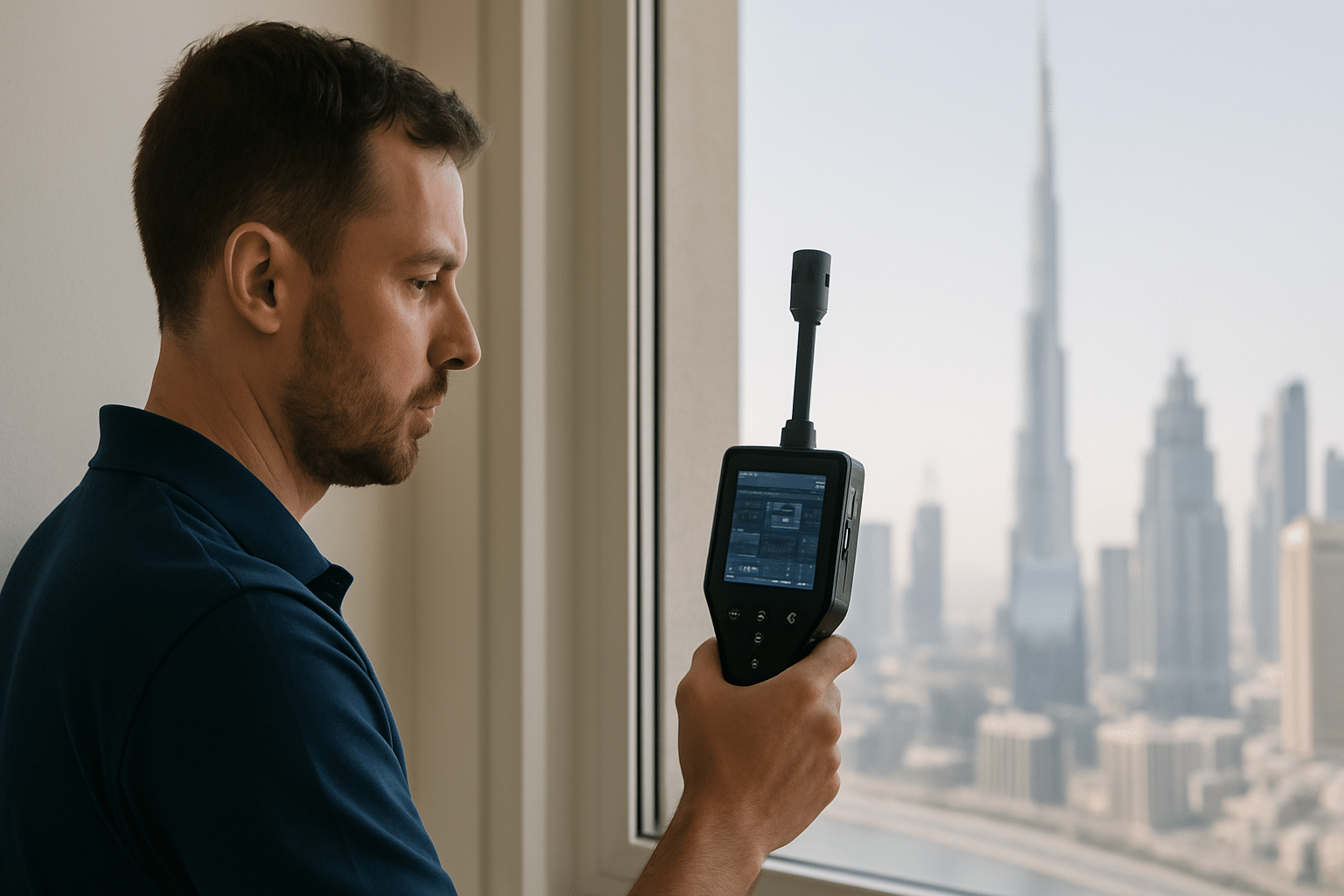
- Continuous IAQ Monitoring: Facilities are encouraged to install real-time air quality monitoring systems capable of detecting key pollutants and alerting building managers to deviations from acceptable ranges. Dubai Municipality promotes the integration of such smart systems in commercial buildings and hospitals across Dubai Marina and Downtown Dubai.
- Regular Inspection and Reporting: In line with Dubai Health & Safety standards, buildings must conduct periodic IAQ inspections, documenting pollutant concentrations, ventilation performance, and HVAC maintenance activities. Reports must be submitted to regulatory authorities as part of compliance checks, ensuring ongoing alignment with health and safety mandates.
- Response and Remediation Plans: The guidelines call for proactive measures to address IAQ issues promptly. For example, if pollutant levels exceed allowable limits due to unexpected events like construction dust intrusion at a Business Bay site, corrective actions such as enhanced filtration, temporary evacuation, or structural sealing must be undertaken immediately.
Additional Local Considerations in Dubai’s Indoor Air Quality Management
Beyond the standard technical provisions, Dubai’s IAQ guidelines reflect local conditions and priorities:
- Climate Adaptation: The extreme heat in Dubai requires IAQ solutions that balance air purification with energy efficiency in cooling systems, a major concern for sustainable building operations in neighborhoods like Medos and Nad Al Sheba.
- Building Use and Occupancy Patterns: The transient population and diverse commercial activities in Dubai Marina and Jumeirah necessitate customized ventilation strategies to manage pollutant loads effectively in different usage contexts.
- Integration with Smart City Initiatives: Dubai’s commitment to becoming a smart city encourages the incorporation of digital IAQ management tools, linking air quality data with building management systems and public health dashboards.
- Dust Mitigation: Given Dubai’s frequent dust storms, the guidelines prioritize dust ingress prevention methods, including enhanced sealing of building envelopes and use of specialized filtration media within HVAC systems.
Summary: Key Takeaways for Compliance in Dubai
To summarize, these guidelines provide a robust framework grounded in local environmental realities and regulatory oversight by Dubai Municipality and related bodies. Building owners, managers, and developers operating in Dubai’s prominent localities such as Arabian Ranches and Downtown Dubai must prioritize the following:
- Adhere strictly to mandatory pollutant concentration limits tailored for Dubai’s environment.
- Design, operate, and maintain ventilation and HVAC systems optimized for desert climate conditions.
- Implement continuous IAQ monitoring systems with rapid response protocols.
- Consider local factors including dust storms, high humidity, and varied building occupancy.
- Report regularly to Dubai’s regulatory agencies to ensure ongoing compliance.
By following these guidelines, stakeholders can contribute to creating healthier indoor environments which protect occupant health, improve comfort, and support Dubai’s vision for sustainable urban development.

Leave a Reply