


Mold Remediation Techniques In Healthcare Facilities
Understanding Mold Remediation Techniques In Healthcare Facilities is essential.
Introduction to Mold Remediation in Healthcare Facilities
Contents
- 1 Introduction to Mold Remediation in Healthcare Facilities
- 2 Mold Remediation Techniques In Healthcare Facilities – Understanding the Risk of Mold Growth
- 3 Mold Remediation Techniques In Healthcare Facilities – Strategies for Preventive Maintenance
- 4 Mold Remediation Techniques In Healthcare Facilities – HVAC System Disinfection Strategies for High-Risk Areas
- 5 Environmental Cleaning Procedures and Techniques
- 6 Indoor Air Quality Testing Methods for Medical Environments
- 7 Mold Remediation Examples and Case Studies
- 8 Expert Tips for Mold Prevention in Healthcare Facilities
- 9 FAQ on Mold Remediation in Healthcare Facilities
- 10 Conclusion on Mold Management Strategies
Mold remediation techniques are crucial for maintaining clean indoor air quality (IAQ) in healthcare facilities, especially given the high-risk nature of these environments. In Dubai and other parts of the Middle East, where the climate often supports mold growth, it is imperative to address this issue proactively.
Mold Remediation Techniques In Healthcare Facilities – Understanding the Risk of Mold Growth
Mold can thrive in healthcare facilities due to factors like high humidity levels, continuous AC operation, and the presence of water leaks. This risk is compounded by the importance of sterile environments required for patient care, making mold remediation a priority.
Mold Remediation Techniques In Healthcare Facilities – Strategies for Preventive Maintenance
Regular preventive maintenance can significantly reduce the likelihood of mold growth. Key strategies include:
- Dry HVAC systems promptly: Address any water leaks immediately to prevent moisture accumulation.
- Implement air filtration systems: Use HEPA filters and advanced HVAC technologies to remove airborne contaminants, including spores.
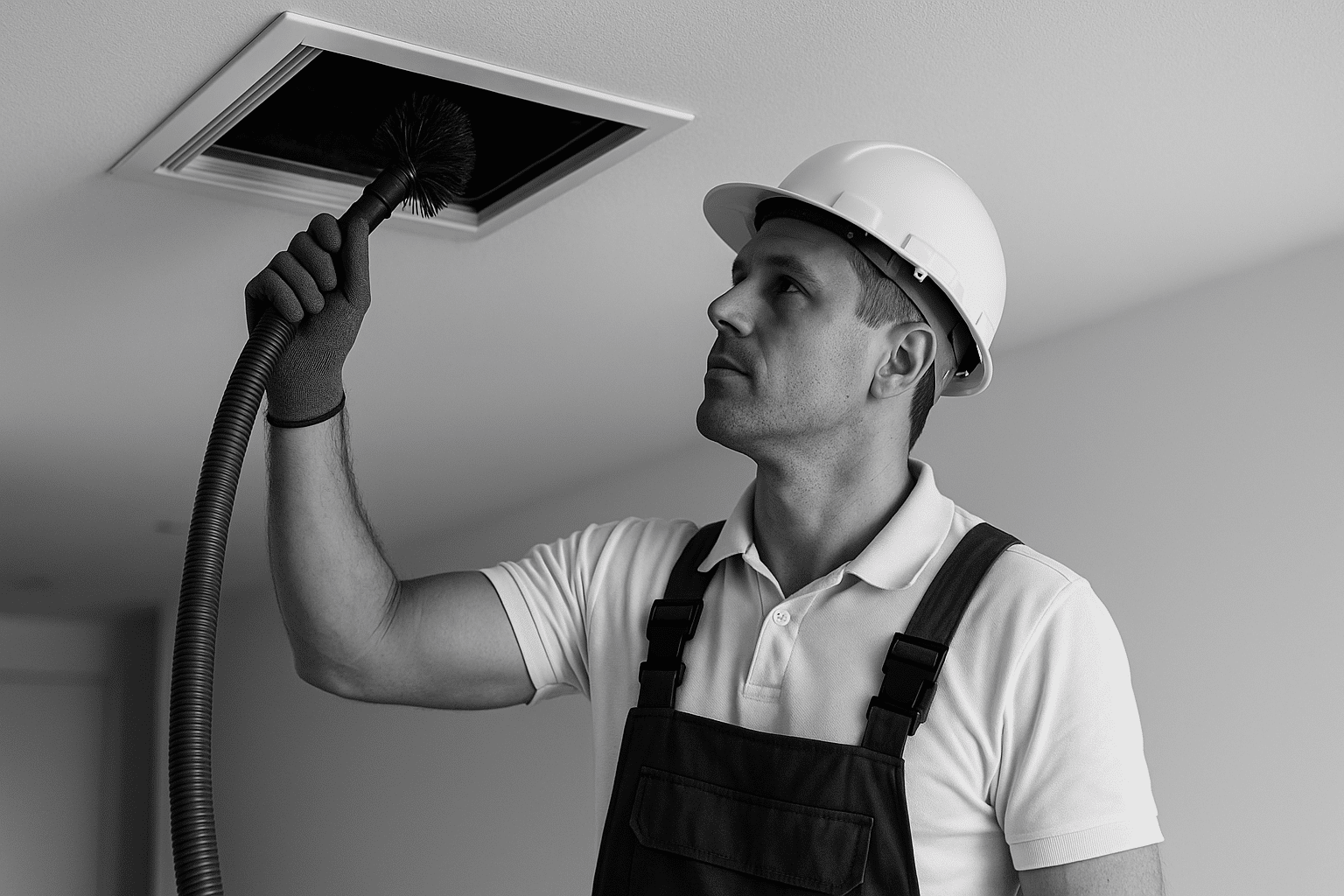
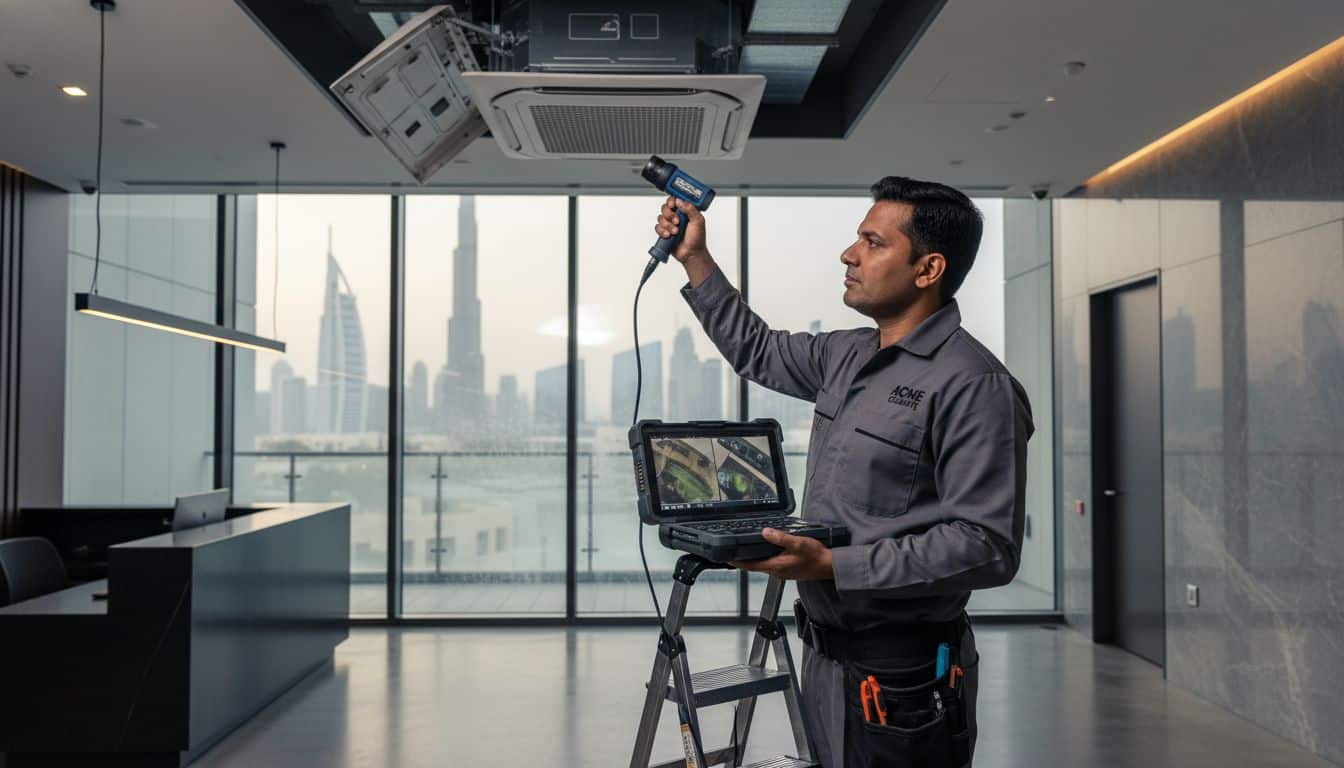
- Regular AC cleaning: Deep clean and disinfect AC ducts at least twice a year to eliminate mold colonies.
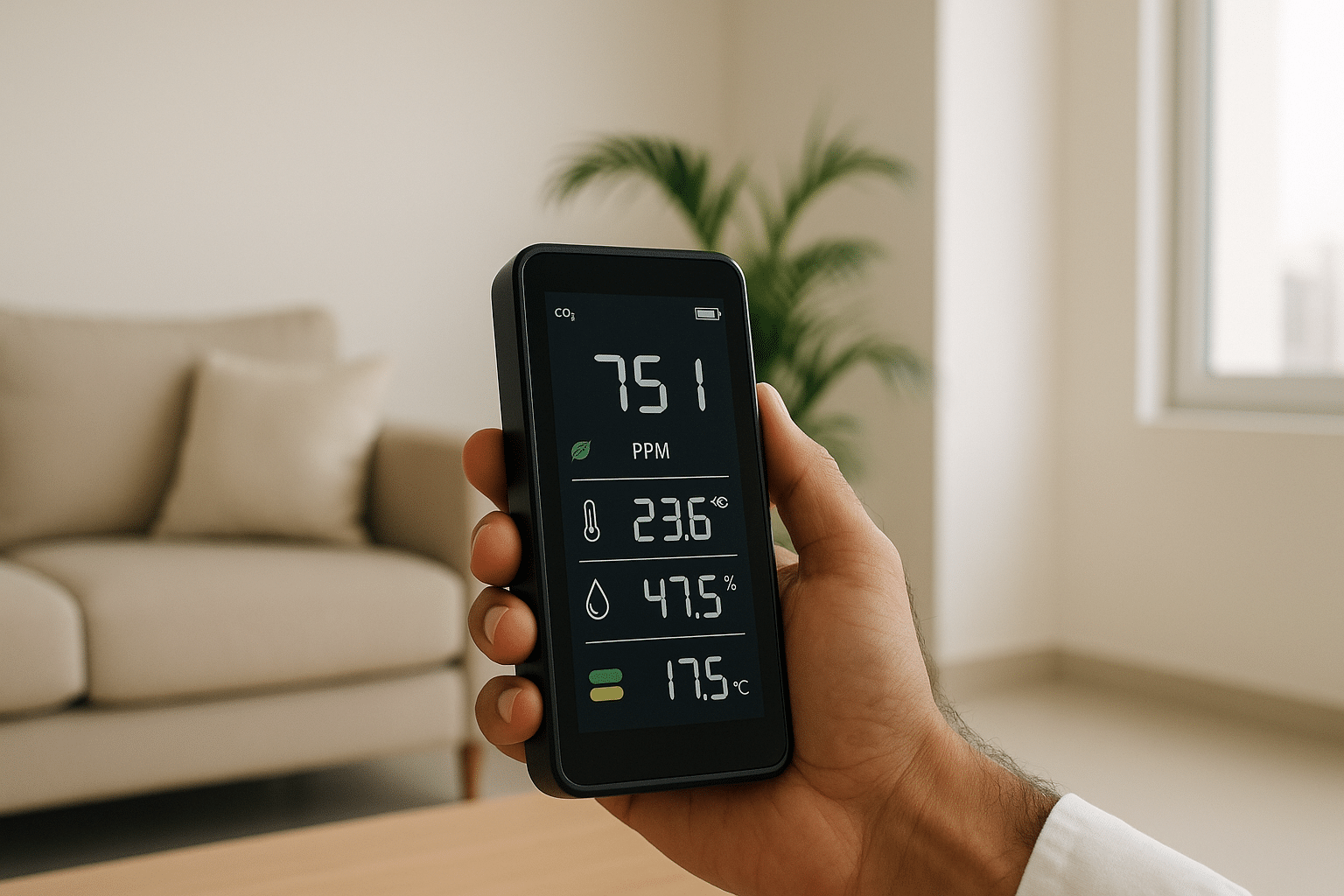
- Monitor IAQ regularly: Use air quality monitoring tools to detect changes that could indicate mold growth.
Mold Remediation Techniques In Healthcare Facilities – HVAC System Disinfection Strategies for High-Risk Areas
Mold spores can circulate in the HVAC system and spread throughout the facility. Effective disinfection strategies include:
- Antibacterial treatments: Apply EPA-approved disinfectants to evaporator coils, condenser units, and ductwork.
- Biofilm removal: Use mechanical methods like flushing drain pans with antifungal solutions.
- Negative pressure systems: Employ HEPA-filtered systems for controlled chemical application during disinfection processes.
Environmental Cleaning Procedures and Techniques
Proper environmental cleaning is essential to prevent mold growth. Best practices include:
- Dry surfaces thoroughly: Immediately dry any water-damaged areas to prevent mold from developing.
- Clean with appropriate agents: Use environmentally friendly, yet effective, cleaners that are safe for use in healthcare settings.
- Regular inspections: Conduct visual and tactile inspections of surfaces to identify signs of moisture or mold growth.
Indoor Air Quality Testing Methods for Medical Environments
IAQ testing is vital in healthcare facilities to ensure compliance with local regulations. Common methods include:
- Air sampling techniques: Use swabs or air collection devices to test for mold spores and other contaminants.
- Mold-specific tests: Utilize specialized equipment like PCR tests to identify specific species of mold present in the environment.
- Humidity monitoring: Measure relative humidity levels using hygrometers to prevent conditions favorable for mold growth.
Mold Remediation Examples and Case Studies
Several case studies highlight the importance of effective mold remediation strategies in healthcare facilities:
- Clinic A: After identifying moisture issues, Clinic A implemented a comprehensive AC cleaning program. This included deep duct cleaning and coil disinfection, resulting in a significant reduction in mold growth.
- Hospital B: Hospital B faced recurring mold problems due to high humidity levels. By installing advanced HVAC systems with built-in air filtration and regularly scheduling inspections, they were able to maintain a cleaner environment for their patients.
Expert Tips for Mold Prevention in Healthcare Facilities
Here are some practical tips to help prevent mold growth:
- Control humidity levels: Maintain indoor relative humidity between 30-50% using dehumidifiers or air conditioning units.
- Inspect AC systems regularly: Schedule routine checks and cleanings to identify potential issues early on.
- Use appropriate disinfectants: Choose human-safe products that are effective against mold and biofilm.
- Train staff on IAQ practices: Educate all facility personnel about the importance of proper cleaning and maintenance routines.
Read more: Indoor Air Quality Testing Methods For Medical Environments
FAQ on Mold Remediation in Healthcare Facilities
Here are answers to some frequently asked questions:
- Q: How often should I clean my AC system?
A: It is recommended to perform thorough cleaning and disinfection at least twice a year, especially during seasonal changes. - Q: Can mold growth be prevented with proper IAQ testing?
A: Yes, regular IAQ testing can help identify potential issues early on, allowing for timely interventions before mold becomes a significant problem.
Conclusion on Mold Management Strategies
Mold remediation in healthcare facilities is critical to ensuring clean indoor air quality and patient safety. By implementing preventive maintenance strategies, using advanced HVAC disinfection techniques, and regularly testing IAQ, healthcare providers can effectively manage mold growth and maintain a healthier environment for all occupants.

Leave a Reply