

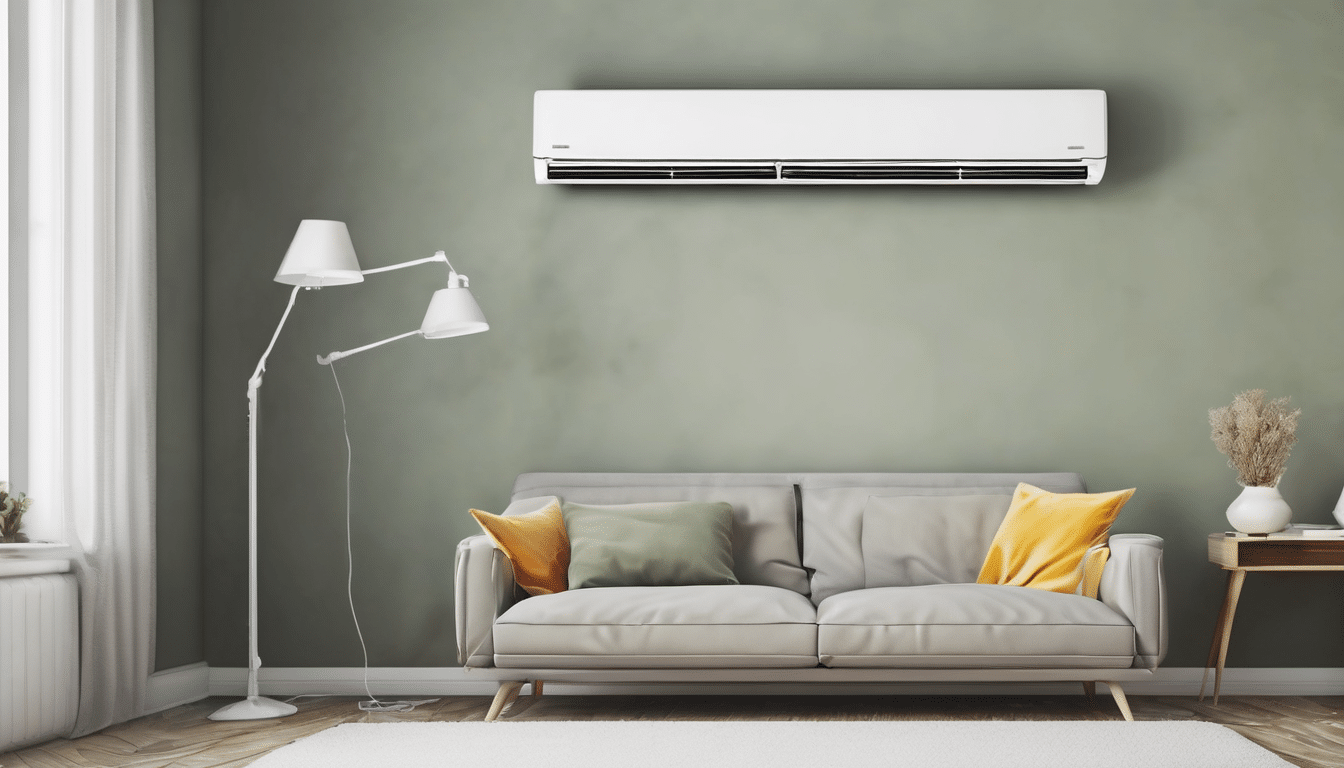
7 Essential Tips To Eliminate Musty Odors
Understanding Advanced Ac Cleaning Techniques To Eliminate Musty Odors is essential.
To keep your air conditioning system running smoothly and prevent musty odors, explore these 7 advanced AC cleaning methods tailored for the unique climate of Dubai.
7 Advanced AC Cleaning Techniques to Eliminate Musty Odors
Contents
- 1 Understanding Advanced AC Cleaning Techniques to Eliminate Musty Odors
- 2 Preventing Mold Growth Inside AC Systems
- 3 Deep Dust Removal from Coils and Drain Pans
- 4 Biofilm Elimination for Better Air Quality
- 5 Anti-Microbial Disinfection Processes
- 6 Using Hi-Efficiency Filters to Prevent Contaminants
- 7 Post-Cleaning Maintenance and Documentation
Understanding the importance of advanced AC cleaning techniques in Dubai, where year-round air conditioning is a necessity, cannot be overstated. Musty odors can significantly impact indoor air quality and comfort, making it essential to adopt comprehensive strategies for thorough cleaning and disinfection.
Understanding Advanced AC Cleaning Techniques to Eliminate Musty Odors
To eliminate musty odors in dubai’s climate presents unique challenges that can lead to musty odors in air conditioning systems. High humidity, dust accumulation, and continuous operation all contribute to the growth of mold, bacteria, and biofilm within the system. By employing advanced cleaning techniques and to eliminate musty odors, you can ensure your AC remains free from these odor-causing contaminants.
1. Identifying Hidden Dangers: Mold and Biofilm
Mold spores thrive in humid environments, such as those found inside air conditioning systems. Over time, they can form biofilms—sticky layers that harbor bacteria and other microorganisms. These biofilms produce volatile organic compounds (VOCs) that result in musty odors.
2. Deep Cleaning Coils and Drain Pans
Coils and drain pans are critical areas where dust, moisture, and mold can accumulate. A thorough cleaning involves using specialized tools to remove debris and biofilm from these components, ensuring proper airflow and preventing odor buildup.
Preventing Mold Growth Inside AC Systems
Mold growth inside an air conditioning system can be prevented through a combination of regular cleaning, dehumidification, and the use of appropriate chemicals. Here’s how to address this issue:
1. Drying Out the System
Excess moisture is a primary contributor to mold growth. Use desiccant packs or dehumidifiers during periods when your AC system is not in operation. This helps maintain low humidity levels, reducing the risk of mold.
2. Chemical Treatment for Mold
Apply anti-microbial agents specifically designed for HVAC systems to kill existing mold and prevent new growth. Ensure that these chemicals are safe for use in occupied spaces with minimal disruption.
Deep Dust Removal from Coils and Drain Pans
Dust accumulation can block airflow, leading to poor performance and musty odors. Here’s how to effectively clean these areas:
1. Manual Cleaning of Coils
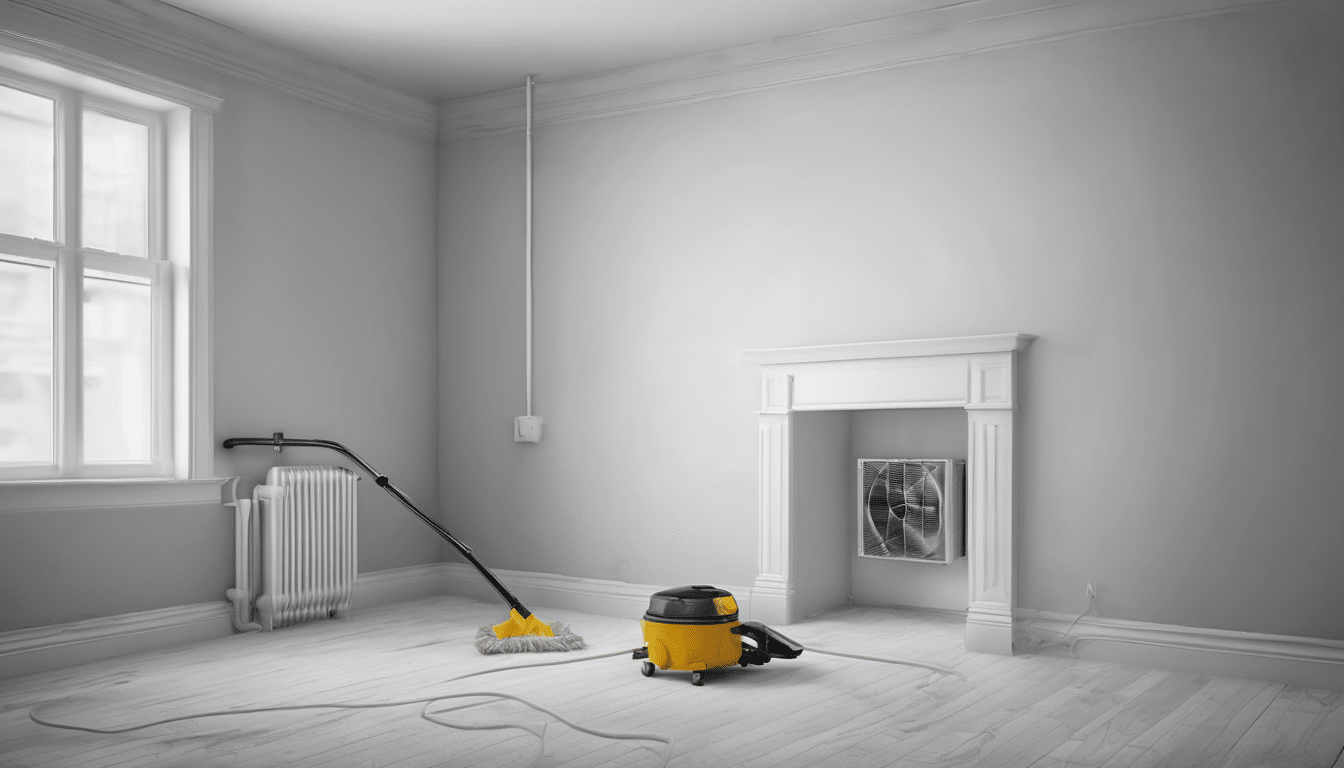
Use a soft brush or vacuum cleaner with attachments to gently remove dust from the coils. Be cautious not to damage the delicate fins.
2. Draining and Cleaning Drain Pans
Drain pans often become clogged with debris, leading to water accumulation and subsequent mold growth. Clean these pans regularly using a mixture of water and mild detergent, then rinse thoroughly and dry before reinstalling them.
Biofilm Elimination for Better Air Quality
Biofilms are complex communities of microorganisms that adhere to surfaces inside AC systems. They can be challenging to remove but are crucial for maintaining good indoor air quality:
1. Using Biocides and Enzymes
Apply biocides or enzyme-based cleaners designed to break down biofilm structures. These products should be used according to manufacturer guidelines to ensure effectiveness.
2. Regular maintenance Scheduling
Establish a regular maintenance schedule that includes biofilm cleaning to prevent its buildup and maintain optimal air quality in your home or office.
Anti-Microbial Disinfection Processes
Disinfecting your AC system is essential for eliminating bacteria, viruses, and mold spores. Here are some effective methods:
1. Chlorine-Based Solutions
Chlorine-based disinfectants are powerful against a wide range of microorganisms. Follow the manufacturer’s instructions carefully to apply these solutions safely.
2. UVC Light Treatment
Ultraviolet-C (UVC) light can be used as an additional step in your cleaning process. It works by disrupting the DNA of microorganisms, rendering them inactive or killing them outright.
Using Hi-Efficiency Filters to Prevent Contaminants
High-efficiency particulate absorbing (HEPA) filters can significantly reduce airborne contaminants. Here’s how they work:
1. Installing HEPA Filters
Replace your standard air filter with a HEPA filter, which captures 99.97% of particles as small as 0.3 microns. This reduces the amount of dust, pollen, and other allergens that circulate in your home.
2. Regular Replacement Schedule
HEPA filters should be replaced every three months or sooner if they become dirty. Proper filter replacement ensures continuous protection against contaminants.
Post-Cleaning Maintenance and Documentation
After cleaning your AC system, it’s important to maintain its hygiene to prevent future issues:
1. Regular Inspection and Testing
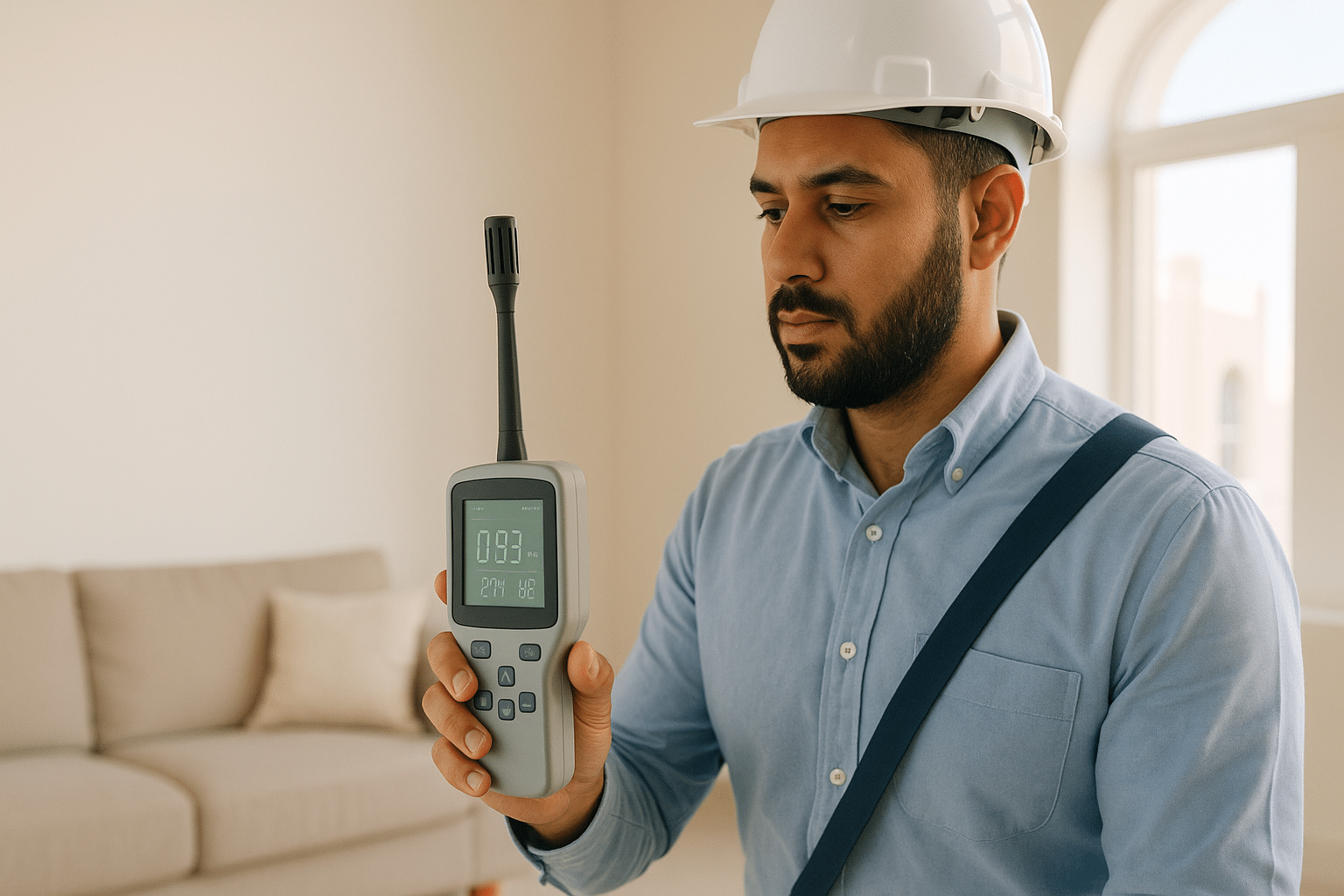
Schedule regular inspections of your AC system to check for any signs of mold or biofilm growth. Use air quality testing devices to ensure the system is functioning properly.
2. Documenting Cleaning Activities
Keep detailed records of all cleaning activities, including dates, methods used, and any issues identified. This documentation can help you track progress and make adjustments as needed.
Expert Tips for Advanced AC Cleaning
1. Prioritize Regular Maintenance: Consistent care is key to preventing mold growth and musty odors.
2. Use Safe Chemicals: Opt for human-safe disinfectants that are effective yet gentle on occupants.
3. Ventilate During Service: Ensure proper ventilation during cleaning to minimize exposure to chemicals or dust.
4. Educate Yourself: Stay informed about new developments in AC cleaning technologies and practices.
5. Professional Help When Needed: For complex systems, consider hiring a professional for thorough cleaning and disinfection.
FAQs
1. How Often Should I Clean My AC System?
Regular maintenance is recommended every 6 to 12 months or as needed based on usage and environmental conditions.
2. Can DIY Cleaning Harm My Air Quality?
Yes, improper techniques can introduce more contaminants. Professional cleaning ensures a safer outcome.
3. What Are the Signs of Mold Growth in an AC System?
Musty odors, visible mold spots, or discolored areas on components are indicators of potential mold growth.
4. How Can I Test My Air Quality at Home?
Use air quality sensors to monitor particulates and VOCs in your home environment regularly.
5. Are There Any Safe Chemicals for AC Cleaning?
Yes, look for EPA-registered biocides and disinfectants that are safe for occupied spaces.
Conclusion
By implementing these advanced AC cleaning techniques, you can significantly reduce musty odors and improve indoor air quality in Dubai’s climate. Regular maintenance, professional help when necessary, and a commitment to hygiene practices will ensure your home or office remains a healthy environment for all occupants.

Leave a Reply