


Tools For Schools A: Indoor Air Quality Monitoring Tools
—
Introduction: The Importance of IAQ Monitoring in Schools
Contents
- 1 Introduction: The Importance of IAQ Monitoring in Schools
- 2 Indoor Air Quality Monitoring Tools For Schools: A – What Are Indoor Air Quality Monitoring Tools for Schools?
- 3 Indoor Air Quality Monitoring Tools For Schools: A – Types of Indoor Air Quality Monitoring Tools for Schools
- 4 Indoor Air Quality Monitoring Tools For Schools: A – Using Monitoring Tools Effectively: A Step-by-Step Guide
- 5 Health Benefits and Best Practices in IAQ Monitoring
- 6 Expert Tips for Schools to Improve Indoor Air Quality
- 7 Frequently Asked Questions (FAQ)
- 8 Conclusion: The Role of Monitoring Tools in School IAQ Management
- 9 Introduction: The Importance of IAQ Monitoring in Schools
- 10 What Are Indoor Air Quality Monitoring Tools for Schools?
- 11 Types of Indoor Air Quality Monitoring Tools for Schools
- 12 Using Monitoring Tools Effectively: A Step-by-Step Guide
- 13 Health Benefits and Best Practices in IAQ Monitoring
- 14 Expert Tips for Schools to Improve Indoor Air Quality
- 15 Frequently Asked Questions (FAQ)
- 16 Conclusion: The Role of Monitoring Tools in School IAQ Management
- 17 Introduction: The Importance of IAQ Monitoring in Schools
- 18 What Are Indoor Air Quality Monitoring Tools for Schools?
- 19 Types of Indoor Air Quality Monitoring Tools for Schools
- 20 Using Monitoring Tools Effectively: A Step-by-Step Guide
- 21 Health Benefits and Best Practices in IAQ Monitoring
- 22 Expert Tips for Schools to Improve Indoor Air Quality
- 23 Frequently Asked Questions (FAQ)
- 24 Conclusion: The Role of Monitoring Tools in School IAQ Management
Indoor Air Quality (IAQ) is a critical factor in maintaining the health and well-being of students, teachers, and staff in school environments. Poor IAQ can lead to respiratory issues, allergies, asthma attacks, and even long-term health problems. This article will explore the essential indoor air quality monitoring tools that schools can implement to ensure a healthy learning environment. This relates directly to Indoor Air Quality Monitoring Tools For Schools: A.
Indoor Air Quality Monitoring Tools For Schools: A – What Are Indoor Air Quality Monitoring Tools for Schools?
Indoor Air Quality (IAQ) monitoring tools are devices and systems designed to measure and analyze the air quality within school buildings. These tools help identify potential issues such as mold, dust, volatile organic compounds (VOCs), carbon dioxide (CO2), particulate matter, and other pollutants that can affect the health of occupants. When considering Indoor Air Quality Monitoring Tools For Schools: A, this becomes clear.
IAQ Monitoring Devices
There are several types of IAQ monitoring devices commonly used in schools. These include:
- Digital Anemometers: Measure air velocity and airflow patterns to ensure proper ventilation.
- Suspended Particle Counters: Detect airborne particles such as dust, pollen, and mold spores.
- Carbon Dioxide (CO2) Monitors: Measure CO2 levels to indicate indoor air quality and ventilation effectiveness.
- Volatile Organic Compound (VOC) Sensors: Detect harmful chemicals from cleaning products, paints, and other sources.
- Mold Spore Counters: Identify mold spores in the air, which can indicate potential problems with dampness or humidity levels.
Indoor Air Quality Monitoring Tools For Schools: A – Types of Indoor Air Quality Monitoring Tools for Schools
The choice of monitoring tools depends on the specific needs and goals of each school. Here are some common types: The importance of Indoor Air Quality Monitoring Tools For Schools: A is evident here.
Fixed IAQ Monitors
Installed in strategic locations within the building, these monitors continuously monitor air quality parameters such as temperature, humidity, CO2 levels, and particulate matter. They provide real-time data to help identify areas of concern. Understanding Indoor Air Quality Monitoring Tools For Schools: A helps with this aspect.
Portable IAQ Monitors
These devices are handheld or mobile and can be used to conduct spot checks in different parts of the building. They offer flexibility and allow for targeted monitoring during specific activities or events. Indoor Air Quality Monitoring Tools For Schools: A factors into this consideration.
Indoor Air Quality Monitoring Tools For Schools: A – Using Monitoring Tools Effectively: A Step-by-Step Guide
To effectively use IAQ monitoring tools, follow these steps:
- Identify Key Areas for Monitoring: Focus on areas where students spend the most time, such as classrooms, hallways, and common spaces.
- Calibrate Devices Regularly: Ensure all monitoring devices are calibrated according to manufacturer guidelines to maintain accuracy.
- Conduct Periodic Testing: Schedule regular testing sessions to monitor air quality trends over time. This helps in identifying patterns and addressing issues proactively.
- Analyze Data: Use the collected data to identify areas that need improvement, such as ventilation systems or HVAC filters.
- Take Action Based on Data: Implement corrective measures based on the analysis. This might include cleaning ducts, replacing filters, or adjusting ventilation settings.
Health Benefits and Best Practices in IAQ Monitoring
The benefits of using IAQ monitoring tools extend beyond immediate health improvements; they also enhance the overall well-being of students and staff. By maintaining optimal air quality, schools can: This relates directly to Indoor Air Quality Monitoring Tools For Schools: A.
- Reduce respiratory issues and allergies.
- Improve cognitive function and academic performance.
- Minimize absences due to illness.
- Create a more comfortable learning environment.
To achieve these benefits, schools should adopt the following best practices:
- Integrate Monitoring with Maintenance Programs: Regularly clean and maintain HVAC systems to prevent mold growth and dust accumulation.
- Educate Staff and Students: Raise awareness about IAQ issues and encourage responsible behavior, such as proper handwashing and minimizing the use of harsh cleaning products.
- Promote Natural Ventilation: Open windows when possible to improve air circulation and reduce reliance on mechanical systems.
Expert Tips for Schools to Improve Indoor Air Quality
Here are some practical tips to help schools enhance their indoor air quality:
- Hire Professional HVAC Maintenance Services: Regularly clean and disinfect HVAC systems, including coils, filters, and ducts, to prevent the buildup of mold and bacteria.
- Install Humidity Control Systems: Use dehumidifiers or humidifiers to maintain optimal humidity levels (between 30-60%) that inhibit mold growth and reduce dust mites.
- Choose Low-VOC Materials: Select building materials, paints, and cleaning products with low volatile organic compound content to minimize air pollution.
- Promote Handwashing: Encourage regular handwashing to reduce the spread of viruses and bacteria. Provide soap and water in classrooms and common areas.
- Regularly Test for Radon: Conduct radon testing, especially if your school is located in areas with high radon levels, as this can be a significant source of indoor air pollution.
Frequently Asked Questions (FAQ)
- Q: How often should schools conduct IAQ testing?
A: Schools should perform regular testing, ideally at least once a year. More frequent tests may be necessary during renovations or after significant changes in the building’s occupancy. When considering Indoor Air Quality Monitoring Tools For Schools: A, this becomes clear.
- Q: What are the signs that indicate poor IAQ in schools?
A: Common signs include persistent coughing, sneezing, headaches, dizziness, and fatigue among students or staff. Mold growth, musty odors, and visible dust are also indicators. The importance of Indoor Air Quality Monitoring Tools For Schools: A is evident here.
- Q: Can IAQ monitoring tools help prevent mold growth?
A: Yes, by continuously monitoring humidity levels and air quality, these tools can alert school administrators to potential issues before they become major problems. Regular testing helps maintain optimal conditions that inhibit mold growth. Understanding Indoor Air Quality Monitoring Tools For Schools: A helps with this aspect.
Conclusion: The Role of Monitoring Tools in School IAQ Management
Indoor air quality monitoring tools play a crucial role in maintaining a healthy learning environment for students and staff. By understanding the importance of these tools, schools can take proactive steps to improve IAQ through regular testing, proper maintenance, and best practices. Partnering with professionals who specialize in HVAC hygiene can further enhance the effectiveness of these initiatives. Indoor Air Quality Monitoring Tools For Schools: A factors into this consideration.
—
—
Introduction: The Importance of IAQ Monitoring in Schools
Indoor Air Quality (IAQ) is a critical factor in maintaining the health and well-being of students, teachers, and staff in school environments. Poor IAQ can lead to respiratory issues, allergies, asthma attacks, and even long-term health problems. This article will explore the essential indoor air quality monitoring tools that schools can implement to ensure a healthy learning environment. This relates directly to Indoor Air Quality Monitoring Tools For Schools: A.
—
What Are Indoor Air Quality Monitoring Tools for Schools?
Indoor Air Quality (IAQ) monitoring tools are devices and systems designed to measure and analyze the air quality within school buildings. These tools help identify potential issues such as mold, dust, volatile organic compounds (VOCs), carbon dioxide (CO2), particulate matter, and other pollutants that can affect the health of occupants. When considering Indoor Air Quality Monitoring Tools For Schools: A, this becomes clear.
—
IAQ Monitoring Devices
There are several types of IAQ monitoring devices commonly used in schools. These include:
- Digital Anemometers: Measure air velocity and airflow patterns to ensure proper ventilation.
- Suspended Particle Counters: Detect airborne particles such as dust, pollen, and mold spores.
- Carbon Dioxide (CO2) Monitors: Measure CO2 levels to indicate indoor air quality and ventilation effectiveness.
- Volatile Organic Compound (VOC) Sensors: Detect harmful chemicals from cleaning products, paints, and other sources.
- Mold Spore Counters: Identify mold spores in the air, which can indicate potential problems with dampness or humidity levels.
—
Types of Indoor Air Quality Monitoring Tools for Schools
The choice of monitoring tools depends on the specific needs and goals of each school. Here are some common types: The importance of Indoor Air Quality Monitoring Tools For Schools: A is evident here.
- Fixed IAQ Monitors: Installed in strategic locations within the building, these monitors continuously monitor air quality parameters such as temperature, humidity, CO2 levels, and particulate matter. They provide real-time data to help identify areas of concern.
- Portable IAQ Monitors: These devices are handheld or mobile and can be used to conduct spot checks in different parts of the building. They offer flexibility and allow for targeted monitoring during specific activities or events.
—
Using Monitoring Tools Effectively: A Step-by-Step Guide
To effectively use IAQ monitoring tools, follow these steps:
- Identify Key Areas for Monitoring: Focus on areas where students spend the most time, such as classrooms, hallways, and common spaces.
- Calibrate Devices Regularly: Ensure all monitoring devices are calibrated according to manufacturer guidelines to maintain accuracy.
- Conduct Periodic Testing: Schedule regular testing sessions to monitor air quality trends over time. This helps in identifying patterns and addressing issues proactively.
- Analyze Data: Use the collected data to identify areas that need improvement, such as ventilation systems or HVAC filters.
- Take Action Based on Data: Implement corrective measures based on the analysis. This might include cleaning ducts, replacing filters, or adjusting ventilation settings.
—
Health Benefits and Best Practices in IAQ Monitoring
The benefits of using IAQ monitoring tools extend beyond immediate health improvements; they also enhance the overall well-being of students and staff. By maintaining optimal air quality, schools can: Understanding Indoor Air Quality Monitoring Tools For Schools: A helps with this aspect.
- Reduce respiratory issues and allergies.
- Improve cognitive function and academic performance.
- Minimize absences due to illness.
- Create a more comfortable learning environment.
To achieve these benefits, schools should adopt the following best practices:
- Integrate Monitoring with Maintenance Programs: Regularly clean and maintain HVAC systems to prevent mold growth and dust accumulation.
- Educate Staff and Students: Raise awareness about IAQ issues and encourage responsible behavior, such as proper handwashing and minimizing the use of harsh cleaning products.
- Promote Natural Ventilation: Open windows when possible to improve air circulation and reduce reliance on mechanical systems.
—
Expert Tips for Schools to Improve Indoor Air Quality
Here are some practical tips to help schools enhance their indoor air quality:
- Hire Professional HVAC Maintenance Services: Regularly clean and disinfect HVAC systems, including coils, filters, and ducts, to prevent the buildup of mold and bacteria.
- Install Humidity Control Systems: Use dehumidifiers or humidifiers to maintain optimal humidity levels (between 30-60%) that inhibit mold growth and reduce dust mites.
- Choose Low-VOC Materials: Select building materials, paints, and cleaning products with low volatile organic compound content to minimize air pollution.
- Promote Handwashing: Encourage regular handwashing to reduce the spread of viruses and bacteria. Provide soap and water in classrooms and common areas.
- Regularly Test for Radon: Conduct radon testing, especially if your school is located in areas with high radon levels, as this can be a significant source of indoor air pollution.
—
Frequently Asked Questions (FAQ)
- Q: How often should schools conduct IAQ testing?
A: Schools should perform regular testing, ideally at least once a year. More frequent tests may be necessary during renovations or after significant changes in the building’s occupancy. Indoor Air Quality Monitoring Tools For Schools: A factors into this consideration.
- Q: What are the signs that indicate poor IAQ in schools?
A: Common signs include persistent coughing, sneezing, headaches, dizziness, and fatigue among students or staff. Mold growth, musty odors, and visible dust are also indicators. This relates directly to Indoor Air Quality Monitoring Tools For Schools: A.
- Q: Can IAQ monitoring tools help prevent mold growth?
A: Yes, by continuously monitoring humidity levels and air quality, these tools can alert school administrators to potential issues before they become major problems. Regular testing helps maintain optimal conditions that inhibit mold growth. When considering Indoor Air Quality Monitoring Tools For Schools: A, this becomes clear.
—
Conclusion: The Role of Monitoring Tools in School IAQ Management
Indoor air quality monitoring tools play a crucial role in maintaining a healthy learning environment for students and staff. By understanding the importance of these tools, schools can take proactive steps to improve IAQ through regular testing, proper maintenance, and best practices. Partnering with professionals who specialize in HVAC hygiene can further enhance the effectiveness of these initiatives. The importance of Indoor Air Quality Monitoring Tools For Schools: A is evident here.
—
—
Introduction: The Importance of IAQ Monitoring in Schools
Indoor Air Quality (IAQ) is a critical factor in maintaining the health and well-being of students, teachers, and staff in school environments. Poor IAQ can lead to respiratory issues, allergies, asthma attacks, and even long-term health problems. This article will explore the essential indoor air quality monitoring tools that schools can implement to ensure a healthy learning environment. Understanding Indoor Air Quality Monitoring Tools For Schools: A helps with this aspect.
—
What Are Indoor Air Quality Monitoring Tools for Schools?
Indoor Air Quality (IAQ) monitoring tools are devices and systems designed to measure and analyze the air quality within school buildings. These tools help identify potential issues such as mold, dust, volatile organic compounds (VOCs), carbon dioxide (CO2), particulate matter, and other pollutants that can affect the health of occupants. Indoor Air Quality Monitoring Tools For Schools: A factors into this consideration.
—
IAQ Monitoring Devices
There are several types of IAQ monitoring devices commonly used in schools. These include:
- Digital Anemometers: Measure air velocity and airflow patterns to ensure proper ventilation.
- Suspended Particle Counters: Detect airborne particles such as dust, pollen, and mold spores.
- Carbon Dioxide (CO2) Monitors: Measure CO2 levels to indicate indoor air quality and ventilation effectiveness.
- Volatile Organic Compound (VOC) Sensors: Detect harmful chemicals from cleaning products, paints, and other sources.
- Mold Spore Counters: Identify mold spores in the air, which can indicate potential problems with dampness or humidity levels.
—
Types of Indoor Air Quality Monitoring Tools for Schools
The choice of monitoring tools depends on the specific needs and goals of each school. Here are some common types: This relates directly to Indoor Air Quality Monitoring Tools For Schools: A.
- Fixed IAQ Monitors: Installed in strategic locations within the building, these monitors continuously monitor air quality parameters such as temperature, humidity, CO2 levels, and particulate matter. They provide real-time data to help identify areas of concern.
- Portable IAQ Monitors: These devices are handheld or mobile and can be used to conduct spot checks in different parts of the building. They offer flexibility and allow for targeted monitoring during specific activities or events.
—
Using Monitoring Tools Effectively: A Step-by-Step Guide
To effectively use IAQ monitoring tools, follow these steps:
- Identify Key Areas for Monitoring: Focus on areas where students spend the most time, such as classrooms, hallways, and common spaces.
- Calibrate Devices Regularly: Ensure all monitoring devices are calibrated according to manufacturer guidelines to maintain accuracy.
- Conduct Periodic Testing: Schedule regular testing sessions to monitor air quality trends over time. This helps in identifying patterns and addressing issues proactively.
- Analyze Data: Use the collected data to identify areas that need improvement, such as ventilation systems or HVAC filters.
- Take Action Based on Data: Implement corrective measures based on the analysis. This might include cleaning ducts, replacing filters, or adjusting ventilation settings.
—
Health Benefits and Best Practices in IAQ Monitoring
The benefits of using IAQ monitoring tools extend beyond immediate health improvements; they also enhance the overall well-being of students and staff. By maintaining optimal air quality, schools can: When considering Indoor Air Quality Monitoring Tools For Schools: A, this becomes clear.
- Reduce respiratory issues and allergies.
- Improve cognitive function and academic performance.
- Minimize absences due to illness.
- Create a more comfortable learning environment.
To achieve these benefits, schools should adopt the following best practices:
- Integrate Monitoring with Maintenance Programs: Regularly clean and maintain HVAC systems to prevent mold growth and dust accumulation.
- Educate Staff and Students: Raise awareness about IAQ issues and encourage responsible behavior, such as proper handwashing and minimizing the use of harsh cleaning products.
- Promote Natural Ventilation: Open windows when possible to improve air circulation and reduce reliance on mechanical systems.
—
Expert Tips for Schools to Improve Indoor Air Quality
Here are some practical tips to help schools enhance their indoor air quality:
- Hire Professional HVAC Maintenance Services: Regularly clean and disinfect HVAC systems, including coils, filters, and ducts, to prevent the buildup of mold and bacteria.
- Install Humidity Control Systems: Use dehumidifiers or humidifiers to maintain optimal humidity levels (between 30-60%) that inhibit mold growth and reduce dust mites.
- Choose Low-VOC Materials: Select building materials, paints, and cleaning products with low volatile organic compound content to minimize air pollution.
- Promote Handwashing: Encourage regular handwashing to reduce the spread of viruses and bacteria. Provide soap and water in classrooms and common areas.
- Regularly Test for Radon: Conduct radon testing, especially if your school is located in areas with high radon levels, as this can be a significant source of indoor air pollution.
—
Frequently Asked Questions (FAQ)
- Q: How often should schools conduct IAQ testing?
A: Schools should perform regular testing, ideally at least once a year. More frequent tests may be necessary during renovations or after significant changes in the building’s occupancy. The importance of Indoor Air Quality Monitoring Tools For Schools: A is evident here.
- Q: What are the signs that indicate poor IAQ in schools?
A: Common signs include persistent coughing, sneezing, headaches, dizziness, and fatigue among students or staff. Mold growth, musty odors, and visible dust are also indicators.
- Q: Can IAQ monitoring tools help prevent mold growth?
A: Yes, by continuously monitoring humidity levels and air quality, these tools can alert school administrators to potential issues before they become major problems. Regular testing helps maintain optimal conditions that inhibit mold growth.
—
Conclusion: The Role of Monitoring Tools in School IAQ Management
Indoor air quality monitoring tools play a crucial role in maintaining a healthy learning environment for students and staff. By understanding the importance of these tools, schools can take proactive steps to improve IAQ through regular testing, proper maintenance, and best practices. Partnering with professionals who specialize in HVAC hygiene can further enhance the effectiveness of these initiatives. Understanding Indoor Air Quality Monitoring Tools For Schools: A is key to success in this area.
—
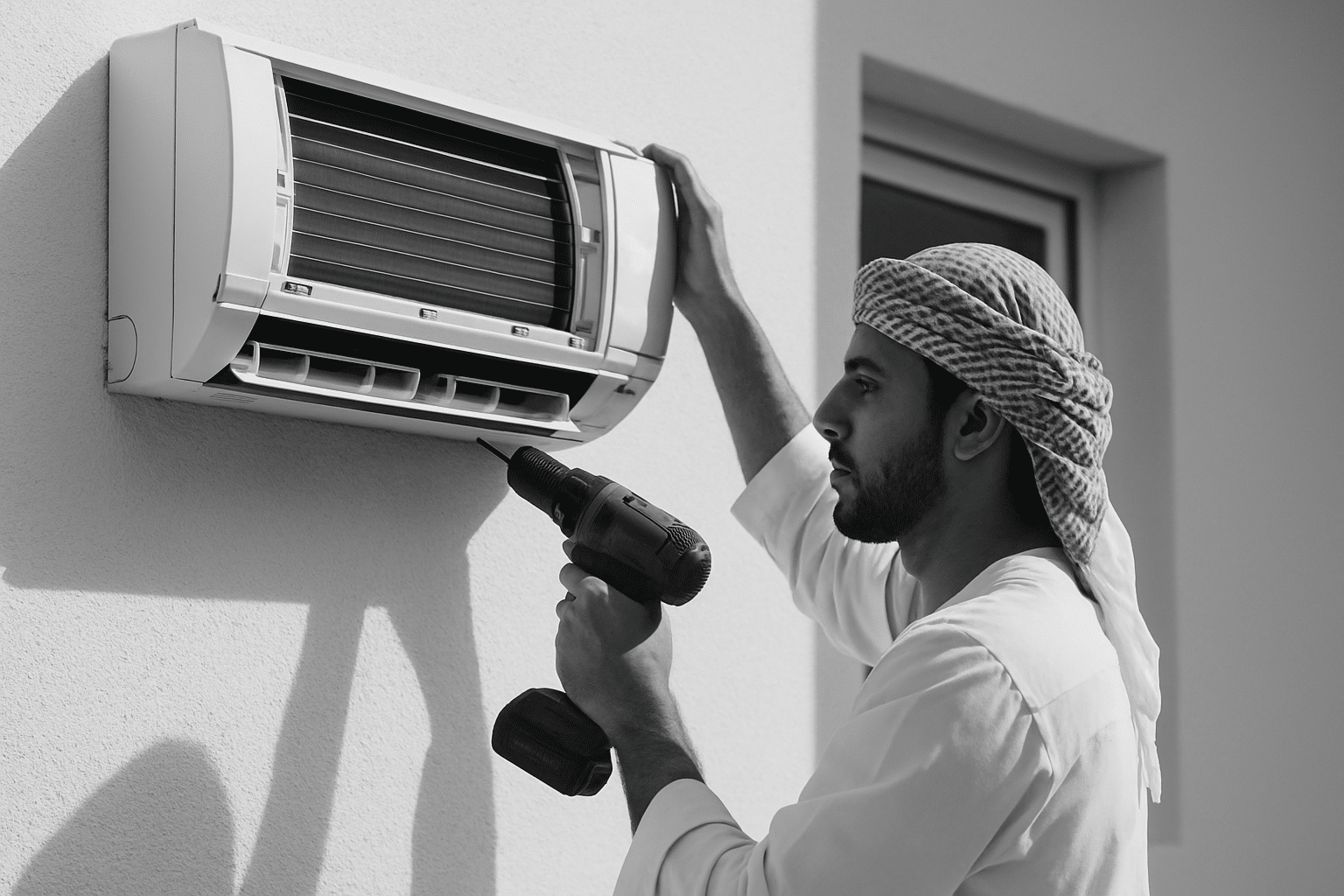
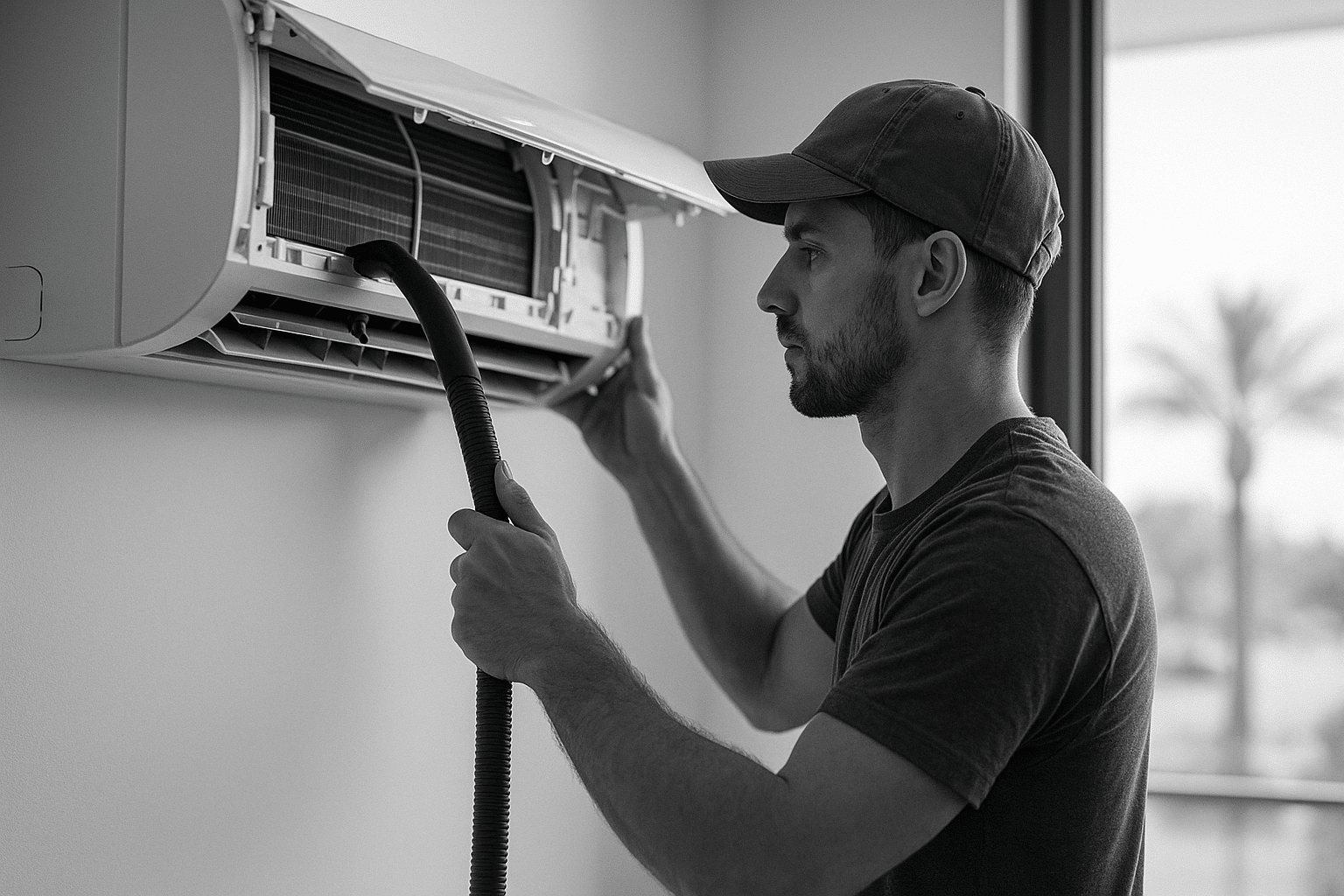
Indoor Air Quality Monitoring Tools for Schools: A digital anemometer measures air velocity in a classroom setting to ensure proper ventilation and healthy air quality.


Leave a Reply