

Uae Indoor Air Quality: Humidity Control Solutions For
Maintaining optimal indoor air quality in the UAE requires specialised humidity control solutions for UAE indoor air quality management. The region’s unique climate combines high temperatures with significant humidity levels, particularly during summer months and in coastal areas. This creates challenging conditions where indoor relative humidity can easily exceed recommended levels, leading to mold growth, dust mite proliferation, and compromised indoor air quality. Effective humidity control solutions for UAE indoor air quality are not just about comfort—they’re essential for protecting health, preserving property, and ensuring efficient HVAC operation.
In my thirteen years of AC cleaning and indoor air quality work across Dubai, I’ve consistently observed how uncontrolled humidity directly impacts respiratory health, AC system performance, and overall living conditions. The most effective humidity control solutions for UAE indoor air quality address both visible moisture issues and hidden condensation problems within HVAC systems. This guide provides practical, actionable strategies that homeowners, facility managers, and business owners can implement to achieve and maintain ideal humidity levels between 45-55% relative humidity.
Understanding Humidity Control Solutions for UAE Indoor Air Quality
Contents
- 1 Understanding Humidity Control Solutions for UAE Indoor Air Quality
- 2 Humidity Control Solutions For Uae Indoor Air Quality – Assessing Your Current Humidity Levels
- 3 Humidity Control Solutions For Uae Indoor Air Quality – Selecting Dehumidification Equipment
- 4 Optimising AC Systems for Humidity Control
- 5 Preventive Moisture Control Strategies
- 6 Integrating Humidity Control with Air Purification
- 7 Maintaining Your Humidity Control System
- 8 Expert Humidity Control Tips
- 9 Humidity Control FAQ
Effective humidity control solutions for UAE indoor air quality begin with understanding the relationship between temperature, moisture, and indoor environmental factors. The UAE’s coastal location means humidity levels frequently exceed 80% during summer months, while indoor air conditioning creates temperature differentials that cause condensation. This moisture accumulation occurs not just in visible areas but throughout your HVAC system, particularly in AC ducts, evaporator coils, and drain pans where mold can develop unnoticed.
Proper humidity control solutions for UAE indoor air quality target both absolute humidity (the actual amount of water vapor in air) and relative humidity (the percentage of moisture air holds relative to its maximum capacity at a given temperature). Ideal indoor relative humidity falls between 45-55%—low enough to inhibit mold growth and dust mites while high enough to prevent respiratory irritation and static electricity. In Dubai’s climate, achieving this range requires active management through dehumidification equipment, AC system optimization, and moisture source control.
The Science Behind Humidity and Health
High humidity creates ideal conditions for mold spores, dust mites, and bacteria to thrive. These biological contaminants become airborne and can trigger allergies, asthma, and other respiratory conditions. Conversely, excessively dry air (below 40% relative humidity) can cause dry skin, irritated mucous membranes, and increased susceptibility to respiratory infections. The right humidity control solutions for UAE indoor air quality balance these factors while considering energy efficiency and equipment longevity.
Humidity Control Solutions For Uae Indoor Air Quality – Assessing Your Current Humidity Levels
Before implementing humidity control solutions for UAE indoor air quality, you must accurately assess your current conditions. Digital hygrometers provide precise relative humidity readings and typically cost between AED 100-300 for reliable models. Place these devices in multiple locations—bedrooms, living areas, and near potential moisture sources like kitchens and bathrooms. Monitor readings at different times of day, particularly during peak humidity hours in early morning and evening.
Look for visible signs of excessive moisture: condensation on windows, musty odors, water stains on ceilings or walls, and visible mold growth. Pay special attention to less obvious indicators like peeling wallpaper, warping wood, and persistent allergy symptoms among occupants. In AC systems, check for water accumulation in drain pans, microbial growth on evaporator coils, and moisture in ductwork. These assessments will help determine whether you need whole-house solutions or targeted interventions in specific areas.
Professional Assessment Options
For comprehensive evaluation, consider professional indoor air quality assessments starting from AED 800-1,500. These services use advanced equipment to measure humidity throughout your property, identify hidden moisture sources, and provide tailored recommendations for humidity control solutions for UAE indoor air quality improvement. Professionals can also assess your HVAC system’s dehumidification capacity and identify opportunities for optimization.
Humidity Control Solutions For Uae Indoor Air Quality – Selecting Dehumidification Equipment
Choosing the right dehumidification equipment is crucial for effective humidity control solutions for UAE indoor air quality management. Portable dehumidifiers suit individual rooms and smaller spaces, with capacities ranging from 10-30 litres per day and prices from AED 600-2,000. For whole-house solutions, whole-home dehumidifiers integrate with your HVAC system, costing AED 3,500-8,000 installed, depending on capacity and complexity.
When selecting equipment, consider the space size, typical humidity levels, and specific needs. Desiccant dehumidifiers perform better in cooler conditions, while refrigerant models excel in warmer environments like the UAE. Look for units with automatic humidity sensors, continuous drainage options, and energy-efficient operation. For larger villas and commercial spaces, multiple units or centralized systems may be necessary to maintain consistent humidity levels throughout the property.
Strategic Placement for Maximum Effectiveness
Position dehumidifiers in areas with highest moisture generation: kitchens, bathrooms, laundry rooms, and basements if applicable. Ensure adequate air circulation around the unit and avoid placing furniture or curtains that might obstruct airflow. For whole-house systems, work with HVAC professionals to ensure proper integration with your existing air conditioning system for coordinated humidity and temperature control.
Optimising AC Systems for Humidity Control
Your air conditioning system plays a critical role in humidity control solutions for UAE indoor air quality. AC units naturally remove moisture as air passes over cold evaporator coils, but many systems in Dubai operate inefficiently for dehumidification. Ensure your AC system is properly sized—oversized units cool air too quickly without adequate moisture removal, while undersized systems struggle to maintain both temperature and humidity control.
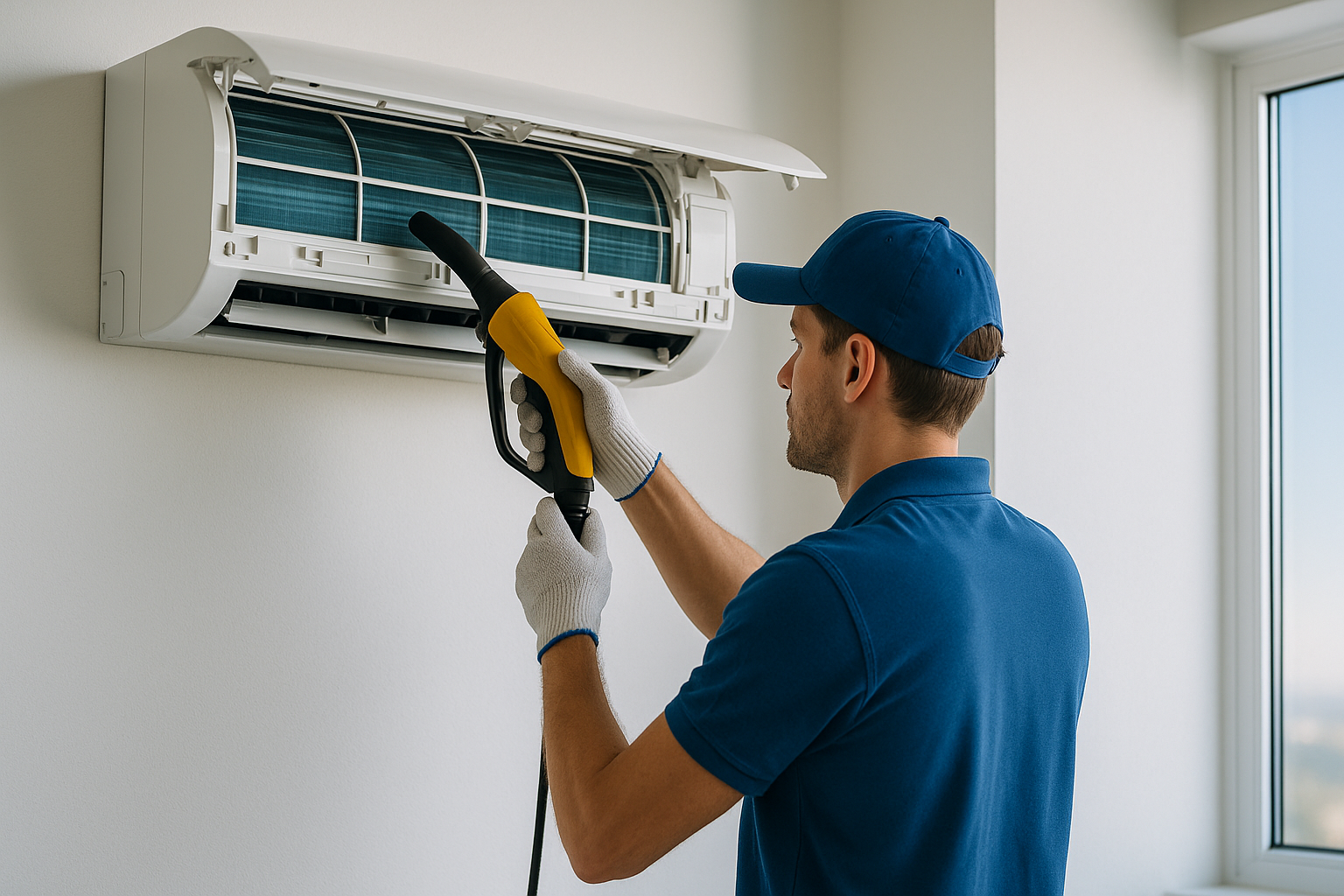
Regular AC maintenance significantly improves dehumidification performance. Dirty evaporator coils and clogged drain pans reduce moisture removal efficiency and can become sources of microbial contamination. Professional AC cleaning every 6-12 months, costing approximately AED 600-1,200 for a standard villa system, ensures optimal operation. Adjust fan speeds to lower settings during humid conditions, as slower airflow allows more time for moisture removal at the evaporator coil.
Advanced AC Humidity Control Features
Modern AC systems often include dedicated dehumidification modes that prioritize moisture removal over cooling. Variable-speed compressors and fans provide more precise humidity control by adjusting operation based on current conditions. If upgrading your system, consider units with enhanced dehumidification capabilities, which may add AED 1,000-3,000 to installation costs but provide significantly better humidity control solutions for UAE indoor air quality management.
Preventive Moisture Control Strategies
Effective humidity control solutions for UAE indoor air quality include preventive measures that reduce moisture generation and infiltration. Exhaust fans in kitchens and bathrooms should vent directly outside, not into attics or crawl spaces. Use them during cooking and for 15-30 minutes after showering to remove moisture at source. Ensure dryer vents exhaust properly and consider line-drying clothes outdoors or in well-ventilated areas to avoid adding moisture indoors.
Address structural moisture issues like leaking pipes, roof leaks, and poor drainage around foundations. Even minor leaks can significantly increase indoor humidity levels and create ideal conditions for mold growth. Use moisture-resistant materials in high-humidity areas, and consider vapor barriers in crawl spaces or under concrete slabs. Proper insulation prevents condensation on cold surfaces like windows, pipes, and exterior walls, which is particularly important in the temperature differentials created by UAE air conditioning.
Lifestyle Adjustments for Humidity Reduction
Simple behavioral changes contribute significantly to humidity control solutions for UAE indoor air quality. Cover pots while cooking, take shorter showers with cooler water, and avoid overwatering indoor plants. During periods of extreme outdoor humidity, keep windows closed and use air conditioning rather than natural ventilation. These small adjustments reduce the moisture load that your dehumidification equipment must handle, improving efficiency and effectiveness.
Integrating Humidity Control with Air Purification
Comprehensive humidity control solutions for UAE indoor air quality work best when integrated with air purification strategies. Many air purifiers include humidity sensors and can coordinate with dehumidification equipment for optimal indoor environmental control. HEPA filters capture mold spores, dust mites, and other biological contaminants that thrive in humid conditions, while activated carbon filters address musty odors associated with moisture problems.
Consider whole-house air purification systems that integrate with your HVAC system, typically costing AED 4,000-9,000 installed. These systems provide consistent air quality throughout your property and work in concert with humidity control equipment. For portable solutions, standalone air purifiers with HEPA filtration range from AED 800-2,500 depending on coverage area and features. Position these units in bedrooms and main living areas where occupants spend most time.
Antimicrobial Treatment Integration
For comprehensive protection against mold and microbial growth, incorporate safe antimicrobial treatments into your humidity control solutions for UAE indoor air quality maintenance. Professional AC disinfection services, costing AED 800-1,500 per treatment, use EPA-approved antimicrobial agents that inhibit mold growth on coils, in drain pans, and throughout ductwork. These treatments provide lasting protection when combined with proper humidity control, typically lasting 6-12 months depending on conditions.
Maintaining Your Humidity Control System
Regular maintenance ensures your humidity control solutions for UAE indoor air quality continue performing effectively. Clean dehumidifier filters monthly according to manufacturer instructions, and empty collection reservoirs regularly if not using continuous drainage. For whole-house systems, schedule professional maintenance annually to check refrigerant levels, clean coils, and ensure proper operation. This typically costs AED 500-900 depending on system complexity.
Monitor humidity levels continuously with smart hygrometers that connect to home automation systems or provide alerts when levels exceed preset parameters. Many modern dehumidifiers include Wi-Fi connectivity and smartphone apps for remote monitoring and control. Keep records of humidity readings and equipment performance to identify patterns and address issues before they become significant problems. This proactive approach is essential for maintaining consistent indoor air quality in the UAE’s variable climate conditions.
Seasonal Adjustment Strategies
Adjust your humidity control solutions for UAE indoor air quality based on seasonal variations. During winter months when outdoor humidity drops, you may need less active dehumidification but should maintain minimum humidity levels to prevent excessive dryness. In summer, particularly during the high-humidity months from June to September, maximize dehumidification efforts and consider supplemental equipment if necessary. This seasonal approach optimizes both comfort and energy efficiency.
Expert Humidity Control Tips
Based on my experience with hundreds of properties across Dubai, these practical tips enhance your humidity control solutions for UAE indoor air quality:
- Place hygrometers in multiple locations to identify humidity variations throughout your property
- Use exhaust fans consistently in kitchens and bathrooms to remove moisture at source
- Clean AC drain lines monthly with a mixture of vinegar and water to prevent clogs
- Consider dual-purpose dehumidifier models with built-in air purification features
- Schedule professional AC cleaning before peak humidity season (May-June)
- Use moisture-absorbing products in closets, cabinets, and other enclosed spaces
- Ensure proper grading around your property foundation to direct water away from the structure
- Monitor indoor plants for overwatering, which significantly increases indoor humidity
Humidity Control FAQ
What is the ideal humidity level for UAE homes?
The optimal indoor relative humidity for UAE homes ranges between 45-55%. This range inhibits mold growth and dust mites while maintaining comfort and preventing respiratory irritation. During winter months, slightly lower levels (40-45%) may be acceptable, while summer may require stricter control to stay below 55%.
How often should I run my dehumidifier in Dubai?
During peak humidity months (June-September), run dehumidifiers continuously or use humidity-stat controls to maintain desired levels. In milder seasons, operate equipment as needed based on hygrometer readings. Modern energy-efficient models cost approximately AED 2-5 per day to operate continuously.
Can air conditioning alone control humidity in UAE homes?
While AC systems remove moisture, most are designed primarily for temperature control. In Dubai’s extreme humidity conditions, supplemental dehumidification is often necessary, particularly in larger properties, during rainy periods, or in spaces with high moisture generation like kitchens and bathrooms.
How much does professional humidity control installation cost?
Whole-house dehumidification system installation typically ranges from AED 3,500-8,000 depending on property size and system complexity. Portable units start around AED 600-800 for individual rooms. Professional humidity assessment and consultation services cost AED 800-1,500 depending on property size.
What are the health benefits of proper humidity control?
Maintaining optimal humidity levels reduces mold spores, dust mites, and other allergens; decreases respiratory irritation; improves sleep quality; and reduces transmission of airborne viruses. Proper humidity also helps prevent dry skin, irritated eyes, and static electricity issues.
Implementing comprehensive humidity control solutions for UAE indoor air quality requires understanding local climate challenges, selecting appropriate equipment, and maintaining consistent monitoring and adjustment. By following these practical strategies, you can achieve healthier indoor environments that protect both occupant health and property integrity. Remember that effective humidity management is an ongoing process that adapts to seasonal changes and evolving indoor conditions.


Leave a Reply