

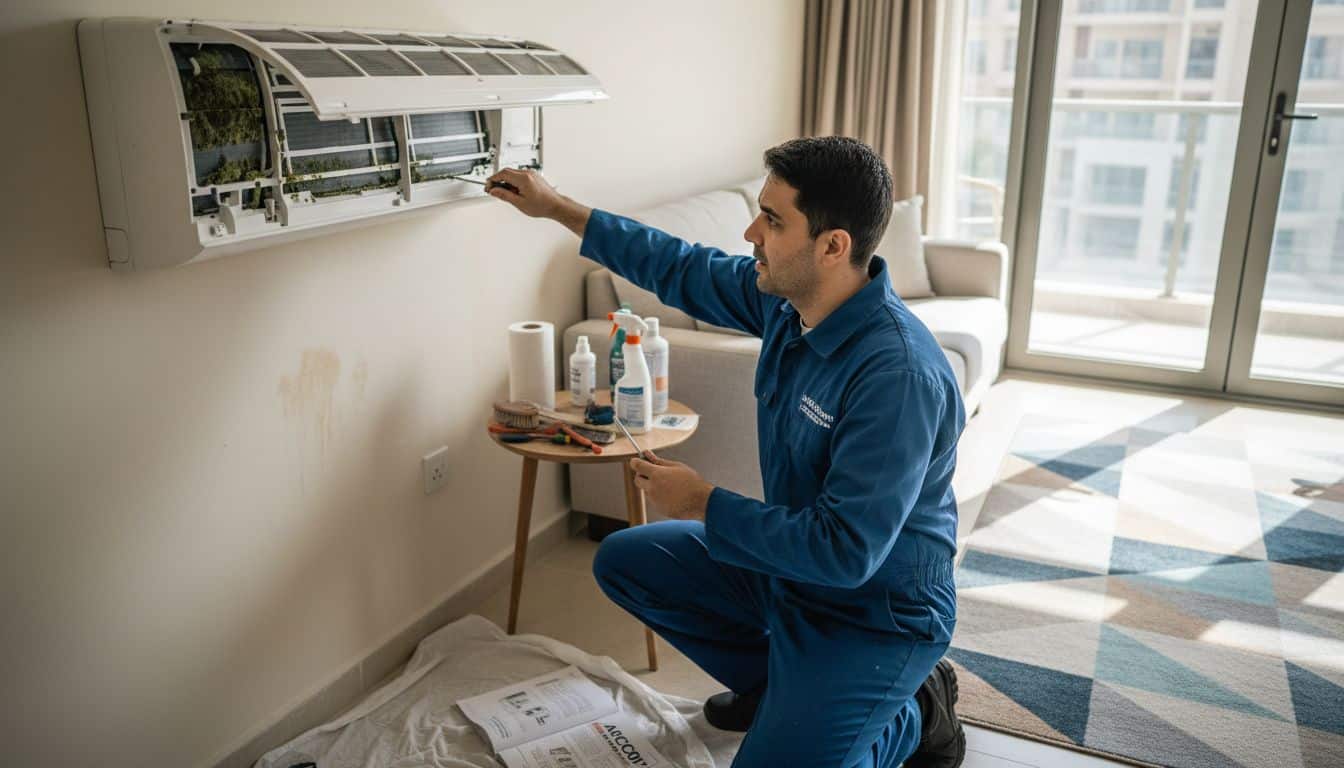
What Causes Mold in AC – Risks for Dubai Homes
More than 45 percent of American households report indoor air quality issues caused by mold in air conditioning systems. This hidden problem is not limited to the United States, as residents in Dubai also face serious risks from mold lurking within their AC units. Without proper awareness and maintenance, health problems and costly repairs can follow. Discover the essential facts about mold growth so you can keep your air conditioning system clean and your home safe.
Table of Contents
Contents
- 1 Table of Contents
- 2 Key Takeaways
- 3 Defining Mold in Air Conditioning Systems
- 4 How Moisture and Humidity Enable Mold Growth
- 5 AC Components Prone to Mold Contamination
- 6 Signs and Health Risks of Mold in AC Units
- 7 Preventing and Addressing Mold Issues Effectively
- 8 Protect Your Home from Mold with Expert AC Cleaning in Dubai
- 9 Frequently Asked Questions
- 10 Recommended
- Defining Mold in Air Conditioning Systems
- How Moisture and Humidity Enable Mold Growth
- AC Components Prone to Mold Contamination
- Signs and Health Risks of Mold in AC Units
- Preventing and Addressing Mold Issues Effectively
Key Takeaways
| Point | Details |
|---|---|
| Mold Development | Mold thrives in air conditioning systems due to moisture, warmth, and organic materials, particularly in humid climates like Dubai’s. |
| Moisture Control | Maintaining indoor humidity below 60% is essential to prevent mold growth in HVAC systems. |
| Vulnerable Components | Key areas like evaporator coils and drainage pans are highly susceptible to mold, requiring regular maintenance. |
| Health Risks | Prolonged exposure to mold can lead to serious health issues, including respiratory complications and allergic reactions. |
Defining Mold in Air Conditioning Systems
Mold represents a complex microbial organism that transforms air conditioning systems into breeding grounds for potentially hazardous fungal growth. These microscopic fungi flourish in specific environmental conditions characterized by moisture, warmth, and darkness – precisely the internal environment found within many HVAC systems across Dubai’s humid climate.
Typically, mold develops when organic materials like dust, debris, and moisture combine inside air conditioning components. The U.S. Environmental Protection Agency confirms that mold can rapidly colonize surfaces including air ducts, cooling coils, drainage pans, and air filters. Common mold species detected in AC systems include Cladosporium, Aspergillus, and the notorious Stachybotrys (black mold), each presenting unique risks to indoor air quality.
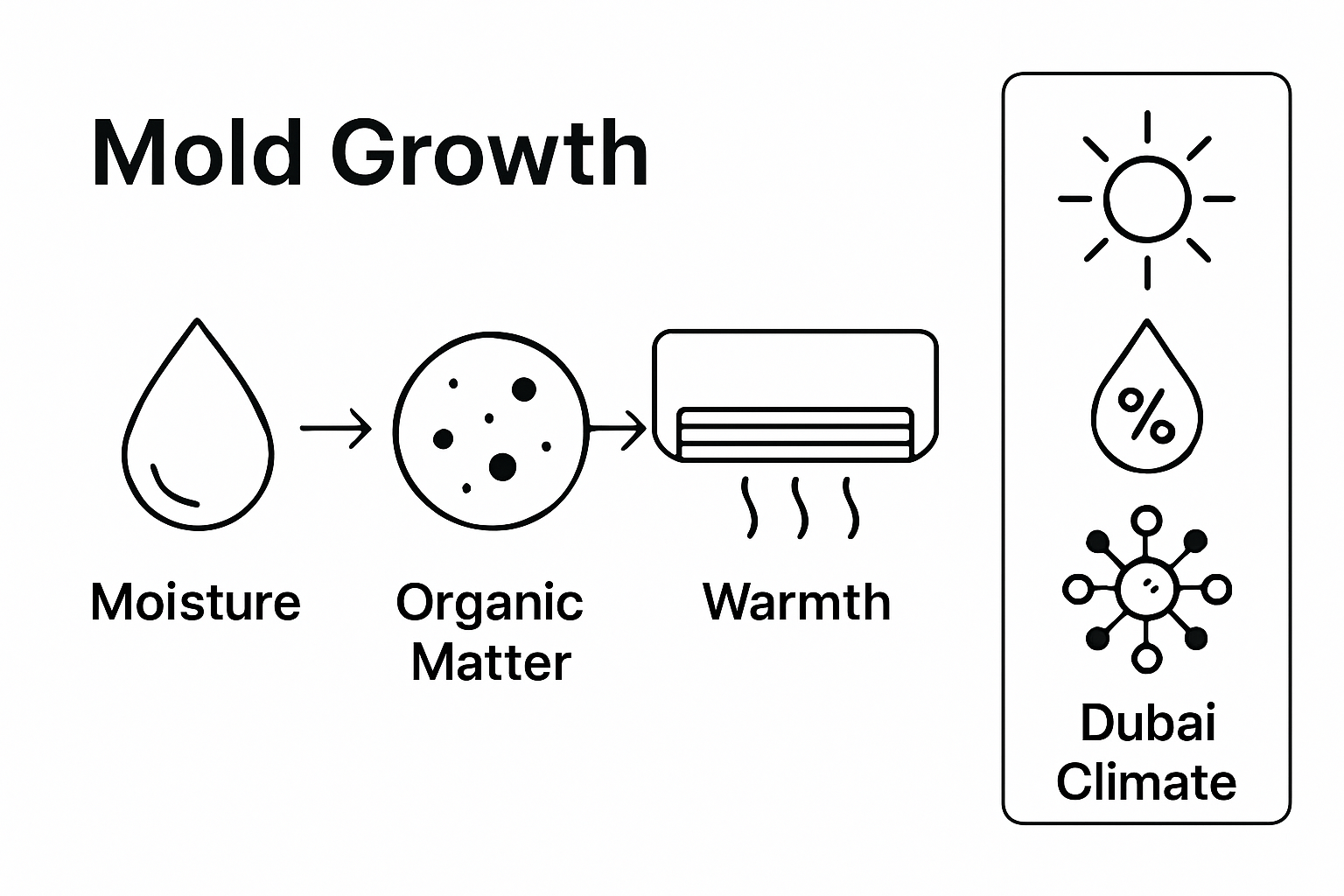
Understanding mold’s biological characteristics is crucial for Dubai homeowners. These fungal organisms reproduce through microscopic spores that travel through air circulation systems, potentially spreading across residential spaces. Their survival depends on three primary factors:
- Ambient moisture levels
- Organic material for nutrition
- Consistent temperatures between 77°F and 86°F
By recognizing these fundamental growth requirements, property owners can develop strategic approaches to prevent and mitigate mold proliferation within their air conditioning infrastructure. Comprehensive AC cleaning practices become essential in maintaining healthy indoor environments and protecting both equipment performance and residential health.
How Moisture and Humidity Enable Mold Growth
In Dubai’s hot and humid climate, moisture becomes the primary catalyst for mold proliferation within air conditioning systems. Indoor relative humidity levels play a critical role in determining whether fungal organisms can establish and spread throughout HVAC infrastructure. Experts recommend maintaining humidity below 60%, with the ideal range between 30% and 50% to prevent extensive mold development.
Air conditioning systems are paradoxically both a solution and potential source of moisture-related challenges. Research indicates that while these systems are engineered to remove moisture from indoor environments, improper maintenance can transform them into breeding grounds for fungal growth. Condensation that accumulates in drainage pans, clogged air filters, and blocked condensate lines create microenvironments where mold can thrive exponentially.
Multiple factors contribute to moisture accumulation in AC systems across Dubai residential spaces:
- Ambient humidity levels exceeding 60%
- Inadequate system drainage
- Irregular maintenance procedures
- Condensation buildup in internal components
- Blocked or restricted airflow
Homeowners must recognize that mold requires three fundamental conditions to proliferate: consistent moisture, organic material, and appropriate temperature ranges. Comprehensive AC cleaning practices become essential in disrupting these growth conditions and maintaining a healthy indoor environment. Regular professional inspections can help identify potential moisture-related risks before they escalate into significant mold infestations.
AC Components Prone to Mold Contamination
Air conditioning systems in Dubai’s humid environment create complex microclimates that are particularly vulnerable to mold contamination. Specific AC components become breeding grounds for fungal growth when moisture, warmth, and organic particles converge, transforming internal surfaces into ideal mold habitats.
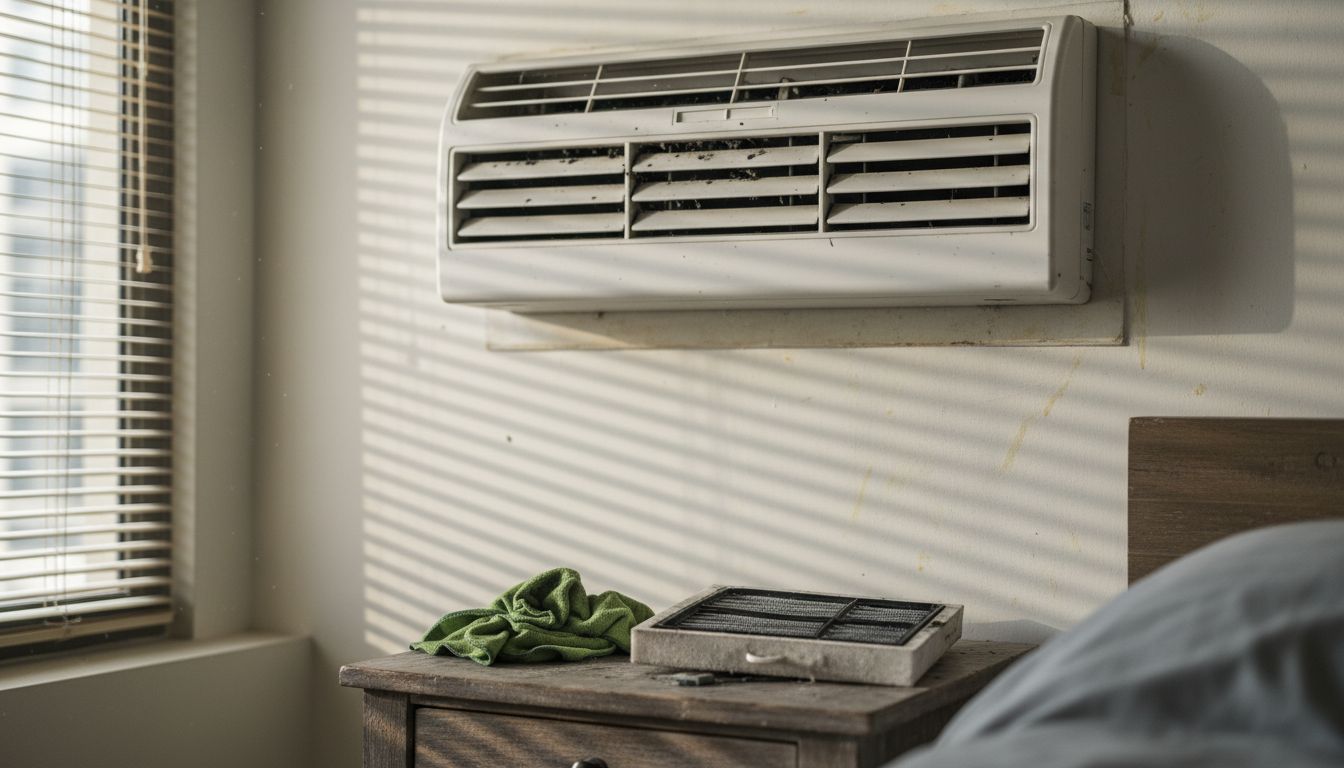
Evaporator coils represent the most critical zone for potential mold proliferation. These cooling components constantly collect condensation, creating a perpetually damp environment that attracts microbial growth. The combination of cool metal surfaces, ambient moisture, and accumulated dust provides perfect conditions for mold spores to establish robust colonies. Interior regions like drainage pans and condensate lines are especially susceptible, as stagnant water pools become prime locations for fungal development.
Multiple AC components present significant mold contamination risks:
- Evaporator coils
- Air filters
- Drainage pans
- Condensate drain lines
- Interior ductwork
- Blower motor compartments
Advanced AC maintenance strategies can help Dubai homeowners proactively prevent mold growth by addressing these vulnerable zones. Regular professional inspections, consistent cleaning, and moisture control represent the most effective approaches to mitigating potential fungal infestations within complex air conditioning infrastructures.
Signs and Health Risks of Mold in AC Units
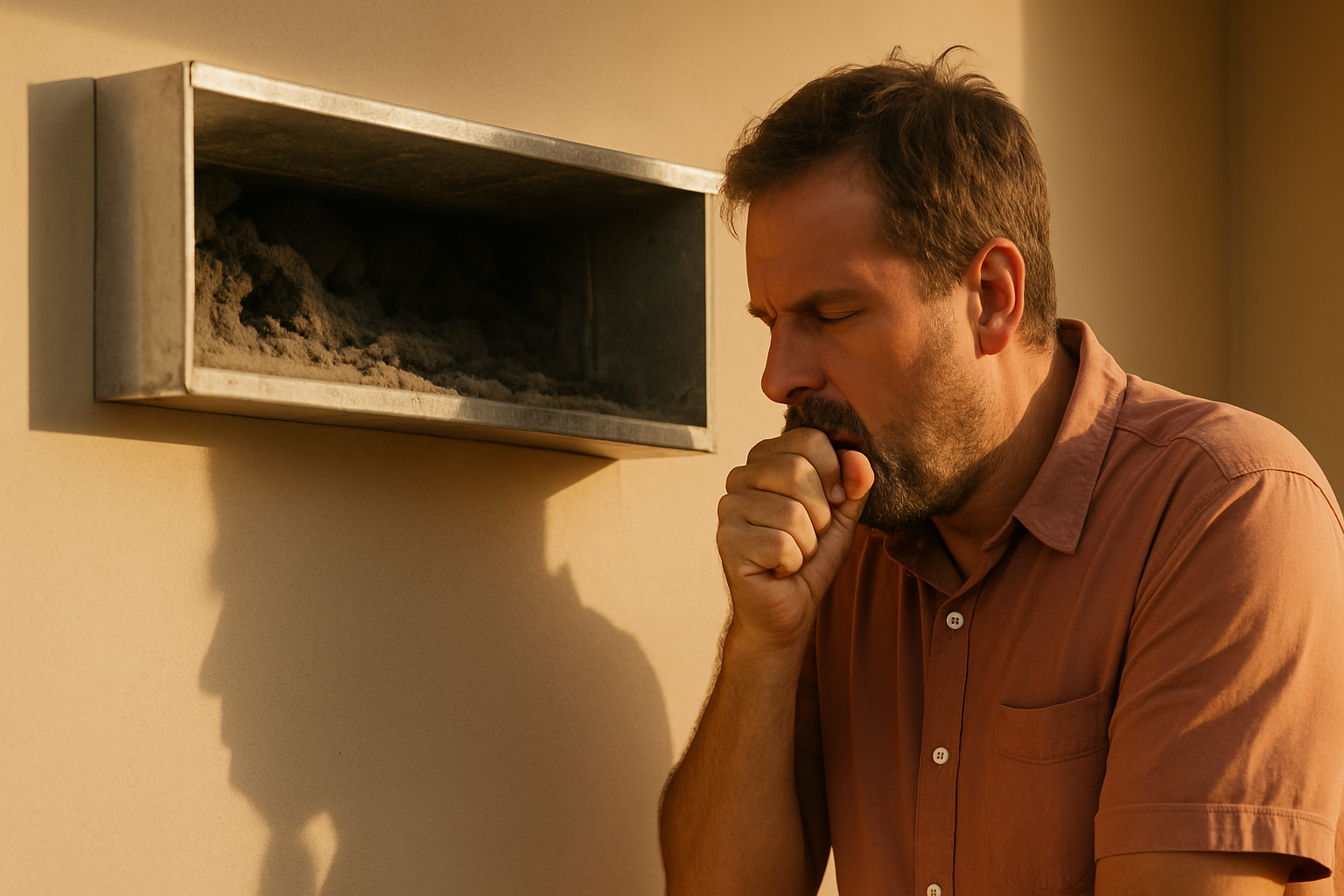
Mold contamination in air conditioning systems presents significant health challenges for Dubai residents, with visible indicators ranging from subtle discolorations to obvious fungal growths. Green patches around outdoor units, fuzzy textures on indoor vents, and dark streaks within ductwork represent critical warning signs that homeowners must promptly address.
Respiratory complications emerge as the most serious consequence of prolonged mold exposure. Health research demonstrates that individuals can experience a spectrum of symptoms, including nasal congestion, throat irritation, persistent coughing, and potentially severe asthma exacerbations. Vulnerable populations such as children, elderly residents, and those with compromised immune systems face heightened risks from airborne mold spores circulating through contaminated cooling systems.
Key health risks associated with AC mold exposure include:
- Allergic reactions
- Chronic respiratory infections
- Increased asthma symptoms
- Skin and eye irritations
- Potential neurological complications
Comprehensive AC maintenance strategies become essential for Dubai homeowners seeking to protect their indoor air quality and prevent potentially serious health complications from undetected mold proliferation within their cooling infrastructure.
Preventing and Addressing Mold Issues Effectively
Dubai homeowners must adopt proactive strategies to prevent mold contamination in their air conditioning systems. Comprehensive prevention techniques focus on controlling indoor humidity levels, maintaining proper ventilation, and implementing rigorous maintenance protocols. Keeping indoor humidity below 60% creates an inhospitable environment for mold spores, significantly reducing the potential for fungal proliferation within cooling infrastructure.
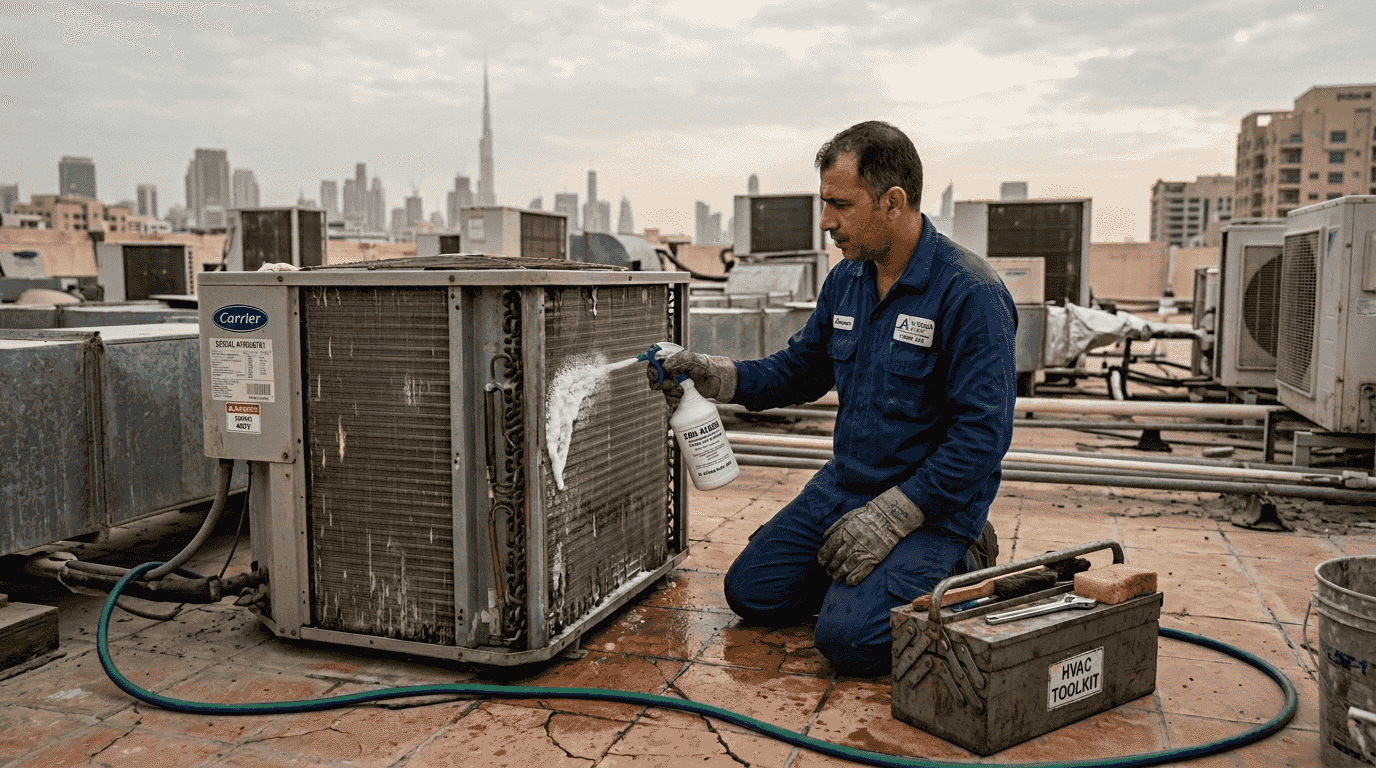
Regular maintenance represents the most critical defense against mold growth. HVAC system inspections should include systematic cleaning of key components such as evaporator coils, air filters, and drainage systems. Homeowners must prioritize:
- Monthly air filter replacements
- Quarterly coil and drip pan cleaning
- Annual professional HVAC system assessments
- Prompt repair of any water leaks or condensation issues
- Ensuring proper drainage and ventilation
Advanced mold removal strategies become essential when initial prevention measures fail. Professional interventions can address extensive contamination, using specialized techniques to eliminate existing mold colonies and prevent future growth. Dubai residents should view mold prevention as an ongoing process, requiring consistent attention and proactive maintenance to protect both their health and air conditioning system’s longevity.
Protect Your Home from Mold with Expert AC Cleaning in Dubai
Mold growth inside air conditioning systems poses serious health risks and damages your AC’s efficiency. The article highlights how moisture, humidity, and neglected components like evaporator coils and drainage pans create the perfect environment for mold in Dubai homes. Don’t let invisible spores threaten your family’s well-being or your system’s lifespan. With persistent humidity and concealed mold colonies, taking action now becomes critical to avoid chronic respiratory issues and costly repairs.
Discover how Saniservice can help you break this dangerous cycle. Our NADCA-certified technicians use advanced science and hospital-grade biosanitisers to thoroughly dismantle, clean, and disinfect every AC component vulnerable to mold contamination. Backed by our in-house microbiology lab and a team of experts, we ensure your indoor air stays safe and healthy. Learn from our Case Studies – Saniservice AC Cleaning to see how we have transformed Dubai homes plagued by mold.
Take control of your indoor air quality today. Visit Saniservice to schedule a professional AC cleaning and disinfection service designed specifically for the challenges of Dubai’s humid climate. Protect your family’s health and extend your system’s life before mold poses an even greater threat.
Frequently Asked Questions
What causes mold to grow in air conditioning systems?
Mold grows in air conditioning systems due to the combination of moisture, warmth, and organic materials like dust and debris. These conditions create an ideal environment for mold spores to multiply.
How can I prevent mold in my air conditioning unit?
To prevent mold, maintain indoor humidity levels below 60%, replace air filters monthly, clean evaporator coils and drainage pans regularly, and ensure proper ventilation and drainage in your HVAC system.
What are the health risks associated with mold in AC units?
Health risks from mold exposure include respiratory issues, allergic reactions, chronic infections, and potential exacerbation of asthma symptoms, particularly in vulnerable populations such as children and the elderly.
What signs indicate mold presence in my air conditioning system?
Signs of mold presence include visible discolorations, fuzzy textures on vents, dark streaks in ductwork, and an increase in respiratory symptoms among occupants. Regular inspections can help identify these issues early.
Recommended
- Why Remove Mold From AC: Complete Guide
- AC Mold Buildup – A Silent Risk in High End Villas
- 10 Critical Risks of Dirty AC Ducts Dubai: How to Protect Your Home and Health – Saniservice AC Cleaning
- Air Conditioner Mold Removal Tips for a Healthier Home – Saniservice AC Cleaning
- Don’t Ignore These Signs of AC Unit Repair Needs – Home Therapist Cooling, Heating, and Plumbing


Leave a Reply