Importance of Regular AC Cleaning – Healthier Indoor Air
Most American homes depend on air conditioning for comfort, yet nearly 30 percent neglect regular cleaning, leading to costly repairs and reduced air quality. Keeping your cooling system clean is about more than appearances. It is essential for efficient performance, lower bills, and protecting your family’s health. This guide reveals why routine AC cleaning matters, how it impacts energy use and wellness, and the truth behind common misconceptions.
Table of Contents
Contents
- 1 Table of Contents
- 2 Key Takeaways
- 3 Defining Regular AC Cleaning and Its Purposes
- 4 Types of AC Contamination and Common Misconceptions
- 5 How Professional AC Cleaning Is Performed
- 6 Health and Energy Efficiency Benefits Explained
- 7 Consequences of Neglecting AC Maintenance
- 8 Comparing DIY and Professional AC Cleaning
- 9 Protect Your Health with Expert AC Cleaning from Saniservice
- 10 Frequently Asked Questions
- 11 Recommended
- Defining Regular AC Cleaning And Its Purposes
- Types Of AC Contamination And Common Misconceptions
- How Professional AC Cleaning Is Performed
- Health And Energy Efficiency Benefits Explained
- Consequences Of Neglecting AC Maintenance
- Comparing DIY And Professional AC Cleaning
Key Takeaways
| Point | Details |
|---|---|
| Regular AC Cleaning Enhances Efficiency | Comprehensive cleaning can improve energy efficiency by reducing unnecessary power consumption by 15% or more. |
| Health Risks of Neglected Systems | Unmaintained AC systems can become breeding grounds for allergens and pathogens, leading to serious health issues. |
| Professional Cleaning is Essential | Specialized knowledge and equipment are necessary for deep cleaning; DIY methods may not adequately address system contamination. |
| Maintenance Saves Costs | Regular professional maintenance can prevent costly repairs and extend the lifespan of the system, providing financial benefits in the long run. |
Defining Regular AC Cleaning and Its Purposes
Regular AC cleaning represents a systematic approach to maintaining your air conditioning system’s optimal performance and indoor air quality. Unlike basic surface cleaning, this process involves comprehensive maintenance that addresses both visible and hidden components of your HVAC system. Professional AC cleaning goes far beyond simply wiping down exterior surfaces, targeting critical internal mechanisms that directly impact system efficiency and air hygiene.
The primary purposes of regular AC cleaning encompass several critical aspects of system performance and environmental health. First, thorough cleaning ensures maximum energy efficiency by removing accumulated dust, debris, and microbial buildup from essential components like coils, filters, and ductwork. Energy efficiency standards consistently demonstrate that neglected air conditioning systems consume up to 15% more energy compared to well-maintained units. This increased energy consumption translates not only to higher utility bills but also increased environmental strain.
Beyond energy considerations, regular AC cleaning plays a pivotal role in maintaining superior indoor air quality. Accumulated contaminants such as dust mites, mold spores, bacteria, and allergens can proliferate within uncleaned AC systems, transforming them into potential breeding grounds for respiratory hazards. By systematically removing these pollutants, professional cleaning significantly reduces the risk of indoor air pollution, creating a healthier living environment for residents. These comprehensive cleaning processes typically involve multiple strategic steps:
- Thorough inspection of all AC system components
- Detailed cleaning of air filters, coils, and drainage systems
- Sanitization of ductwork and ventilation channels
- Verification of optimal system performance
Pro Tip – Maintenance Schedule: Schedule professional AC cleaning at least twice annually in Dubai’s climate, preferably before summer and winter seasons to ensure peak system performance and air quality.
By understanding and implementing regular AC cleaning protocols, property owners can protect their investment, optimize system performance, and safeguard the health of their indoor environments.
Types of AC Contamination and Common Misconceptions
Air conditioning systems can harbor multiple types of contaminants that compromise indoor air quality and system performance. Air conditioning contamination involves a complex ecosystem of potential biological and environmental pollutants that can transform your cooling system from a comfort provider into a potential health risk. Understanding these contaminants requires examining their sources, behaviors, and potential impacts on human health.
The primary categories of AC contamination include biological, chemical, and particulate pollutants. Biological contaminants represent the most significant threat, with microorganisms like bacteria, mold, and fungi proliferating in damp, dark AC components. Microbiological risks from malfunctioning air conditioning systems can potentially transmit infectious agents, turning your AC into an unexpected vector for respiratory infections. Chemical contaminants like volatile organic compounds (VOCs) from cleaning products, building materials, and household items can also accumulate within AC systems, further degrading indoor air quality.
Numerous misconceptions surround air conditioning and its potential health impacts. One prevalent myth suggests that air conditioners emit harmful radiation capable of causing serious health issues. However, scientific evidence categorically refutes these claims. Radiation myths are entirely unfounded, as air conditioning units do not produce ionizing radiation associated with cellular damage or cancer development. Other common misconceptions include:
- AC cleaning is unnecessary if the system appears clean
- All AC maintenance procedures are identical
- Home AC units do not require professional intervention
- Visible dust is the only indicator of system contamination
Pro Tip – Contamination Detection: Conduct a professional AC inspection annually and monitor for unusual odors, reduced airflow, or increased respiratory symptoms among household members.
By dispelling myths and understanding the complex nature of AC contamination, property owners can make informed decisions about system maintenance and indoor air quality management.
Here’s a summary of how specific AC contaminants affect system performance and occupant health:
| Contaminant Type | Source Location | Impact on AC Performance | Health Risk Potential |
|---|---|---|---|
| Biological (e.g., mold, bacteria) | Damp coils, drain pans | Reduces airflow, clogs components | Triggers allergies, infections |
| Chemical (e.g., VOCs) | Cleaning agents, building materials | Lowers air quality, deposits in ducts | Headaches, respiratory irritation |
| Particulate (e.g., dust, pollen) | Filters, ductwork, room air | Increases energy use, blocks vents | Aggravates asthma, allergies |
How Professional AC Cleaning Is Performed
Professional AC cleaning represents a comprehensive, multi-step process that goes far beyond simple surface maintenance. AC maintenance procedures involve sophisticated techniques designed to address every critical component of your cooling system. Unlike basic DIY approaches, professional technicians utilize specialized equipment and scientific protocols to ensure thorough decontamination and optimal system performance.
The cleaning process typically begins with a detailed system inspection and diagnostic assessment. Technicians carefully evaluate air conditioning maintenance requirements by examining filters, coils, drainage systems, and internal components for signs of contamination, wear, or potential malfunction. This initial evaluation allows for a customized cleaning strategy that addresses the specific needs of each unique air conditioning system. Advanced diagnostic tools help identify microscopic issues that might remain undetected during standard visual inspections, ensuring a comprehensive approach to system maintenance.
Professional AC cleaning involves several intricate stages of intervention:
- Complete system disassembly for thorough component access
- Specialized cleaning of air filters, evaporator coils, and condenser units
- Precision cleaning of internal ductwork and ventilation channels
- Microbial decontamination using hospital-grade sanitization solutions
- Comprehensive lubrication of mechanical components
- Calibration of system performance parameters
- Detailed documentation of cleaning procedures and system status
Each stage requires specialized knowledge, advanced equipment, and a systematic approach to ensure maximum effectiveness. Professional technicians use high-performance extraction tools, antimicrobial treatments, and precision instruments to remove accumulated contaminants without causing damage to delicate system components.
Pro Tip – Technical Assessment: Request a detailed post-cleaning diagnostic report that outlines specific system improvements and potential future maintenance recommendations.
By employing scientific methodologies and advanced technological interventions, professional AC cleaning transforms your cooling system from a potential health risk into an optimized, efficient environmental control mechanism.
Health and Energy Efficiency Benefits Explained
Regular AC cleaning delivers profound benefits that extend far beyond simple maintenance, directly impacting both personal health and home energy performance. Energy savings strategies demonstrate that proactive system care can dramatically reduce operational costs and environmental strain. By addressing internal system components, property owners can simultaneously enhance indoor air quality and minimize energy consumption.
Energy efficiency standards reveal that replacing a clogged air filter can reduce energy consumption by 5% to 15%. This seemingly small intervention translates into substantial long-term savings and improved system performance. Professional cleaning addresses microscopic contaminants that gradually compromise system efficiency, ensuring that every mechanical component operates at peak capacity. Accumulated dust, debris, and microbial growth create resistance within the system, forcing air conditioning units to work harder and consume more electricity to maintain desired temperatures.
The health implications of regular AC cleaning are equally significant. Unmaintained cooling systems can become breeding grounds for potentially harmful microorganisms. These contaminants can trigger a range of respiratory issues, allergic reactions, and potential infections. The interconnected benefits of professional cleaning include:
- Reduction of airborne allergens and pathogens
- Improved respiratory system protection
- Enhanced overall indoor air quality
- Prevention of mold and bacterial growth
- Minimized risk of system-related health complications
- Consistent thermal comfort
- Extended equipment lifespan
Advanced cleaning protocols involve comprehensive decontamination techniques that go beyond surface-level maintenance. Specialized technicians use hospital-grade sanitization solutions and precision equipment to eliminate microscopic threats, transforming your air conditioning system from a potential health risk into a protective environmental control mechanism.
Pro Tip – Performance Tracking: Maintain a detailed log of your AC maintenance activities and energy consumption to quantify the direct benefits of regular professional cleaning.
By understanding and implementing strategic AC maintenance, property owners can create healthier indoor environments while simultaneously optimizing energy efficiency and reducing long-term operational costs.
Consequences of Neglecting AC Maintenance
Neglecting air conditioning maintenance transforms what should be a protective environmental system into a potential health and financial liability. Critical risks of poor AC maintenance extend far beyond simple equipment performance, impacting both personal health and long-term economic investments. The consequences of ignoring routine AC care can manifest through multiple complex and interconnected challenges that progressively undermine system functionality and indoor environmental quality.
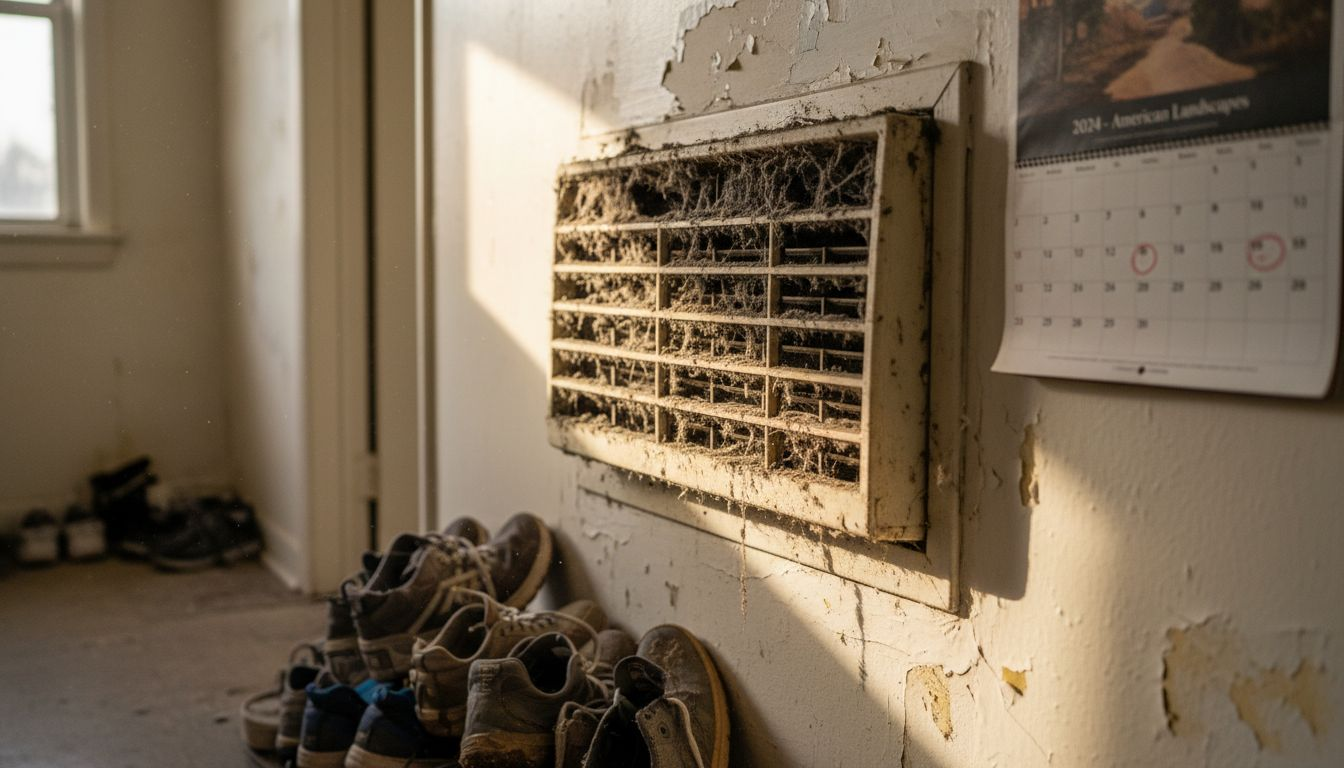
Energy efficiency standards demonstrate that unmaintained air conditioning systems experience substantial performance degradation. Neglected units consume significantly more electricity, with energy consumption potentially increasing by 20% to 30% compared to well-maintained systems. Accumulated dust, microbial growth, and mechanical wear create progressive resistance within the system, forcing components to work harder and consume more power to maintain consistent temperature levels. This increased energy demand not only raises utility costs but also accelerates system component deterioration.
The health implications of poorly maintained air conditioning systems are equally alarming. Unmaintained units can become breeding grounds for potentially dangerous microorganisms, transforming cooling systems into active sources of indoor environmental contamination. The potential health risks include:
- Increased respiratory infection transmission
- Elevated allergen circulation
- Higher risks of mold and bacterial proliferation
- Compromised immune system responses
- Potential exacerbation of chronic respiratory conditions
- Reduced overall indoor air quality
- Higher susceptibility to airborne pathogen exposure
Mechanical degradation represents another critical consequence of maintenance neglect. Components subjected to continuous stress without proper cleaning and lubrication experience accelerated wear, leading to premature system failure. This progressive deterioration can result in costly emergency repairs or complete system replacement, far exceeding the relatively minimal expenses associated with routine professional maintenance.
Pro Tip – Preventative Tracking: Maintain a detailed maintenance log documenting system performance, cleaning dates, and any observed changes to establish a comprehensive understanding of your air conditioning system’s health trajectory.
By recognizing and addressing the multifaceted risks of neglected AC maintenance, property owners can protect their health, optimize energy efficiency, and make strategic long-term investments in their indoor environmental infrastructure.
Comparing DIY and Professional AC Cleaning
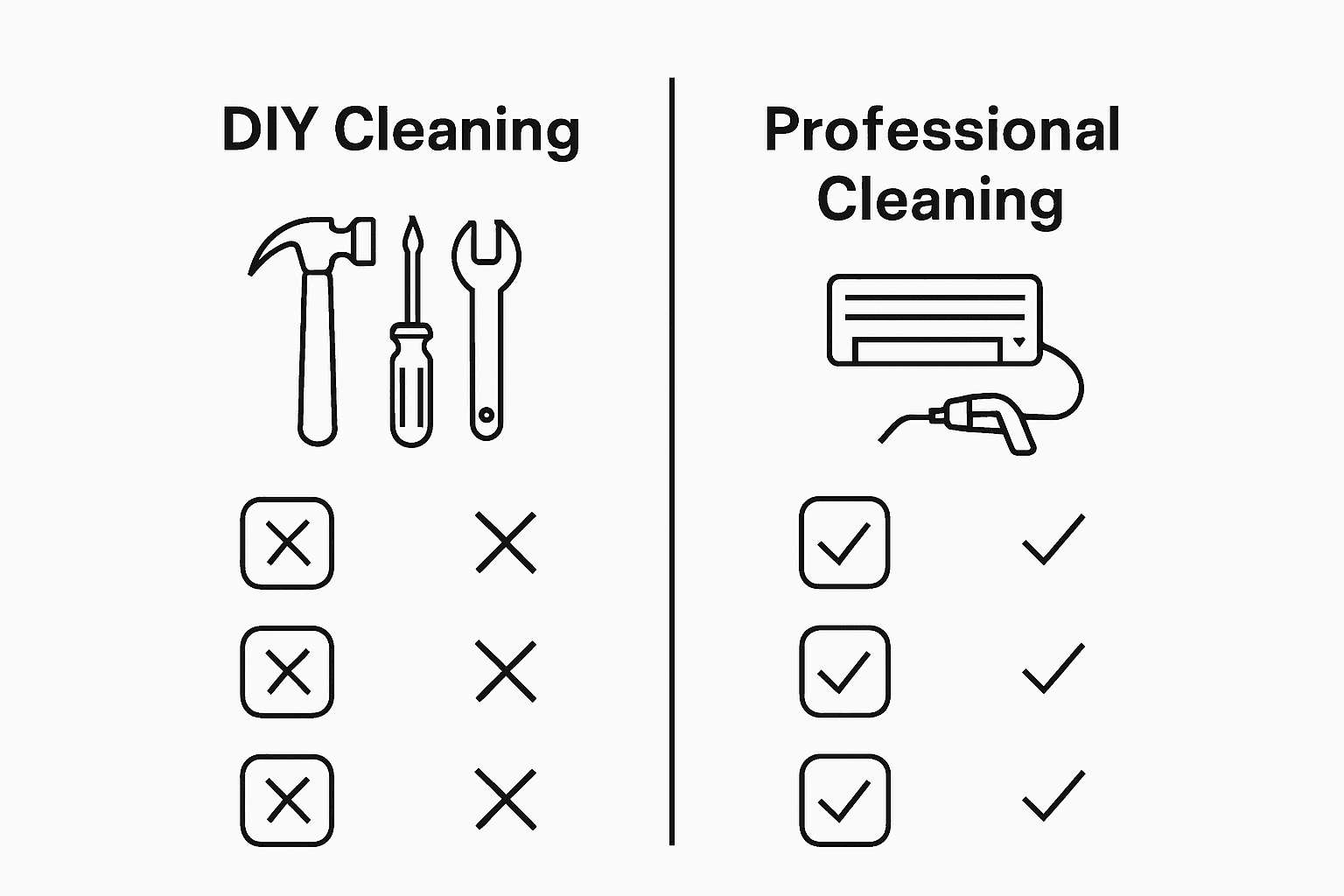
The distinction between DIY and professional AC cleaning represents a critical decision that impacts system performance, energy efficiency, and long-term indoor environmental quality. Commercial versus residential AC cleaning approaches reveal significant differences in methodology, technical complexity, and potential outcomes that extend far beyond simple surface maintenance.
AC maintenance guidelines acknowledge that while homeowners can perform basic tasks like filter replacement, comprehensive system cleaning requires specialized knowledge and professional-grade equipment. DIY approaches typically involve surface-level interventions that address visible dust and accessible components, whereas professional cleaning encompasses a holistic diagnostic and decontamination process. Professional technicians utilize advanced tools to access intricate system components, perform detailed microbial assessments, and implement precision cleaning techniques that go beyond basic maintenance.
The key differences between DIY and professional AC cleaning include:
- Technical Expertise: Professional technicians possess specialized training in HVAC systems
- Equipment Quality: Advanced diagnostic and cleaning tools unavailable to consumers
- Comprehensive Scope: Full system evaluation versus limited surface cleaning
- Microbial Decontamination: Hospital-grade sanitization protocols
- Detailed Reporting: Scientific assessment of system performance and potential risks
- Long-term Preservation: Strategic maintenance that extends equipment lifespan
- Risk Mitigation: Identification of potential system failures before they occur
Financial considerations further underscore the value of professional cleaning. While DIY methods might appear cost-effective initially, improper maintenance can lead to significant long-term expenses through increased energy consumption, accelerated component wear, and potential system failure. Professional services provide a strategic investment that balances immediate maintenance costs with substantial long-term performance and efficiency benefits.
Pro Tip – Maintenance Strategy: Request a comprehensive post-cleaning diagnostic report that details system condition, identified potential issues, and recommended future maintenance intervals.
Ultimately, the choice between DIY and professional AC cleaning reflects a broader decision about protecting your indoor environment, system performance, and long-term financial investment in your cooling infrastructure.
Here’s a side-by-side comparison of DIY vs. professional AC cleaning approaches:
| Aspect | DIY Cleaning | Professional Cleaning |
|---|---|---|
| Technical Skill Needed | Basic home maintenance knowledge | Specialized HVAC expertise |
| Equipment Used | Household tools, basic vacuums | Advanced, commercial-grade machinery |
| Depth of Cleaning | Surface and accessible parts only | Deep internal and microbial cleaning |
| Long-term Effectiveness | Limited improvement, short-lived | Significantly prolongs system lifespan |
| Health Risk Reduction | Minimal due to incomplete cleaning | Substantial with full-system sanitizing |
Protect Your Health with Expert AC Cleaning from Saniservice
Maintaining healthier indoor air means tackling the invisible dangers lurking inside your air conditioning system. The article highlights risks like mold, bacteria, and allergens that reduce air quality and energy efficiency. If you want to avoid costly repairs and safeguard your family’s respiratory health, professional AC cleaning is essential. At Saniservice, we specialize in scientifically precise, hospital-grade disinfection protocols that eliminate microbial contamination and restore optimal airflow and energy use.
Don’t settle for superficial cleaning when your health is at stake. Discover how our NADCA-certified technicians deliver deep cleaning and disinfection tailored to Dubai’s climate by visiting AC Cleaning & Maintenance – Saniservice AC Cleaning. See real results in our Case Studies – Saniservice AC Cleaning and learn why healthcare facilities and homeowners alike trust Saniservice for cleaner air, greater energy efficiency, and lasting comfort. Act now to schedule your professional AC cleaning and breathe easier today.
Frequently Asked Questions
What are the benefits of regular AC cleaning?
Regular AC cleaning enhances energy efficiency, reduces utility bills, improves indoor air quality, and decreases the likelihood of respiratory problems caused by dust and contaminants.
How often should I schedule professional AC cleaning?
It is recommended to schedule professional AC cleaning at least twice a year to ensure optimal performance and air quality, ideally before the summer and winter seasons.
What types of contaminants can accumulate in my AC system?
AC systems can harbor biological pollutants (like mold and bacteria), chemical contaminants (such as VOCs), and particulate matter (like dust and pollen) that can degrade air quality and system performance.
How does neglecting AC maintenance impact health and air quality?
Neglecting AC maintenance can lead to increased levels of indoor pollutants, which can exacerbate allergies and respiratory conditions, creating an unhealthy indoor environment.