Science Behind Air Cleaning: Proven Health Benefits
Airborne pollution silently undermines even the most luxurious interiors, with Dubai’s climate amplifying risks in both homes and commercial spaces. American research confirms that advanced air cleaning can reduce indoor pollutants by over 80 percent, offering a dramatic improvement in air quality and health compliance. For property managers and discerning homeowners, understanding evidence-based purification principles means greater protection, peace of mind, and a clear path to meeting international health standards.
Table of Contents
Contents
- 1 Table of Contents
- 2 Key Takeaways
- 3 Defining Air Cleaning and Its Core Principles
- 4 Types of Air Cleaning Technologies Explained
- 5 How Air Cleaning Improves Indoor Health
- 6 Microbiology and Evidence-Based Air Cleaning Methods
- 7 Safety Standards and Regulatory Compliance in Air Cleaning
- 8 Risks, Limitations, and Choosing the Right Solution
- 9 Elevate Your Indoor Air Quality with Expert AC Cleaning and Disinfection
- 10 Frequently Asked Questions
- 11 Recommended
- Defining Air Cleaning And Its Core Principles
- Types Of Air Cleaning Technologies Explained
- How Air Cleaning Improves Indoor Health
- Microbiology And Evidence-Based Air Cleaning Methods
- Safety Standards And Regulatory Compliance In Air Cleaning
- Risks, Limitations, And Choosing The Right Solution
Key Takeaways
| Point | Details |
|---|---|
| Core Principles of Air Cleaning | Effective air cleaning relies on source control, ventilation, and air filtration to enhance indoor air quality. |
| Technology Selection | Utilizing multiple filtration stages, including HEPA and ultraviolet technologies, significantly improves air purity and safety. |
| Health Impact | Air cleaning technologies reduce airborne pollutants, thereby decreasing respiratory illnesses and improving overall health and wellness. |
| Regulatory Compliance | Understanding and complying with international and local air quality standards is essential for ensuring the effectiveness and safety of air cleaning systems. |
Defining Air Cleaning and Its Core Principles
Air cleaning represents a sophisticated scientific approach to improving indoor environmental quality by systematically reducing and removing airborne pollutants. At its core, this process involves strategic interventions designed to minimize potentially harmful particles, microorganisms, and contaminants that circulate within enclosed spaces. The fundamental objective is creating healthier indoor environments through targeted filtration and purification techniques.
The core principles of air cleaning are built upon three essential strategies: source control, ventilation, and air filtration. Source control involves identifying and minimizing pollution origins, which might include volatile organic compounds, dust sources, or microbial growth points. Ventilation focuses on introducing fresh outdoor air to dilute and replace stagnant indoor air, while advanced filtration technologies work to capture and neutralize remaining microscopic contaminants.
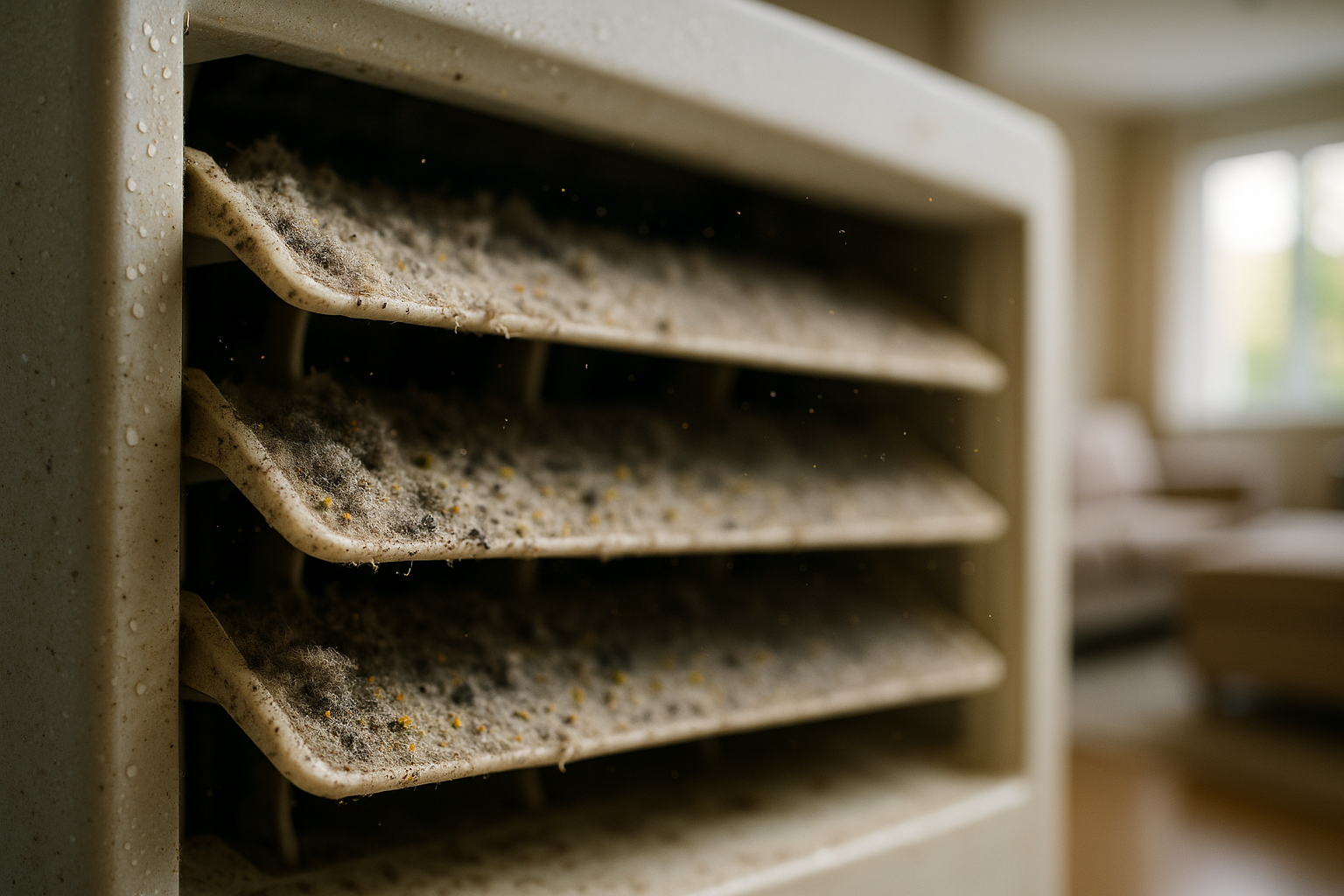
In the context of Dubai’s unique urban environment, air cleaning becomes particularly critical due to high temperatures, desert dust, and densely constructed spaces. Professional air cleaning systems utilize multiple filtration stages, including mechanical filters, activated carbon layers, and advanced HEPA technologies to trap particles as small as 0.3 microns. These sophisticated systems can effectively remove allergens, dust mites, bacterial particles, and even microscopic pollutants that traditional ventilation methods might miss.
Pro tip: Conduct a professional indoor air quality assessment every 12-18 months to ensure your air cleaning systems remain optimized and responsive to changing environmental conditions.
Types of Air Cleaning Technologies Explained
Modern air cleaning technologies represent a sophisticated arsenal of solutions designed to combat indoor air pollution through diverse scientific approaches. These advanced systems are engineered to target specific types of airborne contaminants, ranging from microscopic particulate matter to complex gaseous pollutants. The goal is to create a comprehensive defense mechanism that systematically reduces and neutralizes potential health risks within indoor environments.
The primary categories of air cleaning technologies include mechanical filtration, electronic air purification, and chemical neutralization strategies. Mechanical filtration technologies like HEPA filters represent the gold standard for capturing particulate matter, capable of trapping particles as small as 0.3 microns with over 99.97% efficiency. These filters utilize intricate fiber networks that physically trap pollutants, making them particularly effective against dust, pollen, pet dander, and certain bacterial particles.
Electronic air cleaning technologies offer alternative approaches to indoor air purification. Ionizers and electrostatic precipitators work by charging airborne particles, causing them to stick to collection plates or surfaces. Ultraviolet germicidal irradiation represents another sophisticated method, using specific wavelengths of ultraviolet light to deactivate microorganisms like bacteria, viruses, and mold spores. In Dubai’s challenging urban environment, these technologies become especially crucial in managing indoor air quality amid high temperatures and potential dust contamination.
Here’s a comparison of common air cleaning technologies and their effectiveness in urban environments:
| Technology Type | Key Mechanism | Effective Against | Ideal Use Scenario |
|---|---|---|---|
| HEPA Mechanical Filtration | Dense fiber network traps particles | Dust, pollen, bacteria | Homes and healthcare settings |
| Activated Carbon Adsorption | Absorbs gases and odors | Volatile organic compounds | Kitchens, industrial spaces |
| Ultraviolet Germicidal Irradiation | Breaks down microbial DNA | Bacteria, viruses, spores | Hospitals, humid climates |
| Ionizer/Electrostatic Precipitator | Electrically charges and collects particles | Fine particulate matter | Large commercial buildings |
Pro tip: When selecting an air cleaning technology, consider multiple filtration stages and choose systems that combine mechanical and electronic purification methods for comprehensive indoor air protection.
How Air Cleaning Improves Indoor Health
Indoor air quality directly impacts human health in profound and measurable ways, making air cleaning technologies a critical component of maintaining wellness in modern living environments. The human respiratory system is constantly exposed to a complex array of airborne contaminants that can trigger inflammation, allergic responses, and long-term health complications. By systematically removing these microscopic threats, air cleaning technologies create a protective barrier against potential respiratory and systemic health challenges.
Reducing airborne pollutants significantly decreases the risk of respiratory illnesses, including asthma, chronic obstructive pulmonary disease, and other inflammatory conditions. These technologies work by capturing particulate matter, neutralizing harmful microorganisms, and filtering out chemical pollutants that can compromise immune system functioning. Especially in urban environments like Dubai, where dust, high temperatures, and concentrated construction activities create unique air quality challenges, advanced air cleaning becomes essential for maintaining optimal health.
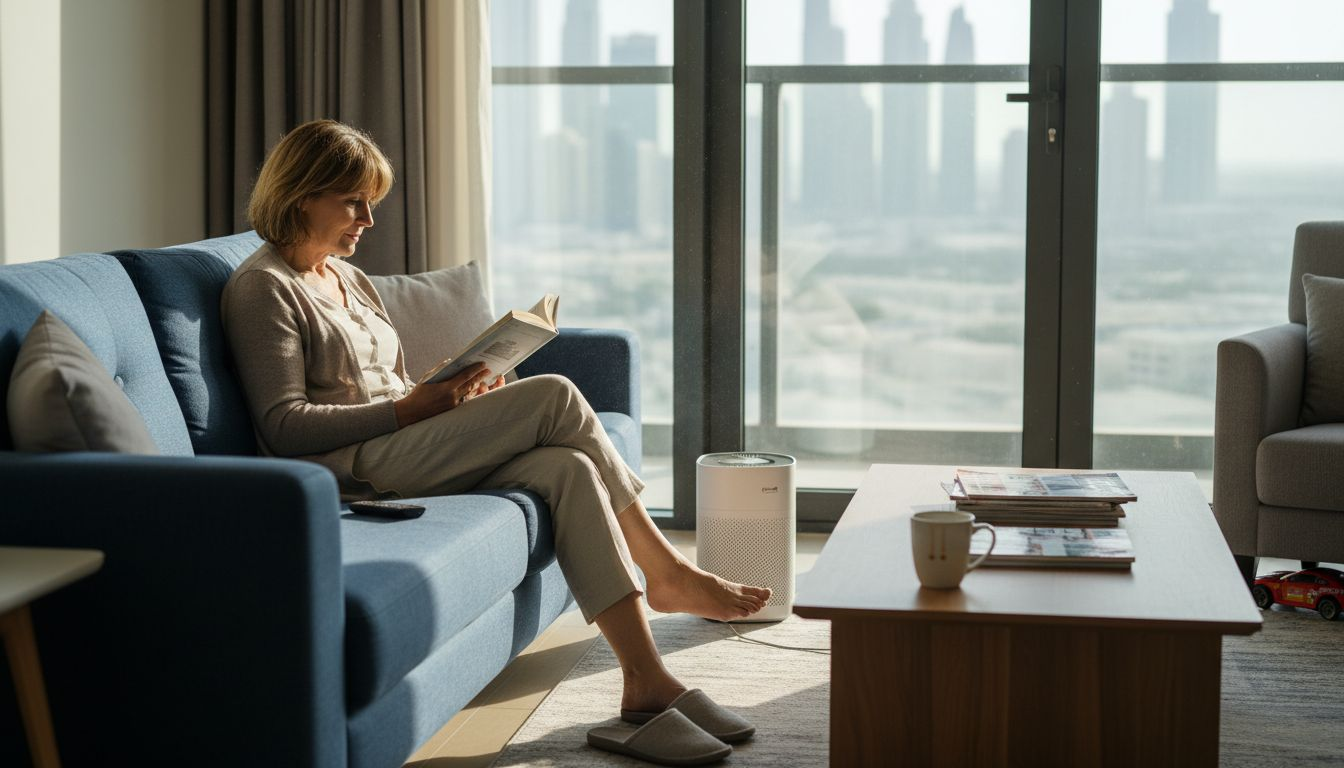
The health benefits extend beyond respiratory protection. By controlling humidity levels, preventing microbial growth, and reducing exposure to volatile organic compounds, air cleaning technologies contribute to comprehensive wellness. Individuals with compromised immune systems, children, elderly populations, and those with pre-existing health conditions experience the most significant improvements. The cumulative effect of consistent air purification can lead to reduced inflammation, improved sleep quality, enhanced cognitive function, and a overall strengthened immune response.
Pro tip: Invest in multi-stage air purification systems that combine mechanical filtration, activated carbon, and ultraviolet technologies to achieve the most comprehensive indoor air protection.
Microbiology and Evidence-Based Air Cleaning Methods
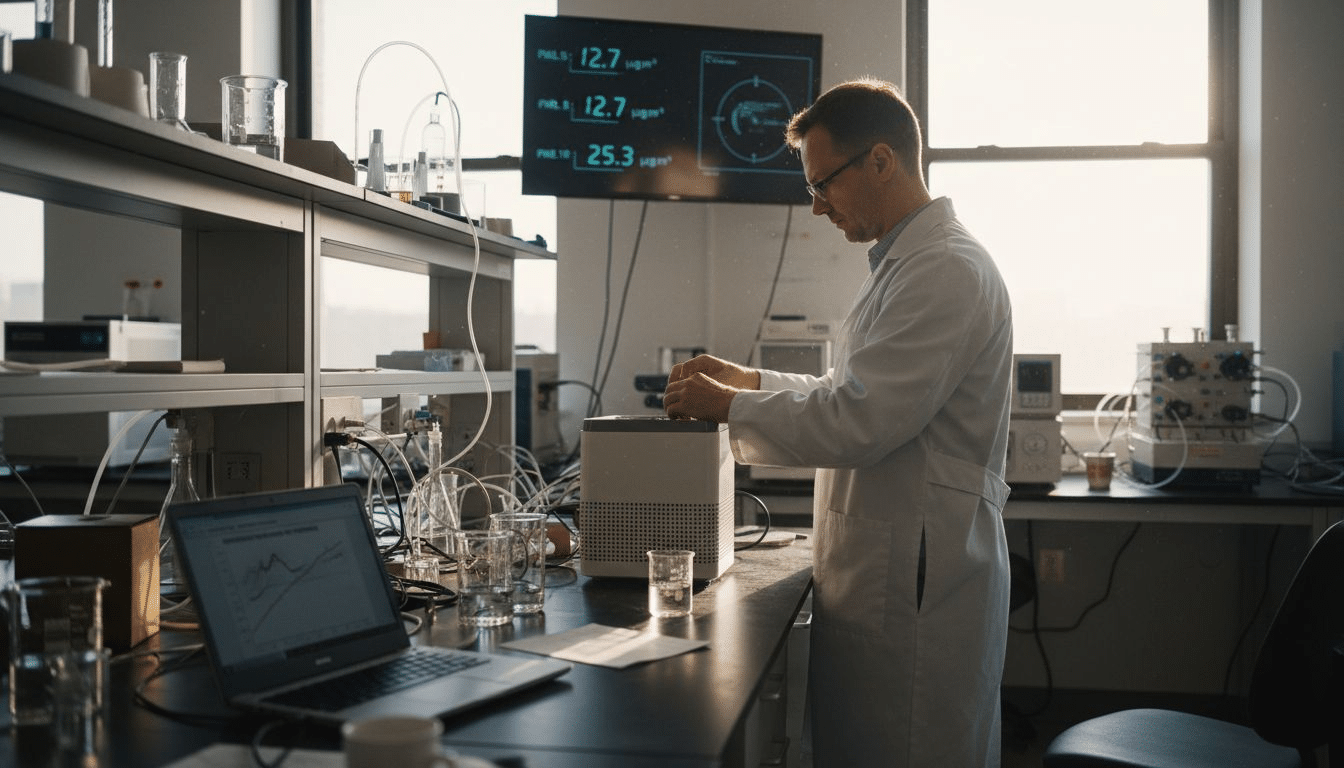
Aeromicrobiology represents a critical scientific discipline that investigates the complex interactions between airborne microorganisms and human health environments. Understanding the microscopic ecosystem suspended in indoor air requires sophisticated analytical approaches that can identify, quantify, and neutralize potential biological threats. Modern air cleaning technologies have evolved to address these intricate microbial landscapes with precision and scientific rigor.
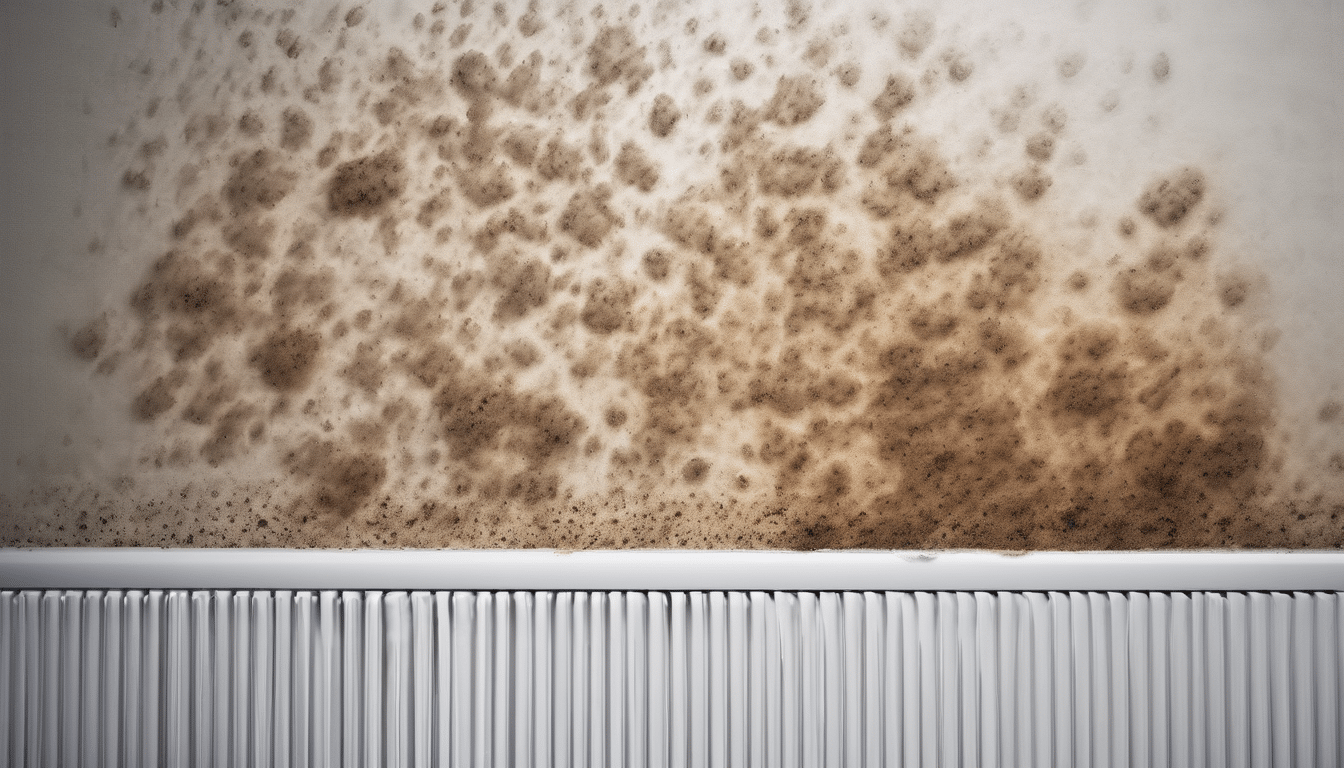
Scientific literature reveals the significant health risks posed by airborne microbial genera, particularly for vulnerable populations such as children, elderly individuals, and those with compromised immune systems. Researchers have identified specific bacterial and fungal species that can trigger respiratory infections, allergic responses, and inflammatory conditions. These microorganisms range from common household mold spores to more complex bacterial colonies that can proliferate in humid, poorly ventilated spaces.
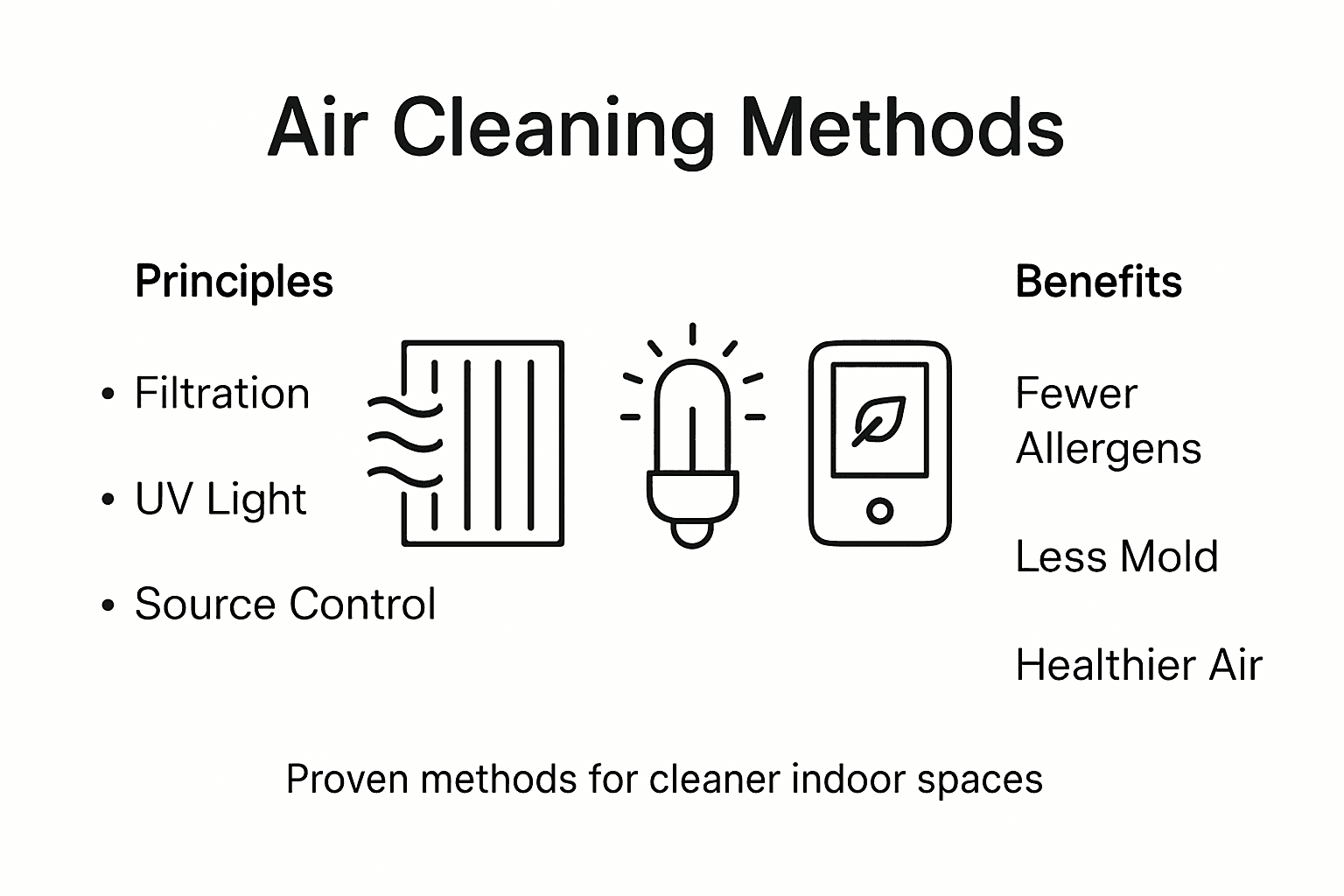
Evidence-based air cleaning methodologies leverage advanced technologies to systematically reduce microbial loads. High-efficiency particulate air (HEPA) filtration systems represent the gold standard, capable of capturing microorganisms as small as 0.3 microns with extraordinary precision. Ultraviolet germicidal irradiation provides an additional layer of protection by deactivating microbial DNA, effectively preventing reproduction and spread. In Dubai’s unique urban environment, where high temperatures and construction activities create complex air quality challenges, these scientific approaches become even more critical for maintaining indoor health standards.
Pro tip: Implement a comprehensive air monitoring strategy that combines multiple purification technologies and conducts regular microbiological assessments to maintain optimal indoor air quality.
Safety Standards and Regulatory Compliance in Air Cleaning
Safety standards in air cleaning represent a critical framework designed to protect human health by establishing rigorous benchmarks for indoor air quality and technological performance. These comprehensive regulatory mechanisms ensure that air purification systems meet stringent scientific criteria, providing a systematic approach to mitigating airborne health risks across residential, commercial, and industrial environments.
International standards like ASHRAE specifications establish precise requirements for ventilation and indoor air quality management, defining minimum acceptable parameters for air filtration, particulate removal, and system operational protocols. In the United Arab Emirates, these global standards are further refined to address the unique environmental challenges of desert regions, including extreme temperatures, high dust concentrations, and rapid urban development. Compliance involves meeting specific filtration efficiency ratings, maintaining appropriate air exchange rates, and implementing comprehensive monitoring protocols.
Regulatory frameworks in Dubai and across the UAE integrate multiple layers of compliance, including ISO certifications, local municipal health guidelines, and international environmental standards. These regulations mandate sophisticated testing procedures that evaluate air cleaning technologies based on their ability to remove microscopic contaminants, neutralize harmful microorganisms, and maintain consistent performance under challenging environmental conditions. Professional air cleaning services must demonstrate not just technological capability, but a holistic approach to indoor air quality that considers human health, environmental sustainability, and long-term system reliability.
Pro tip: Request comprehensive documentation and certification details when selecting an air cleaning service, ensuring they meet or exceed current UAE and international safety standards.
Risks, Limitations, and Choosing the Right Solution
Air cleaning technologies represent sophisticated yet complex systems with nuanced performance characteristics that demand careful evaluation. While these solutions offer substantial health benefits, they are not universal panaceas and require intelligent, context-specific implementation to maximize effectiveness and minimize potential risks associated with improper use or selection.
Air cleaning devices present inherent limitations that necessitate comprehensive understanding before implementation, particularly in environments like Dubai with unique atmospheric challenges. Some technologies can inadvertently generate secondary pollutants, such as certain ionizers producing trace ozone levels or electronic air purifiers creating electromagnetic byproducts. The effectiveness of these systems depends critically on matching the specific technology to precise indoor environmental conditions, pollutant types, and spatial characteristics.
Selecting an appropriate air cleaning solution requires a multifaceted approach that evaluates technological capabilities, environmental context, and potential health implications. Professional assessment becomes crucial in distinguishing between marketing claims and scientifically validated performance metrics. Critical evaluation parameters include filtration efficiency ratings, air exchange capabilities, maintenance requirements, energy consumption, noise levels, and potential secondary pollutant generation. In Dubai’s challenging urban environment, where high temperatures, desert dust, and dense construction activities create complex indoor air quality challenges, these considerations become even more paramount.
For quick reference, here are key factors to consider when selecting an air cleaning solution:
| Selection Factor | Why It Matters | Practical Recommendation |
|---|---|---|
| Filtration Efficiency | Ensures pollutant removal | Choose at least HEPA-level |
| Maintenance Needs | Impacts long-term reliability | Opt for accessible filter systems |
| Energy Consumption | Affects operating costs | Seek certified energy-efficient models |
| Secondary Pollutants | Prevents indoor hazards | Avoid systems that produce ozone |
| Certification & Standards | Verifies safety and quality | Require proof of UAE and international compliance |
Pro tip: Conduct a professional indoor air quality assessment before investing in any air cleaning technology to ensure precise matching between your specific environmental needs and the selected solution.
Elevate Your Indoor Air Quality with Expert AC Cleaning and Disinfection
Understanding the science behind air cleaning reveals the critical need to address airborne contaminants like mold, bacteria, and allergens for truly healthy indoor environments. Many residents and businesses in Dubai face challenges such as dust infiltration, microbial growth, and compromised ventilation systems that reduce air quality and impact health. At Saniservice, we specialize in professionally dismantling and deep-cleaning every AC component to eliminate these invisible threats. Our evidence-based approach uses hospital-grade, chemical-free biosanitisers tested in our in-house microbiology laboratory, ensuring your space benefits from scientifically proven air purification.
Experience how AC Cleaning & Maintenance – Saniservice AC Cleaning integrates advanced filtration principles and microbiological expertise to boost respiratory health, increase energy efficiency, and extend your system’s lifespan. Learn how our precision services have transformed indoor air quality by reviewing real-world successes in our Case Studies – Saniservice AC Cleaning.
Ready to transform your indoor environment into a healthier and safer space backed by scientific rigor and Swiss-quality service? Visit Saniservice today to schedule your professional AC cleaning and take the first step towards cleaner, fresher air now.
Frequently Asked Questions
What are the main strategies involved in air cleaning?
Air cleaning relies on three core strategies: source control (minimizing pollution origins), ventilation (introducing fresh outdoor air), and air filtration (capturing and neutralizing airborne contaminants).
How do air cleaning technologies improve indoor health?
Air cleaning technologies reduce airborne pollutants that can cause respiratory illnesses, allergic reactions, and other health complications, leading to improved overall well-being and immune function.
What are the differences between mechanical and electronic air cleaning methods?
Mechanical methods, like HEPA filters, physically trap particles, while electronic methods, such as ionizers and UV light, charge and neutralize airborne contaminants using electric fields or light waves.
Are there any risks associated with using air cleaning devices?
Yes, some air cleaning devices may generate secondary pollutants or ozone. It’s essential to choose systems carefully and ensure they are certified to meet safety standards.
Recommended
- Step by Step AC Cleaning Guide for Healthier Indoor Air
- Best Air Duct Cleaning Companies Near Me – Expert Comparison 2025 – Saniservice AC Cleaning
- AC Cleaning Myths Explained: What Really Matters
- HVAC Cleaning Process 2025: Step-By-Step Guide for Healthier Air – Saniservice AC Cleaning
- How to Clean Hot Tub Jets: A Step-by-Step Guide – ClearSpa™