

7 Essential Mold Prevention Strategies for Clean Indoor Air
Living in Dubai means facing the constant challenge of keeping your home safe from the effects of heat and humidity. Without the right precautions, indoor moisture can quickly create an environment where mold thrives, leading to health concerns and costly property repairs. But the right steps can keep these risks at bay and protect your living space year-round.
This practical guide brings together proven methods to help you control moisture, maintain air quality, and keep mold away from your home. You will discover simple actions and smart investments that make a real difference. Get ready for expert-backed strategies that are tailored to Dubai’s unique conditions and will help you prevent mold before it becomes a problem.
Table of Contents
Contents
- 1 Table of Contents
- 2 Quick Summary
- 3 1. Control Indoor Humidity for Effective Mold Prevention
- 4 2. Ensure Proper Ventilation in All Living Spaces
- 5 3. Maintain and Clean HVAC Systems Regularly
- 6 4. Fix Leaks and Address Water Damage Quickly
- 7 5. Use Mold-Resistant Materials in High-Risk Areas
- 8 6. Schedule Professional Mold Assessments Annually
- 9 7. Educate Residents and Staff on Mold Prevention Best Practices
- 10 Take Control of Mold Prevention with Expert AC Cleaning from Saniservice
- 11 Frequently Asked Questions
- 11.0.1 How can I control indoor humidity to prevent mold?
- 11.0.2 What ventilation strategies should I implement for mold prevention?
- 11.0.3 What steps should I take if I discover water leaks in my home?
- 11.0.4 How often should I have my HVAC system inspected for mold prevention?
- 11.0.5 What types of materials should I use in high-risk areas to resist mold?
- 11.0.6 How can I educate my family or staff on mold prevention?
- 12 Recommended
- Control Indoor Humidity For Effective Mold Prevention
- Ensure Proper Ventilation In All Living Spaces
- Maintain And Clean HVAC Systems Regularly
- Fix Leaks And Address Water Damage Quickly
- Use Mold-Resistant Materials In High-Risk Areas
- Schedule Professional Mold Assessments Annually
- Educate Residents And Staff On Mold Prevention Best Practices
Quick Summary
| Key Message | Explanation |
|---|---|
| 1. Control indoor humidity levels | Maintain humidity between 30-50% to prevent mold growth effectively. This reduces the chance of harmful microorganisms establishing themselves in your home. |
| 2. Ensure proper ventilation | Use exhaust fans and open windows to improve air circulation, helping to prevent moisture buildup in living spaces, particularly in high-moisture areas. |
| 3. Conduct regular HVAC maintenance | Schedule inspections and maintain your HVAC system to manage humidity levels and prevent water accumulation, which is crucial in a hot and humid climate like Dubai. |
| 4. Address leaks immediately | Quickly find and fix leaks to prevent water damage, which can lead to rapid mold development, highlighting the importance of timely intervention. |
| 5. Schedule professional mold assessments | Annual assessments can detect hidden moisture issues early, preventing costly damage and providing expert recommendations for mold prevention in your home. |
1. Control Indoor Humidity for Effective Mold Prevention
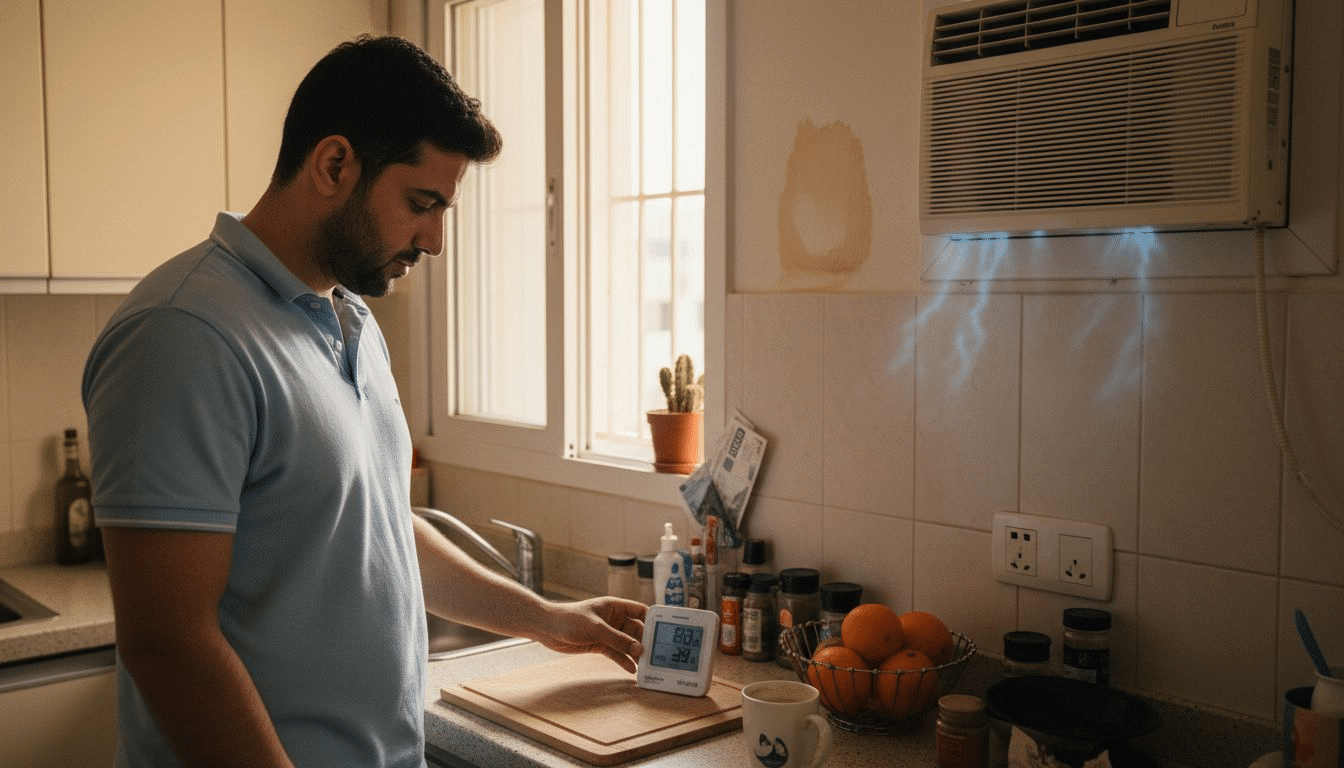
Controlling indoor humidity is the cornerstone of preventing mold growth in residential spaces across Dubai. Your home’s moisture levels directly impact the potential for harmful microorganism development.
The Environmental Protection Agency emphasizes that mold requires moisture to survive and spread. Indoor humidity control is critical for maintaining a healthy living environment. By understanding and managing your indoor climate, you can effectively reduce mold risks.
Key strategies for humidity management include:
- Use dehumidifiers in high-moisture areas like bathrooms and kitchens
- Ensure proper ventilation in all living spaces
- Run air conditioning consistently to reduce ambient moisture
- Fix water leaks immediately
- Use exhaust fans during and after activities that generate moisture
Maintaining indoor humidity between 30-50% creates an environment where mold struggles to establish itself.
In Dubai’s hot and humid climate, monitoring indoor humidity becomes even more crucial. The unique environmental conditions make residential spaces particularly susceptible to moisture-related challenges. Professional HVAC maintenance and regular inspections can help identify potential humidity issues before they escalate.
Pro tip: Invest in a digital hygrometer to continuously monitor your home’s humidity levels and take proactive action when they approach dangerous thresholds.
2. Ensure Proper Ventilation in All Living Spaces
Ventilation is the unsung hero of indoor air quality and mold prevention. Your home’s air circulation system plays a critical role in maintaining a healthy living environment.
The Centers for Disease Control emphasizes that effective ventilation prevents moisture buildup which can lead to mold growth. By strategically managing airflow, homeowners can significantly reduce the risk of microbial contamination.
Key ventilation strategies include:
- Install exhaust fans in high-moisture areas like bathrooms and kitchens
- Open windows regularly to promote cross ventilation
- Maintain air conditioning systems to ensure optimal airflow
- Use dehumidifiers in spaces with limited natural air circulation
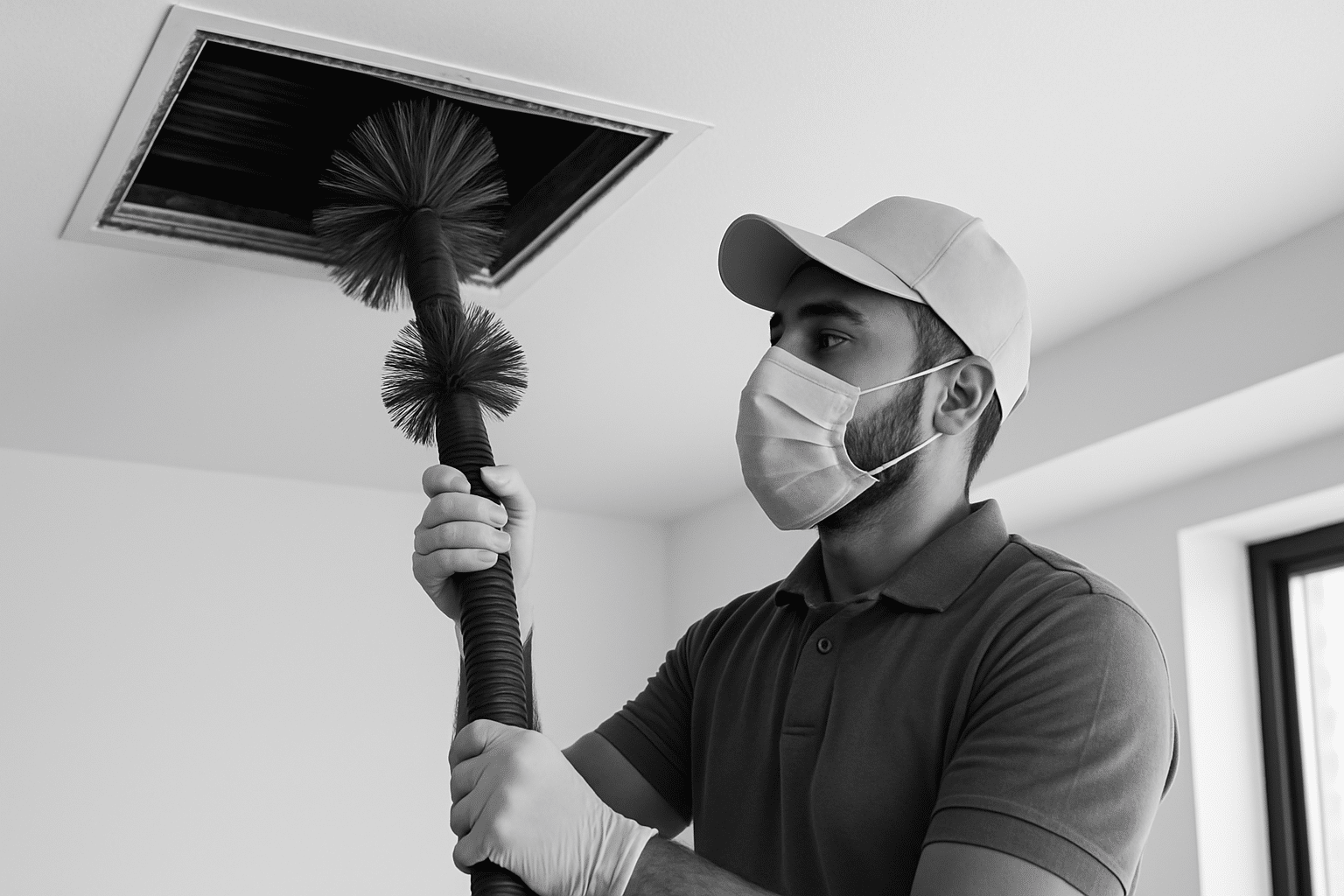
- Check and clean air vents and ductwork periodically
Proper air movement disrupts the stagnant conditions that mold requires to thrive.
In Dubai’s humid climate, mechanical ventilation becomes even more crucial. Your home’s HVAC system is not just about temperature control but also about maintaining a dry and healthy indoor environment.
Pro tip: Consider installing humidity-sensing exhaust fans that automatically activate when moisture levels rise above recommended thresholds.
3. Maintain and Clean HVAC Systems Regularly
Your heating and cooling systems are more than temperature control devices. They are critical guardians of indoor air quality and mold prevention.
The Environmental Protection Agency emphasizes the importance of regular HVAC maintenance for moisture control. A well-maintained system acts as a first line of defense against potential mold growth by managing humidity and preventing water accumulation.
Crucial HVAC maintenance tasks include:
- Clean and inspect drip pans monthly
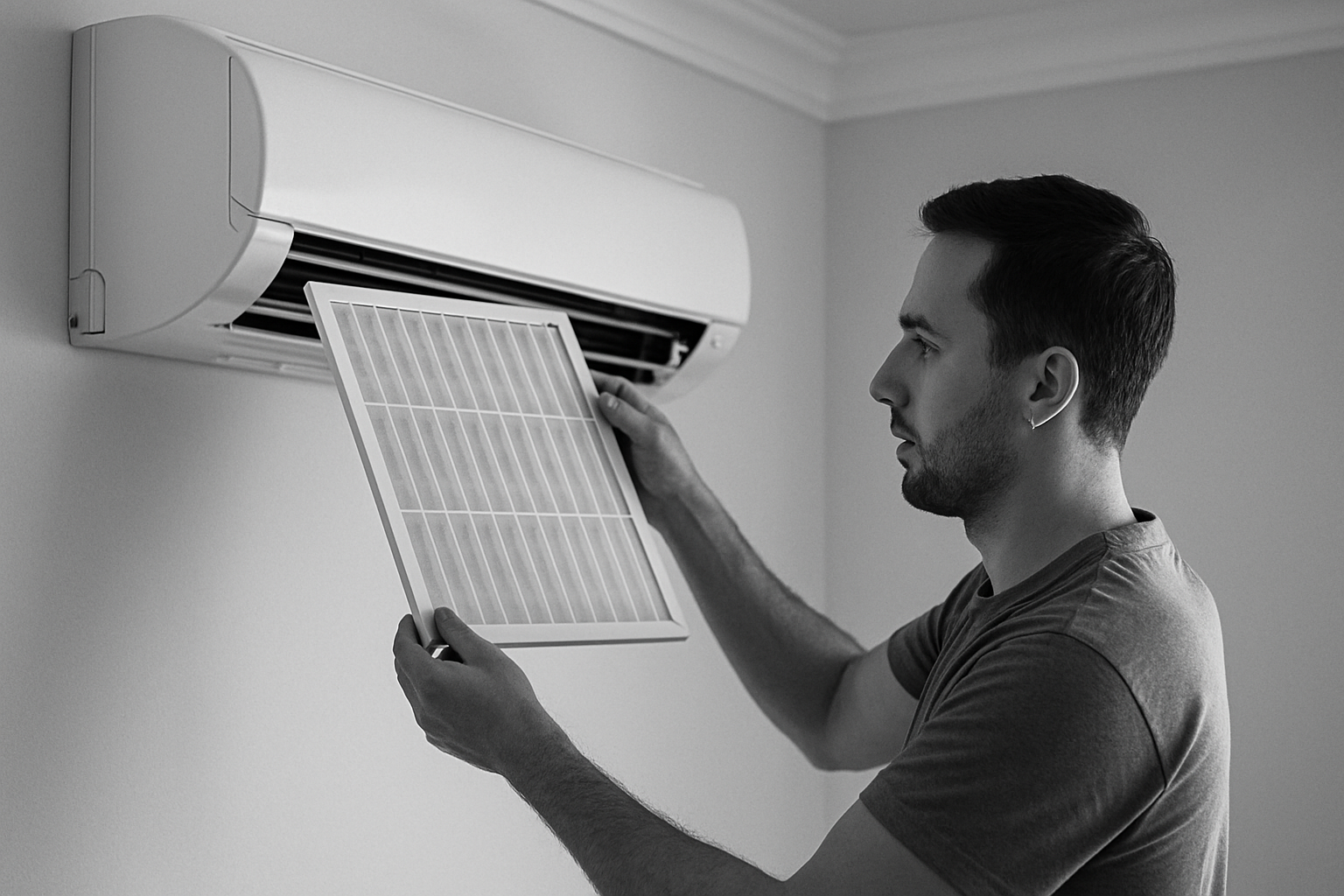
- Replace air filters every 3-6 months
- Check ductwork for signs of moisture or mold
- Ensure proper system drainage
- Schedule professional HVAC inspections annually
An unmaintained HVAC system can become a breeding ground for mold and bacteria.
In Dubai’s challenging climate, where high humidity is constant, professional HVAC maintenance becomes even more critical. The combination of heat and moisture creates ideal conditions for microbial growth if systems are not properly managed.
Pro tip: Consider using microbial-resistant filters and scheduling biannual deep cleaning to prevent potential mold development in your HVAC system.
4. Fix Leaks and Address Water Damage Quickly
Water damage is a silent threat to your indoor environment. Even minor leaks can become major mold problems if not addressed promptly.
The Environmental Protection Agency emphasizes the critical importance of quickly addressing water damage sources to prevent mold growth. Mold can begin developing within 24 to 48 hours of water exposure, making rapid response essential.
Key steps for managing water damage include:
- Identify and stop the source of water immediately
- Remove standing water using pumps or wet vacuums
- Dry affected areas within 48 hours
- Discard porous materials that cannot be thoroughly dried
- Inspect hidden spaces like wall cavities for moisture
Moisture is mold’s primary lifeline. Cut that lifeline quickly.
In Dubai’s humid climate, water damage can accelerate mold growth even faster than in temperate regions. Your proactive approach can prevent extensive property damage and potential health risks associated with mold proliferation.
Pro tip: Invest in a moisture meter to detect hidden water damage in walls and floors before visible mold can develop.
5. Use Mold-Resistant Materials in High-Risk Areas
Not all building materials are created equal when it comes to mold prevention. Strategic material selection can be your first line of defense against potential microbial invasions.
The CDC and NIOSH highlight the significance of selecting mold-resistant construction materials in moisture-prone environments. These specialized materials create an inhospitable landscape for mold spore colonization.
Mold-resistant materials to consider include:
- Fiberglass-faced drywall instead of traditional paper-faced options
- Concrete and ceramic tiles for bathrooms
- Pressure-treated wood for exterior applications
- Mold-resistant paint with antimicrobial properties
- Synthetic fabrics for window treatments and upholstery
Smart material choices can prevent 70% of potential mold growth scenarios.
In Dubai’s high-humidity environment, choosing the right materials becomes even more critical. Porous materials like standard drywall and untreated wood can quickly become breeding grounds for mold in such conditions.
Pro tip: When renovating high-moisture areas, always prioritize materials with inherent moisture-resistant properties over standard alternatives.
6. Schedule Professional Mold Assessments Annually
Professional mold assessments are not just an optional luxury. They are a critical preventive measure for maintaining a healthy indoor environment.
The Centers for Disease Control emphasizes the importance of routine professional mold inspections to identify potential moisture and microbial growth issues before they escalate. These assessments provide early detection and intervention strategies that can save homeowners significant time and money.
Key benefits of annual professional mold assessments include:
- Early detection of hidden moisture problems
- Comprehensive evaluation of potential mold growth areas
- Identification of structural vulnerabilities
- Expert recommendations for prevention
- Documentation for insurance and property maintenance
A single professional assessment can prevent thousands of dollars in potential damage.
In Dubai’s humid climate, professional assessments become even more crucial. Trained experts understand the unique environmental challenges that contribute to mold proliferation in high-moisture regions.
Pro tip: Request a detailed written report after each professional assessment and keep a chronological record to track potential changes in your indoor environment.
7. Educate Residents and Staff on Mold Prevention Best Practices
Knowledge is the most powerful weapon against mold growth. Educating residents and staff transforms passive occupants into active defenders of indoor air quality.
The Environmental Protection Agency emphasizes the critical role of resident awareness in mold prevention. Understanding how moisture and environmental conditions contribute to mold growth empowers individuals to take proactive steps.
Key educational focus areas include:
- Recognizing early signs of moisture damage
- Understanding humidity control techniques
- Learning proper cleaning and maintenance protocols
- Identifying potential mold growth locations
- Reporting issues immediately to facility management
Informed residents are the first line of defense against indoor environmental risks.
In Dubai’s unique climate, where high humidity creates constant mold challenges, comprehensive education becomes even more crucial. Staff and residents must be equipped with location-specific knowledge about mold prevention strategies.
Pro tip: Develop a simple, visually engaging mold prevention handbook that residents can easily reference and understand.
Below is a comprehensive table summarizing the key strategies, steps, and tips for effective mold prevention as outlined throughout the article.
| Topic | Key Details | Benefits and Importance |
|---|---|---|
| Control Indoor Humidity | Maintain humidity levels at 30-50%, fix leaks immediately, and use dehumidifiers in moist areas. | Reduces the environment favorable for mold growth. |
| Ensure Proper Ventilation | Use exhaust fans, maintain air conditioning systems, and clean vents periodically. | Prevents moisture buildup and promotes healthy airflow. |
| Maintain and Clean HVAC Systems | Schedule professional maintenance, replace filters, and ensure proper drainage. | Enhances moisture management and prevents mold accumulation in system components. |
| Promptly Address Water Damage | Resolve leaks quickly, dry wet areas within 48 hours, and inspect hidden spaces. | Deters moisture sources crucial for mold growth. |
| Use Mold-Resistant Materials | Install moisture-resistant construction materials in vulnerable areas. | Helps prevent mold colonization on surfaces. |
| Schedule Regular Assessments | Employ experts to evaluate and document indoor mold risk areas annually. | Provides early detection of mold-related vulnerabilities. |
| Educate Occupants and Staff | Promote knowledge on moisture control, maintenance, and early detection. | Empowers proactive mold prevention and remedial actions. |
Take Control of Mold Prevention with Expert AC Cleaning from Saniservice
Mold growth thrives in humid and poorly maintained indoor environments just like those described in the article. If you struggle to maintain optimal indoor humidity levels, proper ventilation, and regular HVAC maintenance to prevent mold growth Saniservice is your trusted partner in Dubai. Our scientifically driven air conditioning cleaning and disinfection services address key mold risks by eliminating mold colonies and allergens from your AC components using hospital-grade biosanitisers. This approach complements your efforts to control moisture and protect your home or commercial space from hidden mold dangers.
Ready to safeguard your indoor air quality and prevent costly mold damage today Explore our proven solutions through Case Studies – Saniservice AC Cleaning to see how we transform indoor environments. Don’t wait until mold jeopardizes your health and comfort. Visit Saniservice now and schedule a professional cleaning that supports all seven essential mold prevention strategies.
Frequently Asked Questions
How can I control indoor humidity to prevent mold?
Controlling indoor humidity involves keeping moisture levels between 30-50%. Use dehumidifiers in high-moisture areas like bathrooms and kitchens to effectively reduce humidity.
What ventilation strategies should I implement for mold prevention?
To prevent mold growth, ensure proper ventilation by installing exhaust fans in moisture-prone areas and regularly opening windows for cross ventilation. Maintain air conditioning systems to promote effective airflow throughout your home.
What steps should I take if I discover water leaks in my home?
If you find a leak, immediately identify and stop the source of water to prevent mold growth. Remove standing water and dry affected areas within 48 hours to minimize damage.
How often should I have my HVAC system inspected for mold prevention?
Schedule professional HVAC inspections annually to ensure optimal air quality and moisture control. Regular maintenance can help prevent mold growth, saving you time and money in the long run.
What types of materials should I use in high-risk areas to resist mold?
Use mold-resistant materials like fiberglass-faced drywall and pressure-treated wood in high-moisture areas. These materials can significantly reduce the risk of mold growth by creating an inhospitable environment for spores.
How can I educate my family or staff on mold prevention?
Educate your family or staff on recognizing signs of moisture damage and how to control humidity. Develop a simple mold prevention handbook to ensure everyone knows proper cleaning and reporting protocols.
Recommended
- HVAC Mold Prevention in Buildings: 9 Powerful Strategies for Cleaner Air
- Advanced AC Duct Cleaning Techniques for Mold Prevention
- How can I safely clean and prevent kitchen mold? – Saniservice AC Cleaning
- Mold Remediation Explained: Science, Safety, and Solutions
- Humidity and Linens: Impact on Guest Comfort – Lotus Linen
- How to Deep Clean Home Naturally for Professional Results
Related articles


Leave a Reply