Role of Microbiology Laboratory in Indoor Air Quality
Managing luxury residences in Dubai brings a unique challenge: keeping indoor air pure in homes sealed tightly against the city’s heat. Indoor environments often hide unseen microbial threats that can compromise well-being before you notice a problem. Microbiology laboratories identify and measure these contaminants by sampling air, surfaces, and dust, providing the foundation for targeted cleaning and disinfection. This approach empowers you to safeguard residents using insights backed by science, not guesswork.
Table of Contents
Contents
- 1 Table of Contents
- 2 Key Takeaways
- 3 Defining the microbiology laboratory’s purpose
- 4 Types of microbiology testing for indoor environments
- 5 Laboratory processes for air and surface samples
- 6 Ensuring compliance and regulatory standards
- 7 Impact on cleaning, disinfection, and health outcomes
- 8 Elevate Your Indoor Air Quality with Science-Backed Expertise
- 9 Frequently Asked Questions
- 9.0.1 What is the purpose of a microbiology laboratory in indoor air quality assessment?
- 9.0.2 What types of testing methods are used by microbiology laboratories for indoor environments?
- 9.0.3 How do microbiology laboratories ensure compliance with health and safety regulations?
- 9.0.4 Why is it important to request baseline microbiology testing before cleaning or disinfection?
- 10 Recommended
- Defining The Microbiology Laboratory’s Purpose
- Types Of Microbiology Testing For Indoor Environments
- Laboratory Processes For Air And Surface Samples
- Ensuring Compliance And Regulatory Standards
- Impact On Cleaning, Disinfection, And Health Outcomes
Key Takeaways
| Point | Details |
|---|---|
| Microbiology Laboratory Purpose | Focuses on identifying and measuring microbial threats in indoor air to assess health risks for occupants. |
| Comprehensive Testing Methods | Employs air, surface, and dust sampling to create a complete microbial profile within homes. |
| Laboratory Processes | Utilizes standardized practices for sample analysis, ensuring precise identification and quantification of microbes. |
| Regulatory Compliance | Ensures adherence to health standards by monitoring microbial levels, guiding effective cleaning and disinfection strategies. |
Defining the microbiology laboratory’s purpose
A microbiology laboratory dedicated to indoor air quality serves one central mission: identifying and measuring the microbial threats hiding in your home’s environment. This isn’t about generic testing—it’s about understanding exactly what microbes are present and how they affect occupant health.
The core functions of a microbiology laboratory in indoor air quality assessment include:
- Identifying microbial sources within residential spaces, from HVAC systems to surface areas and dust accumulations
- Conducting air sampling to capture airborne bacterial and fungal particles that residents breathe daily
- Surface and dust analysis to detect contamination in areas where microbes thrive and spread
- Measuring microbial concentrations to establish whether indoor levels pose genuine health risks
- Analyzing microbial diversity to understand which species dominate and why they’re present
In Dubai’s luxury residential sector, where homes feature advanced cooling systems and sealed environments, microbiology laboratories assess indoor microbial contamination by identifying sources and sampling air, surfaces, and dust. This comprehensive evaluation reveals hidden problems before they affect your family’s health.
The laboratory’s role extends beyond simple detection. It supports developing targeted mitigation strategies—not generic solutions, but evidence-based interventions designed specifically for your home’s conditions. When SaniAC by Saniservice conducts testing through our in-house microbiology laboratory, we’re not just collecting data; we’re building a scientific foundation for healthier indoor environments.
A microbiology laboratory transforms invisible threats into measurable data, enabling precise interventions rather than guesswork.
Measuring bacterial and fungal concentrations is critical for assessing health risks and establishing baseline indoor air quality standards. The laboratory identifies dominant microbes and the factors influencing them—ventilation patterns, material selections, moisture levels—creating a clear picture of what needs to change.
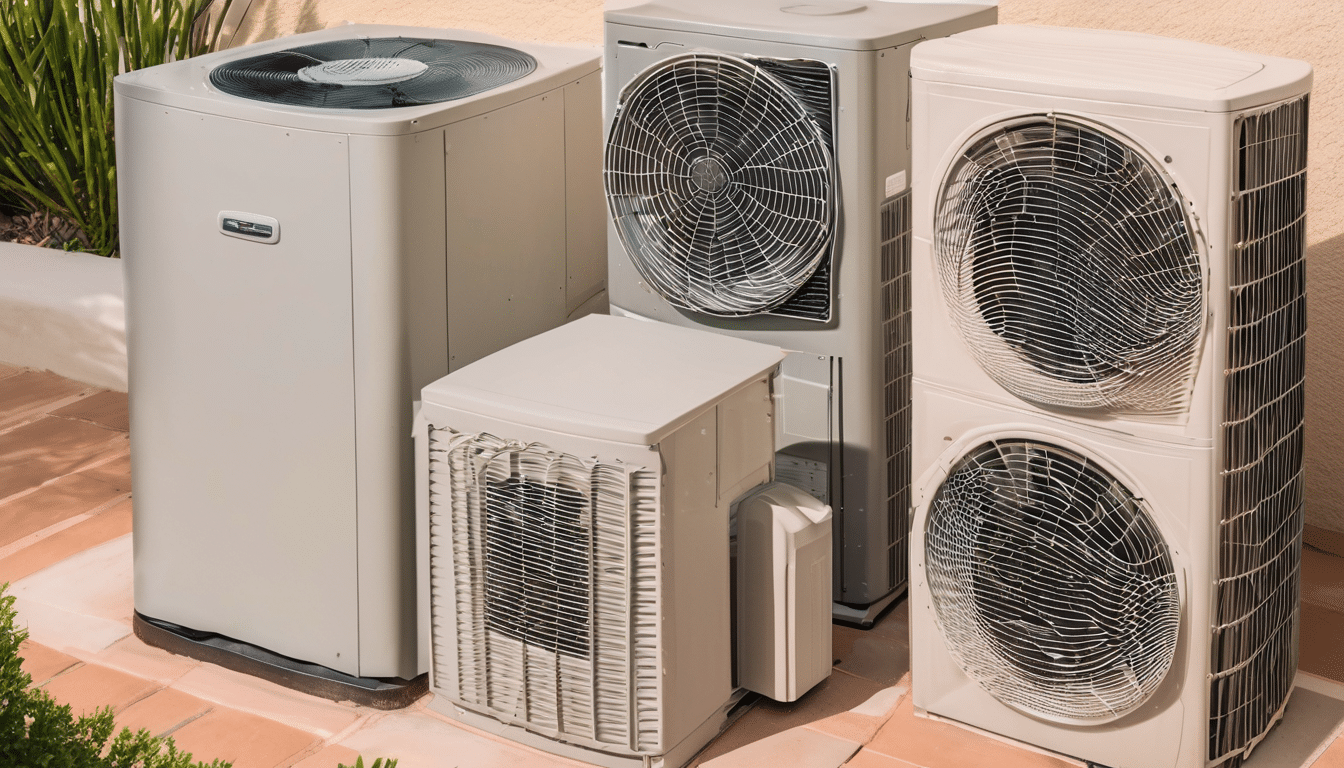
In Dubai’s hot, humid climate, where air conditioning systems work year-round, microbiology laboratories play an especially vital role. They detect whether your AC unit is circulating clean air or harboring dangerous biofilms and bacterial colonies.
Pro tip: Request baseline microbiology testing before implementing any cleaning or disinfection service, so you have measurable data proving the effectiveness of interventions.
Types of microbiology testing for indoor environments
Microbiology laboratories employ several distinct testing methods to evaluate indoor air quality comprehensively. Each method targets different microbial threats and provides specific insights into contamination patterns within your home.
The primary testing approaches include:
- Air sampling to capture airborne bacteria and fungi that residents inhale
- Surface sampling to detect microbial colonies on HVAC components, walls, and equipment
- Dust sampling to analyze accumulated particles where microbes accumulate
Air sampling represents the most direct assessment of what you’re breathing. Air sampling, surface sampling, and dust sampling methods enable laboratories to assess bacteria, fungi, viruses, and their byproducts in indoor air. This comprehensive approach reveals both the types and concentrations of microbial threats present.
Passive air sampling techniques, such as settle plate or gravitational methods, represent one common approach. These methods allow airborne microbes to settle naturally onto collection plates over a set period, capturing what naturally gravitates through your indoor environment. In Dubai’s controlled indoor spaces, passive sampling reveals how effectively your cooling systems filter airborne contaminants.
Different testing methods reveal different contamination patterns—air sampling shows what you breathe, while surface sampling exposes hidden biofilms in your AC system.
After sample collection, standard culturing, isolation, and identification procedures categorize which microbial species are present and quantify contamination levels. The laboratory cultures these samples under controlled conditions, allowing microbes to grow and become identifiable. Specialists then analyze growth patterns to determine exactly which bacteria, fungi, or viruses are colonizing your indoor spaces.
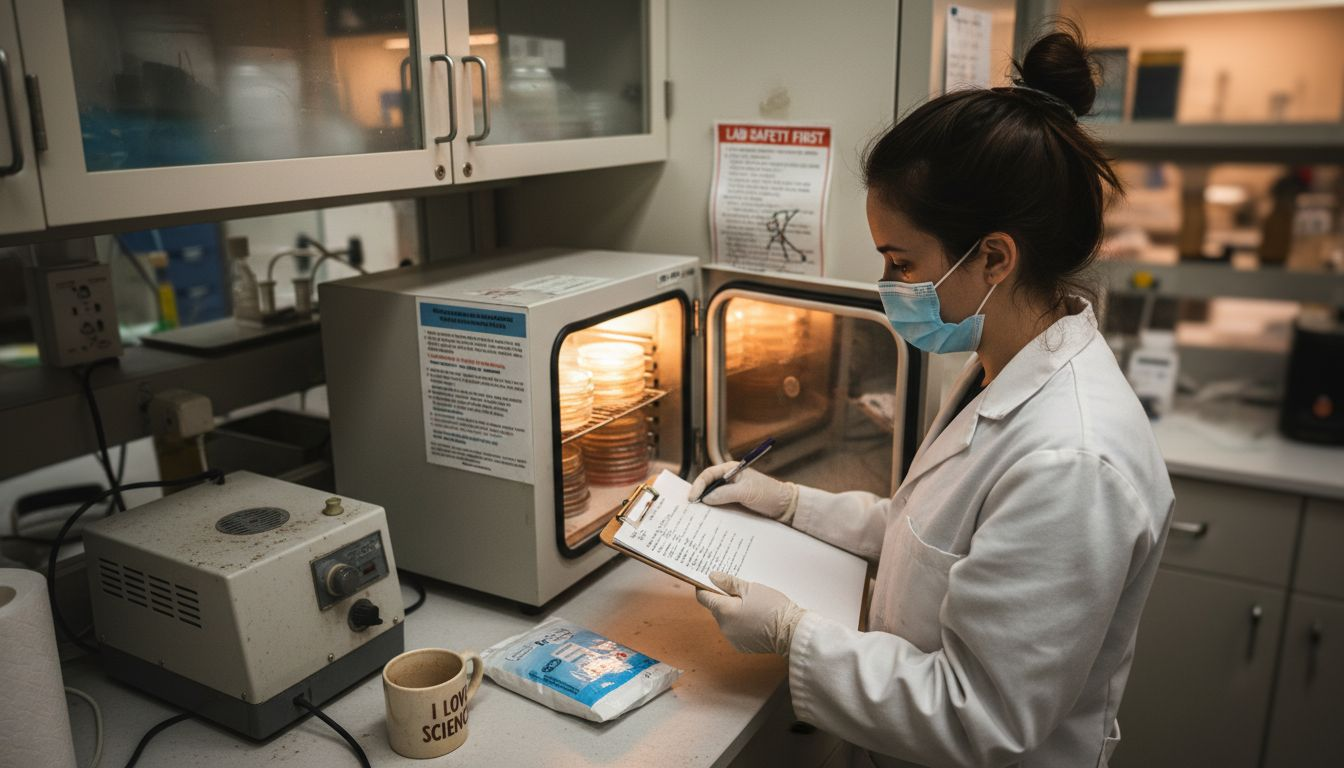
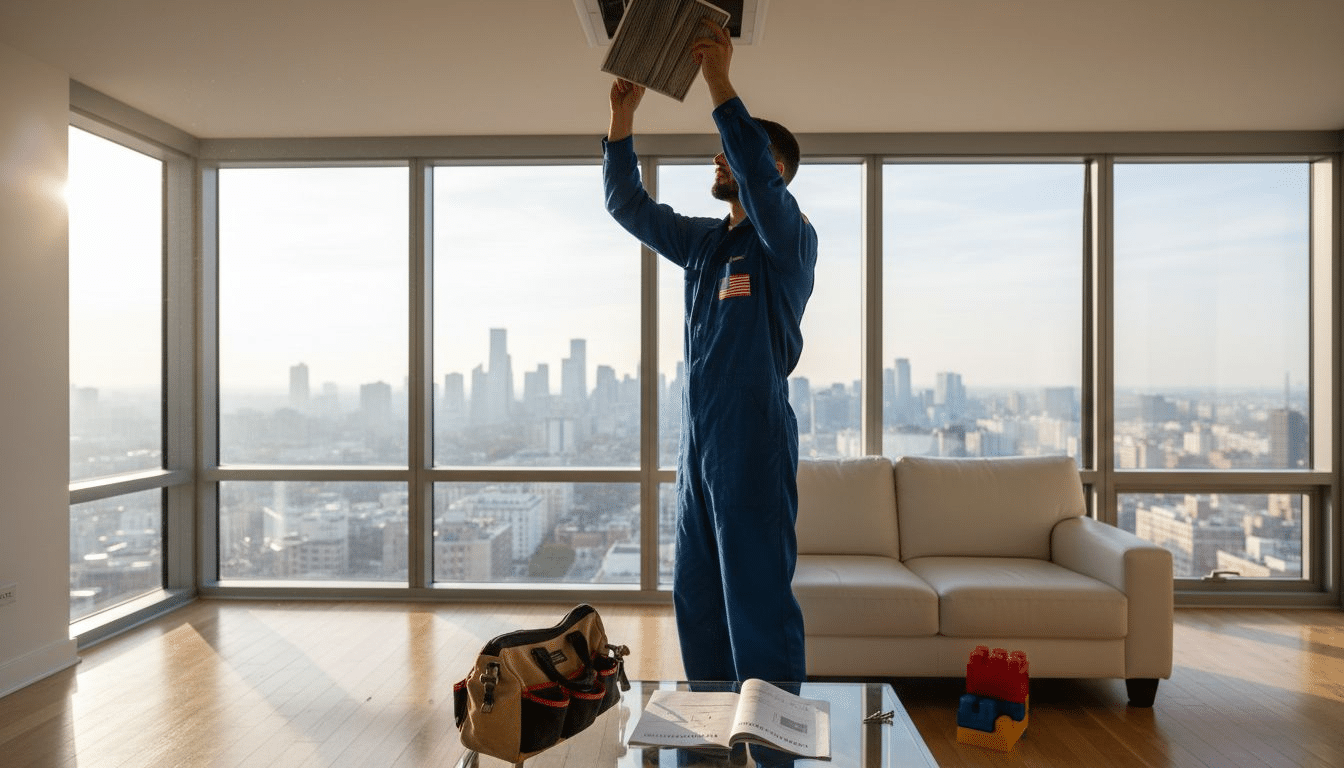
Surface sampling proves especially valuable in Dubai’s residential sector, where air conditioning units operate continuously. Technicians collect samples from AC coils, drain trays, and ducts—the areas where moisture and organic matter create ideal conditions for biofilm formation. These samples reveal whether your system is harboring dangerous colonies that circulate through your home with every cooling cycle.
Dust sampling captures accumulated microbial material that settles on furniture, bedding, and surfaces. This testing type identifies which microbial species thrive in settled dust, providing insights into long-term contamination patterns and persistent sources.
When SaniAC by Saniservice conducts certified indoor air quality testing, we employ all three methods simultaneously to create a complete microbial profile of your home. No single method tells the whole story—together, they reveal exactly where contamination originates and how it spreads.
Here’s a concise comparison of microbiology testing methods for indoor environments:
| Testing Method | Main Purpose | Typical Locations Tested | Insight Provided |
|---|---|---|---|
| Air Sampling | Assess airborne microbes | Living spaces, AC vents | Identifies what residents inhale |
| Surface Sampling | Detect surface colonies | AC coils, walls, equipment | Reveals hidden microbial growth |
| Dust Sampling | Analyze settled contaminants | Furniture, bedding, surfaces | Shows long-term contamination |
Pro tip: Request testing that includes all three sampling methods: air, surface, and dust, so you receive a complete picture of contamination sources rather than partial data that might miss hidden problems in your AC system.
Laboratory processes for air and surface samples
Once samples arrive at the microbiology laboratory, a standardized analytical workflow transforms raw samples into actionable data about your home’s microbial environment. Understanding these processes reveals why professional testing delivers precision that home testing kits cannot match.
The laboratory process follows these key steps:
- Sample preparation ensures proper handling and prevents contamination during analysis
- Culture inoculation places samples on selective media designed to grow specific microbes
- Incubation allows bacteria and fungi to develop under controlled temperature and humidity
- Identification determines exactly which microbial species are present
- Quantification measures contamination levels to assess health risks
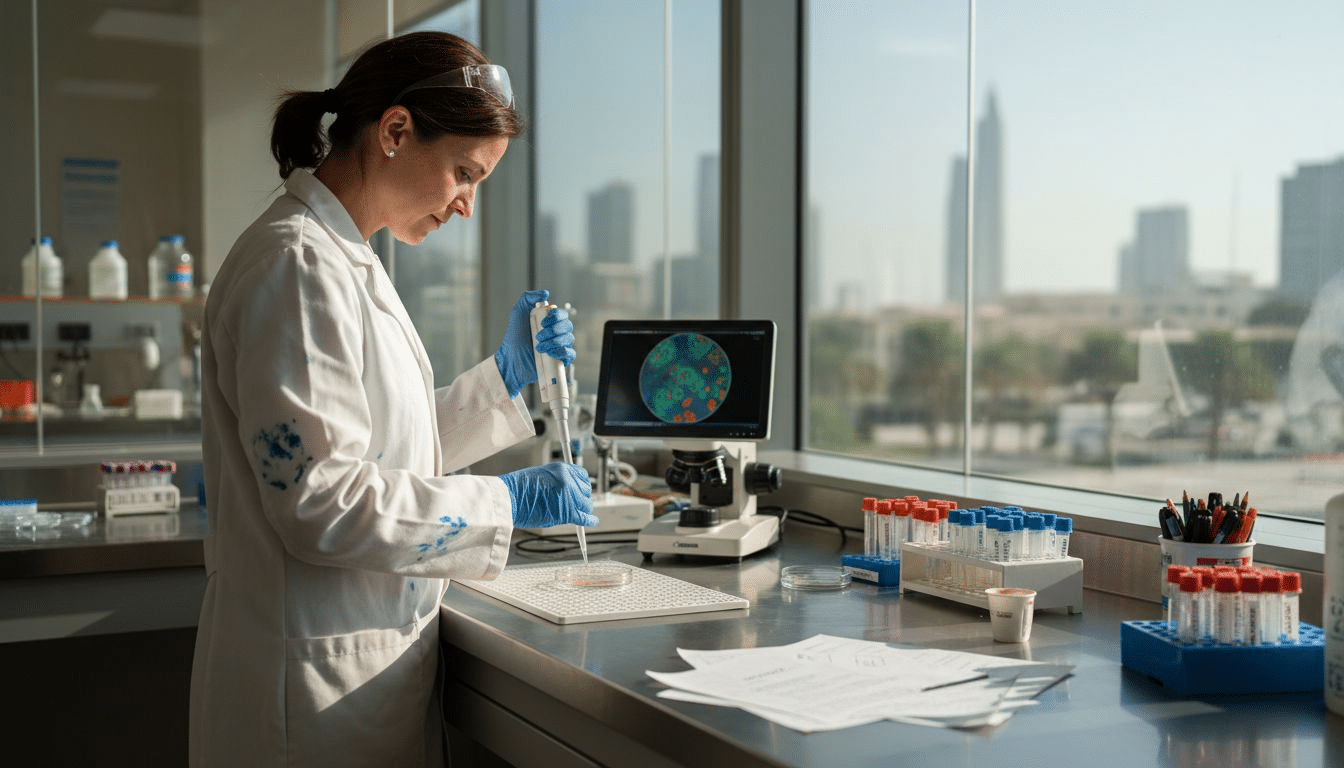
Laboratory technicians begin by collecting microorganisms using microbial air samplers, which capture airborne particles with precision. These samples then undergo culturing on selective media—specially formulated growth mediums that favor certain bacterial and fungal species while inhibiting others.
Selective media serve a critical purpose in the testing process. Different media types target different microbes: some promote bacterial growth, others fungi, and still others target specific pathogens. This selective approach reveals the complete microbial profile without one dominant species obscuring smaller populations.
Selective media act as filters that reveal hidden threats by allowing different microbes to reveal themselves under controlled conditions.
During incubation, laboratory conditions remain precisely controlled. Temperature, humidity, and oxygen levels replicate environments where specific microbes thrive. In Dubai’s warm climate, laboratories maintain controlled conditions that often differ from your home’s environment, ensuring standardized growth patterns for accurate identification.
Microbial identification uses culture-based methods or molecular techniques to determine which bacterial and fungal species are present. Culture-based identification involves observing growth patterns, color, and morphology. Molecular techniques provide faster, more accurate species confirmation by analyzing genetic material directly.
Analysis also correlates microbial findings with physical parameters—temperature, humidity, and particulate matter concentrations. This correlation reveals why contamination occurs. Perhaps high humidity near AC drain trays creates ideal conditions for mold, or inadequate filtration allows bacterial accumulation in ducts.
Surface sample analysis follows the same fundamental process but examines microbes colonized on equipment surfaces. Technicians swab or wipe AC coils, drain trays, and ducts, then culture these samples to identify biofilm communities thriving within your system.
When SaniAC by Saniservice analyzes your samples through our in-house laboratory, we deliver both identification and context. You receive not just a list of microbes present, but understanding of why they’re thriving and what interventions will eliminate them.
Pro tip: Request laboratory reports that include both microbial species identification AND correlation with your home’s temperature and humidity levels, so you understand exactly which environmental factors are driving contamination.
Ensuring compliance and regulatory standards
Microbiology laboratories play a vital role in helping Dubai’s residential sector maintain compliance with health and safety regulations governing indoor air quality. Regulatory standards exist to protect occupants from microbial contamination that can trigger respiratory illness, allergies, and infections.
Compliance requirements include:
- Microbial concentration limits that define safe threshold levels for bacteria and fungi
- Standardized testing protocols ensuring consistent, comparable results across different facilities
- Documentation and reporting that demonstrates adherence to health regulations
- Routine monitoring schedules verifying ongoing compliance over time
- Air filtration and disinfection standards specifying equipment performance requirements
In the United Arab Emirates, indoor air quality standards align with international best practices while addressing local climate conditions. Compliance with indoor air quality standards involves adhering to regulatory limits for microbial concentrations and chemical pollutants established to protect public health. Laboratory assessments verify that your home meets these standards, guiding improvement programs based on evidence rather than assumptions.
Different environments face different regulatory requirements. Healthcare facilities, educational institutions, and luxury residential spaces in Dubai each have specific microbial concentration thresholds they must maintain. Your microbiology laboratory’s role involves testing whether your indoor environment meets the standards applicable to residential settings.
Regulatory standards aren’t bureaucratic hurdles—they represent decades of research about microbial concentrations that pose genuine health risks.
Regulatory compliance is maintained by following harmonized guidelines and integrated air quality management strategies. This means laboratories perform standardized testing and reporting that meet occupational safety standards. Emphasis falls on effective air filtration, disinfection methods, and routine monitoring to ensure safe microbial pollutant levels throughout your home.
SaniService’s triple ISO certification (9001, 14001, 45001) ensures our testing and disinfection services meet international regulatory standards. Our NADCA-certified technicians follow protocols that exceed basic compliance requirements, delivering results verified by our in-house microbiology laboratory against established safety benchmarks.
Below is a summary of key international certifications and their impact for microbiology laboratories in Dubai:
| Certification | Scope | Benefit for Residents |
|---|---|---|
| ISO 9001 | Quality management | Ensures reliable testing |
| ISO 14001 | Environmental management | Promotes sustainable practices |
| ISO 45001 | Occupational safety | Reduces health and safety risks |
| NADCA | Duct cleaning standards | Guarantees contaminant removal |
Compliance documentation becomes especially important if you’re managing property for rental or sale in Dubai. Baseline microbiology testing establishes that your home meets health standards, protecting both current and future occupants while demonstrating responsible property management.
Routine monitoring maintains compliance over time. Single testing provides a snapshot; ongoing assessments reveal whether contamination returns, whether your AC system remains clean, and whether seasonal humidity changes affect microbial populations in your home.
Pro tip: Request laboratory reports that explicitly state whether your home’s microbial concentrations comply with UAE and international indoor air quality standards, so you have documented proof of regulatory compliance for your property.
Impact on cleaning, disinfection, and health outcomes
Microbiology laboratory findings transform how cleaning and disinfection strategies are designed and executed. Rather than applying generic approaches, your home receives targeted interventions based on the exact microbial threats present.
Laboratory data directly influences cleaning protocols in several ways:
- Identifies specific pathogens requiring targeted disinfection rather than broad-spectrum approaches
- Reveals antibiotic resistance profiles showing which microbes resist common disinfectants
- Pinpoints contamination hotspots where cleaning efforts should concentrate
- Measures treatment effectiveness by comparing pre and post-intervention microbial levels
- Guides equipment selection for air filtration and disinfection based on actual contaminants
Microbiology laboratory findings influence cleaning and disinfection protocols by identifying prevalent airborne pathogens and their resistance profiles. This precision matters in Dubai’s climate where humidity accelerates microbial growth in AC systems. When SaniAC by Saniservice receives laboratory data showing antibiotic-resistant bacteria colonizing your drain trays, we deploy hospital-grade biosanitizers proven effective against those specific strains.
Effective mitigation of contamination through enhanced cleaning practices reduces infection transmission risks significantly. Your family’s exposure to respiratory pathogens, fungal spores, and bacterial toxins decreases when cleaning targets actual threats rather than assumptions.
Data-driven cleaning eliminates guesswork, ensuring your home receives precisely the disinfection interventions needed.
Laboratory analysis of microbial contamination informs targeted disinfection strategies that mitigate biological pollutants indoors. Improved indoor air quality through these evidence-based interventions is directly linked to reduced respiratory issues, allergies, and infection rates. Children, elderly residents, and immunocompromised family members experience measurable health improvements when their indoor environment’s microbial load decreases.
The science behind air cleaning demonstrates that removing biological pollutants before they enter lungs prevents disease. Post-intervention testing proves that contamination actually decreased—not through hope, but through documented microbial counts.
In luxury residential settings across Dubai, baseline microbiology testing followed by targeted disinfection creates measurable health outcomes. Residents report fewer respiratory symptoms, reduced allergy flare-ups, and improved sleep quality when AC systems no longer circulate contaminated air.
Long-term benefits extend beyond immediate health improvements. Homes with properly cleaned, disinfected systems maintain better air quality over time. Regular monitoring reveals whether contamination returns, allowing preventive interventions before health problems develop.
SaniService’s approach combines laboratory analysis with evidence-based disinfection. Our NADCA-certified technicians follow protocols informed by our in-house microbiology laboratory, ensuring your home receives disinfection targeting actual threats while avoiding unnecessary chemical exposure.
Pro tip: Request post-disinfection microbiology testing to confirm that contamination levels actually decreased, transforming your investment in cleaning into measurable health evidence rather than assumptions.
Elevate Your Indoor Air Quality with Science-Backed Expertise
Understanding the role of a microbiology laboratory in detecting hidden microbial threats brings clarity to a common homeowner challenge: invisible air contamination that impacts health and comfort. If you are concerned about airborne bacteria, fungi, and biofilms lurking inside your AC system and indoor spaces, you need precise testing combined with targeted cleaning intervention. Key pain points like undetected microbial growth, ineffective disinfection, and unclear indoor air quality standards demand a scientific, evidence-based solution.
At Saniservice, we bridge this gap by integrating our in-house microbiology laboratory’s detailed analysis with meticulous HVAC cleaning and disinfection. Our NADCA-certified technicians leverage insights from air, surface, and dust sampling to eradicate mold, bacteria, and allergens with hospital-grade biosanitisers—without harmful chemicals. Backed by triple ISO certification and a multidisciplinary Indoor Sciences team, every home and villa we serve in Dubai gets a healthier environment, improved energy efficiency, and safer air for your family.
Take control now with professional AC cleaning and disinfection by Saniservice.
Don’t wait for symptoms or guesswork to compromise your indoor health. Partner with a service that transforms microbiology laboratory findings into precise, lasting solutions. Visit Saniservice today and experience how science meets comfort for cleaner air you can trust.
Frequently Asked Questions
What is the purpose of a microbiology laboratory in indoor air quality assessment?
A microbiology laboratory’s purpose is to identify and measure microbial threats in indoor environments, such as bacteria and fungi, to protect occupant health and ensure a safe living space.
What types of testing methods are used by microbiology laboratories for indoor environments?
Microbiology laboratories use several testing methods, including air sampling, surface sampling, and dust sampling, to assess airborne microbes, detect surface microbial colonies, and analyze settled contaminants, respectively.
How do microbiology laboratories ensure compliance with health and safety regulations?
Microbiology laboratories ensure compliance by following standardized testing protocols and maintaining documentation that demonstrates adherence to microbial concentration limits and health regulations designed to protect occupants from contamination.
Why is it important to request baseline microbiology testing before cleaning or disinfection?
Requesting baseline microbiology testing provides measurable data, allowing homeowners to evaluate the effectiveness of cleaning and disinfection interventions by comparing pre and post-treatment microbial levels.
Recommended
- Methods for Medical Environments: 11 Expert-Approved Practices You Can Trust
- Improve Indoor Air Quality: 7 Powerful Benefits of Professional AC Cleaning
- 5 Essential Certified Indoor Air Quality Testing Dubai Insights
- Indoor Air Quality Improvement Through Safe Chemical
- Low Emissions of VOCs Shades – Improve Indoor Air Quality & Style
- Role of Sanitation in Pest Control Success
- Understanding Why Test Hot Tub Water for Health and Safety – ClearSpa™