Microbial Contamination – How It Impacts Indoor Air Quality
Few things unsettle a Dubai property manager or villa owner more than discovering hidden threats to indoor air quality. Microbial contamination in HVAC systems means more than just musty smells—it introduces bacteria, fungi, and viruses that disrupt comfort and can jeopardize your health. With HVAC systems identified as major sources of microbial contaminants in indoor environments, understanding and addressing these hidden hazards is crucial for anyone seeking true indoor wellness and peace of mind.
Table of Contents
Contents
- 1 Table of Contents
- 2 Key Takeaways
- 3 What Is Microbial Contamination in Buildings
- 4 Major Types and Common Sources in HVAC Systems
- 5 Health Risks Linked to Microbial Growth Indoors
- 6 Prevention Strategies and Effective Remediation
- 7 Common Misconceptions About Microbial Contamination
- 7.1 Misconception 1: All Microbes Indoors Are Dangerous
- 7.2 Misconception 2: You Should Test for Mold Routinely
- 7.3 Misconception 3: Cleaning Once Eliminates Contamination Permanently
- 7.4 Misconception 4: Complete Microbial Elimination Is the Goal
- 7.5 Misconception 5: If You Can’t See Mold, Contamination Doesn’t Exist
- 7.6 Misconception 6: AC Filters Solve Contamination Problems
- 8 Take Control of Microbial Contamination for Healthier Indoor Air Quality
- 9 Frequently Asked Questions
- 10 Recommended
- What Is Microbial Contamination in Buildings
- Major Types and Common Sources in HVAC Systems
- Health Risks Linked to Microbial Growth Indoors
- Prevention Strategies and Effective Remediation
- Common Misconceptions About Microbial Contamination
Key Takeaways
| Point | Details |
|---|---|
| Microbial Contamination | Harmful microorganisms thrive in buildings, impacting air quality and health. Proper understanding and management are essential. |
| Moisture Control is Crucial | Managing humidity and moisture sources is key to preventing microbial growth in indoor environments. |
| Regular Maintenance is Necessary | Consistent inspections and cleaning of HVAC systems are vital to minimize microbial risks and maintain air quality. |
| Professional Remediation is Required | Once contamination occurs, professional assessment and remediation are necessary to effectively address hidden microbial threats. |
What Is Microbial Contamination in Buildings
Microbial contamination in buildings refers to the unwanted presence of harmful microorganisms—bacteria, mold, fungi, and viruses—that colonize indoor spaces and compromise air quality. These microbes don’t exist in isolation; they form complex communities shaped by architecture, ventilation systems, humidity levels, and human activity.
Unlike outdoor environments, indoor spaces create unique conditions where microbes thrive. Your building’s HVAC system, walls, carpets, and furniture become breeding grounds for microbial growth. Understanding what lives in your air and surfaces is the first step toward protecting your family or tenants.
How Microbes Enter and Colonize Indoor Spaces
Microorganisms enter buildings through multiple pathways:
- Outdoor air drawn through ventilation systems
- Human occupants shedding skin cells, respiratory droplets, and pathogens
- Contaminated water sources, particularly in HVAC drainage systems
- Dust and organic matter that accumulate in ductwork and filters
- Moisture intrusion from leaks or high humidity
Once inside, microbes find ideal conditions. Microbial communities in buildings develop based on temperature, moisture, air circulation, and available organic material. Stagnant water in AC condensation trays becomes a mold factory. Dust-coated coils provide nutrients for bacterial growth.
Your building’s microbiome is constantly evolving based on design, maintenance, and occupancy patterns—and most Dubai properties never address these hidden ecosystems.
The Role of Moisture and Ventilation
Moisture is the primary driver of microbial growth in buildings. Without proper moisture control, your HVAC system becomes a contamination vector rather than a protection mechanism.
Key moisture sources include:
- AC condensation that drains improperly or accumulates
- High humidity levels typical in Dubai’s climate
- Leaking pipes or roof seepage
- Poor ventilation trapping humid air
Ventilation systems designed to deliver fresh air instead circulate contaminated air if not properly maintained. Air duct contamination occurs when ducts become repositories for dust, mold spores, and bacterial colonies. Inadequate airflow creates dead zones where microbes multiply unchecked.
Why Buildings in Dubai Are Particularly Vulnerable
Dubai’s climate intensifies microbial contamination risks. Year-round heat combined with air conditioning creates temperature differentials that promote condensation and moisture retention. Luxury villas with sealed windows and aggressive cooling become artificial environments where microbial ecosystems flourish without natural air exchange.
Construction materials, insulation, and finishes also harbor microbes. The rapid development typical in Dubai often means buildings aren’t optimally designed for this climate’s specific challenges.
The Difference Between Contamination and Normal Microbes
Not all microbes indoors are problematic. Baseline microbial presence is natural. The distinction lies in concentration, type, and impact on health.
Microbial contamination occurs when:
- Pathogenic organisms exceed safe levels
- Mold colonizes surfaces visibly or hidden from sight
- Bacterial counts in air or surfaces represent health risks
- Allergenic spores trigger respiratory symptoms
Through HVAC component disinfection and proper diagnostics, you can determine whether your property has contamination requiring intervention.
Here’s a quick reference comparing typical building microbes with common contamination types:
| Aspect | Normal Indoor Microbes | Contaminating Microbes |
|---|---|---|
| Health Impact | Usually harmless | Triggers illness/allergies |
| Visibility | Not visible | Often visible/hidden colonies |
| Concentration Level | Low, stable | High, exceeds safe limits |
| Mitigation Needed | Regular cleaning | Professional remediation |
Pro tip: Request microbiology testing of your AC condensation tray and ductwork—this reveals whether you have contamination requiring professional remediation or simply preventive maintenance.
Major Types and Common Sources in HVAC Systems
Your HVAC system is not just an air circulation machine—it’s an ecosystem where multiple types of microorganisms thrive and multiply. Understanding what grows in these systems is critical for protecting indoor air quality in Dubai’s luxury villas and commercial properties.
HVAC systems serve as reservoirs for bacteria, fungi, and viruses, creating ideal environments where microbes persist and spread through conditioned air. The warm, humid conditions inside your AC system provide everything microorganisms need to flourish.
The Major Microbial Types Found in HVAC Systems
Four primary categories of harmful microbes colonize air conditioning equipment:
- Bacteria: Legionella, Pseudomonas, and Staphylococcus species thrive in water-based environments within your system
- Molds and Fungi: Aspergillus, Penicillium, and Cladosporium grow on coils, filters, and ductwork surfaces
- Viruses: Influenza, coronavirus strains, and respiratory viruses attach to dust particles and water droplets
- Mycotoxins: Toxic compounds released by mold colonies that trigger serious health reactions
Each type poses distinct health risks. Bacterial infections can cause pneumonia-like symptoms, while mold allergens trigger asthma attacks and respiratory inflammation.
The diversity of microbial species in HVAC systems directly reflects how frequently your system is cleaned and maintained—neglect breeds contamination.
Common Contamination Sources Within HVAC Components
Specific parts of your air conditioning system are microbial hotspots:
Condensation Trays and Drainage Lines
Stagnant water accumulates here constantly. This standing water becomes a breeding ground for Legionella and black mold within days of improper drainage or clogging.
Cooling Coils
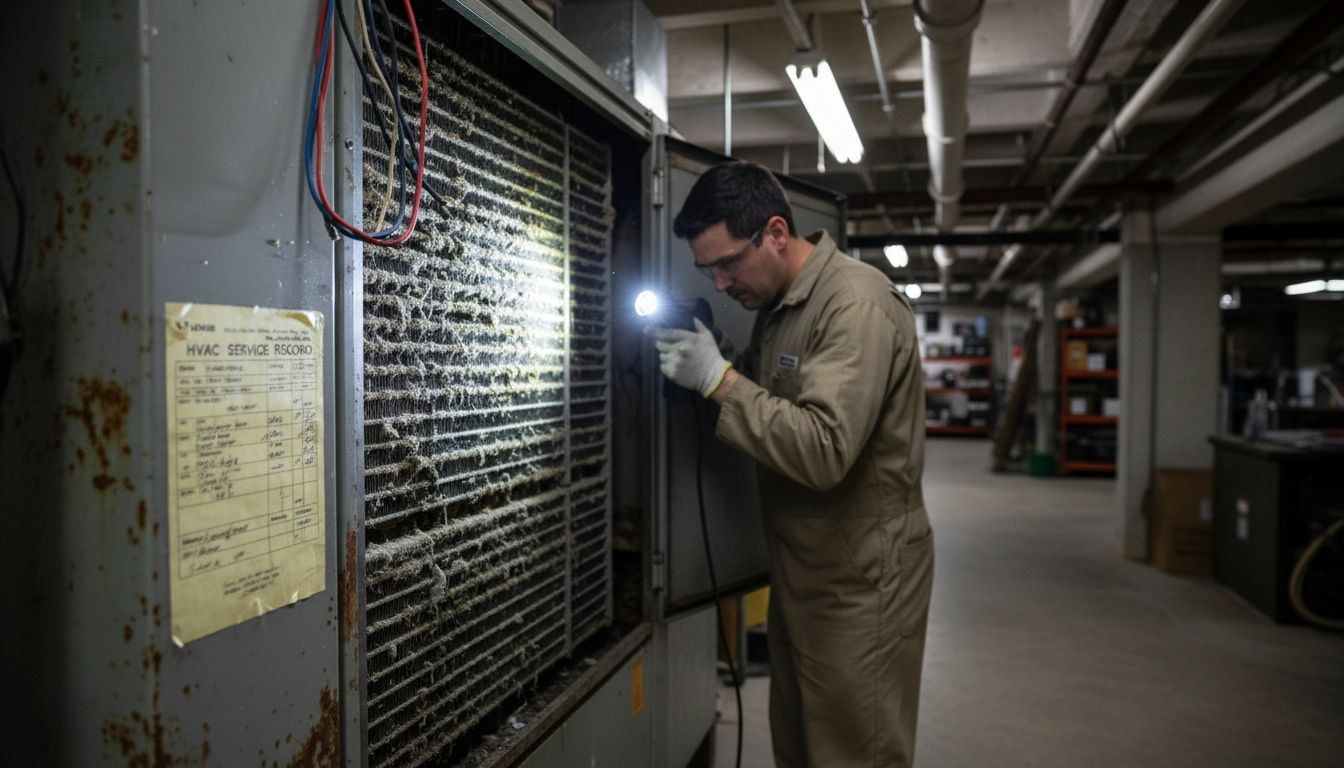
Dust, pollen, and organic debris coat coil surfaces. When moisture condenses on these fouled coils, bacterial colonies form rapidly. Major sources of airborne microorganisms include these coil biofilms, which release contaminated particles directly into circulating air.
Air Filters
Filters trap particles but become saturated with microbes over time. A dirty filter doesn’t stop microorganisms—it becomes a microbial amplification device spreading contaminated air throughout your property.
Ductwork
Hidden inside walls, ducts accumulate dust and moisture. The darkness, temperature stability, and trapped humidity create perfect conditions for mold colonies and bacterial growth.
Blower Fans and Motors
Vibration from running fans disperses microbial particles into air streams. Dust-covered fan blades circulate contaminated air repeatedly through your home or villa.
Below is a summary of major HVAC components and their vulnerability to microbial growth:
| HVAC Component | Typical Microbial Threats | Risk Level |
|---|---|---|
| Condensation Tray | Legionella, black mold | Very High |
| Cooling Coils | Biofilm bacteria, molds | High |
| Air Filters | Trapped spores, bacteria | Moderate |
| Ductwork | Mold, bacteria colonies | High |
| Blower Fans/Motors | Airborne pathogenic spread | Moderate |
Why Dubai’s Climate Accelerates Contamination
The Emirates’ extreme heat and humidity combine to speed microbial growth dramatically. Your AC runs continuously, creating condensation 24/7. Moisture never fully evaporates, making your HVAC system a perpetual incubator for harmful microorganisms.
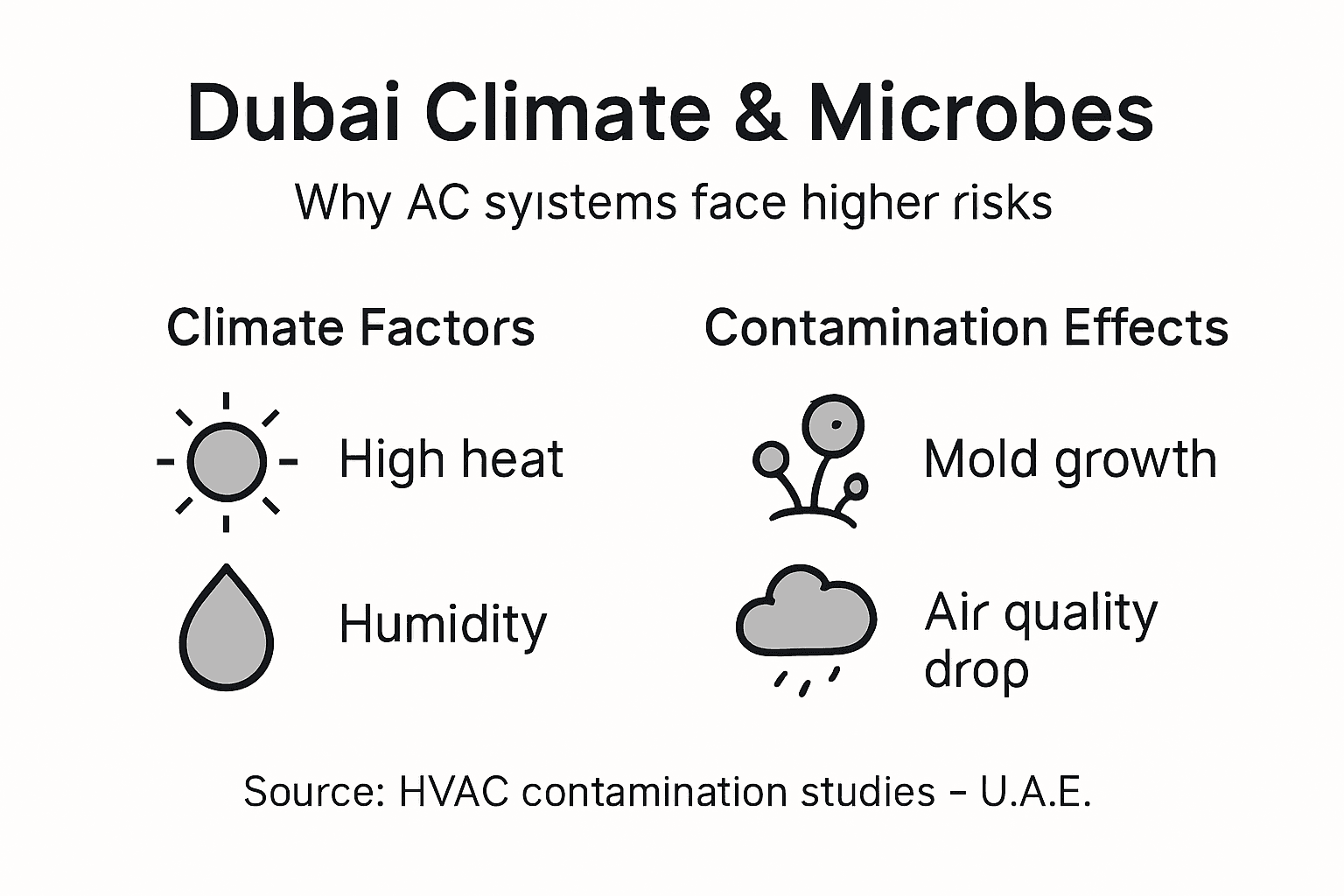
Sealed villa designs trap contaminated air with no natural ventilation to refresh the environment. The result: microbial concentrations intensify over weeks and months of operation.
Pro tip: Schedule quarterly AC inspections to catch condensation tray buildup and filter saturation before they become major contamination sources—early intervention prevents costly health and infrastructure problems.
Health Risks Linked to Microbial Growth Indoors
Microbial contamination in your home or villa isn’t just an air quality issue—it’s a direct health threat to everyone inside. Prolonged exposure to contaminated indoor air triggers serious medical conditions that compound over time, affecting families, staff, and tenants in ways many property owners don’t recognize until symptoms become severe.
When you breathe contaminated air daily, your immune system constantly battles invisible invaders. The long-term consequences range from chronic respiratory inflammation to life-threatening infections.
Respiratory Diseases and Chronic Symptoms
Microbial contamination directly attacks your respiratory system. Inhaling contaminated air irritates airways, triggers inflammation, and creates chronic conditions that persist even after exposure ends.
Common respiratory impacts include:
- Persistent coughing and throat irritation
- Shortness of breath during normal activity
- Chronic bronchitis and bronchial inflammation
- Increased susceptibility to respiratory infections
- Worsening of existing asthma conditions
Indoor microbial contamination causes respiratory symptoms through multiple mechanisms—spores trigger allergic responses, bacterial endotoxins inflame tissues, and fungal metabolites damage lung function. People working from home or spending extended hours indoors face compounding exposure.
Asthma Activation and Allergic Reactions
Mold spores and bacterial antigens act as powerful asthma triggers. Your HVAC system circulates billions of these particles throughout your property continuously.
Vulnerable populations experience severe reactions:
- Children with developing lungs show heightened sensitivity
- Adults with existing asthma suffer more frequent, severe attacks
- Elderly residents develop new asthma conditions
- Staff and household members develop unexpected allergies
Exposure to mold and bacterial contamination can activate asthma in people who never had the condition before—the risk intensifies with duration and concentration of microbial exposure.
Immune System Suppression and Infections
Continuous exposure to microbial toxins exhausts immune defenses. Your body’s ability to fight infections weakens when constantly challenged by contaminated air. People become more susceptible to secondary bacterial infections, viral illnesses, and opportunistic pathogens.
Immune system impacts include:
- Increased frequency of colds and flu
- Longer recovery times from infections
- Elevated inflammatory markers
- Compromised vaccine effectiveness
- Development of chronic inflammation
Serious Conditions in High-Risk Groups
Certain populations face critical health threats. Immunocompromised residents, elderly family members, young children, and individuals with respiratory conditions experience life-threatening complications from exposure.
Legionella bacteria found in contaminated AC systems can cause Legionnaires’ disease—a severe pneumonia requiring hospitalization. Aspergillus mold infections progress to invasive pulmonary aspergillosis in vulnerable populations. These aren’t theoretical risks; they represent documented health outcomes.
Mycotoxin Exposure and Neurological Effects
Mold colonies produce mycotoxins—toxic compounds that accumulate in your body over time. Exposure causes fatigue, headaches, concentration problems, and memory issues that feel like normal stress but stem directly from contaminated air.
Neuro-inflammatory symptoms from microbial by-products include brain fog, mood changes, and sleep disruption that diminish quality of life and workplace productivity.
Pro tip: If family members or staff develop unexplained respiratory symptoms, persistent allergies, or chronic fatigue, request AC microbiology testing—these symptoms often resolve completely once contamination is professionally eliminated.
Prevention Strategies and Effective Remediation
Preventing microbial contamination requires a multi-layered approach addressing the root causes—moisture, poor ventilation, and inadequate maintenance. Once contamination develops, professional remediation becomes necessary to restore safe indoor air quality and protect occupant health.
The most effective strategy combines proactive prevention with swift intervention when problems appear. Dubai’s climate demands year-round vigilance and specialized protocols tailored to local conditions.
Moisture Control: The Foundation of Prevention
Moisture is the primary driver of microbial growth. Controlling humidity levels inside your property eliminates the conditions where mold, bacteria, and fungi thrive.
Key moisture management actions include:
- Maintain indoor humidity between 30-50% using dehumidifiers
- Ensure AC condensation trays drain properly without blockages
- Inspect drainage lines monthly for algae, sediment, or ice buildup
- Fix water leaks immediately before moisture spreads
- Seal window frames and wall penetrations to prevent outdoor humidity intrusion
Stagnant condensation water becomes a bacterial culture within 48 hours. Moisture assessment and control are critical components of any contamination prevention program. Without addressing moisture, cleaning alone fails to prevent recontamination.
Ventilation and Air Quality Optimization
Proper ventilation removes contaminated air and introduces fresh outside air. Systems must be balanced to maintain negative pressure in contaminated areas while delivering clean air to occupied spaces.
Ventilation improvements include:
- Upgrade filters to MERV 13 or higher rated efficiency
- Increase outdoor air exchange rates beyond minimum building codes
- Install UV-C light systems in ducts to neutralize microbial growth
- Clean and inspect ductwork annually for dust and debris accumulation
- Ensure supply and return air pathways aren’t blocked
Contaminated HVAC systems circulate harmful particles continuously—proper ventilation design and maintenance prevent this cycle from starting in the first place.
Regular Maintenance and Cleaning Protocols
Prevention requires consistent attention. Quarterly AC inspections catch problems before they become serious contamination issues.
Maintenance schedule priorities include:
- Monthly filter replacement or cleaning
- Quarterly professional AC coil cleaning
- Semi-annual ductwork inspection for dust and mold
- Annual full HVAC system disinfection
- Immediate replacement of any visibly moldy components
Professional Remediation When Contamination Occurs
Once contamination develops, DIY solutions fail. Professional remediation requires containment, specialized cleaning equipment, and validated disinfection methods.
Remediation involves containment, cleaning methods, and removal of contaminated materials using hospital-grade disinfectants and HEPA filtration. NADCA-certified technicians dismantle AC components, deep-clean surfaces, and apply chemical-free biosanitizers proven to eliminate pathogens.
The remediation process includes:
- Microbiology testing to identify contaminating organisms
- Complete AC system dismantling and component isolation
- Professional deep cleaning of coils, blowers, and ducts
- Hospital-grade disinfection without toxic chemical residue
- Post-remediation testing to verify contamination elimination
Building Design and Material Selection
Comprehensive prevention strategies include building design using antimicrobial materials and sealed construction that prevents moisture intrusion. Luxury villa renovations should specify mold-resistant insulation, moisture-barrier flooring, and UV-resistant finishes.
Material choices matter. Porous materials like old fiberglass filters and unsealed drywall trap moisture and encourage contamination. Non-porous alternatives prevent microbial colonization more effectively.
Pro tip: Schedule annual professional AC disinfection before Dubai’s summer season peaks—this prevents contamination from developing during maximum usage when your system runs continuously and condensation increases dramatically.
Common Misconceptions About Microbial Contamination
Property owners in Dubai often operate on false assumptions about indoor microbial contamination. These misconceptions lead to either excessive panic or dangerous neglect—both outcomes harm indoor air quality and occupant health. Understanding what’s actually true separates smart property management from wasted effort.
Misguided beliefs about microbial presence, testing, and remediation frequently drive poor decisions that waste money or fail to address real problems.
Misconception 1: All Microbes Indoors Are Dangerous
This false belief causes unnecessary anxiety and unnecessary testing. The reality is far more nuanced.
Not all detected microbes imply health risk, and microbial presence is ubiquitous in indoor air everywhere. Your property naturally contains bacteria, fungi, and viruses as part of normal indoor ecology. The distinction lies between baseline microbial presence and contamination levels that pose actual health threats.
Healthy buildings maintain microbial communities without causing respiratory disease or infection. The goal isn’t sterilization—it’s maintaining microbial levels that don’t trigger symptoms in occupants.
Misconception 2: You Should Test for Mold Routinely
Many property managers waste thousands on routine microbial testing with no clear purpose. Sampling methods have significant limitations that often produce confusing or misleading results.
Routine testing is usually unnecessary. The EPA recommends testing only when:
- Visible mold growth appears on surfaces
- Occupants experience unexplained respiratory symptoms
- Water damage has occurred requiring remediation verification
- Professional assessment identifies likely contamination
Without a specific reason to test, results provide little actionable information. Testing costs money, takes time, and often generates more questions than answers.
Testing without a clear problem to solve rarely improves indoor air quality—focus instead on addressing visible contamination and moisture sources you can actually see and fix.
Misconception 3: Cleaning Once Eliminates Contamination Permanently
Many property owners expect that professional AC cleaning provides permanent protection. Unfortunately, microbial communities can persist despite cleaning efforts, and recontamination occurs naturally over time.
One-time cleaning doesn’t prevent future microbial growth. Contamination returns when conditions become favorable again—humidity rises, dust accumulates, and moisture reappears. Ongoing maintenance prevents recontamination more effectively than hoping a single service solves everything.
Misconception 4: Complete Microbial Elimination Is the Goal
Sterilizing your home or villa is impossible, unnecessary, and unhealthy. Attempting complete elimination wastes resources and creates unrealistic expectations.
A healthy indoor environment maintains:
- Low pathogenic organism concentrations
- Natural microbial diversity without dominant disease-causing species
- Humidity levels that don’t encourage mold or bacterial growth
- Regular air exchange preventing stagnant contamination accumulation
Misconception 5: If You Can’t See Mold, Contamination Doesn’t Exist
Visible mold represents advanced contamination. Problems develop for weeks or months before becoming visible in air ducts, behind walls, or in condensation trays.
Occupant symptoms—persistent coughing, worsening asthma, unexplained allergies—indicate contamination exists even without visible evidence. Professional assessment discovers hidden biofilm growth in coils, black mold in drainage systems, and bacterial colonies in ductwork.
Misconception 6: AC Filters Solve Contamination Problems
Upgrading filters helps but doesn’t eliminate contamination at the source. Filters catch particles after mold and bacteria have already grown inside your HVAC system and colonized coils.
AC disinfection provides benefits beyond what filters achieve alone. Professional disinfection eliminates biofilm on coils, sterilizes drainage systems, and removes microbial reservoirs where contamination originates.
Pro tip: Stop over-testing and start monitoring occupant health instead—if family members or staff develop new respiratory symptoms or chronic coughing, contamination exists regardless of what lab results claim, and professional assessment becomes necessary.
Take Control of Microbial Contamination for Healthier Indoor Air Quality
Microbial contamination in buildings creates hidden health risks that impact everyone inside. If your HVAC system suffers from mold growth, stagnant moisture, or bacterial colonies, these issues can trigger asthma attacks, chronic respiratory symptoms, and immune system challenges. Understanding how microbes thrive in places like condensation trays and ductwork highlights the urgent need for expert intervention to protect your family or tenants.
Saniservice offers scientifically proven solutions that target contamination at its source. Our NADCA-certified technicians dismantle, deep-clean, and disinfect every AC component with hospital-grade, chemical-free biosanitisers. Backed by our in-house microbiology laboratory and multidisciplinary Indoor Sciences team, we ensure that your indoor air is safer and healthier, preventing costly health problems and costly system damage.
Discover professional air conditioning cleaning and disinfection designed to eliminate mold, bacteria, and allergens from your property.
Do not wait for symptoms or visible mold to appear. Schedule your preventive AC system inspection and professional decontamination now. Protect your indoor environment today and breathe easier tomorrow with Saniservice.
Frequently Asked Questions
What is microbial contamination in buildings?
Microbial contamination in buildings refers to the unwanted presence of harmful microorganisms—such as bacteria, mold, fungi, and viruses—that compromise indoor air quality.
How do microbes enter indoor spaces?
Microbes can enter buildings through outdoor air, human occupants, contaminated water sources, dust and organic matter, and moisture intrusion from leaks or high humidity.
What are the health risks associated with microbial contamination indoors?
Health risks include respiratory diseases, chronic symptoms, asthma activation, immune system suppression, and serious conditions for vulnerable populations, such as infections caused by Legionella bacteria.
What can be done to prevent microbial contamination in HVAC systems?
Preventing microbial contamination includes controlling moisture, improving ventilation, conducting regular maintenance, and using professional remediation services when necessary.
Recommended
- Role of Microbiology Laboratory in Indoor Air Quality
- Complete Guide to Air Conditioning Contamination – Saniservice AC Cleaning
- Improve Indoor Air Quality: 7 Powerful Benefits of Professional AC Cleaning
- Airborne Allergens – How They Impact Indoor Air
- Why Clean Exterior Windows Matters for Homeowners – white-diamond-pressure
- Understanding Improving Kitchen Ventilation for Families
- Air to Air Heat Exchanger: Boosting Home Efficiency – Skan Plumbing & Heating