


HVAC Component Disinfection: Ensuring Safe Air Quality
Over 90 percent of indoor air pollution issues in luxury Dubai properties can be traced back to overlooked HVAC components, a concern that challenges even the most experienced American facilities specialists. High-end residences demand pristine environments where clean air and strict health compliance shape prestige and well-being. This guide provides Dubai facility managers clear, expert insights on advanced HVAC component disinfection, revealing practical strategies to protect your reputation and meet the highest international safety standards.
Table of Contents
Contents
- 1 Table of Contents
- 2 Key Takeaways
- 3 What Is HVAC Component Disinfection?
- 4 How Biosanitisers Eliminate HVAC Contaminants
- 5 Types of HVAC Components Requiring Disinfection
- 6 Health Standards and Dubai Regulations for HVAC
- 7 Risks and Common Errors in HVAC Disinfection
- 8 Elevate Your Indoor Air Quality with Expert HVAC Component Disinfection
- 9 Frequently Asked Questions
- 10 Recommended
- What Is HVAC Component Disinfection?
- How Biosanitisers Eliminate HVAC Contaminants
- Types of HVAC Components Requiring Disinfection
- Health Standards and Dubai Regulations for HVAC
- Risks and Common Errors in HVAC Disinfection
Key Takeaways
| Point | Details |
|---|---|
| HVAC Component Disinfection | This process eliminates harmful microorganisms from HVAC systems, crucial for maintaining indoor air quality in Dubai. |
| Biosanitiser Effectiveness | Advanced biosanitisation combines technologies like UV-C and hydrogen peroxide sprays for comprehensive microbial elimination. |
| Critical Components for Disinfection | Key HVAC components such as air handling units and ductwork require targeted cleaning to prevent microbial growth. |
| Regulatory Compliance in Dubai | Strict health standards mandate regular HVAC inspections and documentation to ensure optimal indoor air quality. |
What Is HVAC Component Disinfection?
HVAC component disinfection is a specialized scientific process designed to eliminate harmful microorganisms, bacteria, viruses, and allergens from air conditioning systems in residential and commercial spaces across Dubai. This comprehensive sanitization approach focuses on systematically cleaning and purifying every critical component within an HVAC system, including air ducts, filters, coils, drainage trays, and air handling units.
The primary objective of HVAC component disinfection is to prevent the accumulation and proliferation of potentially dangerous microbes that can compromise indoor air quality. Advanced technologies like ultraviolet germicidal irradiation (UV-C) help inactivate airborne pathogens by targeting and neutralizing microorganisms trapped within HVAC system components. These scientific interventions go beyond traditional cleaning methods, employing sophisticated techniques that scientifically reduce microbial loads and minimize health risks associated with contaminated air circulation systems.
Professional HVAC disinfection involves a multi-step process that typically includes thorough inspection, mechanical cleaning, chemical treatment, and advanced sanitization techniques. Specialized technicians use hospital-grade biosanitisers and precision equipment to dismantle system components, remove accumulated biofilms, and apply targeted disinfection protocols. The goal is not just surface-level cleaning but a comprehensive microbial elimination strategy that ensures optimal air quality and system performance.
Pro tip: Schedule professional HVAC component disinfection at least twice annually to maintain peak system hygiene and prevent potential microbial growth in Dubai’s humid climate.
How Biosanitisers Eliminate HVAC Contaminants
Biosanitisers represent a sophisticated approach to eliminating harmful contaminants within HVAC systems, utilizing advanced chemical and physical technologies to create safer indoor environments. These specialized solutions combine multiple disinfection strategies, targeting microorganisms at the molecular level to prevent their reproduction and transmission through air circulation systems.
Cutting-edge research demonstrates how integrated biosanitisation protocols combine ultraviolet germicidal irradiation (UVGI) and chemical treatments to effectively neutralize microbial threats. These innovative techniques work by disrupting microbial DNA structures and chemically breaking down cellular components, ensuring comprehensive elimination of bacteria, viruses, and other potentially harmful pathogens residing within HVAC system components.
The biosanitisation process typically involves a multi-layered approach that includes mechanical cleaning, targeted chemical application, and advanced technological interventions. Specialized techniques like hydrogen peroxide-based sprays and UV light treatments penetrate deep into HVAC components, attacking biofilms and microbial colonies that traditional cleaning methods might miss. By addressing contaminants at their source, these advanced biosanitisers provide a more thorough and scientifically precise method of maintaining indoor air quality compared to conventional cleaning approaches.
Compare conventional HVAC cleaning methods with advanced biosanitisation solutions:
| Cleaning Approach | Technology Used | Effectiveness Against Microbes | Potential for Recontamination |
|---|---|---|---|
| Traditional Cleaning | Mechanical brushing/vacuuming | Removes visible dust only | High |
| Chemical Treatment | Standard disinfectants | Partial microbe reduction | Moderate |
| Biosanitisation | UV-C, hydrogen peroxide sprays | Comprehensive microbial elimination | Low |
Pro tip: Request documentation of the specific biosanitisation technologies and protocols used during your HVAC cleaning to ensure comprehensive microbial elimination.
Types of HVAC Components Requiring Disinfection
In Dubai’s unique climate, HVAC systems have multiple critical components that demand comprehensive disinfection to maintain optimal indoor air quality. These components serve different functions within the air circulation system, each presenting unique challenges for microbial contamination and requiring specialized cleaning approaches.
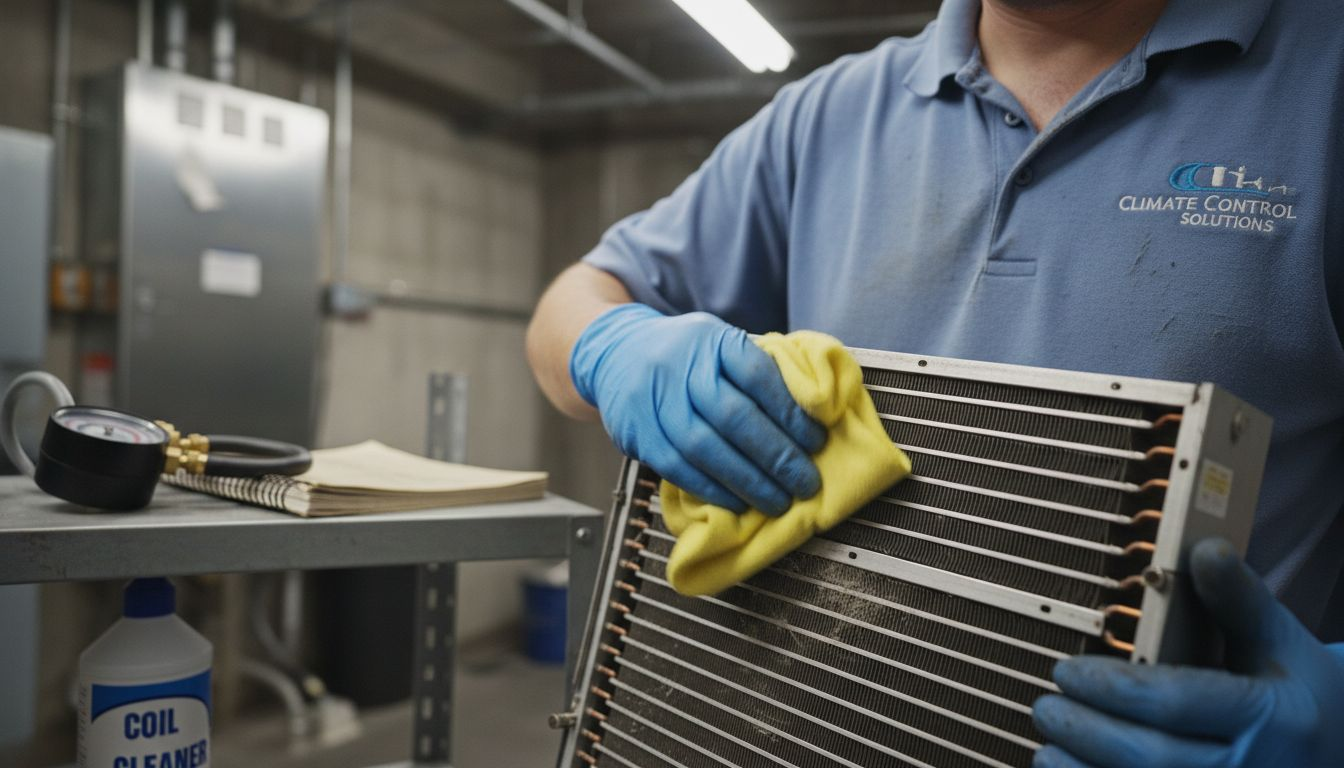
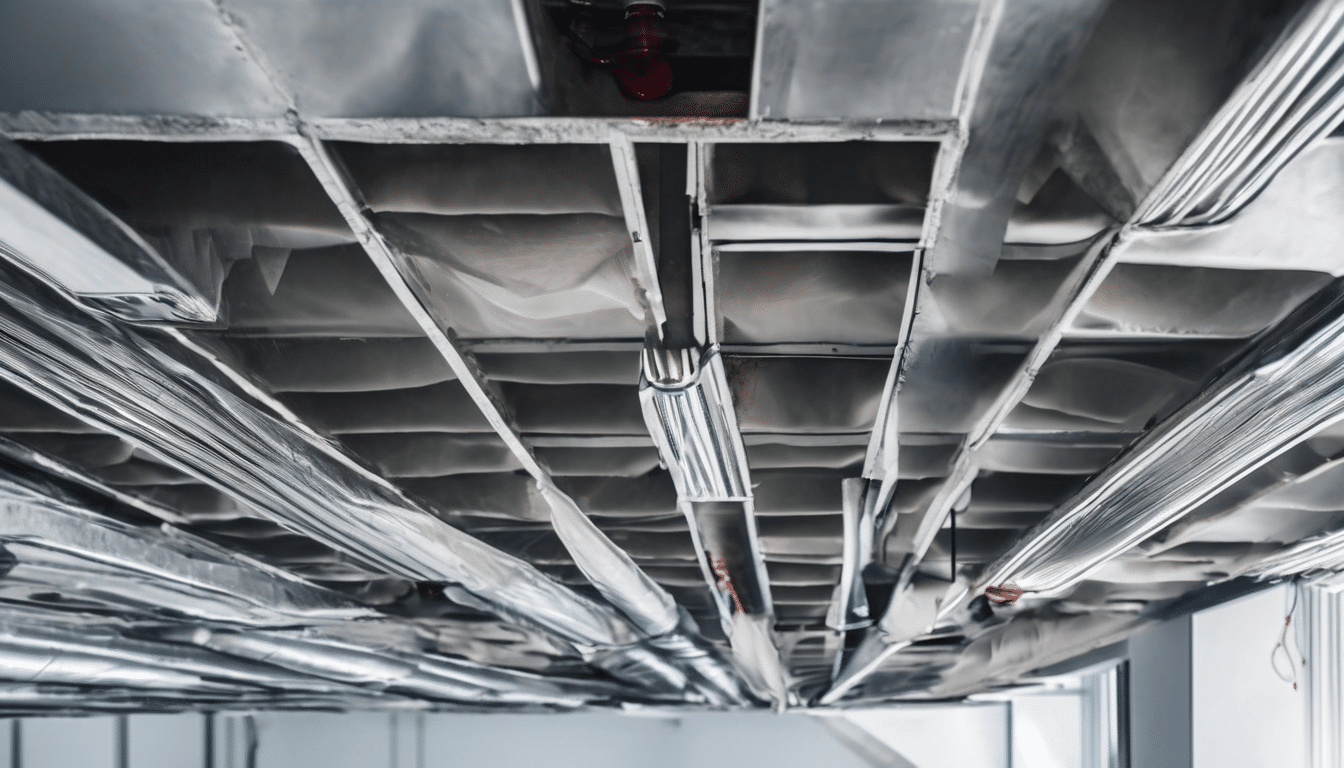
Scientific research has identified several key HVAC components that are particularly vulnerable to microbial growth and require targeted disinfection strategies. The most critical components include air handling units (AHUs), which are central to air processing and distribution, intricate ductwork that can harbor hidden contaminants, sophisticated dehumidification wheels that trap moisture and facilitate microbial reproduction, and air filtration systems that accumulate particulate matter and potential pathogens.
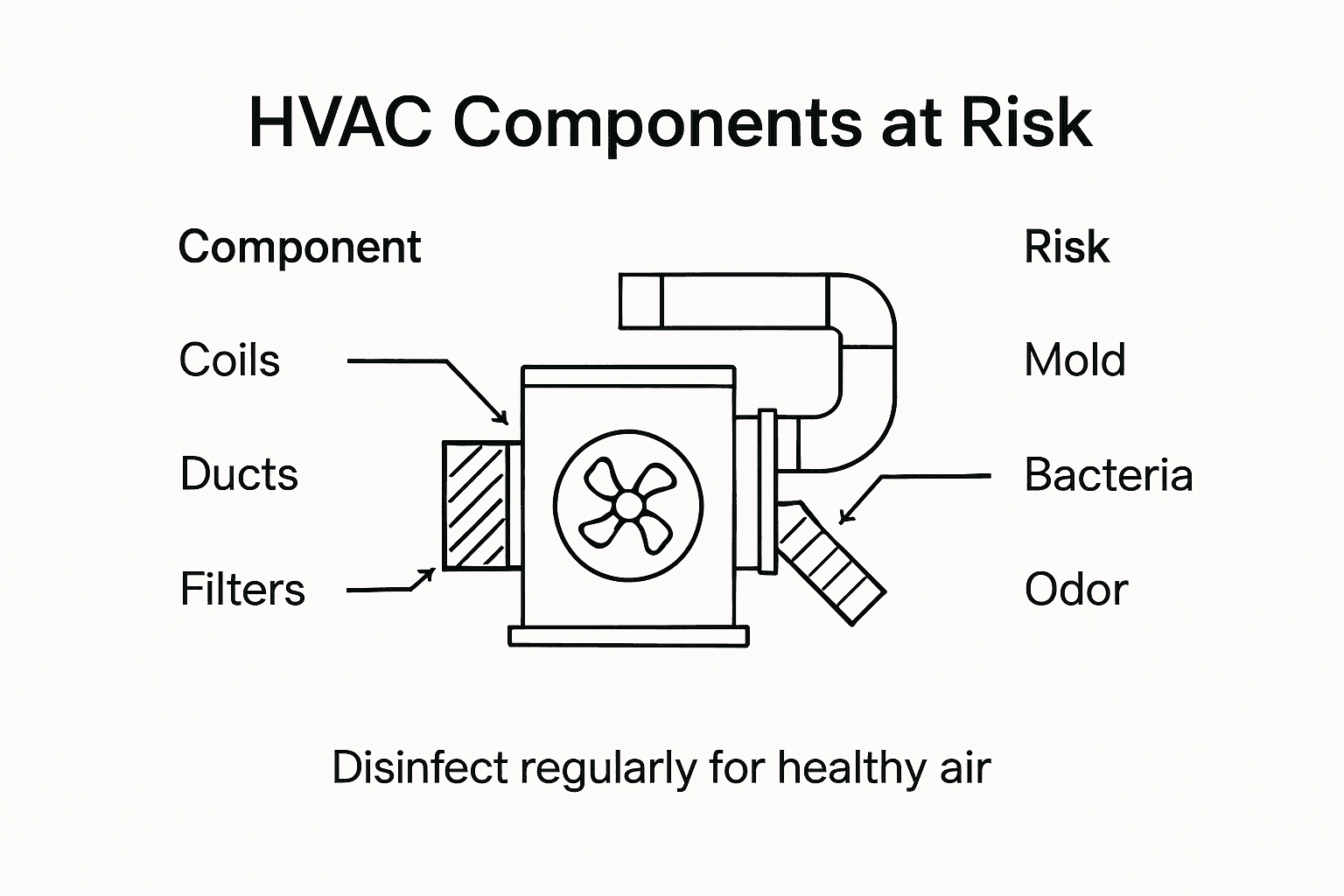
Beyond standard components, advanced HVAC systems in luxury Dubai properties often incorporate additional elements requiring meticulous disinfection. These include condensate drainage trays that can become breeding grounds for bacteria, cooling coils where moisture and organic matter create ideal microbial environments, air intake and exhaust grilles that interact directly with external environments, and complex ventilation system joints and connection points where biofilms can develop undetected. Advanced disinfection protocols must address each of these components comprehensively to ensure complete microbial elimination and maintain the highest standards of indoor air quality.
Here’s a quick summary of the most commonly disinfected HVAC components and the risks if maintenance is neglected:
| HVAC Component | Primary Function | Risk from Poor Disinfection |
|---|---|---|
| Air Handling Units | Process and distribute air | Microbial accumulation, airflow blockage |
| Ductwork | Direct air throughout building | Mold growth, hidden contamination |
| Dehumidification Wheels | Remove moisture from air | Bacteria proliferation, odor issues |
| Filters | Capture particulate matter | Reduced air quality, allergy triggers |
| Cooling Coils | Cool and dehumidify air | Mold buildup, system inefficiency |
| Drainage Trays | Collect condensate | Standing water, bacterial growth |
| Grilles & Vents | Allow air intake and exhaust | Dust, pollen, external pollutant entry |
Pro tip: Request a detailed schematic of your HVAC system before disinfection to ensure every component receives targeted treatment.
Health Standards and Dubai Regulations for HVAC
Dubai’s stringent health and safety regulations establish comprehensive guidelines for HVAC systems, reflecting the emirate’s commitment to maintaining exceptional indoor environmental quality. These regulations stem from a sophisticated understanding of the critical relationship between air conditioning systems and public health, particularly in a region characterized by extreme temperatures and high humidity.
Comprehensive indoor air quality standards in Dubai mandate rigorous protocols for HVAC maintenance and disinfection, focusing on preventing microbial contamination and ensuring optimal system performance. The Dubai Municipality and Dubai Health Authority collaboratively enforce guidelines that require regular professional inspections, comprehensive cleaning protocols, and strict documentation of HVAC system hygiene practices across residential, commercial, and industrial settings.
Key regulatory requirements include mandatory periodic professional cleaning and disinfection, detailed record-keeping of maintenance activities, adherence to specific microbial load thresholds, and compliance with international air quality standards adapted to the United Arab Emirates’ unique environmental conditions. These regulations apply across diverse settings, from luxury residential complexes and hospitality establishments to healthcare facilities and government buildings, ensuring a uniform approach to indoor air quality management that prioritizes public health and safety.
Pro tip: Request a comprehensive compliance certificate from your HVAC service provider to verify adherence to Dubai’s health and safety standards.
Risks and Common Errors in HVAC Disinfection
In the intricate world of HVAC system maintenance, disinfection represents a complex process fraught with potential pitfalls that can compromise indoor air quality and system performance. Professionals and property managers must navigate a landscape of technical challenges that can undermine even well-intentioned cleaning efforts.
Improper HVAC disinfection techniques can lead to significant risks, including incomplete microbial elimination and potential health hazards. Common errors include inadequate disinfectant concentration, which fails to comprehensively eliminate microorganisms, and poor application techniques that leave critical system components untreated. Technicians often overlook complex areas such as intricate ductwork, dehumidification wheels, and hard-to-reach connection points, creating potential reservoirs for bacterial and fungal growth.
Beyond surface-level cleaning, the most critical risks emerge from systemic mistakes in the disinfection process. These include insufficient contact time with disinfectant solutions, which prevents thorough microbial destruction, inappropriate chemical selection that might damage HVAC components, and failure to address underlying moisture issues that create ideal conditions for microbial regrowth. In Dubai’s high-humidity environment, these errors can rapidly transform HVAC systems from protective infrastructure into potential sources of indoor air contamination, posing significant health risks to occupants.
Pro tip: Request a detailed post-disinfection microbial assessment report to verify the comprehensive effectiveness of your HVAC cleaning procedure.
Elevate Your Indoor Air Quality with Expert HVAC Component Disinfection
The article highlights critical challenges such as microbial contamination, hidden biofilms, and incomplete disinfection in HVAC systems that compromise air quality and occupant health. If you are concerned about harmful bacteria, mold buildup, and allergens thriving within your HVAC components like coils, ducts, and drainage trays then professional, science-driven disinfection is essential. Saniservice addresses these pain points using hospital-grade, chemical-free biosanitisers combined with advanced methods like UV-C treatment that achieve thorough microbial elimination while preserving system integrity.
Explore how our NADCA-certified technicians meticulously dismantle and disinfect every HVAC part with scientific precision. Backed by our in-house microbiology laboratory and multidisciplinary indoor sciences team, we guarantee safer air, reduced health risks, and prolonged system lifespan tailored for Dubai’s demanding climate. Discover proven results in our Case Studies – Saniservice AC Cleaning and learn more about our comprehensive approach at AC Cleaning & Maintenance – Saniservice AC Cleaning.
Protect your home or commercial space today by choosing Saniservice, Dubai’s trusted leader in air conditioning cleaning and disinfection. Act now to ensure your HVAC system meets the highest health standards and provides consistently clean air. Visit Saniservice and schedule your professional HVAC component disinfection for a healthier, safer indoor environment.
Frequently Asked Questions
What is HVAC component disinfection?
HVAC component disinfection is a specialized process aimed at eliminating harmful microorganisms, bacteria, viruses, and allergens from air conditioning systems to improve indoor air quality.
Why is HVAC component disinfection important?
Disinfecting HVAC components is crucial to prevent the accumulation of harmful microbes that can affect health and air quality, especially in humid environments where pathogens thrive.
What are biosanitizers and how do they work in HVAC disinfection?
Biosanitizers are advanced solutions that utilize both chemical and physical methods, like UV-C light, to target and eliminate microorganisms at the molecular level, providing a more effective cleaning than traditional methods.
How often should HVAC component disinfection be performed?
It is recommended to schedule professional HVAC component disinfection at least twice a year to maintain optimal system hygiene and prevent microbial growth.
Recommended
- Best Air Duct Cleaning Companies Near Me – Expert Comparison 2025 – Saniservice AC Cleaning
- HVAC Cleaning Process 2025: Step-By-Step Guide for Healthier Air – Saniservice AC Cleaning
- 5 Essential Benefits of AC Disinfection Abu Dhabi for Healthier Indoor Environments – Saniservice AC Cleaning
- Why Commercial AC Disinfection Matters for Health


Leave a Reply