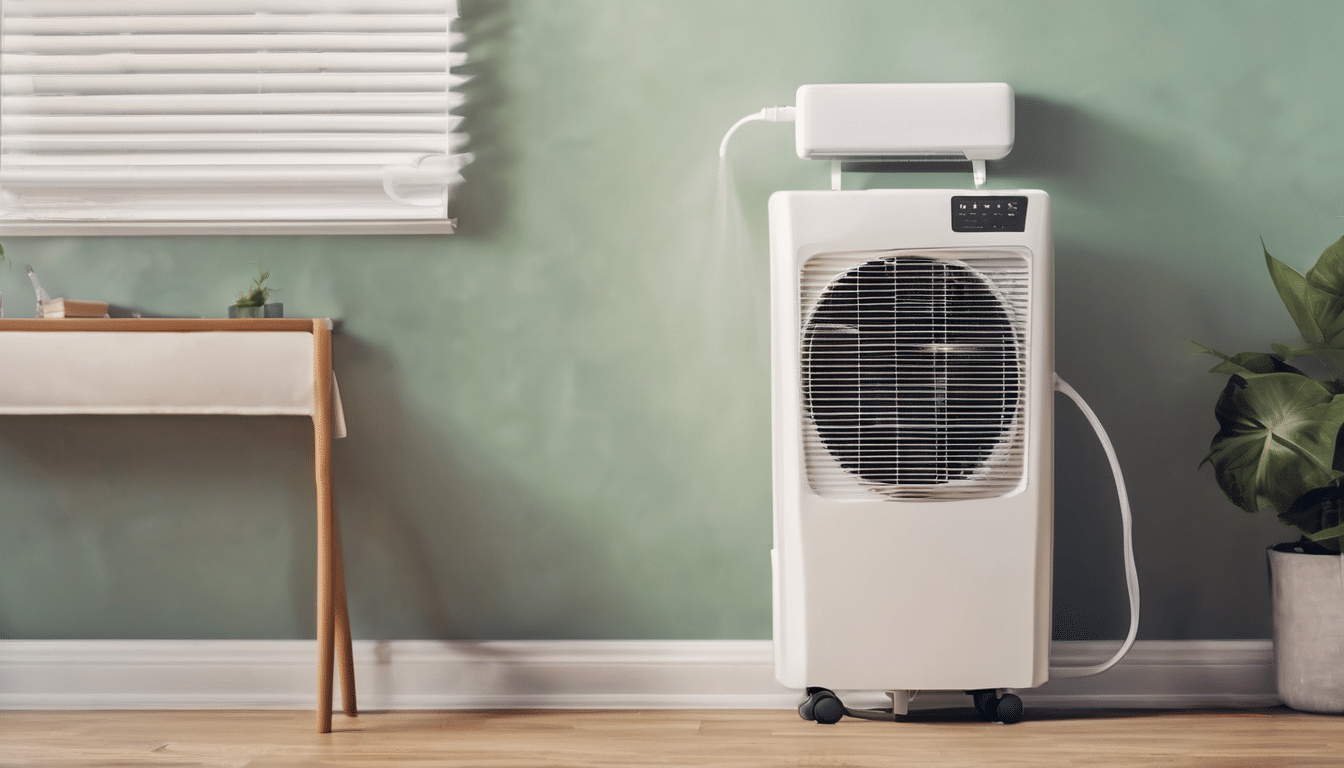
Mini Split Mold Removal Dubai Homes 8 Proven Steps
Understanding Mini Split Mold Removal Dubai Homes is essential. Mini Split Mold removal in Dubai homes is one of the most frequently mishandled AC hygiene issues I encounter across residential properties. Families notice a musty smell when the unit starts, assume a quick wipe-down will resolve it, and find the odour returning within days. That cycle repeats because surface cleaning alone does not address where mold actually grows inside these systems.
In Dubai’s climate, mini split units run almost continuously from April through October, sometimes year-round. That continuous operation combined with high indoor humidity, condensation on evaporator coils, and minimal drying time between cycles creates the precise conditions mold needs to establish and spread. What looks like a minor odour issue often reflects a contamination pattern that extends from the blower wheel to the drain pan to the coil fins. This relates directly to Mini Split Mold Removal Dubai Homes.
This guide covers 8 practical, sequenced steps for mini split mold removal in Dubai homes, written for property owners, facility managers, and families who want to understand what the process genuinely involves and why each step matters.
Mini Split Mold Removal Dubai Homes – Why Mold Grows in Mini Split Systems in Dubai
Contents
- 1 Mini Split Mold Removal Dubai Homes – Why Mold Grows in Mini Split Systems in Dubai
- 2 Mini Split Mold Removal Dubai Homes – Step 1 — Identify the Signs of Active Mold Contamination
- 3 Step 2 — Isolate and Prepare the Work Area
- 4 Step 3 — Remove and Clean the Front Panel and Filters
- 5 Step 4 — Clean the Blower Wheel and Fan Assembly
- 6 Step 5 — Treat the Evaporator Coil with Appropriate Disinfectant
- 7 Step 6 — Clear the Drain Pan and Condensate Line
- 8 Step 7 — Apply Antimicrobial Treatment Throughout the Unit
- 9 Step 8 — Verify Results and Establish a Maintenance Schedule
- 10 Mini Split Mold Removal Dubai Homes — What to Expect on Cost
- 11 Key Takeaways for Dubai Homeowners
- 12 Conclusion
Understanding the cause of mold growth is essential before beginning any mini split mold removal process. Mini split indoor units are enclosed, dark, and perpetually damp. The evaporator coil drops below the dew point during operation, causing condensation to form continuously. That moisture settles on the coil fins, blower wheel blades, and drain pan surfaces.
In Dubai, ambient dust carries organic particles — skin cells, fabric fibres, food particles — that settle on damp internal surfaces and provide a food source for mold spores. The sealed indoor environment means spores that enter through return air have nowhere to go. When conditions are right, visible colonies develop within four to six weeks of the last cleaning. When considering Mini Split Mold Removal Dubai Homes, this becomes clear.
This is why mini split mold removal in Dubai homes must address moisture management, not just visible growth. Removing the mold without correcting the conditions that allow it to return is incomplete treatment.
Mini Split Mold Removal Dubai Homes – Step 1 — Identify the Signs of Active Mold Contamination
Effective mini split mold removal in Dubai homes begins with accurate diagnosis. Not every odour or dark mark inside a unit indicates active mold. However, the following signs are consistent with genuine microbial contamination and warrant full treatment. The importance of Mini Split Mold Removal Dubai Homes is evident here.
Common Indicators
- Musty or sour odour when the unit starts and for the first few minutes of operation
- Visible black, grey, or greenish deposits on the blower wheel blades or coil fins
- Discolouration or slime in the drain pan that does not rinse away with water
- Residents reporting increased allergy symptoms, eye irritation, or respiratory discomfort in rooms served by the unit
- Visible mold on the front panel grille or around the air discharge louvres
In long-operating mini split units, contamination typically appears first on the blower wheel because organic dust accumulates on the blades and moisture never fully dries. This is the component most often missed in basic servicing and the most common source of persistent odours.
Step 2 — Isolate and Prepare the Work Area
Before opening the unit, the work area must be prepared correctly. Mini split mold removal in Dubai homes that skips this step risks spreading mold spores across the room during cleaning, which partially defeats the purpose of the service. Understanding Mini Split Mold Removal Dubai Homes helps with this aspect.
Place protective sheeting on the floor and furniture directly below the unit. Where contamination is significant, close the room and use negative pressure containment if available. Ensure windows can be opened after treatment for ventilation. Anyone sensitive to mold or chemical exposure — including children and elderly residents — should remain outside the space during and for at least two hours after treatment.
Step 3 — Remove and Clean the Front Panel and Filters
The front panel and mesh filters are the first barrier between the room and the internal components. On contaminated units, these surfaces often carry a film of dust and microbial deposits that restrict airflow and act as a continuous release point for odours and spores. Mini Split Mold Removal Dubai Homes factors into this consideration.
Remove the front panel carefully and wash it with a mild antibacterial solution. Rinse thoroughly and allow it to dry before refitting. For the mesh filters, wash under warm water, apply a diluted disinfectant spray, and allow them to dry completely in a well-ventilated area. Never refit damp filters. In Dubai’s climate, even a partially damp filter creates immediate conditions for regrowth.
Step 4 — Clean the Blower Wheel and Fan Assembly
This is the most technically demanding step in mini split mold removal in Dubai homes and the one most frequently skipped by general maintenance technicians. The blower wheel — the cylindrical fan that draws air across the coil and pushes it into the room — accumulates thick, compacted dust and biofilm on each blade. This relates directly to Mini Split Mold Removal Dubai Homes.
Why the Blower Wheel Matters
When blower wheel blades are coated with contaminated debris, every cubic metre of air that passes through the unit carries microbes and particulates directly into the living space. Cleaning filters and coils while leaving the blower wheel untouched produces very limited improvement in air quality.
Professional cleaning uses a specialised coil and fan cleaning solution applied directly to the blower wheel blades. A soft brush or purpose-designed cleaning tool removes compacted material without damaging the blade geometry. The loosened debris and rinse water are captured in a protective tray to prevent floor contamination. When considering Mini Split Mold Removal Dubai Homes, this becomes clear.
Step 5 — Treat the Evaporator Coil with Appropriate Disinfectant
The evaporator coil is the heat exchange surface where condensation forms continuously during operation. In Dubai’s climate, this surface is almost never fully dry. Mold and bacterial biofilm establish between the fins where cleaning brushes cannot reach without damaging the delicate aluminium structure.
Apply a no-rinse coil cleaner or foaming disinfectant specifically formulated for evaporator coils. The foam penetrates between fins, lifts biological deposits, and drains into the drain pan during the cleaning process. Avoid high-pressure washing directly onto the coil, as this can bend fins and reduce heat transfer efficiency. The importance of Mini Split Mold Removal Dubai Homes is evident here.
For mini split mold removal in Dubai homes where visible mold colonies are present on the coil, a second application of antifungal treatment is recommended after the initial clean. Allow appropriate contact time before rinsing or running the unit.
Step 6 — Clear the Drain Pan and Condensate Line
The drain pan collects condensate from the coil and directs it to the condensate drain line. In systems where biofilm has developed, the pan surface carries a grey or black slime layer that resists simple rinsing. This biofilm releases odours continuously and can block the drain line, leading to water overflow and water damage. Understanding Mini Split Mold Removal Dubai Homes helps with this aspect.
Biofilm Removal Protocol
Remove standing water from the drain pan first. Apply an antibacterial drain pan treatment and allow it to dwell for the recommended contact time. Scrub the pan surfaces with a soft brush and rinse thoroughly. Flush the condensate drain line with a diluted disinfectant solution to clear biofilm from the pipe interior. Confirm the line drains freely before reassembling the unit.
Blocked drain lines are a common finding during mini split mold removal in Dubai homes, particularly in units that have not been serviced within the past twelve months. A blocked line forces water to back up into the pan and eventually overflow into the wall or ceiling cavity, creating secondary mold issues beyond the unit itself. Mini Split Mold Removal Dubai Homes factors into this consideration.
Step 7 — Apply Antimicrobial Treatment Throughout the Unit
Once all components have been physically cleaned, apply a broad-spectrum antimicrobial disinfectant to all internal surfaces. This step targets residual mold spores, bacteria, and any microbial deposits that physical cleaning alone did not fully remove.
Use a disinfectant that is rated safe for occupied residential environments, free from aggressive chemical residues, and appropriate for application near HVAC components. In Dubai homes where children, elderly residents, or individuals with respiratory conditions are present, the choice of disinfectant chemistry matters significantly. This relates directly to Mini Split Mold Removal Dubai Homes.
Allow the unit to run in fan-only mode for five to ten minutes after treatment with windows open to ventilate any residual chemical vapour before the space is reoccupied. This is standard practice in responsible mini split mold removal in Dubai homes and should not be skipped.
Step 8 — Verify Results and Establish a Maintenance Schedule
The final step is verification and prevention planning. A completed mini split mold removal in Dubai homes should produce measurable results: no musty odour during startup or operation, visibly clean blower wheel blades and drain pan, and a freely draining condensate line. When considering Mini Split Mold Removal Dubai Homes, this becomes clear.
However, cleaning without a maintenance plan will result in the same contamination pattern returning within two to four months under Dubai’s operating conditions. Preventive maintenance scheduling is not a commercial recommendation — it is the only rational response to a climate where AC systems never fully stop running and never fully dry out.
Recommended Maintenance Intervals for Dubai
- Filter cleaning: Every four to six weeks during high-use periods
- Blower wheel and coil inspection: Every three to four months
- Full disinfection service: Every six months as a minimum
- Drain pan and condensate line flush: Every three months
Mini Split Mold Removal Dubai Homes — What to Expect on Cost
Professional mini split mold removal in Dubai homes typically ranges from AED 250 to AED 600 per indoor unit, depending on the level of contamination, accessibility, and whether antimicrobial treatment is included. For severely contaminated units or properties with multiple mini splits, combined service packages are generally more cost-effective. The importance of Mini Split Mold Removal Dubai Homes is evident here.
Basic filter cleaning offered at AED 80 to AED 120 per unit does not constitute mold removal. These services address only the outermost components and will not resolve persistent odours or microbial contamination within the blower wheel and coil sections. Understanding this distinction helps property owners make better decisions when selecting a service provider.
Key Takeaways for Dubai Homeowners
- Mini split mold removal in Dubai homes must address the blower wheel, coil, and drain pan — not just the filters and front panel
- Musty odour during AC startup is a reliable indicator of blower wheel or coil contamination, not a cosmetic issue
- Dubai’s continuous AC operation and high humidity create conditions where mold returns within weeks if maintenance intervals are not maintained
- Drain pan biofilm and blocked condensate lines are among the most common findings in neglected mini split units
- Disinfectant selection matters in occupied homes — choose providers who use human-safe, low-residue chemistry
- A six-monthly professional service combined with monthly filter cleaning is the minimum standard for Dubai residential properties
- Post-renovation mini split mold removal in Dubai homes should always include a full coil and duct inspection, as construction dust carries high microbial load
Conclusion
Mini split mold removal in Dubai homes is not a single action — it is a structured process that must address every internal surface where moisture and organic matter combine. The eight steps outlined here represent what a responsible, health-focused service looks like when carried out properly. Each step connects to the next, and skipping any one of them reduces the effectiveness of the entire process. Understanding Mini Split Mold Removal Dubai Homes helps with this aspect.
In a city where indoor environments are sealed, air conditioning runs continuously, and families spend the majority of their time indoors, the air quality produced by these systems has a direct and daily impact on health. Mini split mold removal in Dubai homes, done correctly and maintained on appropriate intervals, is not a luxury — it is a fundamental requirement for clean, safe indoor air.
If your mini split unit produces a musty odour at startup, has not been professionally serviced within the past six months, or serves a room occupied by children or individuals with respiratory conditions, scheduling a professional inspection is the appropriate next step. Assess the system properly, address the root cause, and maintain it on a schedule suited to Dubai’s demanding climate. Understanding Mini Split Mold Removal Dubai Homes is key to success in this area.