

AC Cleaning and Allergy Relief: Science-Backed Benefits
Most American families living in Dubai’s luxury villas face a hidden challenge with every breath. Research shows that indoor air can contain up to 100 times more allergens than outdoor air, especially when air conditioners are poorly maintained. For health-conscious homeowners, understanding how AC systems directly impact allergy symptoms and air quality is crucial. You’ll discover effective strategies to minimize allergens and create a safer, fresher indoor environment for your family.
Table of Contents
Contents
- 1 Table of Contents
- 2 Key Takeaways
- 3 How AC Systems Influence Allergies
- 4 Types of Allergens Found in AC Units
- 5 Scientific Process Behind AC Cleaning
- 6 Role of Filtration and Humidity Control
- 7 Risks of Poorly Maintained Air Conditioners
- 8 Comparing AC Cleaning With Other Allergy Solutions
- 9 Take Control of Allergies with Expert AC Cleaning from Saniservice
- 10 Frequently Asked Questions
- 10.0.1 How do air conditioning systems contribute to allergies?
- 10.0.2 What types of allergens are commonly found in air conditioning units?
- 10.0.3 How often should I have my AC system professionally cleaned for allergy relief?
- 10.0.4 What are the benefits of using HEPA filters in air conditioning systems?
- 11 Recommended
- How AC Systems Influence Allergies
- Types of Allergens Found in AC Units
- Scientific Process Behind AC Cleaning
- Role of Filtration and Humidity Control
- Risks of Poorly Maintained Air Conditioners
- Comparing AC Cleaning With Other Allergy Solutions
Key Takeaways
| Point | Details |
|---|---|
| Maintenance is Essential | Regular maintenance of AC systems is critical to prevent allergen buildup and protect respiratory health. |
| Invest in Quality Filters | High-efficiency filters can significantly reduce allergen concentration and improve indoor air quality. |
| Professional Cleaning Recommended | Professional AC cleaning can remove up to 99% of allergens at the source, ensuring long-term improvements in air quality. |
| Humidity Control Matters | Proper humidity regulation within AC systems is vital to prevent mold growth and mitigate allergy symptoms. |
How AC Systems Influence Allergies
Air conditioning systems play a surprisingly complex role in managing indoor air quality and directly impacting allergy symptoms. Modern HVAC systems can either mitigate or exacerbate respiratory health challenges depending on their maintenance and operational conditions. Indoor air pollution dynamics reveal that AC systems significantly contribute to allergen circulation and potential health risks.
In hot and arid environments like Dubai, air conditioning systems become primary sources of potential allergen transmission. Dust, mold spores, and particulate matter can accumulate within AC components, transforming these systems from cooling mechanisms into potential health hazards. Climate change intensifies seasonal allergies, making proper AC maintenance critical for respiratory health.
Three primary mechanisms demonstrate how AC systems directly influence allergies:
- Filter contamination: Poorly maintained filters become breeding grounds for allergens
- Moisture accumulation: Condensation in AC units creates ideal environments for mold growth
- Particulate recirculation: Unclean systems continuously redistribute trapped allergens
Pro Tip: Schedule professional AC cleaning every six months to dramatically reduce indoor allergen concentrations and improve respiratory health.
Types of Allergens Found in AC Units
Air conditioning units are complex ecosystems that can harbor numerous microscopic allergens capable of triggering significant respiratory reactions. Microbial populations in HVAC systems reveal a diverse range of bacterial and fungal species that transform AC units into potential health hazards for occupants.
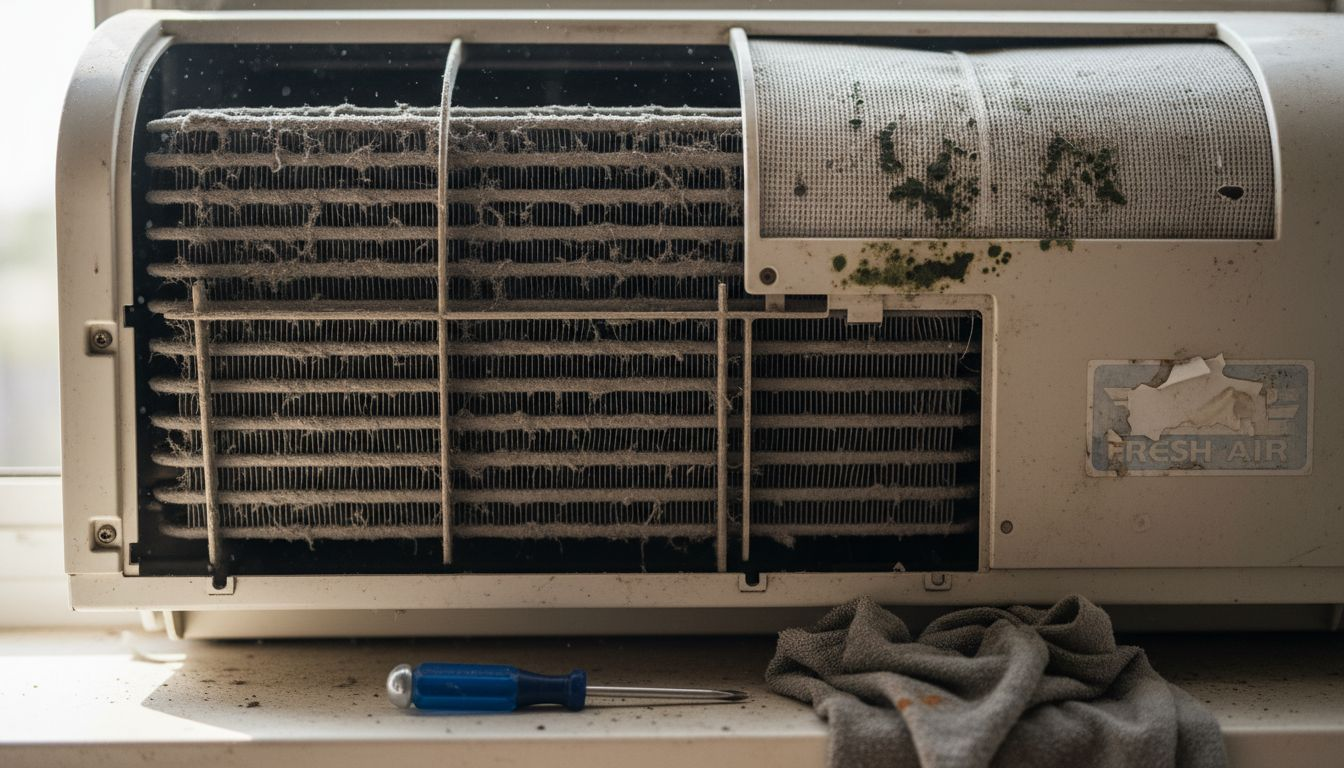
The most common allergens found within AC units include multiple categories of microscopic contaminants. Biological allergens comprise bacteria like Bacillus and Acinetobacter, alongside fungal genera including Cladosporium and Aspergillus. Indoor aeroallergen distribution demonstrates that these microorganisms can rapidly multiply and circulate throughout indoor environments, particularly in humid climates like Dubai.
Primary types of allergens detected in AC systems include:
- Microbial Allergens
- Bacterial species
- Fungal spores
- Mold colonies
- Particulate Allergens
- Dust mite fragments
- Pollen particles
- Animal dander
- Chemical Allergens
- Volatile organic compounds
- Residual cleaning chemical particles
Pro Tip: Invest in high-efficiency particulate air (HEPA) filters and schedule professional AC cleaning to significantly reduce allergen concentration in your indoor environment.
Here is a summary of common AC-related indoor allergens and their potential health impact:
| Allergen Category | Common Examples | Health Impact |
|---|---|---|
| Microbial | Bacillus, Aspergillus | Infections, respiratory irritation |
| Particulate | Dust mites, pollen | Sneezing, congestion, asthma |
| Chemical | VOCs, cleaning residues | Headaches, chemical sensitivity |
Scientific Process Behind AC Cleaning
The scientific approach to air conditioning cleaning represents a sophisticated blend of advanced technologies and precision microbiology. AI-powered cleaning systems are revolutionizing how we maintain and sanitize air conditioning units, introducing intelligent sensors and autonomous cleaning mechanisms that dramatically improve indoor air quality.
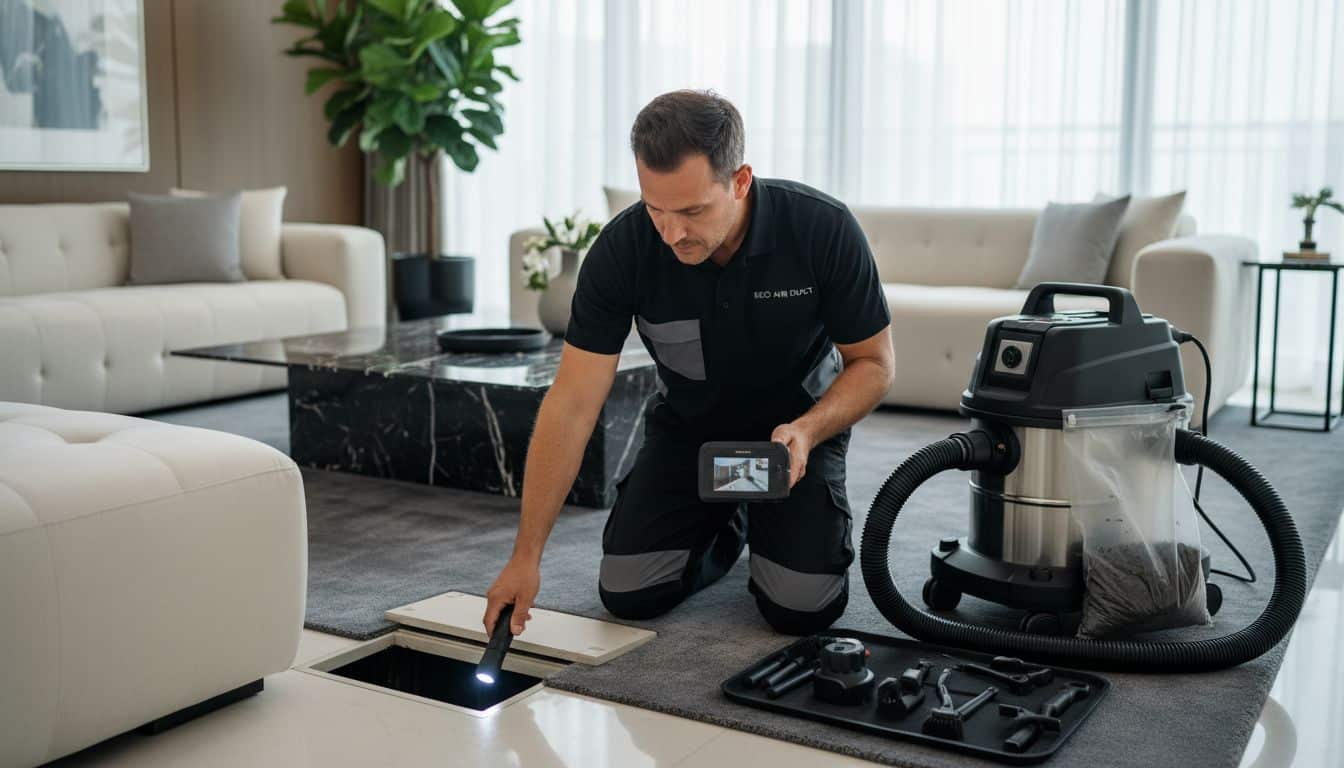
Professional AC cleaning involves multiple intricate steps designed to address microscopic contamination. Advanced cleaning technologies utilize high-pressure cleaning systems that meticulously remove dust, microbial buildup, and potential allergen sources from critical AC components like coils, fans, and drainage systems. These methods go beyond surface cleaning, targeting hidden microbial populations that traditional maintenance approaches often miss.
The comprehensive AC cleaning process typically encompasses several key scientific stages:
- Initial Diagnostic Assessment
- Thermal imaging
- Microbial contamination mapping
- Airflow performance evaluation
- Precision Cleaning Techniques
- High-pressure water extraction
- Antimicrobial treatment application
- Biofilm removal protocols
- Post-Cleaning Verification
- Microbial culture testing
- Air quality measurement
- Performance efficiency verification
Pro Tip: Request detailed scientific documentation from your AC cleaning service to understand the specific microbiological protocols used during maintenance.
Role of Filtration and Humidity Control
Filtration and humidity control are critical scientific strategies for maintaining optimal indoor air quality and preventing allergic responses. HVAC systems prevent allergies through sophisticated filtration technologies that capture microscopic allergens and regulate environmental conditions that could trigger respiratory reactions.
High-efficiency filtration systems represent the first line of defense against indoor air contaminants. Air filtration technologies such as HEPA and electrostatic filters are engineered to trap particles as small as 0.3 microns, effectively removing pollen, dust mites, pet dander, and other potential allergy triggers. These advanced filtration mechanisms work simultaneously with precise humidity control to create an inhospitable environment for allergen proliferation.
Key components of effective filtration and humidity management include:
- Filtration Technologies
- HEPA filter systems
- Electrostatic particulate capture
- Multi-stage air purification
- Humidity Control Mechanisms
- Moisture level regulation (40-50% ideal range)
- Dehumidification processes
- Condensation management
- Allergen Suppression Strategies
- Particle size interception
- Microbial growth prevention
- Airborne contaminant reduction
Pro Tip: Invest in a professional HVAC assessment to optimize your system’s filtration and humidity control capabilities for maximum allergy protection.
Risks of Poorly Maintained Air Conditioners
Poorly maintained air conditioners represent a significant health risk, transforming what should be a comfort system into a potential source of indoor environmental contamination. Indoor air pollution dynamics reveal that neglected AC systems can become breeding grounds for harmful microorganisms and particulate matter, dramatically compromising respiratory health.
Bacterial populations in household AC units pose serious health challenges, with potentially pathogenic microbes proliferating in filters, cooling fins, and water collection areas. These microbial reservoirs can aerosolize contaminants, introducing respiratory irritants and allergens directly into living spaces, particularly critical in hot and arid environments like Dubai.
Key risks associated with poorly maintained air conditioners include:
- Microbial Contamination
- Bacterial growth
- Mold spore proliferation
- Fungal colony development
- Respiratory Health Risks
- Increased allergy symptoms
- Asthma trigger potential
- Compromised immune responses
- System Performance Degradation
- Reduced cooling efficiency
- Higher energy consumption
- Accelerated component wear
Pro Tip: Implement a quarterly professional AC maintenance schedule to prevent microbial buildup and protect your respiratory health.
Comparing AC Cleaning With Other Allergy Solutions
Allergy management requires a comprehensive approach that goes beyond traditional solutions. Indoor air quality interventions demonstrate that integrated strategies are significantly more effective than isolated treatments in reducing allergic symptoms and improving respiratory health.
Advanced AC cleaning techniques offer a targeted approach to allergen reduction, eliminating up to 99% of fungal contamination directly at its source. Unlike other allergy solutions that primarily manage symptoms, professional AC cleaning addresses the root cause of indoor air quality issues by systematically removing microbial reservoirs and particulate matter.
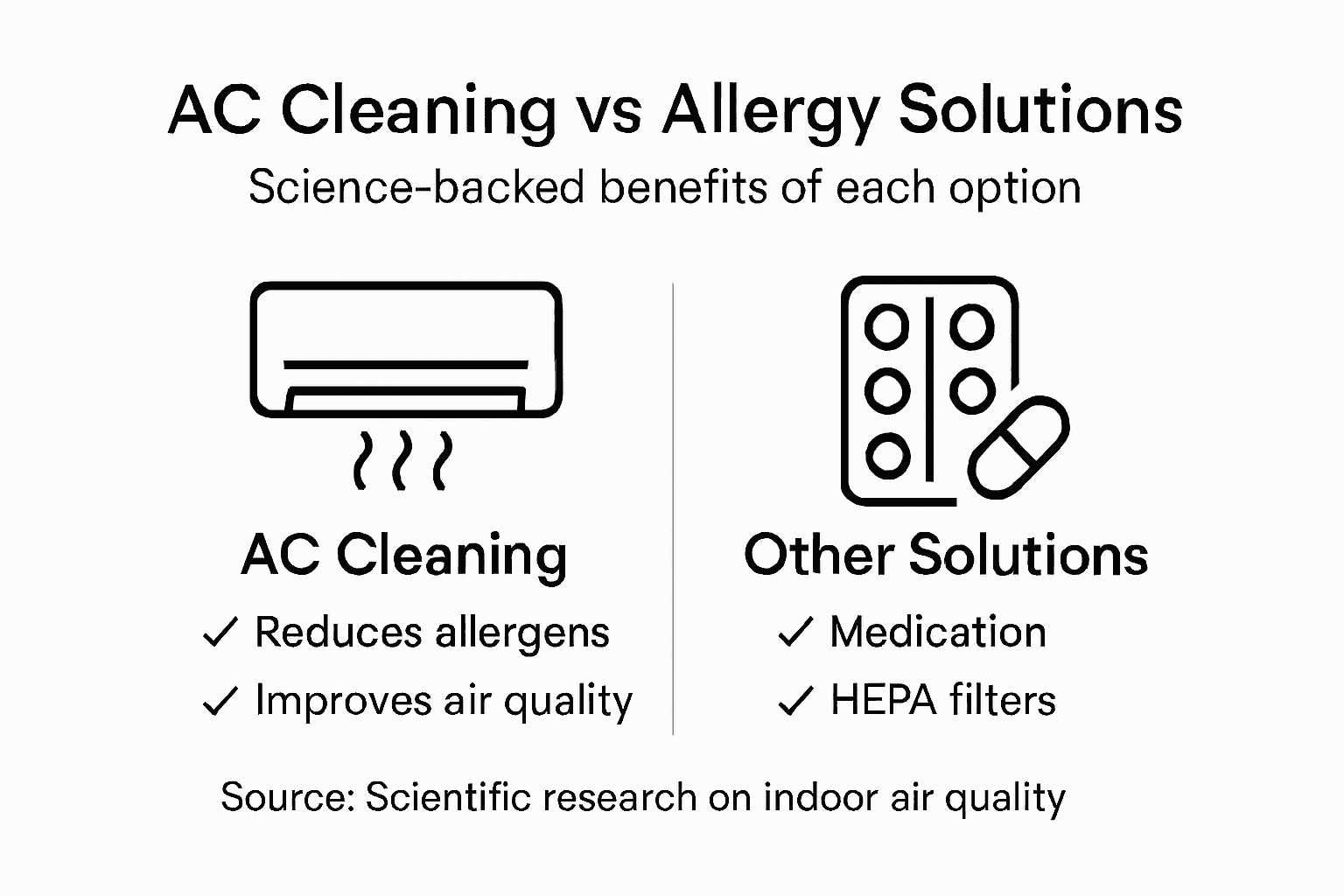
Comparative analysis of allergy management strategies reveals distinct advantages and limitations:
This comparison highlights how AC cleaning differs from other allergy control methods:
| Approach | Primary Benefit | Limitation |
|---|---|---|
| Medical Treatment | Reduces symptoms | Does not address root causes |
| Portable Air Purifier | Filters local air | Limited coverage, not systemic |
| AC Professional Cleaning | Removes allergen sources | Longest-lasting indoor impact |
- Medical Interventions
- Symptom management
- Pharmaceutical treatments
- Temporary relief
- Air Purification Solutions
- Standalone HEPA filters
- Portable air cleaners
- Limited coverage area
- AC Cleaning Approach
- Comprehensive source control
- Systemic contamination removal
- Long-term environmental improvement
Pro Tip: Combine professional AC cleaning with targeted medical interventions for a holistic approach to allergy management.
Take Control of Allergies with Expert AC Cleaning from Saniservice
If you are struggling with persistent allergy symptoms caused by invisible allergens lurking in your air conditioning system you are not alone. The article reveals how microbial contamination mold spores and particulate matter inside poorly maintained AC units can trigger respiratory issues in hot climates like Dubai. Your goal is clear reduce allergens and breathe healthier air through scientifically validated AC cleaning and maintenance practices.
At Saniservice we specialize in comprehensive AC cleaning rooted in microbiology and advanced technology. Our NADCA-certified technicians dismantle and disinfect every component using hospital-grade biosanitisers proven to eliminate mold bacteria and allergens. Supported by our in-house microbiology lab and a multidisciplinary Indoor Sciences team we ensure your indoor environment is fresher safer and allergy resilient. Discover the difference science makes by exploring our AC Cleaning & Maintenance – Saniservice AC Cleaning services and real success stories in our Case Studies – Saniservice AC Cleaning.
Don’t wait for allergies to worsen take immediate action and invest in professional cleaning that targets allergens at the source. Visit Saniservice today to schedule your service and reclaim clean air for your home or workplace.
Frequently Asked Questions
How do air conditioning systems contribute to allergies?
Air conditioning systems can circulate allergens such as dust, mold spores, and bacteria if not properly maintained. Filter contamination, moisture accumulation, and particulate recirculation in AC units can exacerbate allergy symptoms.
What types of allergens are commonly found in air conditioning units?
Common allergens in AC units include microbial allergens like bacteria and mold, particulate allergens such as dust mite fragments and pollen, and chemical allergens including volatile organic compounds and cleaning residues.
How often should I have my AC system professionally cleaned for allergy relief?
It is recommended to schedule professional AC cleaning every six months to significantly reduce indoor allergen concentrations and improve respiratory health.
What are the benefits of using HEPA filters in air conditioning systems?
HEPA filters are designed to trap particles as small as 0.3 microns, effectively removing allergens like pollen, dust mites, and pet dander. This helps create a healthier indoor environment and reduces allergy symptoms.
Recommended
Related articles



Leave a Reply