


Identify Common Indoor Allergens In Your Home
Understanding Identify Common Indoor Allergens In Your Home is essential.
Introduction: Why Identify Indoor Allergens?
Contents
- 1 Introduction: Why Identify Indoor Allergens?
- 2 Understanding Common Indoor Allergens
- 3 Identify Common Indoor Allergens In Your Home: Detecting Allergens in Your Home
- 4 Identify Common Indoor Allergens In Your Home – Taking Action Against Indoor Allergens
- 5 Expert Tips for Managing Allergies at Home
- 6 FAQs About Identifying Indoor Allergens
- 7 Conclusion: Improving Your Air Quality and Well-being
Indoor allergens are a significant factor contributing to respiratory issues, allergies, and other health problems. Identifying these allergens is crucial for maintaining good indoor air quality (IAQ) and ensuring the well-being of your family and guests. In this comprehensive guide, we will walk you through the steps to identify common indoor allergens in your home, understand their sources, and take effective action against them.
By following these steps, you can create a healthier living environment that minimizes exposure to allergens and improves overall air quality. Let’s get started on this journey towards better health and comfort.
Understanding Common Indoor Allergens
Indoor allergens are substances that cause allergic reactions in sensitive individuals. They can be categorized into three main groups: environmental, biological, and chemical. Each type of allergen has unique characteristics and sources, making it essential to identify them accurately.
Environmental Allergens
Environmental allergens are typically found in the air and can cause allergic reactions when they come into contact with sensitive individuals. Some common environmental allergens include:
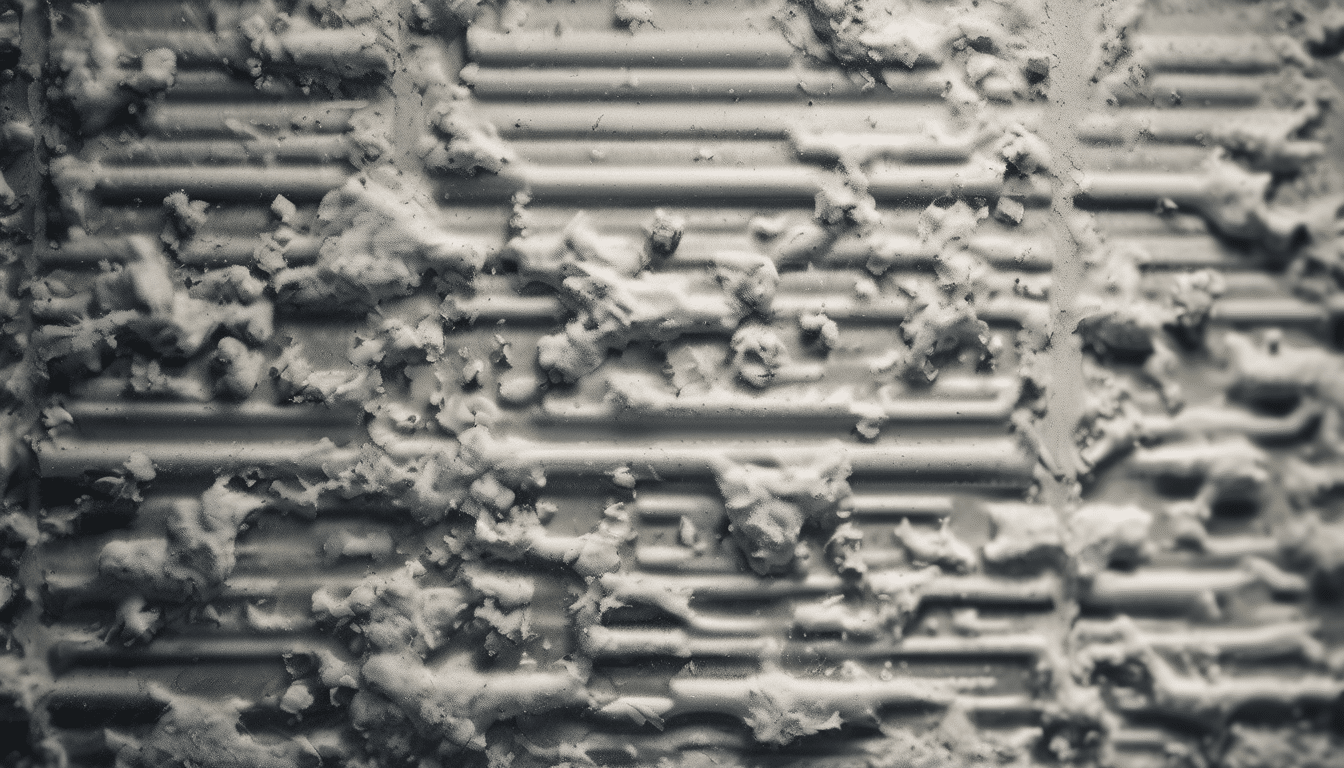
- Dust from construction, renovation, or cleaning activities
- Ash and particles from smoking or cooking
- Smoke from candles, incense, or fireplaces
Biological Allergens: Dust Mites, Pet Dander, and Mold
Biological allergens are living organisms that can trigger allergic reactions. These include:
- Dust Mites: Tiny bugs that thrive in warm, humid environments, often found in bedding, carpets, and upholstery.
- Pet Dander: Skin flakes from pets such as cats, dogs, birds, or rodents. These can trigger allergic reactions even if the pet is not present.
- Mold: Fungi that grow in damp areas, producing spores that circulate in the air and cause allergic reactions.
Chemical Allergens: Cleaning Products and Volatile Organic Compounds (VOCs)
Chemical allergens are typically found in household products such as cleaning agents, paints, and adhesives. They can also include volatile organic compounds (VOCs) that off-gas from various sources:
- Cleaning Products: Harsh chemicals used for cleaning floors, windows, or bathrooms.
- VOCs: Gases released by building materials, furniture, and personal care products. These can irritate the respiratory system and cause allergic reactions.
Identify Common Indoor Allergens In Your Home: Detecting Allergens in Your Home
To detect indoor allergens effectively, you need to understand their sources and conduct thorough inspections of your home. Here are some practical steps:
- Inspect for Dust: Use a damp cloth or vacuum cleaner with HEPA filters to clean surfaces regularly. Look for visible dust accumulations in corners, under furniture, and on windowsills.
- Check Humidity Levels: High humidity can foster mold growth. Use a hygrometer to measure the relative humidity (RH) in different areas of your home. Aim for an RH between 30-50%.
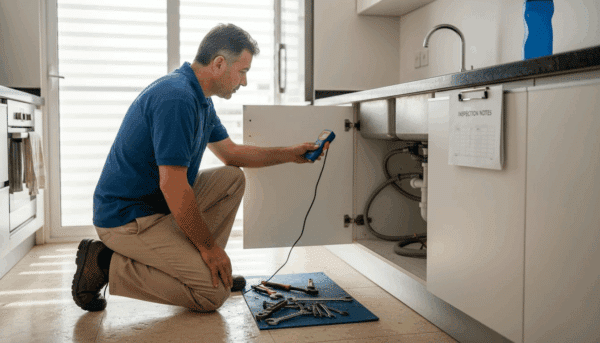
- Mold Inspection: Look for signs of mold growth, such as discolored patches on walls or ceilings, musty odors, and water stains. Focus on damp areas like bathrooms and kitchens.
- Pet Dander Detection: Use pet dander traps to identify areas where pets have been. These can be placed near windows or doors where pets enter the house.
- Chemical Off-gassing: Keep an eye on products that emit strong odors, especially after use. Open windows and use exhaust fans to reduce indoor VOC levels.
Identify Common Indoor Allergens In Your Home – Taking Action Against Indoor Allergens
Once you have identified the allergens in your home, it’s time to take action. Here are some effective strategies:
- Clean Regularly: Dust and vacuum at least once a week using a HEPA-filtered vacuum cleaner.
- Use Allergen-Blocking Covers: Encase pillows, mattresses, and box springs with allergen-blocking covers to reduce dust mite exposure.
- Manage Humidity: Use dehumidifiers in damp areas and air conditioners during humid seasons. Ensure proper ventilation to prevent mold growth.
- Pet Management: Keep pets out of bedrooms, regularly clean their living spaces, and consider pet hair removal devices for furniture.
- Choose Safe Cleaning Products: Opt for low-VOC cleaning products that are less likely to cause allergic reactions. Ventilate rooms when using strong chemicals.
Expert Tips for Managing Allergies at Home
- Consult an Expert: If your symptoms persist, consider consulting an allergist who can perform specific tests to identify triggers and recommend appropriate treatments.
- Maintain a Clean Environment: Keep surfaces clean by removing clutter that can accumulate dust. Use microfiber cloths for dusting as they trap more particles than traditional cloths.
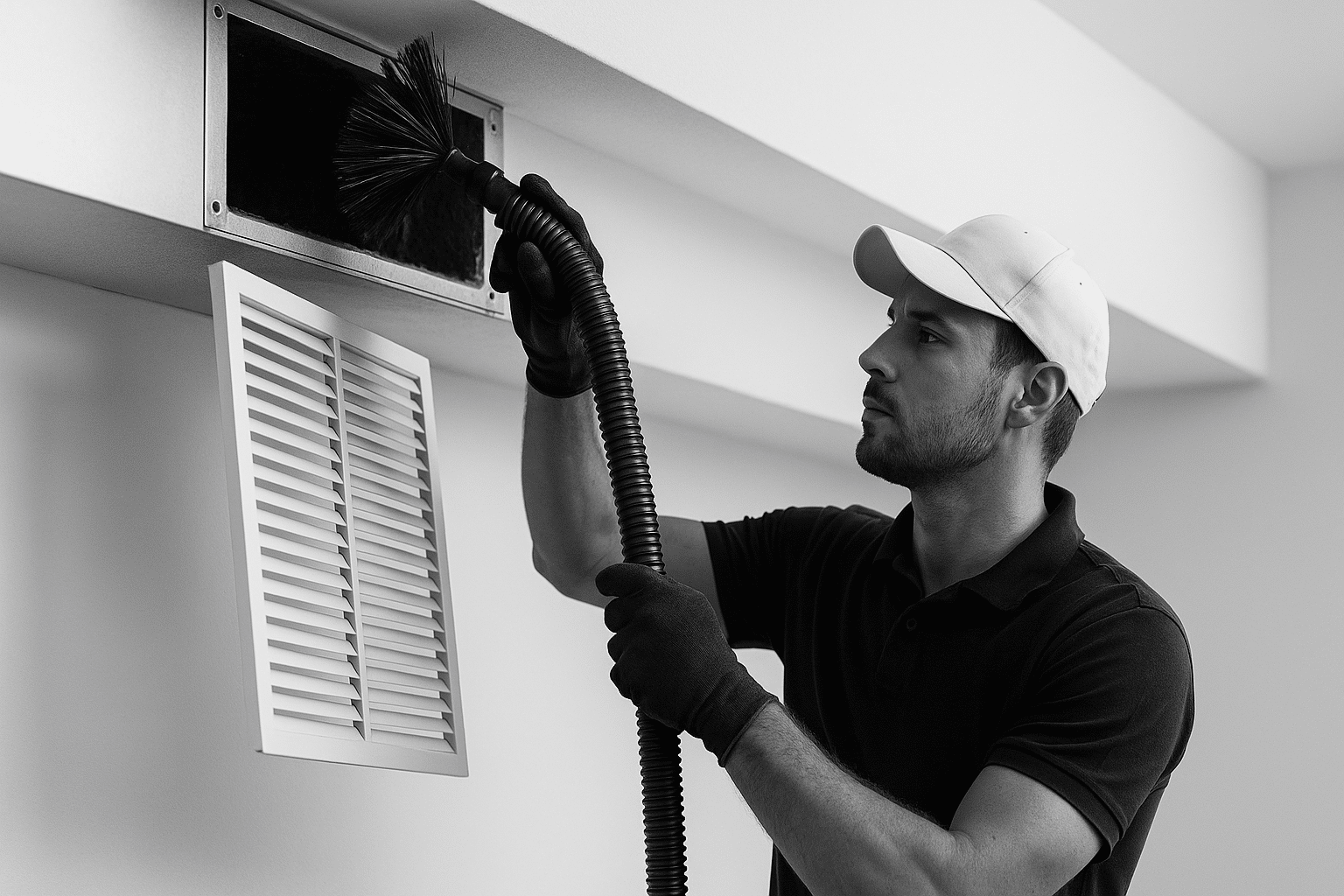
- Regular HVAC Maintenance: Schedule professional AC cleaning and disinfection services to remove hidden contaminants from your air conditioning systems. This ensures better airflow and reduced allergen spread.
- Monitor IAQ Indicators: Use air quality monitors or sensors to track changes in indoor conditions, such as temperature, humidity, and particulate matter levels.
FAQs About Identifying Indoor Allergens
- Q: Can I remove all allergens from my home?
- A: While it’s challenging to eliminate all allergens, you can significantly reduce their presence through regular cleaning and maintenance practices. Some areas may always have some level of exposure.
- Q: Are certain rooms more likely to harbor allergens than others?
- A: Yes, areas with high humidity, such as bathrooms and kitchens, are more prone to mold growth. Bedrooms can be a hotspot for dust mites due to frequent human presence.
- Q: Can indoor plants contribute to allergen issues?
- A: Some indoor plants can release spores that trigger allergies. However, most houseplants are not significant sources compared to other allergens like dust mites and pet dander.
This relates directly to Identify Common Indoor Allergens In Your Home.
Conclusion: Improving Your Air Quality and Well-being
Identifying common indoor allergens is the first step towards creating a healthier living environment. By following these steps, you can reduce exposure to harmful substances and improve your family’s well-being. Regular maintenance of air conditioning systems, managing humidity levels, and choosing safe cleaning products are key components in this process.
Remember, maintaining good indoor air quality is an ongoing effort that requires commitment and dedication. With the right strategies and practices, you can create a home where everyone can breathe easier and live more comfortably.

Leave a Reply