

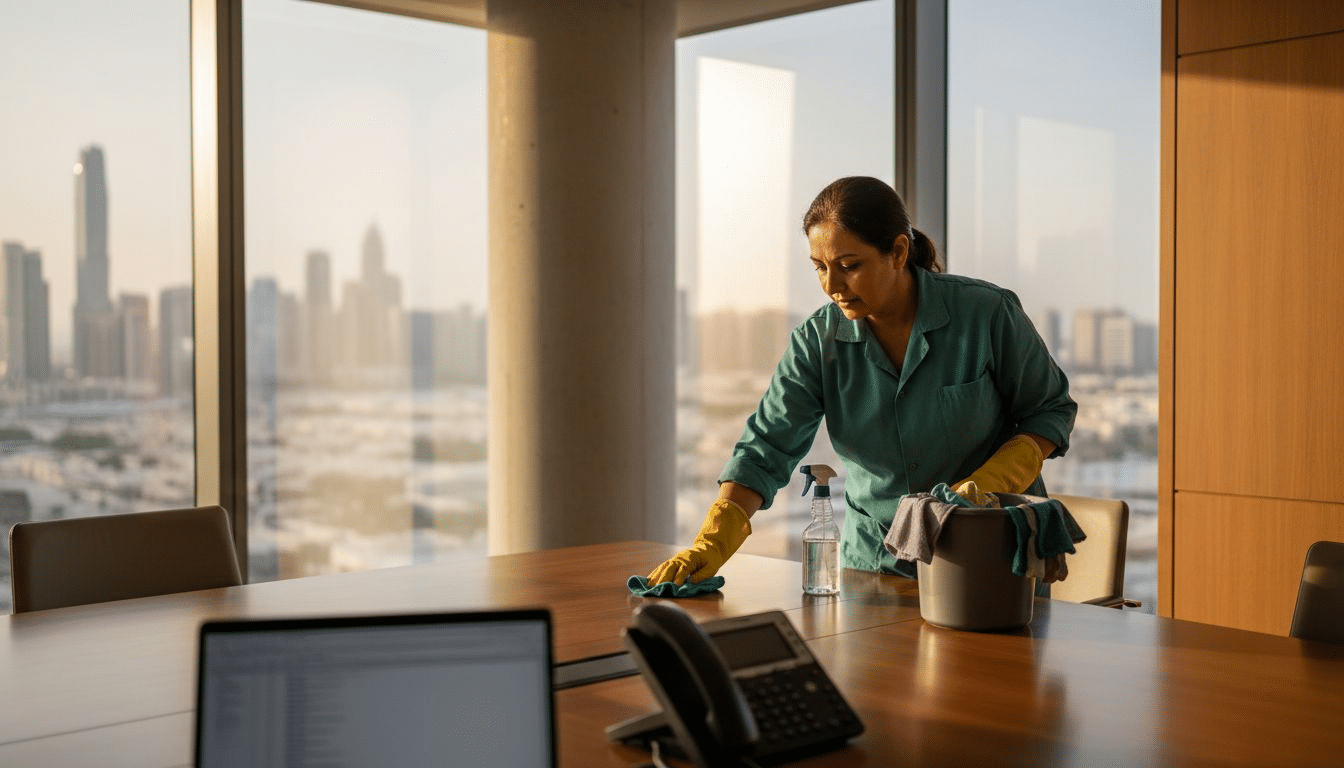
Cleaning vs Disinfection – Why It Matters Indoors
Many Dubai property managers and villa owners discover that surface shine does not guarantee a healthy indoor environment. Understanding the difference between cleaning and disinfection is vital for anyone responsible for luxury properties in the UAE. Cleaning physically removes dirt and germs with soap and water, while disinfection uses chemicals to kill most pathogens, according to the CDC. This overview shows why separating these processes is crucial for protecting indoor health in Dubai’s unique climate.
Table of Contents
Contents
- 1 Table of Contents
- 2 Key Takeaways
- 3 Cleaning and Disinfection Defined Clearly
- 4 How Cleaning and Disinfection Work
- 5 Key Differences in Process and Purpose
- 6 Legal Standards and Compliance in Dubai
- 7 Risks of Improper Cleaning or Disinfection
- 8 Ensure Truly Healthy Indoor Spaces with Expert Cleaning and Disinfection
- 9 Frequently Asked Questions
- 10 Recommended
- Cleaning And Disinfection Defined Clearly
- How Cleaning And Disinfection Work
- Key Differences In Process And Purpose
- Legal Standards And Compliance In Dubai
- Risks Of Improper Cleaning Or Disinfection
Key Takeaways
| Point | Details |
|---|---|
| Understanding Processes | Cleaning and disinfection are distinct processes; cleaning removes dirt while disinfection kills pathogens. |
| Importance of Sequence | Proper cleaning must precede disinfection to ensure effective microbial control. |
| Regulatory Compliance | Adhering to local health regulations is crucial for maintaining indoor hygiene standards in Dubai. |
| Risks of Neglect | Inadequate cleaning and disinfection can lead to serious health risks, including pathogen spread and indoor air quality issues. |
Cleaning and Disinfection Defined Clearly
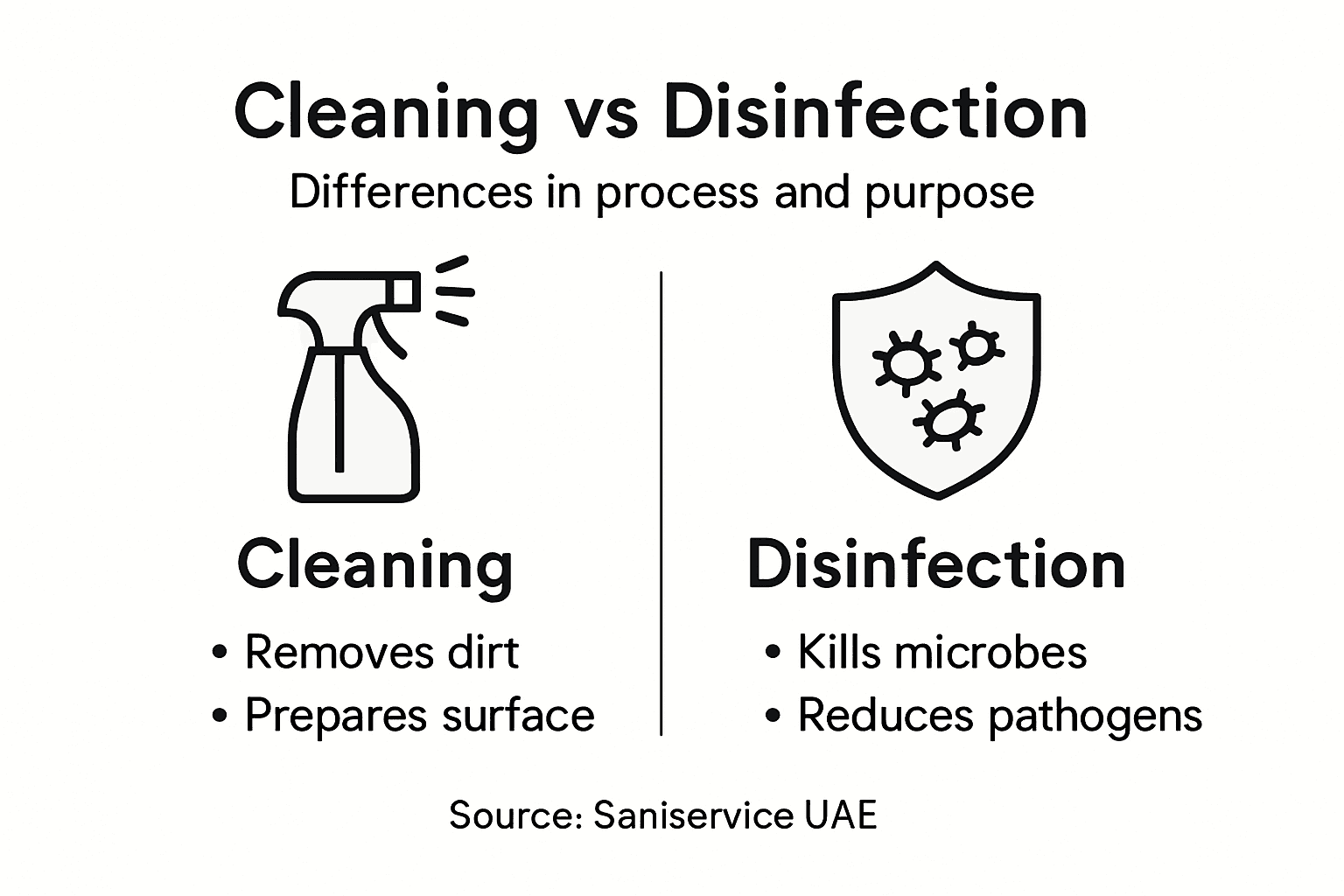
In Dubai’s indoor environments, understanding the critical difference between cleaning and disinfection is essential for maintaining healthy spaces. While these terms are often used interchangeably, they represent distinct processes with unique purposes. Cleaning removes dirt and germs through mechanical action, while disinfection actively kills harmful microorganisms.
The primary distinctions between cleaning and disinfection involve three key aspects:
- Cleaning: A physical process that uses soap, water, and mechanical action to remove visible dirt, debris, and some microorganisms from surfaces
- Disinfection: A chemical process designed to eliminate most pathogenic microbes and reduce potential disease transmission
- Purpose: Cleaning prepares surfaces, while disinfection provides additional microbial protection
Understanding these processes becomes particularly crucial in the UAE’s climate, where high humidity can accelerate microbial growth. Disinfection eliminates harmful microorganisms on surfaces after initial cleaning, creating a comprehensive hygiene strategy for residential and commercial spaces.
Professional cleaning services like SaniAC by Saniservice recognize that effective indoor hygiene requires both cleaning and disinfection. While cleaning removes surface contaminants, disinfection provides an additional layer of protection against potentially harmful pathogens, especially in high-traffic areas and shared spaces.
Here’s a summary of how cleaning and disinfection differ in indoor environments:
| Aspect | Cleaning | Disinfection |
|---|---|---|
| Process | Physical removal of contaminants | Chemical destruction of microbes |
| Main Agents | Soap, water, scrubbing | Antimicrobial chemicals |
| Target Outcome | Reduces visible and some germs | Eliminates most pathogens |
| Surface Impact | Prepares for further treatment | Provides extra protection |
Pro tip: Always clean surfaces thoroughly before disinfecting to ensure maximum effectiveness and optimal microbial elimination.
How Cleaning and Disinfection Work
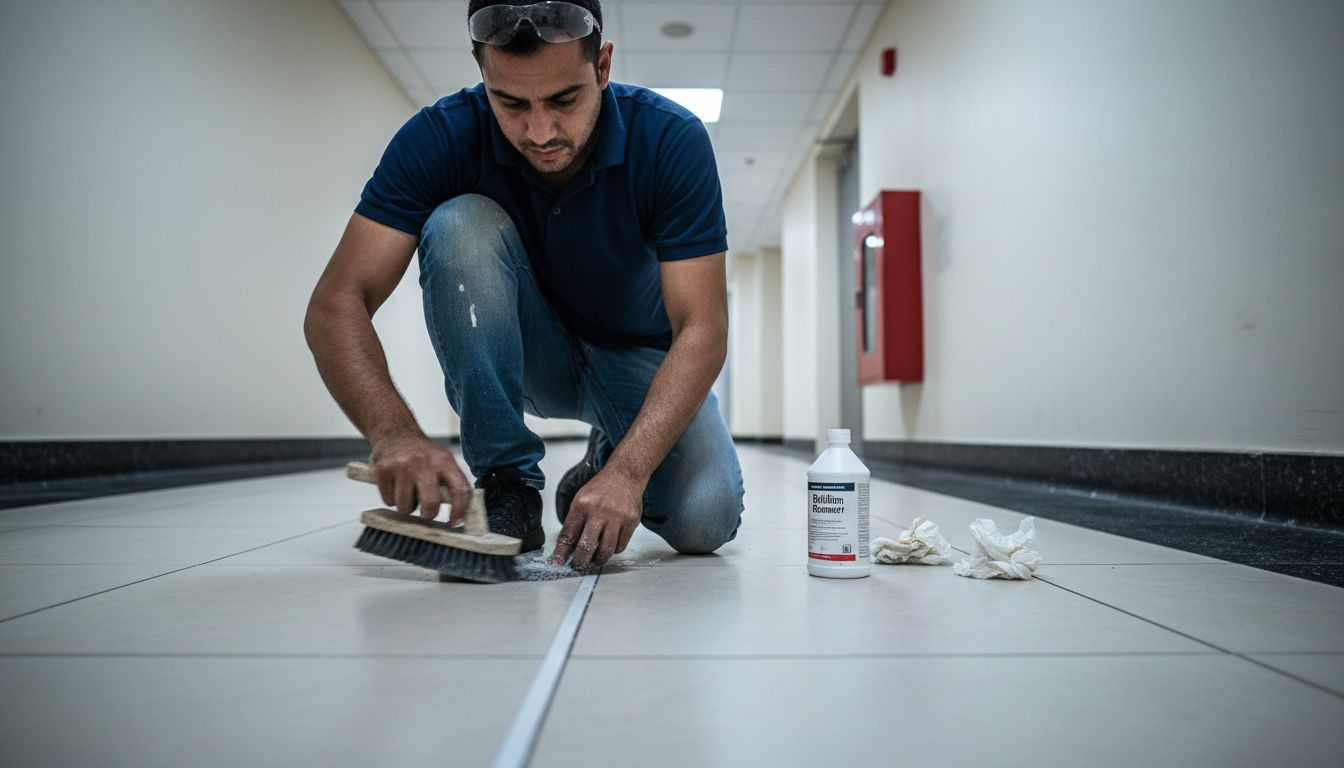
In indoor environments, particularly in Dubai’s climate, understanding the intricate mechanisms of cleaning and disinfection is crucial for maintaining optimal hygiene. Cleaning removes soil and organic materials through mechanical action, employing various techniques that physically reduce microbial presence on surfaces.
The process involves several key techniques for effective cleaning and disinfection:
- Manual Cleaning: Using detergents, brushes, and physical scrubbing to remove visible dirt and debris
- Mechanical Cleaning: Utilizing ultrasonic devices and washer-disinfectors for thorough contaminant removal
- Chemical Disinfection: Applying antimicrobial agents to kill remaining microorganisms after initial cleaning
Biofilms present a significant challenge in effective surface treatment. Microbial resistance in biofilms can reduce the efficacy of standard disinfection methods, requiring specialized approaches to break down these protective microbial communities. In Dubai’s high-humidity environment, this becomes particularly critical for preventing microbial growth in indoor spaces.
Professional services like SaniAC by Saniservice understand that effective hygiene requires a comprehensive approach. By disrupting biofilms through thorough cleaning and then applying targeted disinfection techniques, they ensure maximum microbial control in residential and commercial environments.
Pro tip: Invest in professional cleaning services that understand the science behind biofilm removal and targeted disinfection for truly comprehensive indoor hygiene.
Key Differences in Process and Purpose
In the context of indoor environmental hygiene, particularly in Dubai’s demanding climate, understanding the nuanced differences between cleaning and disinfection is crucial. Cleaning and disinfection serve distinct purposes that are complementary yet fundamentally different in their approach to managing microbial contamination.
The key differences can be categorized across several critical dimensions:
- Objective: Cleaning removes visible dirt and debris, while disinfection targets invisible microorganisms
- Chemical Intensity: Cleaning uses mild detergents, disinfection employs stronger antimicrobial agents
- Microbial Outcome: Cleaning reduces contamination, disinfection aims to eliminate pathogens
- Surface Interaction: Cleaning is a physical process, disinfection is a chemical intervention
Cleaning serves as a critical preparatory step before effective disinfection can occur. In Dubai’s high-humidity environment, where microbial growth can be rapid, understanding this sequence becomes paramount for maintaining hygienic indoor spaces. Without proper initial cleaning, disinfectant chemicals cannot effectively penetrate surfaces and eliminate potential health risks.
Professional services like SaniAC by Saniservice recognize that comprehensive indoor hygiene requires a strategic, science-based approach. By understanding and implementing the precise differences between cleaning and disinfection, they ensure a multilayered defense against microbial contamination in residential and commercial environments.
Pro tip: Always perform thorough cleaning before disinfection to maximize the effectiveness of your microbial control strategy.
Legal Standards and Compliance in Dubai
In the United Arab Emirates, particularly in Dubai, indoor environmental hygiene is governed by stringent regulatory frameworks that mandate precise standards for cleaning and disinfection across residential, commercial, and public spaces. Certified indoor air quality testing plays a crucial role in ensuring these comprehensive health and safety standards are consistently met.
Key regulatory considerations for cleaning and disinfection in Dubai include:
- Health Regulations: Compliance with Dubai Municipality and UAE Ministry of Health guidelines
- Building Codes: Adherence to specific indoor air quality and sanitation requirements
- Commercial Standards: Mandatory hygiene protocols for public and workplace environments
- Professional Certification: Required qualifications for conducting cleaning and disinfection services
The UAE’s regulatory landscape emphasizes a proactive approach to indoor environmental management. Professional services like SaniAC by Saniservice must maintain rigorous compliance with multiple layers of local and national regulations, ensuring that every cleaning and disinfection procedure meets the highest standards of scientific precision and public health protection.
These regulations are particularly critical in Dubai’s unique climate, where high humidity and temperature create optimal conditions for microbial growth. By mandating comprehensive cleaning and disinfection protocols, local authorities aim to protect public health and maintain superior indoor environmental quality across all sectors.
Pro tip: Always verify your cleaning and disinfection service provider’s certifications and compliance with local Dubai regulatory standards.
Risks of Improper Cleaning or Disinfection
In Dubai’s humid environment, improper cleaning and disinfection can lead to severe health risks and potential microbial proliferation. Healthcare-associated infections pose significant dangers when professional hygiene standards are not meticulously maintained across indoor environments.
Key risks associated with inadequate cleaning and disinfection include:
- Pathogen Transmission: Increased likelihood of spreading harmful microorganisms
- Antimicrobial Resistance: Creating conditions that promote resilient bacterial strains
- Biofilm Development: Enabling persistent microbial communities on surfaces
- Indoor Air Quality Degradation: Compromising respiratory health and environmental safety
Inconsistent cleaning practices significantly compromise infection prevention strategies. In Dubai’s commercial and residential spaces, where high temperature and humidity accelerate microbial growth, these risks become exponentially more critical. Improper techniques can transform seemingly clean surfaces into breeding grounds for potentially dangerous microorganisms.
Professional services like SaniAC by Saniservice understand that comprehensive cleaning and disinfection require more than superficial treatment. Their scientific approach addresses potential microbial risks by implementing rigorous, evidence-based protocols that go beyond traditional cleaning methods, ensuring true environmental safety for Dubai’s diverse indoor environments.
To illustrate why proper cleaning and disinfection are vital in Dubai, here are possible consequences of mistakes:
| Risk Type | Resulting Impact | Example Scenario |
|---|---|---|
| Pathogen Spread | Increased illness rates | Germs survive on surfaces |
| Resistant Bacteria | Difficult to treat infections | Biofilm formation |
| Air Quality Drop | Respiratory health issues | Mold growth in humid rooms |
| Regulatory Breach | Fines or business closure | Failure to meet Dubai standards |
Pro tip: Request detailed documentation of cleaning and disinfection protocols from service providers to ensure comprehensive microbial control.
Ensure Truly Healthy Indoor Spaces with Expert Cleaning and Disinfection
The article highlights the critical difference between cleaning and disinfection and why both processes are essential to maintaining safe indoor environments in Dubai’s challenging climate. If you are concerned about hidden pathogens, microbial growth in high humidity, or the risks of improper hygiene practices damaging your health or property, it is vital to trust professionals who understand the science behind effective indoor hygiene. Terms like “biofilm removal,” “pathogen elimination,” and “chemical-free biosanitisers” are more than jargon when your wellbeing is at stake.
Take control of your indoor environment now by choosing Saniservice, Dubai’s leading expert in professional air conditioning cleaning and disinfection. Our NADCA-certified technicians combine Swiss-quality service with scientific precision grounded in our in-house microbiology laboratory. We meticulously clean and disinfect every AC component to eliminate mold, bacteria, and allergens using hospital-grade, chemical-free solutions. Learn more about the cutting-edge science that sets us apart at Saniservice so you can safeguard your home or commercial space today and enjoy cleaner air, improved system efficiency, and peace of mind.
Frequently Asked Questions
What is the difference between cleaning and disinfection?
Cleaning involves the physical removal of dirt, debris, and some microorganisms from surfaces using soap and water, while disinfection is a chemical process that kills harmful microorganisms to reduce the risk of disease transmission.
Why is cleaning important before disinfection?
Cleaning is a crucial preparatory step that removes surface contaminants, allowing disinfectant chemicals to effectively penetrate and eliminate pathogens. Without thorough cleaning, disinfection may not be effective.
How often should I clean and disinfect surfaces indoors?
It is recommended to clean and disinfect high-traffic and high-touch surfaces regularly, particularly in environments susceptible to microbial growth, to maintain optimal indoor hygiene and safety.
What are the risks of inadequate cleaning or disinfection?
Inadequate cleaning and disinfection can lead to increased pathogen transmission, development of antimicrobial-resistant strains, biofilm formation, and degradation of indoor air quality, which can pose health risks to occupants.
Recommended
- Cleaning vs Disinfecting AC – What Property Managers Must Know
- AC Cleaning vs Disinfection: Health Impact in Dubai
- What Is HVAC Disinfection and Why It Matters
- Step by Step AC Disinfection for Healthier Air Quality
- 7 Step-by-Step Appliance Maintenance Tips for Homeowners
- Kitchen Cabinet Cleaning Process for Spotless Results – WordPress
Related articles

Leave a Reply