

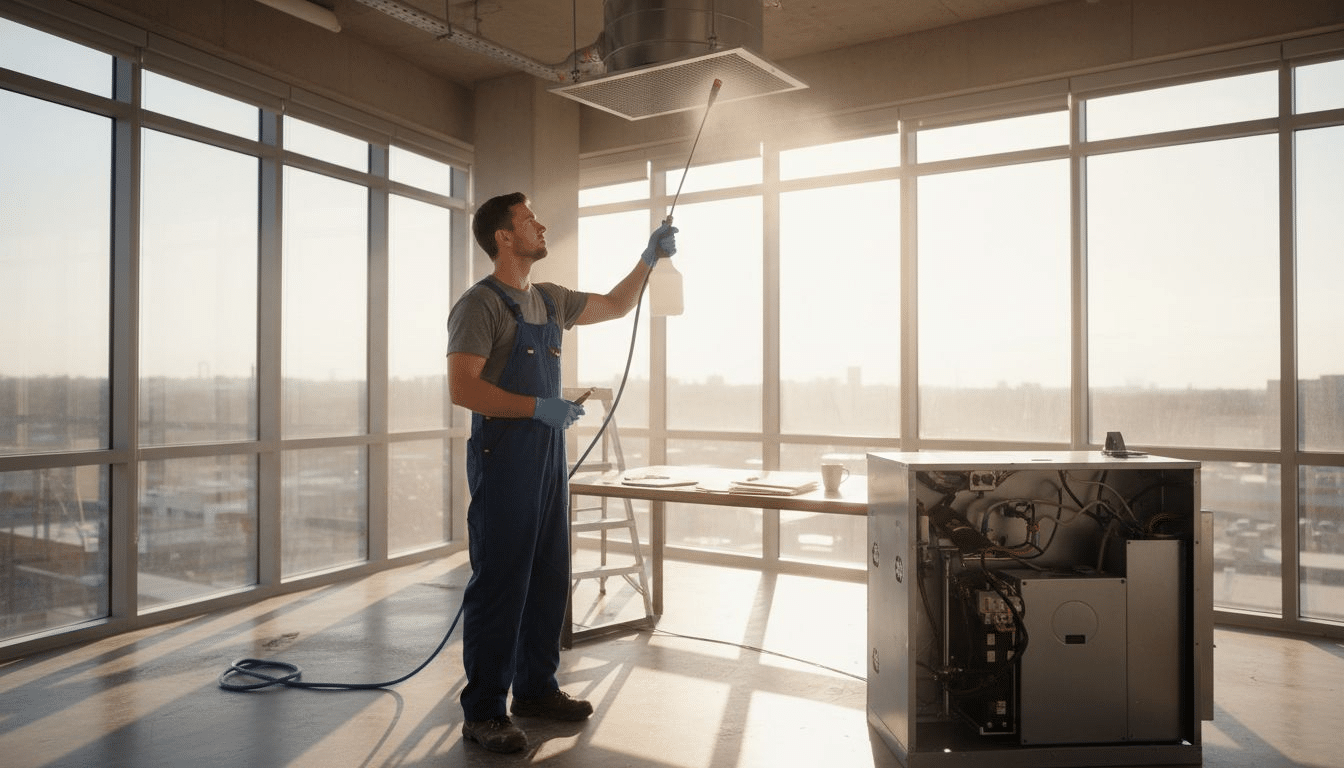
What Is HVAC Disinfection and Why It Matters
What is HVAC disinfection and why does it matter for properties in Dubai? Dubai homeowners and property managers know how persistent dust, humidity, and extreme heat can affect indoor living spaces. In this climate, regular AC maintenance alone does not fully prevent the spread of bacteria, mold, and viruses through air conditioning systems. True HVAC disinfection targets hidden contaminants within ducts and components, delivering healthier indoor air while protecting the luxury, comfort, and value you expect. Professional HVAC disinfection solutions go beyond basic cleaning, separating fact from fiction and safeguarding both your investment and overall well-being.
Table of Contents
Contents
- 1 Table of Contents
- 2 Key Takeaways
- 3 Defining HVAC Disinfection and Common Myths
- 4 Key Methods and Technologies Used
- 5 Critical HVAC Components for Disinfection
- 6 Benefits for Indoor Air Quality and Health
- 7 Professional vs. DIY: Choosing the Right Approach
- 8 Elevate Your Indoor Air Quality with Expert HVAC Disinfection
- 9 Frequently Asked Questions
- 10 Recommended
- Defining HVAC Disinfection and Common Myths
- Key Methods and Technologies Used
- Critical HVAC Components for Disinfection
- Benefits for Indoor Air Quality and Health
- Professional vs. DIY: Choosing the Right Approach
Key Takeaways
| Point | Details |
|---|---|
| Importance of Professional Disinfection | HVAC disinfection goes beyond basic maintenance; it requires specialized methods to effectively eliminate harmful microorganisms. Hiring certified professionals ensures a thorough and safe disinfection process. |
| Myth of DIY Disinfection | DIY disinfection can lead to equipment damage and inadequate pathogen elimination, creating health risks. Professional services are essential for proper treatment and verification. |
| Technology in Disinfection | Utilizing advanced technologies like UV-C and UVGI can significantly improve air quality by eliminating pathogens and enhancing energy efficiency. |
| Comprehensive Approach | Disinfection must target all HVAC components systematically for optimal air quality, addressing issues in coils, ducts, filters, and drainage systems. |
Defining HVAC Disinfection and Common Myths
HVAC disinfection refers to the comprehensive process of eliminating harmful microorganisms from your air conditioning system, including the ducts, coils, blowers, drainage trays, and filters. In Dubai’s climate, where heat and humidity create ideal conditions for microbial growth, this process goes far beyond basic vacuuming or filter changes. Professional disinfection removes accumulated dust, pollen, mold, bacteria, and viruses that circulate through your home or office, directly impacting the air quality you breathe every day. The difference between standard AC maintenance and true disinfection lies in the methodology, equipment, and specialized treatments used to achieve sterile, pathogen-free air systems.
One of the most damaging myths surrounding HVAC disinfection is that any household disinfectant or general-purpose cleaner can safely eliminate contaminants from your system. This misconception has led countless property managers and homeowners to inadvertently damage expensive equipment or leave harmful chemical residues in their ducts. When improper disinfection methods are applied, they can corrode aluminum coils, degrade seals, or create toxic fumes that spread throughout your living spaces. Another common myth suggests that disinfection is a simple, one-time task you can accomplish with a quick spray treatment. In reality, effective disinfection requires methodical dismantling of system components, deep cleaning of internal surfaces where biofilm accumulates, and application of hospital-grade biosanitizers proven to eliminate pathogens without harming your equipment or your health.
At SaniAC by Saniservice, our approach separates fact from fiction through rigorous, science-backed protocols. Our NADCA-certified technicians don’t rely on shortcuts or generic solutions. Each disinfection service involves detailed assessment, careful component isolation, chemical-free biosanitizers, and verification testing conducted through our in-house microbiology laboratory. Understanding these distinctions helps you recognize why professional disinfection from a qualified provider matters significantly more than consumer-grade alternatives. When exploring comprehensive AC disinfection services, you’re investing in verified results, not marketing promises.
Pro tip: Ask any disinfection provider whether their treatment is hospital-grade and whether they test their work through laboratory verification, not just visual inspection, to ensure your system is genuinely sanitized.
Key Methods and Technologies Used
HVAC disinfection employs several proven methodologies, each designed to target different sources of contamination within your system. The most advanced approach combines multiple technologies to ensure comprehensive protection. UV-C light disinfection represents one of the most effective solutions available today. This technology uses ultraviolet radiation to deactivate microorganisms by damaging their DNA, rendering bacteria, viruses, and mold spores harmless. In Dubai’s hot, humid climate, coils and drainage trays become breeding grounds for microbial growth, and UV-C light installation near these components provides continuous protection as air passes through your system. The germicidal effect is immediate and requires no chemical residues, making it particularly suitable for residential and commercial spaces where air quality directly affects occupant health.
UVGI (Ultraviolet Germicidal Irradiation) technology takes this concept further by neutralizing airborne pathogens as they circulate through your ducts. When air is exposed to germicidal UV-C light, it significantly reduces airborne bacteria, viruses, and mold spores before they reach your living spaces. Beyond pathogen elimination, UVGI technology delivers an unexpected bonus: it improves your system’s energy efficiency by reducing microbial fouling on components. Biofilm buildup on coils forces your system to work harder and consumes more electricity. By preventing this accumulation, UVGI maintains optimal airflow and reduces your cooling load during peak summer months. SaniAC by Saniservice combines UVGI installations with our chemical-free biosanitizers and hospital-grade disinfection protocols to create layered protection that addresses both active contamination and prevents future microbial growth.
Beyond UV technologies, effective disinfection involves deep component cleaning and application of hospital-grade biosanitizers. Our NADCA-certified technicians systematically dismantle your AC system, accessing internal surfaces where standard maintenance cannot reach. Specialized enzymatic and ionic biosanitizers eliminate biofilm without damaging aluminum coils, copper tubing, or rubber seals. This multi-stage approach differs fundamentally from spray treatments or filter replacements. The methodology requires expertise, precision equipment, and verification testing through microbiology laboratories to confirm pathogens have been eliminated. Your system receives a comprehensive reset rather than superficial treatment.
Pro tip: When evaluating disinfection providers, ask specifically whether they use UVGI technology or UV-C installations combined with chemical-free biosanitizers, as this combination provides both immediate pathogen elimination and long-term protection against future contamination.
Critical HVAC Components for Disinfection
Your air conditioning system contains multiple interconnected components, each serving a specific function but also each capable of harboring harmful microorganisms if neglected. Understanding which parts require disinfection helps you recognize why a thorough professional service differs from basic maintenance. The evaporator coils sit at the heart of your cooling process, absorbing heat from indoor air. In Dubai’s humid environment, moisture constantly condenses on these coils, creating the perfect breeding ground for mold and bacteria. Over time, microbial biofilm accumulates on coil surfaces, reducing heat transfer efficiency and circulating contaminated air throughout your home. Disinfecting evaporator coils eliminates this biofilm and restores optimal cooling performance. Similarly, condenser coils located in your outdoor unit accumulate dust, pollen, and microorganisms from the exterior air. These outdoor coils require specialized attention because they process unfiltered ambient air and can become severely contaminated.
The blower fan and motor assembly circulates conditioned air through your ducts into living spaces. Dust and microbial particles collect on fan blades, and if not properly cleaned, these contaminants spread throughout your property with every cooling cycle. Drainage trays and condensation lines represent another critical concern. Stagnant water in drip trays creates ideal conditions for mold and bacterial growth, producing musty odors that permeate your home. These drainage systems must be disinfected and kept flowing freely to prevent water accumulation. Your air ducts and registers serve as the distribution network for treated air. Over months and years, dust, pet dander, pollen, and microbial spores settle inside ducts. When examining proven methods for healthier HVAC systems, professional duct disinfection becomes essential for families with allergies, asthma, or compromised immune systems. Finally, filters and filter housings trap airborne particles but also accumulate microorganisms. Standard disposable filters capture only larger particles; bacteria and mold spores bypass them entirely, contaminating downstream components.
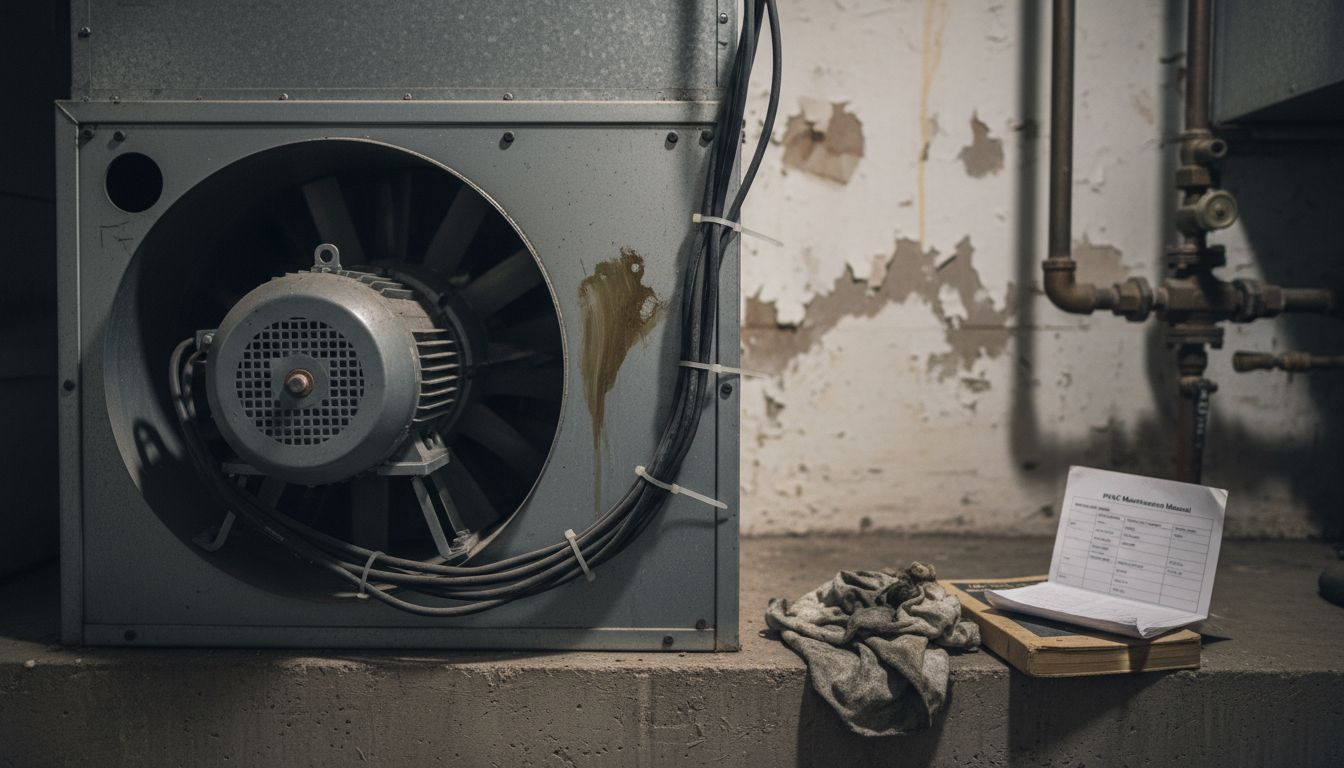
At SaniAC by Saniservice, our disinfection protocol addresses every single component systematically. Rather than focusing on one area, we understand that HVAC contamination is a system-wide issue requiring comprehensive treatment. Our NADCA-certified technicians dismantle accessible sections, apply hospital-grade biosanitizers to coils and blowers, flush drainage systems, and treat duct interiors. This methodical approach ensures no contamination source remains untreated, delivering genuinely clean air from start to finish.
Here’s a summary of key HVAC components targeted during professional disinfection and why each matters:
| Component | Main Risk | Impact on Air Quality |
|---|---|---|
| Evaporator coils | Mold, biofilm buildup | Reduces cooling, spreads spores |
| Condenser coils | Exterior dust, bacteria | Circulates outdoor pollutants |
| Blower fan & motor | Dust, bacteria | Distributes contaminants |
| Drainage trays | Stagnant water, mold | Causes odors, supports growth |
| Air ducts & registers | Dust, pollen, spores | Traps allergens, affects lungs |
| Filters & housings | Microorganism buildup | Partial pathogen capture |
Pro tip: Request a visual inspection report showing before and after photographs of your coils and blower components, as this tangible documentation proves whether disinfection was actually performed rather than just claimed.
Benefits for Indoor Air Quality and Health
HVAC disinfection fundamentally transforms the air circulating through your Dubai home or office, delivering measurable improvements to indoor air quality and occupant health. The connection between clean air systems and wellbeing extends far beyond comfort. When your AC system harbors mold, bacteria, and viral particles, every breath you take pulls contaminated air directly into your lungs. Professional disinfection eliminates these pathogens at the source, preventing them from spreading throughout your property. The result is noticeably cleaner air that reduces respiratory irritation, decreases allergy symptoms, and lowers your risk of airborne illness transmission. Families with children, elderly members, or individuals with asthma and allergies experience the most dramatic improvements after comprehensive HVAC disinfection. Your system stops acting as a contamination amplifier and becomes what it should be: a protective barrier between outdoor pollutants and your indoor environment.
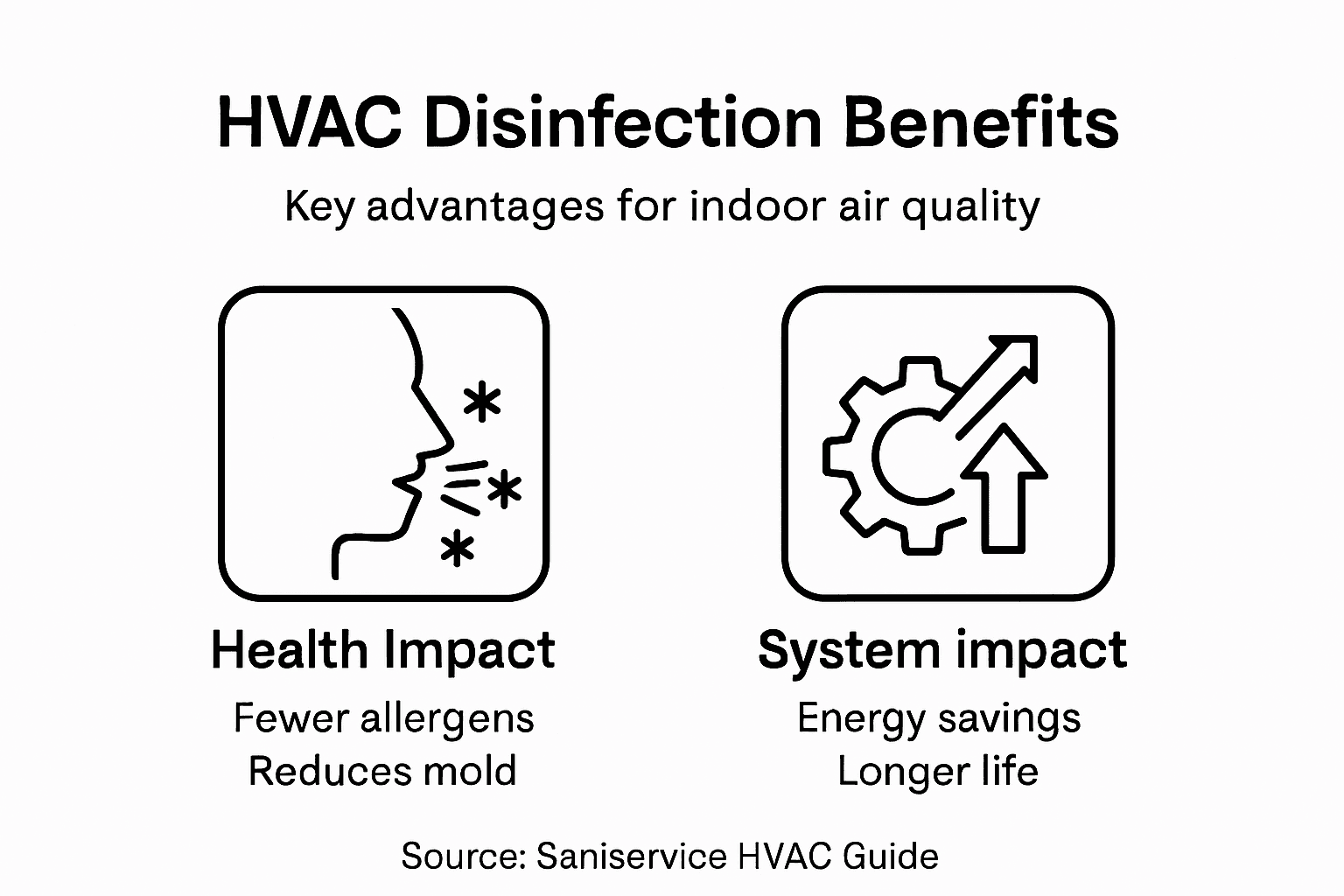
Beyond immediate symptom relief, UVGI disinfection technology creates healthier air by eradicating airborne pathogens and mold spores, thereby reducing disease transmission risks in high-occupancy spaces. This becomes particularly relevant in Dubai offices, schools, and commercial facilities where dozens of people share the same recirculated air. Research demonstrates that clean HVAC systems reduce sick days by 15 to 20 percent in office environments and decrease respiratory infections in residential settings. The productivity boost in commercial spaces is equally significant. When employees breathe clean air, they experience fewer headaches, better focus, and sustained energy throughout the workday. Students in schools with properly disinfected systems show improved concentration and attendance rates. These are not abstract benefits but measurable outcomes that directly impact your family’s quality of life and your organization’s operational efficiency.
Energy efficiency represents another unexpected but substantial benefit of HVAC disinfection. When biofilm accumulates on coils, your system must work significantly harder to move air and cool spaces, consuming 15 to 30 percent more electricity than a clean system. Disinfection removes this microbial buildup, restoring optimal airflow and reducing your monthly cooling costs during Dubai’s brutal summer months. Your system runs cooler, quieter, and with less strain on components, extending equipment lifespan by several years. This combination of health benefits, productivity gains, and financial savings explains why property managers increasingly prioritize HVAC disinfection as a core maintenance investment rather than an optional service.
Pro tip: Schedule HVAC disinfection annually before Dubai’s peak cooling season (April to May) to maximize health benefits during months when windows remain closed and air recirculation is highest.
Professional vs. DIY: Choosing the Right Approach
The temptation to tackle HVAC disinfection yourself is understandable, especially when filter replacements and basic cleaning seem straightforward enough. However, full system disinfection operates in an entirely different league. While some regular maintenance like filter replacement can be safely performed by homeowners, attempting comprehensive disinfection without proper expertise creates genuine risks to both your equipment and your health. Your AC system contains delicate aluminum coils, electrical components, refrigerant lines, and sensitive sensors that can be permanently damaged by incorrect cleaning methods, incompatible chemicals, or improper handling. One mistake during disinfection can result in thousands of dollars in repair costs or complete system replacement. Beyond equipment damage, DIY disinfection often fails to achieve actual pathogen elimination, leaving you with a false sense of security while harmful microorganisms continue circulating through your home.
Choosing professional HVAC disinfection ensures safe application of EPA-registered disinfectants and techniques that avoid corrosion, electrical damage, or chemical residue buildup. Professional technicians understand the chemical compatibility requirements for different component materials, the proper dilution ratios for various biosanitizers, and the precise application methods that eliminate pathogens without harming your system. They possess diagnostic equipment to assess your specific contamination levels, identify problem areas that visual inspection might miss, and verify through microbiology testing that disinfection actually achieved its objective. At SaniAC by Saniservice, our NADCA-certified technicians combine this expertise with hospital-grade equipment and our in-house microbiology laboratory, delivering results you can verify rather than hope for. The liability protection alone justifies professional service; if something goes wrong during a professional disinfection, the service provider carries responsibility and insurance coverage, whereas DIY mistakes fall entirely on you.
Consider this practical comparison: basic filter replacement remains your responsibility and falls within DIY capability, but anything involving system component access, chemical application, or pathogen verification belongs in professional hands. The investment in professional disinfection typically ranges from AED 1,500 to AED 3,500 depending on your system size and contamination level, but this cost is offset by extended equipment lifespan, reduced cooling expenses, and eliminated health risks. Your time is also valuable; a complete professional disinfection takes 4 to 6 hours of skilled labor, diagnostic testing, and documentation. Attempting this yourself would consume your entire weekend while delivering inferior results and risking expensive damage. Professional providers complete the work efficiently, document everything, and guarantee the quality of their service.
Compare the professional and DIY approaches to HVAC disinfection below:
| Aspect | Professional Service | Do-It-Yourself (DIY) |
|---|---|---|
| Pathogen removal | Laboratory-verified, thorough | Surface level, incomplete |
| Equipment safety | Trained, certified handling | Risk of damage |
| Health assurance | Hospital-grade sanitizers | Household cleaners only |
| Documentation | Photos, lab results, warranty | Visual self-inspection |
| Time required | 4-6 hours, skilled labor | Full weekend, novice effort |
Pro tip: Request detailed documentation of the disinfection process including component photographs, laboratory test results, and warranty information before hiring any provider, as thorough documentation separates legitimate professionals from those making unverified claims.
Elevate Your Indoor Air Quality with Expert HVAC Disinfection
Understanding what HVAC disinfection truly means reveals a critical challenge faced by many homeowners and property managers in Dubai: safely eliminating harmful mold, bacteria, and allergens from vital AC components like coils, ducts, and blowers. The article highlights common misconceptions and the importance of hospital-grade biosanitizers combined with UV-C technology for genuine pathogen removal and long-term protection. If you want to avoid costly equipment damage and health risks associated with DIY methods, professional service is essential.
Discover how Saniservice combines scientific precision and certified expertise to deliver thorough HVAC disinfection that restores your system’s safety and efficiency. Our NADCA-certified technicians dismantle and deep-clean every component using chemical-free treatments verified by our in-house microbiology laboratory. This ensures your AC system not only breathes cleaner air but also saves energy and extends its lifespan.
Take control of your indoor air quality today by exploring our proven methods through AC Cleaning & Maintenance – Saniservice AC Cleaning.
Experience the difference of expert HVAC disinfection with Saniservice. Visit us now at Saniservice and review real success stories at Case Studies – Saniservice AC Cleaning. Don’t wait until contaminants impact your health or your AC system’s performance. Book your comprehensive HVAC disinfection and breathe easier starting today.
Frequently Asked Questions
What is HVAC disinfection?
HVAC disinfection is the process of eliminating harmful microorganisms from your air conditioning system, including ducts, coils, and filters, ensuring better air quality in your home or office.
Why is HVAC disinfection important?
It is crucial because contaminated air systems can circulate mold, bacteria, and viruses, negatively impacting indoor air quality and occupant health. Professional disinfection helps prevent these issues.
Can I disinfect my HVAC system myself?
While basic maintenance like filter replacement can be done by homeowners, comprehensive disinfection requires specialized knowledge and techniques to avoid damaging the system and to ensure complete pathogen removal.
What technologies are used in professional HVAC disinfection?
Professional HVAC disinfection may involve advanced technologies like UV-C light disinfection and hospital-grade biosanitizers that effectively kill pathogens without harming the equipment or leaving harmful residues.
Recommended
- HVAC Component Disinfection: Ensuring Safe Air Quality
- HVAC Cleaning for Energy Efficiency: Proven Impact
- Best Air Duct Cleaning Companies Near Me – Expert Comparison 2025 – Saniservice AC Cleaning
- Improve HVAC Hygiene Without: 9 Proven Methods for Healthier Spaces
- HVAC SEO Services | Top Rankings & Local Leads
Related articles

Why Dubai’s Golfers Are Turning to Clean Air Between Rounds

Leave a Reply