

Indoor Allergens – How They Impact Healthy Homes
High humidity and tightly sealed spaces in Dubai villas create the perfect environment for invisible allergens to thrive. For homeowners aiming to safeguard their family’s health, the challenge goes beyond surface cleaning. Understanding what are indoor allergens—from dust mites to mold spores—unlocks smarter strategies for achieving cleaner, healthier air in every luxury living space. By learning what are indoor allergens and their hidden sources with unique characteristics, you can implement effective prevention methods to protect your family’s well-being.
Table of Contents
Contents
- 1 Table of Contents
- 2 Key Takeaways
- 3 Defining Indoor Allergens and Common Myths
- 4 Major Types of Indoor Allergens in Homes
- 5 Hidden Sources and Common Entry Points
- 6 Health Effects of Indoor Allergen Exposure
- 7 Effective Solutions to Minimize Allergens
- 8 Take Control of Indoor Allergens for a Healthier Home
- 9 Frequently Asked Questions
- 10 Recommended
- Defining Indoor Allergens and Common Myths
- Major Types of Indoor Allergens in Homes
- Hidden Sources and Common Entry Points
- Health Effects of Indoor Allergen Exposure
- Effective Solutions to Minimize Allergens
Key Takeaways
| Point | Details |
|---|---|
| Understanding Indoor Allergens | Indoor allergens, such as dust mites and pet dander, can thrive even in clean homes, especially in high-humidity areas like Dubai. |
| Debunking Common Myths | The presence of allergies is not necessarily indicative of poor cleaning, as these allergens often exist invisibly in various household settings. |
| Health Risks | Prolonged exposure to indoor allergens can lead to serious respiratory issues and other health complications, particularly for vulnerable populations. |
| Effective Management Strategies | Implementing HEPA filtration systems and maintaining humidity levels below 50% are key actions to minimize indoor allergen exposure. |
Defining Indoor Allergens and Common Myths
Indoor allergens represent complex microscopic particles that trigger respiratory reactions and immune responses in sensitive individuals. These invisible environmental contaminants proliferate within residential spaces, particularly in high-humidity regions like Dubai, where indoor air quality can significantly impact resident health.
Understanding indoor allergens requires recognizing their diverse origins and characteristics. Common indoor airborne allergens include:
- House dust mites
- Pet dander
- Mold spores
- Pollen particles
- Cockroach debris
- Microscopic fabric and carpet fragments
Contrary to popular misconception, the presence of indoor allergens does not necessarily indicate poor cleaning habits. Dust mites, for instance, thrive in humid environments and can populate even meticulously maintained homes. These microscopic arachnids reproduce rapidly in fabrics, bedding, and carpeted surfaces, producing waste particles that trigger allergic responses.
Several persistent myths surrounding indoor allergens require debunking. Indoor allergen sources are more complex than most residents understand. Homeowners often mistakenly believe that visible cleanliness equates to an allergen-free environment, which is fundamentally incorrect.
Indoor allergens are not always visible and can exist independently of apparent household cleanliness.
The geographic context of Dubai, with its unique climate and architectural characteristics, amplifies indoor allergen challenges. High-humidity environments combined with tightly sealed living spaces create ideal conditions for allergen proliferation.
Pro tip: Invest in high-quality air purification systems and maintain consistent humidity levels below 50% to minimize indoor allergen accumulation.
Major Types of Indoor Allergens in Homes
Indoor allergens represent a complex ecosystem of microscopic particles that significantly impact respiratory health in residential environments. Major indoor allergen categories encompass a wide range of biological contaminants that can trigger allergic reactions and respiratory complications.
The primary types of indoor allergens include:
- Dust mites: Microscopic arachnids thriving in fabrics and bedding
- Pet dander: Microscopic skin cells and hair from cats, dogs, and other animals
- Mold spores: Fungal reproductive particles that proliferate in humid environments
- Cockroach debris: Waste particles and exoskeleton fragments
- Rodent allergens: Microscopic particles from mouse and rat habitats
Dust mites represent a particularly challenging indoor allergen, as they reproduce rapidly in warm, humid spaces like Dubai’s residential environments. These microscopic creatures feed on dead skin cells and produce waste particles that are potent triggers for allergic responses.

Indoor allergen research00957-1/fulltext) demonstrates that each allergen type possesses unique characteristics and habitation patterns. Cockroach allergens, for instance, are commonly found in kitchen areas and can persist even after thorough cleaning, while pet dander can circulate through air conditioning systems.
Here’s a comparison of major indoor allergens and their unique challenges in Dubai homes:
| Allergen Type | Unique Challenge | Primary Location |
|---|---|---|
| Dust mites | Thrive in humidity, hard to detect | Bedding and fabrics |
| Pet dander | Circulates via AC systems | Air ducts, soft furniture |
| Mold spores | Spread rapidly in moist settings | Bathroom, kitchen walls |
| Cockroach debris | Remain despite cleaning efforts | Kitchen areas, cupboards |
| Rodent allergens | Persist in hidden nests | Hidden gaps, basements |
Not all indoor allergens are visible, making comprehensive detection and management crucial for maintaining healthy living spaces.
The geographic context of Dubai, with its high-humidity climate and tightly sealed living spaces, creates an ideal environment for indoor allergen proliferation. Understanding these diverse allergen types enables residents to implement targeted strategies for improving indoor air quality.
Pro tip: Conduct regular professional air quality assessments and invest in high-efficiency particulate air (HEPA) filtration systems to effectively minimize indoor allergen exposure.
Hidden Sources and Common Entry Points
Indoor allergens are masters of concealment, infiltrating homes through multiple often-overlooked pathways. Hidden allergen sources represent a complex network of entry points that extend far beyond typical expectations, particularly in Dubai’s unique residential environments.
Common entry points and hidden sources include:
- Building structural gaps: Microscopic cracks in walls, windows, and foundations
- Ventilation systems: Air conditioning ducts and poorly maintained filters
- Household textiles: Carpets, curtains, upholstered furniture
- Personal transportation: Clothing, shoes, and bags brought from external environments
- Household pests: Cockroaches, rodents leaving microscopic debris
Moisture-rich environments serve as prime breeding grounds for allergens. Indoor environmental factors demonstrate that areas with high humidity and poor ventilation create optimal conditions for allergen proliferation, especially in regions with climates similar to Dubai.
Invisible does not mean insignificant: Allergens can thrive in spaces undetectable to the naked eye.
In Dubai’s residential landscapes, air conditioning systems often become unexpected allergen distribution networks. Poorly maintained units can circulate microscopic particles throughout living spaces, transforming what should be a comfort zone into an allergen superhighway.
The complex interaction between external environments and indoor spaces means allergens continuously navigate sophisticated entry routes. Microscopic particles can enter through seemingly impenetrable barriers, highlighting the importance of comprehensive indoor air management strategies.
The table below summarizes common hidden entry points for indoor allergens and recommended controls:
| Entry Point | How Allergens Enter | Suggested Control |
|---|---|---|
| Structural gaps | Cracks in walls/windows | Seal all openings with caulk |
| HVAC systems | Poor filter maintenance | Clean/replace filters regularly |
| Household textiles | Traps fine particles | Wash fabrics weekly |
| Personal belongings | Carry outdoor particles | Leave shoes/clothing at entry |
| Household pests | Pest droppings, debris | Schedule routine pest inspections |
Pro tip: Implement a comprehensive “decontamination zone” near home entrances, including shoe removal, clothing changing, and immediate laundering to minimize allergen introduction.
Health Effects of Indoor Allergen Exposure
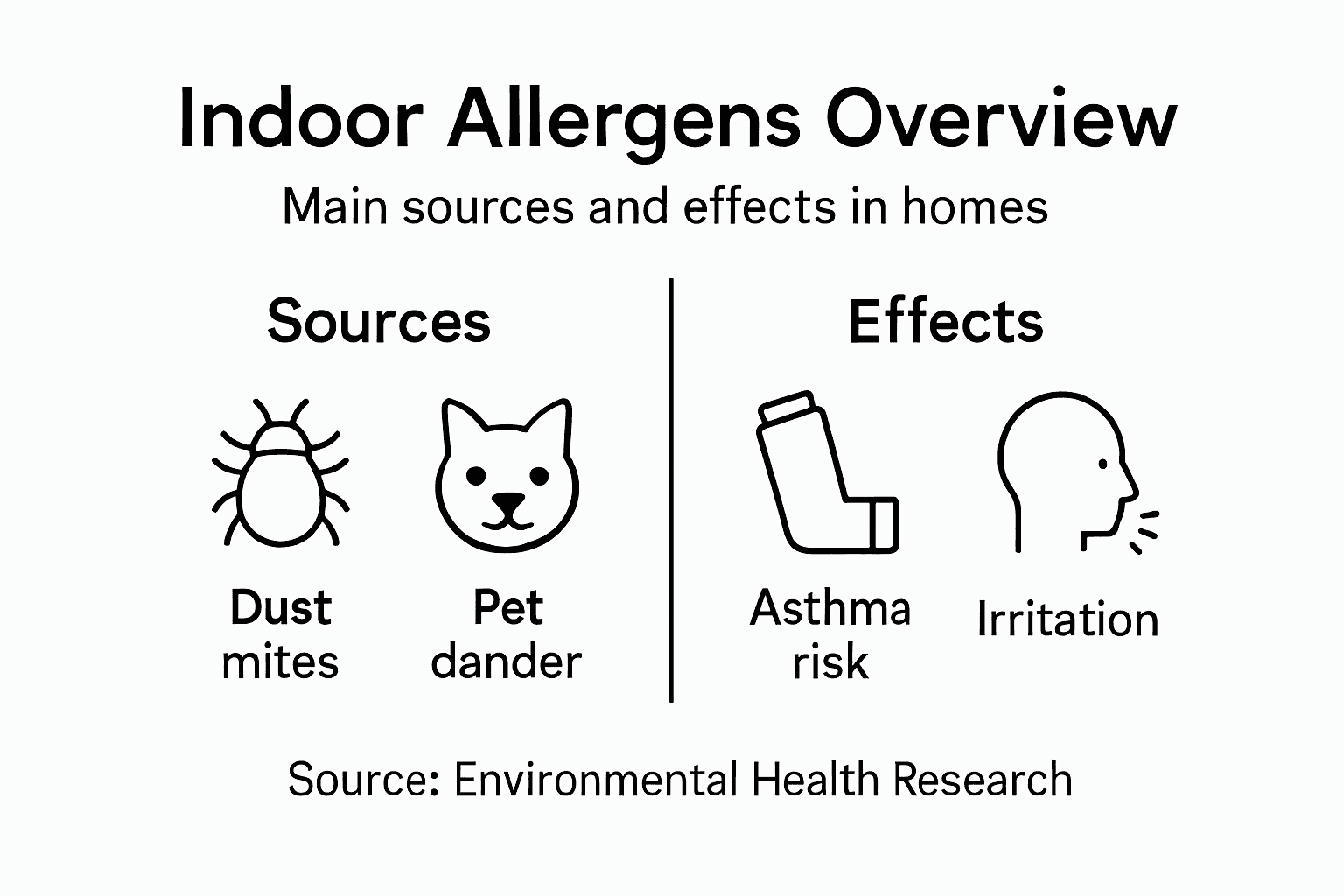
Indoor allergen exposure represents a significant health challenge for Dubai residents, with potential consequences extending far beyond temporary discomfort. Respiratory disease risks demonstrate that prolonged allergen interactions can trigger substantial physiological responses.
The primary health effects of indoor allergen exposure include:
- Respiratory complications: Asthma attacks and chronic wheezing
- Immune system stress: Persistent inflammatory responses
- Neurological impacts: Potential cognitive function disruption
- Sleep disturbances: Breathing difficulties interrupting rest
- Long-term cellular damage: Potential chronic inflammatory conditions
Vulnerable populations, including children and individuals with pre-existing respiratory conditions, face heightened risks. Allergen exposure consequences indicate that chronic exposure can lead to progressive airway inflammation and increased healthcare interventions.
Individual sensitivity determines the severity of allergic reactions, making personalized indoor air management crucial.
In Dubai’s unique climate, the combination of high humidity and tightly sealed living spaces creates an environment where allergens can proliferate rapidly. Air conditioning systems, if not properly maintained, can become sophisticated distribution networks for microscopic irritants, transforming comfort zones into potential health hazards.
The complex interaction between individual immune responses and environmental triggers means that allergen exposure is not a one-size-fits-all health concern. Genetic predispositions, existing health conditions, and environmental factors all play intricate roles in determining potential health outcomes.
Pro tip: Implement annual professional indoor air quality assessments and maintain rigorous HEPA filtration systems to minimize potential long-term health risks associated with allergen exposure.
Effective Solutions to Minimize Allergens
Addressing indoor allergens requires a comprehensive, strategic approach tailored to Dubai’s unique residential environments. Allergen reduction strategies demonstrate that targeted interventions can significantly improve indoor air quality and reduce health risks.
Key strategies for minimizing allergens include:
- HEPA filtration systems: Capture microscopic particles efficiently
- Humidity control: Maintain indoor humidity below 50%
- Regular cleaning protocols: Use microfiber cloths and specialized vacuums
- Bedding management: Use allergen-proof covers and wash frequently
- Ventilation improvements: Enhance air circulation and filtration
- Pest management: Implement professional pest control measures
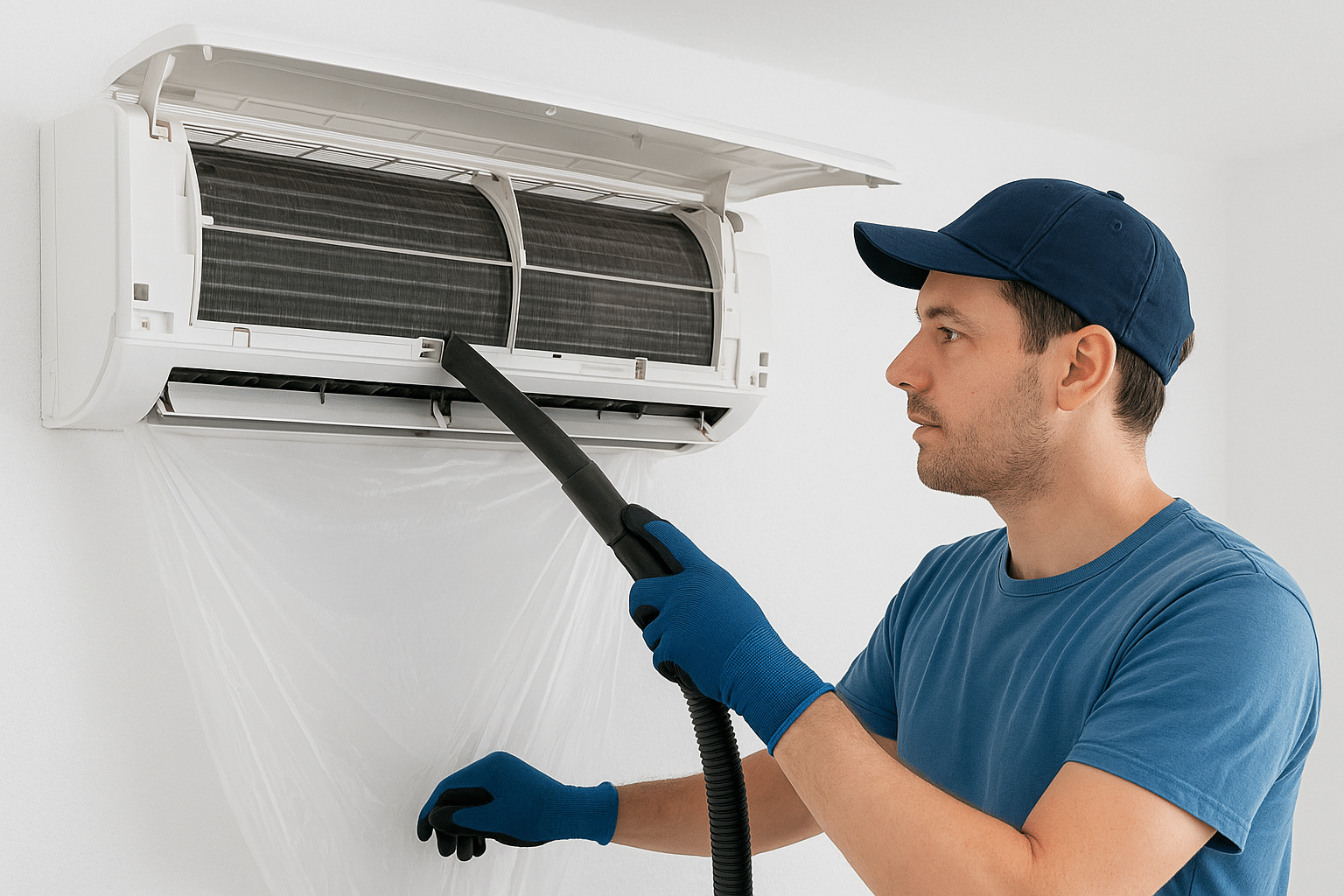
Air conditioning maintenance plays a critical role in allergen management. Indoor environmental interventions highlight that comprehensive cleaning of HVAC systems can dramatically reduce allergen distribution in enclosed spaces.
Personalized and consistent allergen management strategies yield the most effective long-term results.
In Dubai’s high-humidity climate, specialized approaches are essential. Tightly sealed living spaces and air conditioning systems can inadvertently become sophisticated allergen distribution networks if not properly maintained.
The complexity of allergen reduction requires a multifaceted approach. Genetic predispositions, existing health conditions, and specific environmental factors all influence the effectiveness of intervention strategies.
Pro tip: Conduct professional indoor air quality assessments every six months and implement a comprehensive, customized allergen reduction plan specific to your home’s unique environmental conditions.
Take Control of Indoor Allergens for a Healthier Home
Indoor allergens such as dust mites, mold spores, and pet dander pose serious health risks in tightly sealed, high-humidity homes like those common in Dubai. These microscopic irritants often hide in air conditioning systems, upholstery, and hidden entry points, triggering respiratory issues and chronic inflammation. To protect your loved ones and improve air quality, expert intervention is essential.
Saniservice offers scientifically proven professional air conditioning cleaning and disinfection that targets these allergens at their source. With NADCA-certified technicians and hospital-grade, chemical-free biosanitisers, we deep-clean every AC component to eradicate mold, bacteria, and allergens, transforming your living environment. Do not let invisible allergens compromise your family’s health. Discover how our cutting-edge, Swiss-quality indoor hygiene solutions can make your home safer and more comfortable by visiting Saniservice. Start your journey to healthier air today with professional AC cleaning designed specifically for Dubai’s unique climate and allergen challenges.
Frequently Asked Questions
What are the most common indoor allergens?
Indoor allergens often include dust mites, pet dander, mold spores, pollen particles, cockroach debris, and rodent allergens. Each of these allergens can significantly impact respiratory health, especially in sensitive individuals.
How can I minimize indoor allergens in my home?
To minimize indoor allergens, consider using HEPA filtration systems, maintaining indoor humidity below 50%, implementing regular cleaning protocols, using allergen-proof bedding, and ensuring proper ventilation. Professional pest control measures are also recommended to manage household pests effectively.
What health effects can indoor allergens cause?
Exposure to indoor allergens can lead to respiratory complications like asthma attacks, immune system stress, sleep disturbances, and potential long-term health effects such as chronic inflammatory conditions and what are indoor allergens are. Vulnerable populations, such as children and individuals with pre-existing conditions, are at greater risk.
How often should I conduct air quality assessments in my home?
It is advisable to conduct professional indoor air quality assessments every six months to identify and mitigate allergen sources effectively. Regular assessments can help maintain a healthy living environment and reduce the risk of allergen-related health issues.


Leave a Reply