


Controlling Humidity Levels To Prevent Mold Growth
Understanding Mold and Humidity
Contents
- 1 Understanding Mold and Humidity
- 2 Why Controlling Humidity is Important for Preventing Mold
- 3 How to Control Indoor Humidity Levels
- 4 Preventing Mold Growth Inside AC Systems
- 5 Cost Considerations and Pricing Guide for Controlling Humidity
- 6 Expert Tips for Controlling Humidity Levels to Prevent Mold Growth Inside
- 7 FAQ on Humidity Control and Mold Prevention
- 8 Conclusion
Mold thrives in environments with high moisture content. In Dubai’s climate, where humidity levels can be consistently high due to the hot desert air and occasional rainfall, it’s essential to understand how controlling humidity levels to prevent mold growth inside impacts indoor air quality.
Mold Growth and Humidity Relationship
Molds are fungi that can grow on damp surfaces in any part of a building. They require moisture, nutrients from organic materials such as wood or dust, and warm temperatures to thrive. In Dubai’s climate, the high humidity levels provide an ideal environment for mold growth.
Why Controlling Humidity is Important for Preventing Mold
Controlling indoor humidity helps prevent not only mold but also a host of other issues that can arise from excessive moisture. These include:
- Health Risks: Exposure to mold spores can lead to respiratory problems, allergies, and asthma.
- Mold Damage: Mold can cause structural damage to buildings by rotting wood, fabrics, and other materials.
- HVAC System Issues: High humidity levels can overload AC systems, leading to decreased efficiency and increased energy costs.
To address these concerns, it’s crucial to maintain indoor humidity within a safe range. The recommended relative humidity (RH) level for most buildings is between 30-60%. In Dubai, where the climate can be challenging, maintaining this range requires careful monitoring and management of indoor moisture.
How to Control Indoor Humidity Levels
Controlling indoor humidity involves a combination of prevention and active management. Here are several strategies:
- Ventilation: Proper ventilation can help remove excess moisture from the air, particularly in areas prone to high humidity like bathrooms and kitchens.
- Humidifiers and Dehumidifiers: Using both humidifiers and dehumidifiers can help maintain a balanced indoor environment. Humidifiers add moisture during dry periods, while dehumidifiers remove excess moisture when levels are too high.
- Air Conditioning Maintenance: Regular AC maintenance, including deep cleaning and disinfection, ensures that systems operate efficiently, reducing the risk of mold growth inside ducts and components.
In addition to these methods, it’s essential to address sources of moisture that can contribute to high humidity levels. Leaky pipes, condensation from windows, and water leaks should be promptly repaired to prevent mold from taking hold in hidden areas. This relates directly to Controlling Humidity Levels To Prevent Mold Growth Inside.
Preventing Mold Growth Inside AC Systems
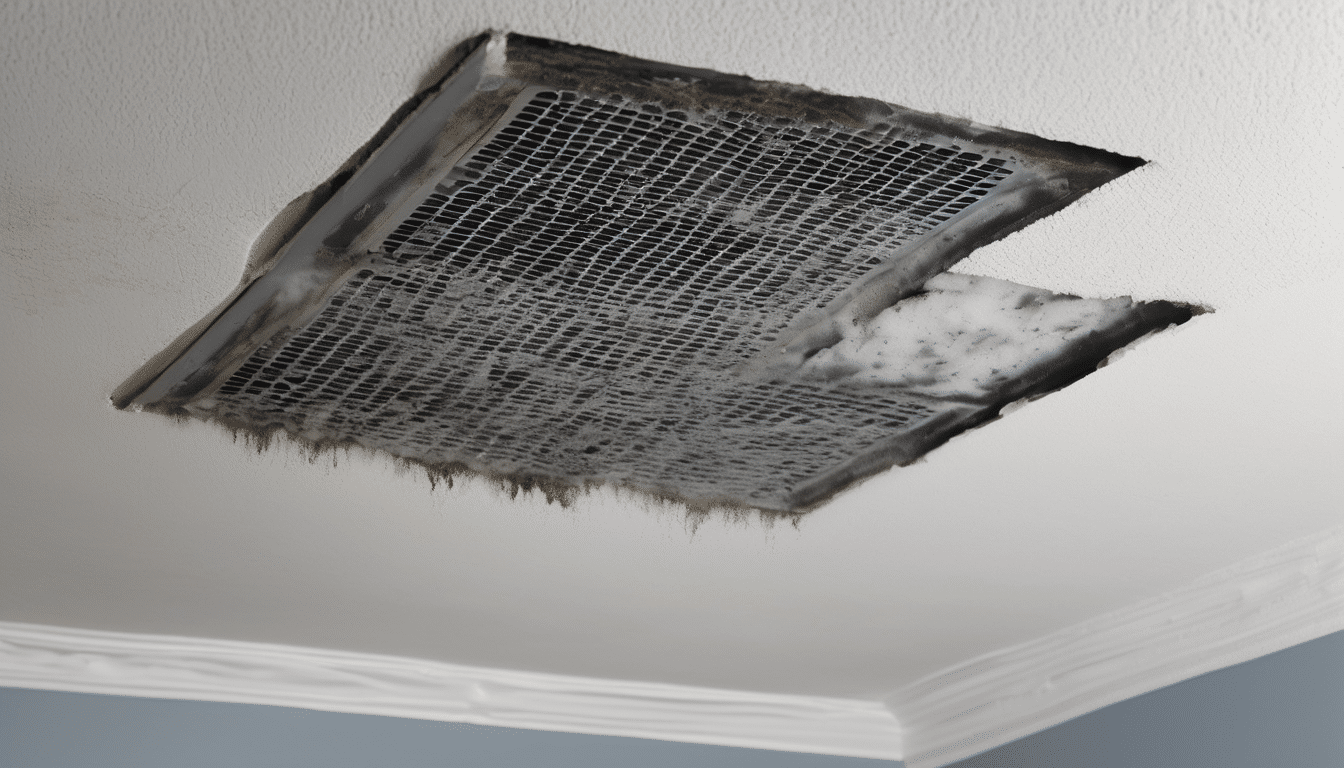
Air conditioning systems play a critical role in maintaining indoor comfort. However, they can also become breeding grounds for mold if not properly maintained. Here are some steps to prevent mold growth inside AC systems:
- Regular Duct Cleaning: Deep cleaning of air ducts and components removes accumulated dust, debris, and moisture that can lead to mold formation.
- Disinfection: Using appropriate disinfectants can kill existing mold spores and prevent new ones from developing. It’s important to choose human-safe chemicals for occupied spaces.
- Moisture Control: Ensuring that AC systems are adequately dehumidified during operation helps reduce the risk of moisture buildup inside components.
Regular inspection and maintenance of HVAC systems can also identify potential issues before they escalate into mold problems. This includes checking for leaks, proper drainage, and ensuring that all parts operate within their design parameters.
Cost Considerations and Pricing Guide for Controlling Humidity
The cost of controlling humidity levels to prevent mold growth can vary depending on the size of your property and the methods you choose. Here’s a breakdown of some common expenses:
| Expense Category | Description | AED Estimated Cost Range (per year) |
|---|---|---|
| Ventilation | Installing and maintaining a whole-house ventilation system. | AED 1,000 – AED 5,000 |
| Humidifiers & Dehumidifiers | Purchasing and operating humidifiers and dehumidifiers. | AED 300 – AED 2,000 (depending on size) |
| AC Maintenance | Professional AC cleaning, disinfection, and maintenance services. | AED 1,500 – AED 4,000 per year |
| Repair & Repairs | Fixing leaks or other moisture-related issues in the building. | AED 2,000 – AED 10,000 (varies by issue) |
The total annual cost of controlling humidity can range from AED 3,300 to AED 17,000, depending on the specific needs and methods employed. It’s important to invest in these measures to prevent long-term damage and maintain a healthy indoor environment.
Expert Tips for Controlling Humidity Levels to Prevent Mold Growth Inside
Here are some expert tips to ensure effective humidity control:
- Regular Inspections: Schedule regular inspections of your HVAC systems and indoor areas for moisture issues.
- Proper Duct Sealing: Ensure that all ducts and connections are properly sealed to prevent air leaks, which can increase humidity levels.
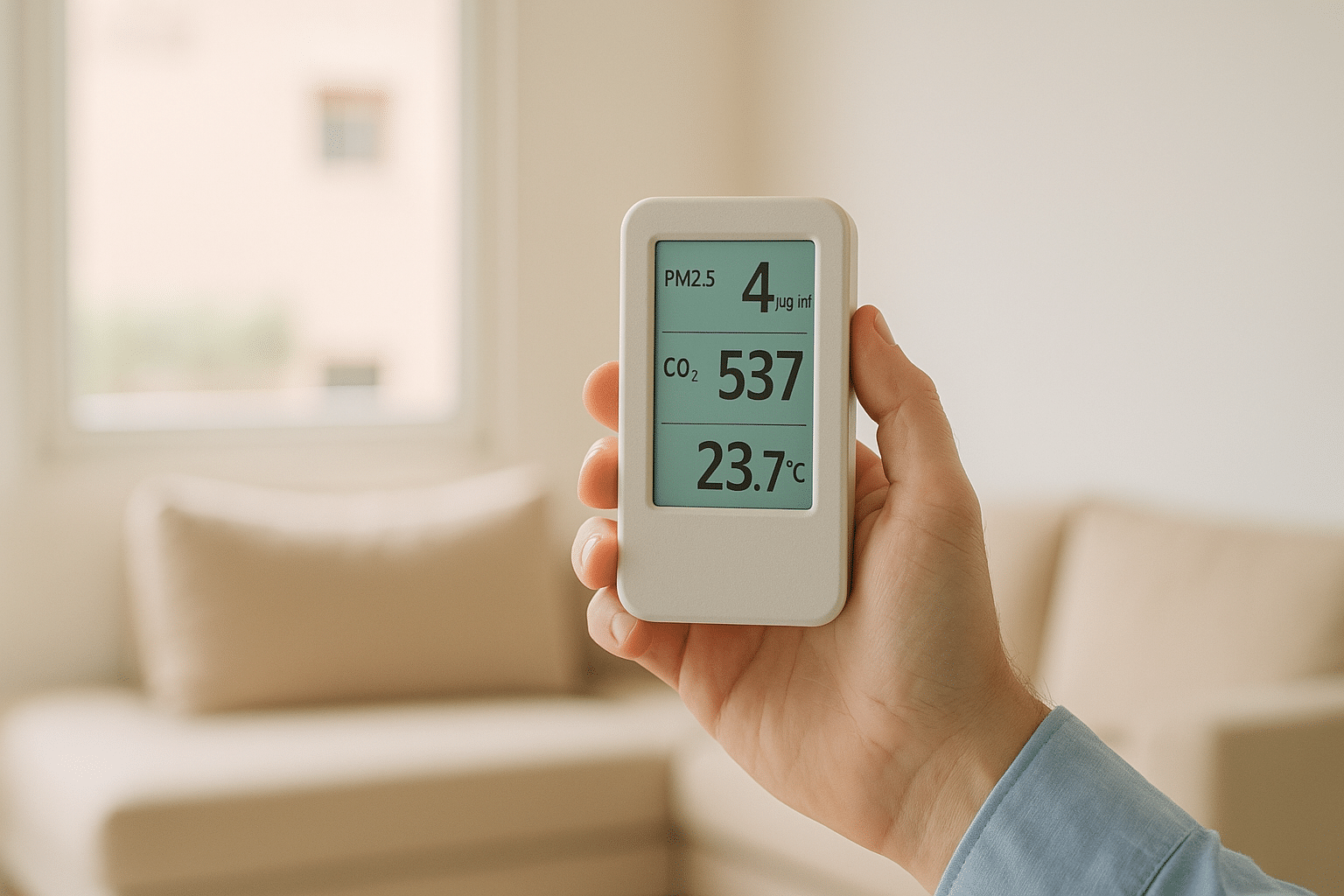
- Use Humidity Monitors: Install a digital hygrometer to monitor indoor humidity levels and make adjustments as needed.
- Pet and Plant Management: Keep pets away from areas prone to moisture and manage indoor plants carefully, as they can contribute to high humidity.
FAQ on Humidity Control and Mold Prevention
Here are some common questions regarding controlling humidity levels in buildings:
- Q: How often should I have my AC system cleaned?
- A: It’s recommended to have your AC system professionally cleaned every six months, especially if you live in a humid climate like Dubai.
Q: Can a dehumidifier be used year-round?
A: Yes, using a dehumidifier can help maintain optimal humidity levels throughout the year. However, it’s essential to choose an energy-efficient model for cost savings.
Q: Are there any DIY methods to control indoor humidity?
A: While some DIY methods like using baking soda or silica gel can help temporarily reduce moisture, professional solutions are often more effective and safer in the long run.
Conclusion
Controlling humidity levels to prevent mold growth inside AC systems and buildings is a crucial aspect of maintaining indoor air quality. By understanding the relationship between mold and humidity, implementing practical strategies, and investing in regular maintenance, you can create a healthier living environment. Remember that professional services play a vital role in ensuring optimal conditions, especially in challenging climates like Dubai’s.
Stay proactive about controlling humidity to prevent mold growth and enjoy a cleaner, more comfortable indoor space year-round. Understanding Controlling Humidity Levels To Prevent Mold Growth Inside is key to success in this area.


Leave a Reply