


7 Ways to Improve Home Air Quality Naturally
Most luxury villa owners in Dubai rarely realize that indoor air can be up to five times more polluted than outdoor air according to American environmental studies. When fine dust, allergens, and humidity build up inside, your health and comfort quickly suffer. This guide brings together proven strategies every Dubai homeowner can use to achieve fresher air, fewer allergies, and a safer indoor environment for their families.
Table of Contents
Contents
- 1 Table of Contents
- 2 Quick Summary
- 3 1. Keep Windows Open for Fresh Air Circulation
- 4 2. Clean and Replace Air Filters Regularly
- 5 3. Invest in Professional AC Cleaning Services
- 6 4. Reduce Indoor Sources of Dust and Allergens
- 7 5. Use Natural Air Purifying Plants Indoors
- 8 6. Maintain Ideal Humidity Levels at Home
- 9 7. Choose Chemical-Free Cleaning Products
- 10 Take Control of Your Home’s Air Quality with Expert AC Cleaning
- 11 Frequently Asked Questions
- 11.0.1 How can I improve indoor air quality naturally?
- 11.0.2 What are some effective air-purifying plants to use indoors?
- 11.0.3 How often should I replace my air filters for better air quality?
- 11.0.4 What humidity level is best for indoor air quality?
- 11.0.5 How can I reduce dust and allergens in my home?
- 11.0.6 What are safe alternatives to chemical cleaning products?
- 12 Recommended
- Keep Windows Open For Fresh Air Circulation
- Clean And Replace Air Filters Regularly
- Invest In Professional Ac Cleaning Services
- Reduce Indoor Sources Of Dust And Allergens
- Use Natural Air Purifying Plants Indoors
- Maintain Ideal Humidity Levels At Home
- Choose Chemical-Free Cleaning Products
Quick Summary
| Key Insight | Explanation |
|---|---|
| 1. Open Windows for Ventilation | Open windows to create cross ventilation and reduce indoor pollutants effectively. Choose early mornings and late evenings for optimal air flow in Dubai’s climate. |
| 2. Regularly Clean Air Filters | Clean air filters every two months to enhance air quality and improve HVAC efficiency. Use high-quality filters for better allergen capture. |
| 3. Schedule Professional AC Cleanings | Arrange for professional cleaning of your AC system to eliminate hidden pollutants and improve air quality. This extends the lifespan of your system as well. |
| 4. Reduce Dust Sources | Minimize indoor allergens and dust by using washable materials and HEPA filter vacuums. Regular cleaning of areas prone to dust can significantly improve air quality. |
| 5. Use Air Purifying Plants | Incorporate plants like snake plants and peace lilies to naturally filter air and remove harmful toxins. Proper placement and care enhance their effectiveness. |
1. Keep Windows Open for Fresh Air Circulation
Breathing clean air starts right at home with one simple yet powerful strategy: opening your windows. In Dubai’s climate, where indoor spaces can quickly become stagnant, strategic window ventilation is key to maintaining healthy indoor air quality.
Proper air circulation is more than just a refreshing breeze. Research from the National Center for Healthy Housing demonstrates that ventilation is a primary method for reducing health hazards associated with poor indoor air environments. When you open windows, you create a natural exchange that helps dilute and remove indoor pollutants, allergens, and excess humidity.
Implementing this strategy requires some smart planning. Focus on cross ventilation by opening windows on opposite sides of your living space. This creates air movement that effectively pushes out stale air and introduces fresh outdoor air. Early mornings and late evenings in Dubai offer the best temperatures for maximum air exchange without excessive heat.
Key Benefits of Window Ventilation:
- Reduces indoor allergen concentration
- Controls humidity levels
- Eliminates trapped chemical gases
- Minimizes bacterial and viral transmission
Pro tip: Install lightweight mesh screens on your windows to allow airflow while preventing dust and insects from entering your living space.
2. Clean and Replace Air Filters Regularly
Your home’s air filters are the unsung heroes of indoor air quality, acting as critical barriers against airborne pollutants and allergens. Keeping these filters clean and replacing them at appropriate intervals is a simple yet powerful strategy for maintaining a healthier living environment.
Research from the American Lung Association highlights that using high-quality filters with MERV ratings between 11 and 13 can significantly improve indoor air filtration. These specialized filters capture microscopic particles more effectively than standard options, reducing allergens, dust, and potential respiratory irritants without compromising airflow.
Most homeowners should aim to replace their HVAC and air conditioning filters approximately every two months. However, this timeline can vary depending on specific factors like household size, pet presence, local dust levels, and overall indoor air pollution. Homes with multiple pets, smokers, or located in dusty environments might require more frequent filter changes.
Key Signs You Need to Replace Your Air Filter:
- Visible dust accumulation on filter surface
- Reduced airflow from vents
- Increased energy consumption by HVAC system
- Unexplained respiratory irritation or allergies
Pro tip: Set a digital calendar reminder for filter replacement and purchase multiple filters in advance to ensure you always have a clean replacement ready.
3. Invest in Professional AC Cleaning Services
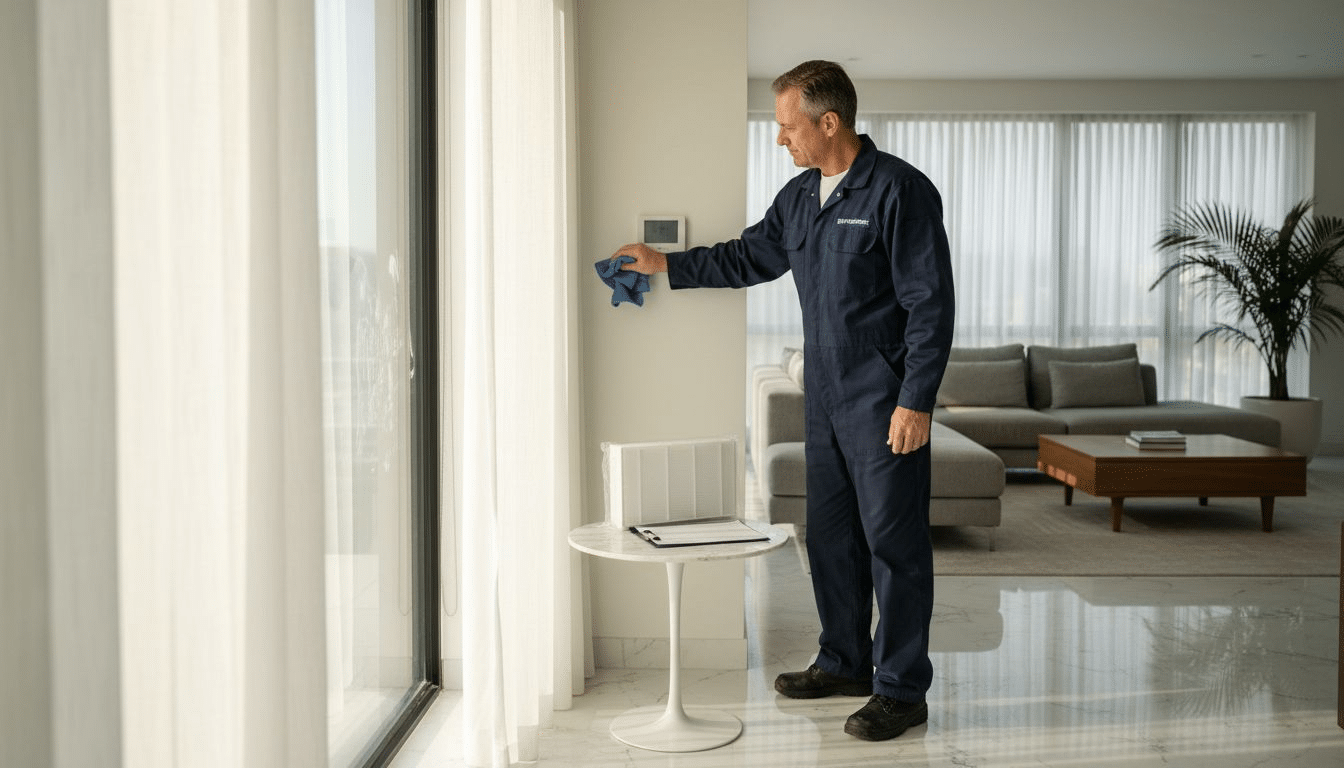
Your air conditioning system is more than just a cooling appliance it is the respiratory system of your home. Professional AC cleaning services are critical for maintaining healthy indoor air quality and preventing potential health risks associated with contaminated HVAC systems.
Indoor environmental consultants emphasize the importance of professional cleaning as a strategic approach to identifying and mitigating hidden air quality issues. Certified professionals possess specialized equipment and expertise to thoroughly clean areas that are typically inaccessible during routine maintenance.
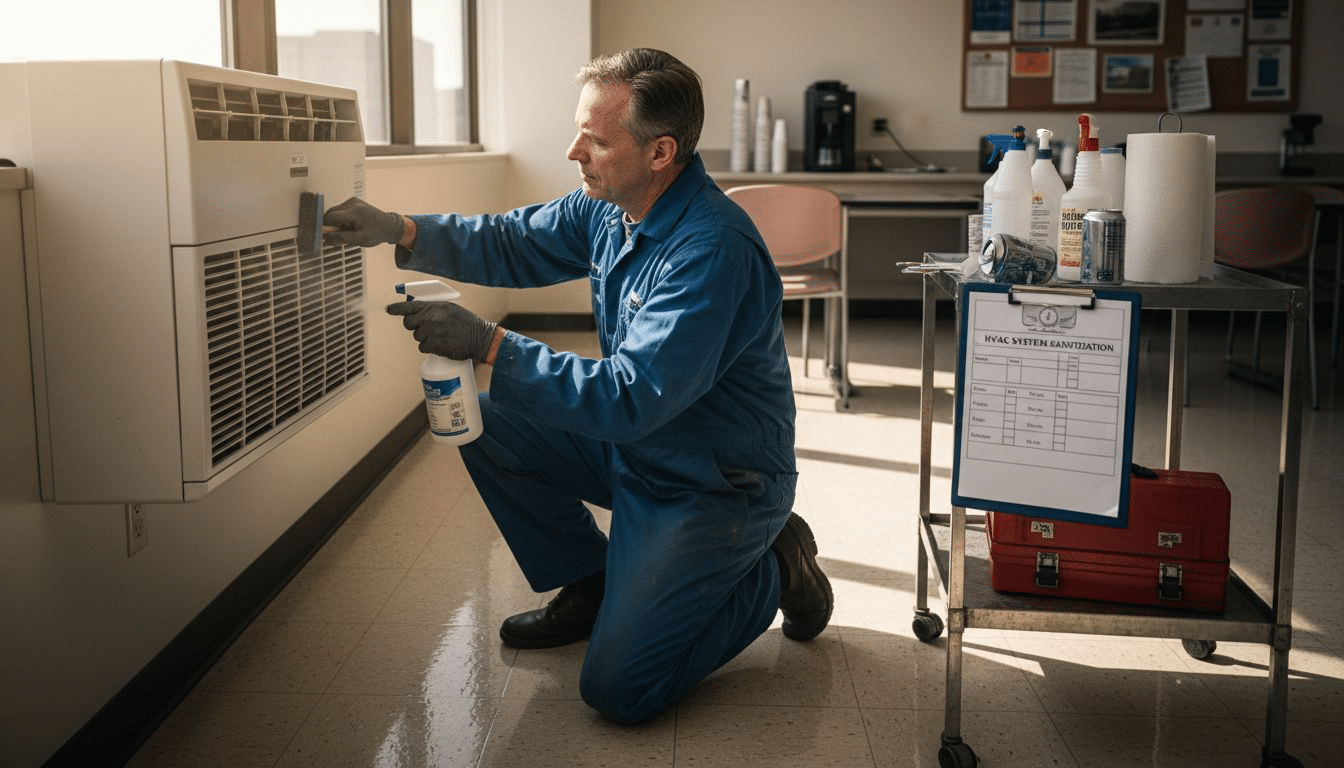
Air conditioning systems accumulate microscopic contaminants over time including dust, mold spores, bacteria, and allergens that circulate through your living spaces. Professional cleaning involves comprehensive processes like deep cleaning of air ducts, disinfecting cooling coils, removing biofilm, and sanitizing drainage systems. These targeted interventions significantly reduce airborne pollutants and improve overall indoor air quality.
Key Benefits of Professional AC Cleaning:
- Eliminates hidden microbial growth
- Improves overall HVAC system efficiency
- Reduces respiratory health risks
- Extends equipment lifespan
- Enhances indoor air circulation
Pro tip: Schedule professional AC cleaning during seasonal transitions to ensure optimal system performance and maintain peak indoor air quality throughout the year.
4. Reduce Indoor Sources of Dust and Allergens
Your home might look clean, but invisible dust and allergen sources could be silently compromising your indoor air quality. Understanding and systematically reducing these microscopic invaders is crucial for maintaining a healthy living environment.
Allergy experts recommend comprehensive strategies for minimizing indoor allergen exposure. Dust mites, pet dander, and microscopic debris accumulate in fabrics, carpets, and hidden spaces, creating potential respiratory challenges for your family.
Targeted approaches can dramatically reduce allergen levels. Focus on strategic modifications like replacing wall-to-wall carpeting with hardwood or tile floors, using washable area rugs, and selecting furniture with smooth surfaces that do not trap dust. Upholstered furniture and heavy drapes are prime dust collection zones that require regular deep cleaning or replacement.
Key Strategies for Reducing Indoor Allergens:
- Use HEPA filter vacuums weekly
- Wash bedding in hot water
- Minimize soft furnishings
- Keep pets out of bedrooms
- Use allergen-proof mattress covers
- Clean hard surfaces frequently
- Reduce indoor humidity levels
Pro tip: Create a weekly cleaning schedule that specifically targets dust-prone areas and invest in microfiber cleaning tools that trap dust more effectively than traditional cloths.
5. Use Natural Air Purifying Plants Indoors
Indoor plants are not just decorative elements but powerful natural air purification systems that can transform your living environment. These green allies work silently to absorb harmful pollutants and improve overall air quality in your home.
Scientific research demonstrates that certain plant species can effectively remove volatile organic compounds through a process called phytoremediation. The leaves and roots of these plants act like natural filters, metabolizing and neutralizing airborne toxins that conventional cleaning methods might miss.
Selecting the right plants is crucial for maximizing air purification benefits. Species like snake plants, peace lilies, spider plants, and English ivy are particularly effective at targeting indoor pollutants such as formaldehyde, benzene, and xylene. These plants not only clean the air but also help regulate indoor humidity through natural transpiration processes.
Top Air Purifying Plants for Indoor Spaces:
- Snake Plant (Sansevieria)
- Peace Lily
- Spider Plant
- English Ivy
- Bamboo Palm
- Aloe Vera
- Chinese Evergreen
Pro tip: Position air purifying plants near high traffic areas or spaces with electronics to maximize their pollutant absorption capabilities, and ensure they receive appropriate light and care to maintain their air cleaning efficiency.
6. Maintain Ideal Humidity Levels at Home
Your home’s invisible moisture balance plays a crucial role in maintaining healthy indoor air quality. Understanding and controlling humidity is not just about comfort it is a critical strategy for preventing respiratory issues and microbial growth.
Medical researchers recommend maintaining indoor humidity within a precise range of 35% to 50% to optimize health and comfort. Humidity levels outside this range can create environments that either promote respiratory challenges or encourage harmful microorganism proliferation.
In Dubai’s unique climate, managing indoor humidity requires strategic interventions. Use digital hygrometers to monitor moisture levels precisely. During humid months, employ dehumidifiers to extract excess moisture. Conversely, in dry periods, consider using humidifiers to prevent air from becoming too arid and causing respiratory discomfort.
Humidity Management Strategies:
- Monitor humidity with digital hygrometers
- Use dehumidifiers during high moisture periods
- Employ humidifiers in dry conditions
- Ensure proper ventilation
- Fix water leaks promptly
- Use air conditioning to regulate moisture
- Clean humidity control devices regularly
Pro tip: Place hygrometers in multiple rooms to understand humidity variations and adjust your moisture control strategy accordingly.
7. Choose Chemical-Free Cleaning Products
The cleaning products you select can either support or compromise your home’s indoor air quality. Many conventional cleaning agents contain harmful chemicals that silently pollute your living environment, making chemical-free alternatives a critical health strategy.
Consumer research highlights the importance of selecting safer cleaning products that minimize exposure to toxic substances. Traditional cleaners often contain volatile organic compounds, formaldehyde, and harsh bleach that can trigger respiratory issues, allergies, and long-term health complications.
Transitioning to chemical-free cleaning requires understanding ingredient labels and making informed choices. Look for products with transparent ingredient lists, third-party certifications, and natural base components. Essential oils, vinegar, baking soda, and plant-derived surfactants offer powerful cleaning capabilities without introducing harmful toxins into your indoor atmosphere.
Characteristics of Safe Cleaning Products:
- Transparent ingredient disclosure
- Plant-based natural ingredients
- Third-party safety certifications
- Free from volatile organic compounds
- Biodegradable formulations
- Minimal artificial fragrances
- Non-toxic manufacturing processes
Pro tip: Create a DIY cleaning solution using white vinegar, water, and essential oils as a cost-effective and chemical-free alternative to commercial cleaning products.
Below is a comprehensive table summarizing strategies and key information from the article regarding improving indoor air quality through effective practices.
| Strategy | Implementation | Benefits |
|---|---|---|
| Window ventilation | Open windows during cooler hours and use mesh screens for better air exchange. | Enhances fresh air circulation, reduces allergens, and improves humidity control. |
| Air filter maintenance | Replace with high-MERV rated filters every two months and clean accessible components. | Improves filtration effectiveness, reduces respiratory irritants, and optimizes HVAC performance. |
| Professional AC cleaning | Hire certified services for thorough ducts and coil cleaning. | Removes microbial contaminants, boosts efficiency, and prolongs system lifespan. |
| Allergen reduction | Minimize soft furnishings and use washable materials; clean hard surfaces weekly. | Lowers dust accumulation, decreases respiratory challenges, and enhances indoor cleanliness. |
| Indoor plants | Incorporate air-purifying plants like snake plant and peace lily in living spaces. | Natural toxin absorption, improved aesthetic, and healthier humidity regulation. |
| Humidity optimization | Use hygrometers and adjust with dehumidifiers or humidifiers as needed. | Prevents mold growth, eases respiratory comfort, and protects home environment. |
| Chemical-free cleaning products | Select non-toxic, plant-based, or DIY solutions for household use. | Reduces exposure to harmful substances and ensures safer indoor conditions. |
Take Control of Your Home’s Air Quality with Expert AC Cleaning
Keeping your indoor air fresh and healthy can be challenging, especially in climates like Dubai where dust, allergens, and humidity impact your living space. The article highlights how professional cleaning of your air conditioning system is a vital strategy to eliminate hidden contaminants such as mold, bacteria, and allergens that ordinary maintenance cannot reach. This directly connects to the expertise Saniservice offers, providing scientifically backed solutions that improve your home’s air quality while boosting your AC’s efficiency and lifespan.
Experience the difference of NADCA-certified technicians who use hospital-grade, chemical-free biosanitisers to deep-clean and disinfect every component of your AC system. Discover real results in our Case Studies – Saniservice AC Cleaning and learn how routine AC Cleaning & Maintenance – Saniservice AC Cleaning can protect your family’s health and comfort.
Don’t compromise your air quality any longer. Visit Saniservice today to schedule a professional cleaning and start breathing safer, cleaner air in your home now.
Frequently Asked Questions
How can I improve indoor air quality naturally?
Improving indoor air quality can be achieved through several natural methods. Open windows for ventilation, use air-purifying plants, and maintain low humidity levels to reinforce a healthier home environment.
What are some effective air-purifying plants to use indoors?
Effective indoor plants for air purification include Snake Plants, Peace Lilies, and Spider Plants. Position these plants in high-traffic areas to enhance their ability to absorb pollutants and improve air quality.
How often should I replace my air filters for better air quality?
Air filters should typically be replaced every two months to ensure optimal indoor air quality. Adjust this frequency based on your household size, presence of pets, and local dust levels to maintain effective filtration.
What humidity level is best for indoor air quality?
Maintaining indoor humidity between 35% and 50% is ideal for promoting good air quality. Use digital hygrometers to monitor humidity and adjust accordingly using dehumidifiers or humidifiers as needed.
How can I reduce dust and allergens in my home?
To reduce dust and allergens, implement a regular cleaning routine that includes using HEPA filter vacuums and washing bedding weekly. Limit soft furnishings and clean hard surfaces frequently to minimize allergen buildup.
What are safe alternatives to chemical cleaning products?
Safe alternatives to chemical cleaning products include using natural ingredients like vinegar, baking soda, and essential oils. Create a DIY cleaning solution using equal parts vinegar and water for a non-toxic option that effectively cleans surfaces.
Recommended
- 10 Must-Know Indoor Air Quality Improvement Solutions for Healthier Homes in Dubai – Saniservice AC Cleaning
- How can I improve indoor air quality in my apartment? – Saniservice AC Cleaning
- 5 Essential Indoor Air Quality Improvement Solutions Dubai for Healthier Homes
- 9 Critical Health Risks of Poor Indoor Air Quality Dubai Residents Must Know – Saniservice AC Cleaning


Leave a Reply