

Why AC Maintenance Saves Energy and Lowers Costs
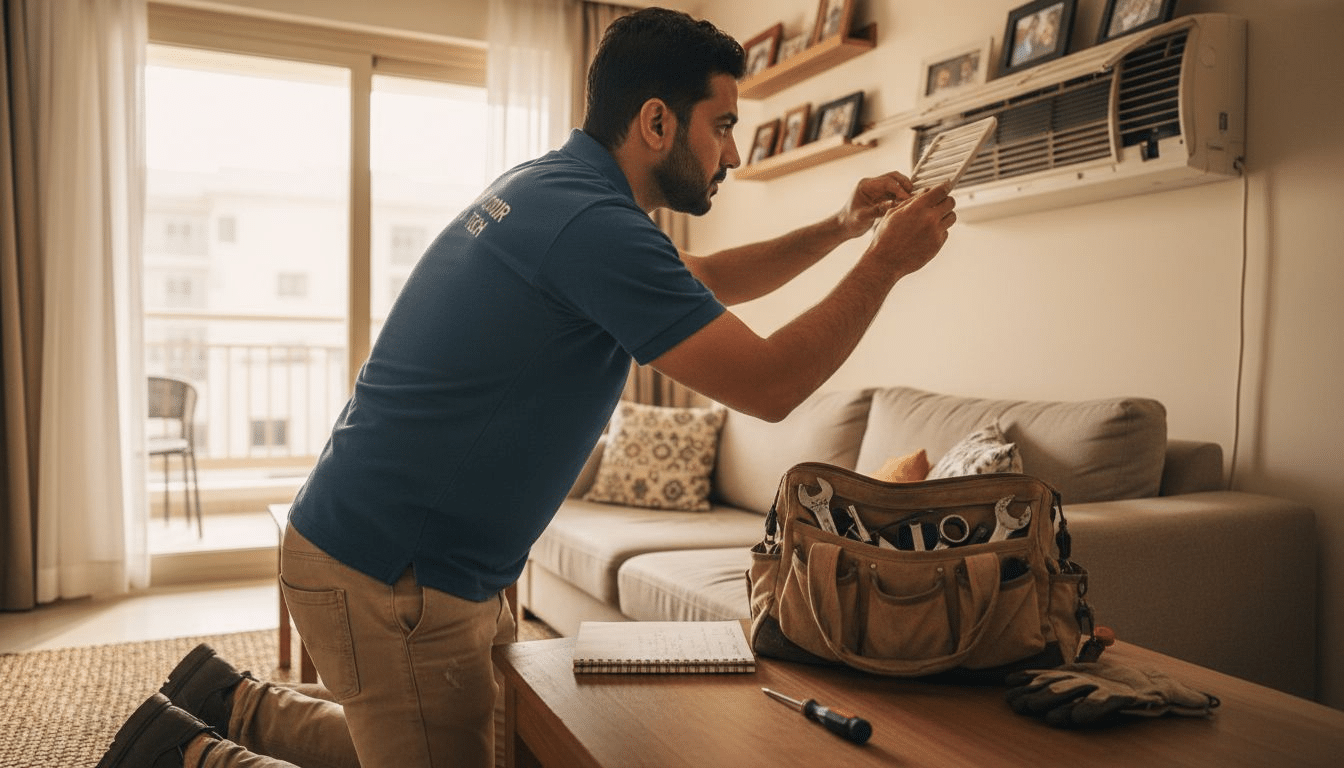
Why AC maintenance saves energy becomes especially clear when regular upkeep is ignored, turning even a luxury Dubai villa into an expensive operational challenge. For property managers and homeowners, skipping essential maintenance tasks leads to reduced energy efficiency and declining indoor air quality. Routine filter cleaning, coil inspections, and refrigerant checks keep systems running smoothly and cost-effectively. By reducing system strain and preventing costly breakdowns, preventive AC maintenance supports comfortable, healthy indoor spaces while lowering long-term energy and utility costs.
Table of Contents
Contents
- 1 Table of Contents
- 2 Key Takeaways
- 3 AC Maintenance Defined: Core Principles and Misconceptions
- 4 How Cleaning Improves Airflow and Efficiency
- 5 Key Maintenance Tasks for Energy Savings
- 6 Common Causes of Energy Waste in AC Systems
- 7 Comparing Preventive Maintenance Vs. Costly Repairs
- 8 Impact on System Lifespan and Indoor Air Quality
- 9 Maximize Energy Savings and Reduce Costs With Expert AC Maintenance
- 10 Frequently Asked Questions
- 11 Recommended
- AC Maintenance Defined: Core Principles And Misconceptions
- How Cleaning Improves Airflow And Efficiency
- Key Maintenance Tasks For Energy Savings
- Common Causes Of Energy Waste In AC Systems
- Comparing Preventive Maintenance Vs. Costly Repairs
- Impact On System Lifespan And Indoor Air Quality
Key Takeaways
| Point | Details |
|---|---|
| Importance of Preventive Maintenance | Regular AC maintenance substantially reduces system strain and long-term expenses. Proactive care helps avoid significant issues before they arise. |
| Impact of Cleaning on Efficiency | Clean systems can enhance airflow and reduce energy consumption by up to 20%. Scheduled cleaning prevents inefficiencies in performance. |
| Cost-Benefit of Maintenance Strategies | Preventive maintenance is financially advantageous, reducing operational costs compared to reactive repairs. Investing in regular inspections minimizes emergency repair risks. |
| Effects on Indoor Air Quality | Proper maintenance controls mold and bacterial growth while improving indoor air quality. Maintaining system performance is vital for occupant health, particularly in hot climates like Dubai. |
AC Maintenance Defined: Core Principles and Misconceptions
Air conditioning maintenance represents a critical strategy for property managers and homeowners in Dubai seeking optimal system performance and energy efficiency. Understanding the core principles involves recognizing that AC maintenance is far more than routine cleaning—it’s a comprehensive approach to preserving system functionality and reducing operational costs.
The fundamental principles of AC maintenance center on several key elements:
- Regular filter replacement to ensure optimal airflow
- Systematic coil cleaning to maintain heat transfer efficiency
- Refrigerant level monitoring to prevent system strain
- Comprehensive system inspections to detect potential issues early
Many property owners operate under significant misconceptions about AC maintenance. A common fallacy is believing that systems only require attention when they malfunction. In reality, preventive maintenance fundamentals demonstrate that proactive care prevents more significant problems and reduces long-term expenses.
Technical understanding reveals that AC systems are complex thermal management devices. Their efficiency depends on multiple interconnected components working harmoniously. Neglecting maintenance can cause gradual performance degradation, with some studies indicating that unmaintained systems can lose up to 5% efficiency annually. These incremental losses translate directly into higher energy consumption and increased utility expenses for Dubai’s luxury villa owners.
Pro tip: Schedule professional AC maintenance biannually to preserve system performance and prevent unexpected breakdowns.
How Cleaning Improves Airflow and Efficiency
Clean air conditioning systems are essential for maintaining optimal performance and energy efficiency in Dubai’s demanding climate. When dust, debris, and particulate matter accumulate within HVAC components, they significantly impede airflow and reduce overall system effectiveness.
The primary mechanisms by which cleaning improves system performance include:
- Unobstructed air passages that allow smoother circulation
- Reduced mechanical resistance in system components
- Enhanced heat transfer capabilities of clean surfaces
- Lower energy consumption through improved operational efficiency
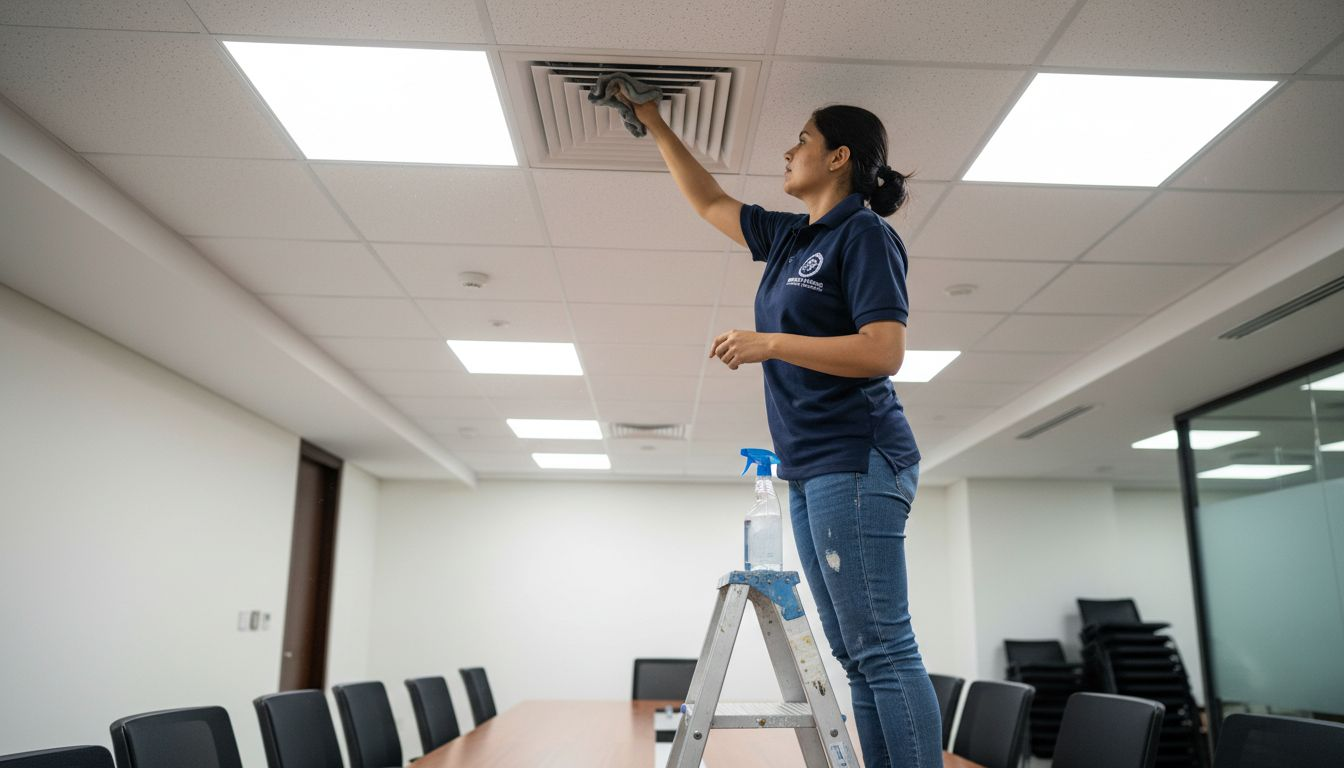
Air duct cleaning techniques demonstrate that removing accumulated contaminants prevents unnecessary strain on cooling systems. Professional cleaning eliminates obstacles that force air conditioners to work harder, consuming more electricity and generating greater wear on mechanical parts.
In the context of Dubai’s high-temperature environment, maintaining clean HVAC systems becomes even more critical. Accumulated dust and debris can reduce system efficiency by up to 20%, leading to substantial increases in energy expenditure. Specialized cleaning processes not only improve airflow but also contribute to better indoor air quality, removing potential allergens and pollutants that circulate through ventilation networks.
Pro tip: Invest in professional HVAC cleaning at least twice annually to maintain peak system performance and energy efficiency.
Key Maintenance Tasks for Energy Savings
Professional air conditioning maintenance involves a strategic approach to preserving system efficiency and minimizing energy consumption. In Dubai’s extreme climate, where air conditioning systems work continuously, understanding and implementing key maintenance tasks becomes crucial for both residential and commercial property owners.
The most critical energy-saving maintenance tasks include:
- Regular filter replacement to maintain optimal airflow
- Comprehensive coil cleaning to enhance heat transfer efficiency
- Electrical connection inspection to prevent power inefficiencies
- Refrigerant level monitoring to ensure proper system performance
- Thermostat calibration to optimize temperature control
Energy-saving maintenance practices demonstrate that systematic upkeep can significantly reduce overall energy consumption. Professional technicians focus on preventing minor issues from escalating into major system failures that could dramatically increase operational costs.
Dubai’s property managers and homeowners must recognize that each maintenance task contributes to the system’s overall energy efficiency. For instance, cleaning evaporator and condenser coils can improve heat transfer by up to 30%, directly translating to reduced electricity consumption. Lubricating moving parts minimizes mechanical friction, while checking condensate drains prevents potential system strain that could lead to increased energy expenditure.
The table below summarizes critical AC maintenance actions and their direct impact on system performance:
| Maintenance Task | Performance Benefit | Risk if Neglected |
|---|---|---|
| Filter replacement | Sustained airflow | Increased strain, higher bills |
| Coil cleaning | Improved cooling efficiency | Reduced output, compressor stress |
| Refrigerant checks | Stable cooling power | System errors, high costs |
| Electrical inspection | Safe, efficient operation | Possible component failure |
| Thermostat calibration | Accurate temperature control | Comfort loss, wasted energy |
Pro tip: Create a comprehensive maintenance log to track system performance and schedule regular professional inspections.
Common Causes of Energy Waste in AC Systems
Air conditioning systems in Dubai face unique challenges that can dramatically increase energy consumption and operational costs. Understanding the root causes of energy waste helps property managers and homeowners implement targeted strategies to improve system efficiency and reduce electricity expenditure.
The most significant energy waste mechanisms include:
- Disrupted airflow from poorly designed or blocked ventilation
- Dirty air filters restricting system performance
- Refrigerant level imbalances causing excessive energy use
- Electrical control malfunctions leading to inefficient operation
- Incorrect thermostat calibration resulting in unnecessary cooling
Common air conditioning problems reveal that many energy waste issues stem from neglected maintenance and system design flaws. These inefficiencies force air conditioning units to work harder, consuming significantly more electricity than properly maintained systems.
In Dubai’s extreme climate, where air conditioning systems operate almost continuously, even minor inefficiencies can translate into substantial energy waste. Leaky air ducts, for instance, can reduce system efficiency by up to 20%, while improperly charged refrigerant systems consume 10-15% more electricity. Professional diagnostics and regular maintenance are crucial in identifying and addressing these energy-draining problems before they escalate.
Pro tip: Schedule quarterly professional inspections to identify and resolve potential energy waste issues before they become costly problems.
Comparing Preventive Maintenance Vs. Costly Repairs
Property managers and homeowners in Dubai face critical decisions about air conditioning system maintenance that can significantly impact long-term operational expenses. Understanding the fundamental differences between preventive maintenance and reactive repairs is essential for making informed financial and operational choices.
Key distinctions between preventive and reactive maintenance include:
- Planned interventions versus emergency responses
- Scheduled inspections compared to unexpected breakdowns
- Predictable costs versus unpredictable repair expenses
- Minimal system disruption against significant operational downtime
- Extended equipment lifespan versus premature system replacement
Preventive maintenance strategies demonstrate substantial economic advantages over reactive approaches. While preventive maintenance requires consistent investment, it ultimately reduces overall system stress, prevents catastrophic failures, and maintains optimal energy efficiency.
In Dubai’s harsh climate, where air conditioning systems operate under extreme conditions, the financial implications of maintenance strategies become even more pronounced. Reactive maintenance can lead to up to 50% higher repair costs compared to planned interventions. Emergency repairs often involve premium pricing for urgent service, replacement of multiple components, and extended downtime that can disrupt residential and commercial operations.
Here’s a comparison of preventive AC maintenance versus reactive repairs and their business implications:
| Aspect | Preventive Maintenance | Reactive Repairs |
|---|---|---|
| Cost predictability | Budgeted, lower over time | Unplanned, typically higher |
| System uptime | Minimizes disruption | Increases downtime risk |
| Equipment lifespan | Significantly extended | Shortened due to stress |
| Energy consumption | Consistently optimized | Gradually rises in inefficiency |
| Indoor air quality | Maintains high standards | May degrade due to issues |
Pro tip: Develop a comprehensive maintenance schedule that includes quarterly professional inspections and immediate addressing of minor issues to prevent costly system failures.
Impact on System Lifespan and Indoor Air Quality
Air conditioning systems in Dubai represent more than just temperature control mechanisms—they are critical infrastructure that directly impacts both equipment longevity and human health. Understanding the intricate relationship between maintenance, system performance, and indoor environmental quality becomes paramount for property managers and homeowners.
Key considerations for system lifespan and indoor air quality include:
- Consistent filter replacement to prevent contaminant buildup
- Regular component cleaning to maintain optimal functionality
- Moisture control to prevent mold and bacterial growth
- Comprehensive system diagnostics to detect early performance issues
- Refrigerant level monitoring to ensure efficient operation
Predictive maintenance strategies demonstrate that proactive interventions can significantly extend HVAC system lifespan while simultaneously improving indoor air quality. By identifying potential problems before they escalate, property owners can prevent premature system failure and maintain a healthy indoor environment.
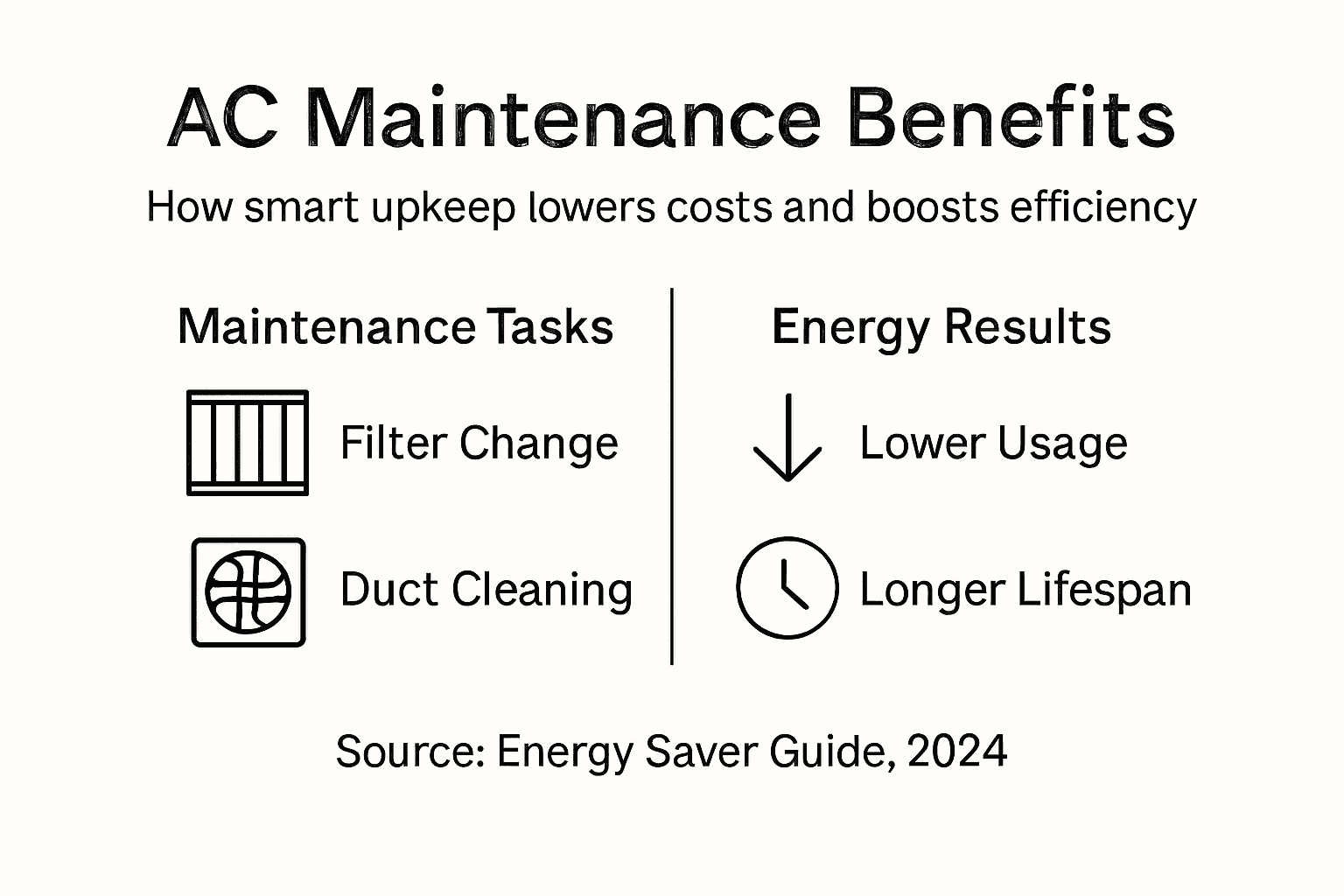
In Dubai’s challenging climate, where high humidity and temperature extremes place substantial stress on air conditioning systems, maintenance becomes even more critical. Unmaintained systems can lose up to 30% efficiency within three years, leading to increased energy consumption, reduced equipment lifespan, and compromised air quality. Professional maintenance not only preserves system performance but also protects occupants from potential respiratory risks associated with poor indoor air management.
Pro tip: Implement a comprehensive maintenance log that tracks filter replacements, cleaning schedules, and performance metrics to optimize system health and longevity.
Maximize Energy Savings and Reduce Costs With Expert AC Maintenance
Understanding why AC maintenance saves energy and lowers costs is essential for every homeowner and property manager in Dubai facing rising electricity bills and inefficient cooling systems. If you want to avoid common pitfalls like reduced airflow, clogged filters, and refrigerant imbalances that drain your system’s efficiency, trusting professional care is key. The article highlights how regular maintenance prevents energy waste and extends system lifespan by addressing airflow obstruction, coil cleaning, and refrigerant monitoring.
At Saniservice, we specialize in precision AC cleaning and maintenance rooted in scientific expertise to deliver healthier indoor environments and real energy savings. Our NADCA-certified technicians dismantle and deep-clean every component using hospital-grade, chemical-free biosanitisers proven to eliminate mold, bacteria, and allergens while enhancing system performance. With triple ISO certification and a multidisciplinary Indoor Sciences team, we help your AC operate at peak efficiency, cutting energy consumption and lowering costs.
Explore our comprehensive AC Cleaning & Maintenance – Saniservice AC Cleaning services designed to keep your system running flawlessly year-round.
Take control of your energy expenses today. Visit Saniservice to schedule a professional inspection and cleaning that safeguards your AC’s performance and your indoor air quality. Learn from our Case Studies – Saniservice AC Cleaning how science-backed maintenance transforms energy efficiency and comfort in homes and commercial spaces across the UAE.
Frequently Asked Questions
What are the key benefits of regular AC maintenance?
Regular AC maintenance helps maintain optimal system performance, improves energy efficiency, reduces operational costs, and extends the lifespan of the unit.
How often should I schedule AC maintenance?
It is recommended to schedule professional AC maintenance at least twice a year to ensure peak performance and prevent unexpected breakdowns.
What common issues can arise from neglecting AC maintenance?
Neglecting AC maintenance can lead to increased energy consumption, reduced cooling efficiency, mechanical strain, and higher repair costs due to potential system failures.
Can cleaning my AC system really lower energy costs?
Yes, cleaning your AC system can enhance airflow, reduce mechanical resistance, and improve heat transfer capabilities, leading to lower energy consumption and reduced operational costs.


Leave a Reply