

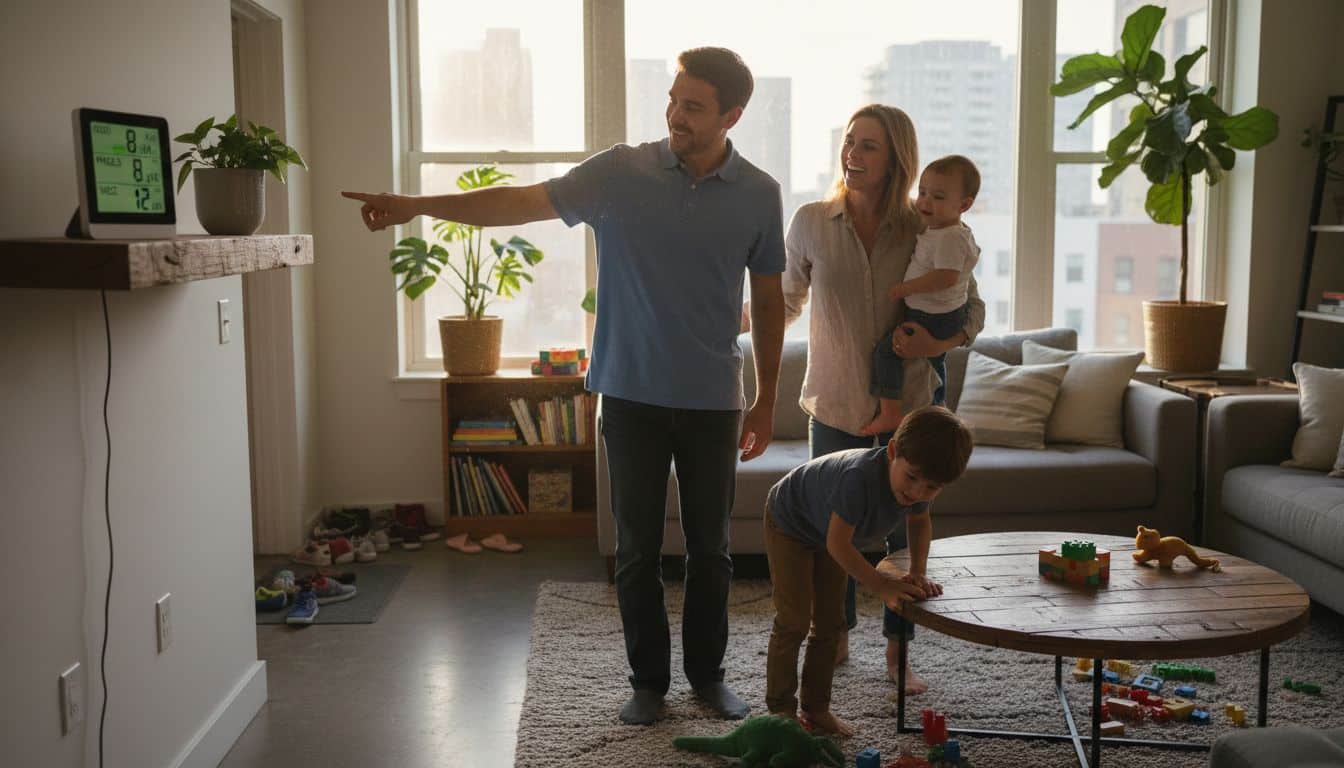
7-Step Indoor Air Quality Checklist for Healthier Homes
Over half of American families spend nearly 90 percent of their time indoors, yet many overlook the hidden dangers lurking in their air conditioning and ventilation systems. With air quality playing a vital role in health and comfort, poor indoor environments can trigger everything from allergies to chronic respiratory conditions. This guide reveals practical, science-backed steps to transform your home into a safer, cleaner space using proven strategies tailored for the unique climate challenges faced in the United Arab Emirates.
Table of Contents
Contents
- 1 Table of Contents
- 2 Quick Summary
- 3 1. Inspect Air Conditioning and Ventilation Systems
- 4 2. Change and Upgrade Air Filters Regularly
- 5 3. Monitor Humidity to Prevent Mold Growth
- 6 4. Check for and Remove Dust and Allergens
- 7 5. Use Safe, Non-Toxic Cleaning Products
- 8 6. Test for Common Indoor Air Pollutants
- 9 7. Schedule Professional AC Cleaning and Disinfection
- 10 Elevate Your Home’s Air Quality with Expert AC Cleaning and Maintenance
- 11 Frequently Asked Questions
- 11.0.1 How often should I inspect my air conditioning and ventilation systems?
- 11.0.2 What type of air filters should I use for better indoor air quality?
- 11.0.3 How can I monitor indoor humidity levels to prevent mold?
- 11.0.4 What steps can I take to remove dust and allergens from my home?
- 11.0.5 Why is it important to use non-toxic cleaning products?
- 11.0.6 How do I test for common indoor air pollutants?
- 12 Recommended
- 1. Inspect Air Conditioning and Ventilation Systems
- 2. Change and Upgrade Air Filters Regularly
- 3. Monitor Humidity to Prevent Mold Growth
- 4. Check for and Remove Dust and Allergens
- 5. Use Safe, Non-Toxic Cleaning Products
- 6. Test for Common Indoor Air Pollutants
- 7. Schedule Professional AC Cleaning and Disinfection
Quick Summary
| Key Message | Explanation |
|---|---|
| 1. Schedule HVAC Inspections Biannually | Professional HVAC inspections should be conducted at least twice a year to prevent health risks and ensure air quality. |
| 2. Replace Air Filters Regularly | Change air filters every three months or monthly in dusty environments to improve air quality significantly. |
| 3. Monitor Indoor Humidity Levels | Keep humidity between 30-50% to prevent mold growth and maintain a healthy indoor environment. |
| 4. Use Non-Toxic Cleaning Products | Choose plant-based or unscented cleaning products to improve indoor air quality and reduce respiratory risks. |
| 5. Conduct Air Quality Tests Yearly | Annual professional testing for pollutants helps maintain a safe living environment by identifying invisible health risks. |
1. Inspect Air Conditioning and Ventilation Systems
Your home’s air conditioning and ventilation systems are critical gateways for indoor air quality, acting as the respiratory system of your living space. Regular inspections can prevent potential health risks and ensure optimal performance.
Professional assessments reveal that poorly maintained HVAC systems become breeding grounds for microbial contaminants like mold, bacteria, and dust mites. The U.S. Environmental Protection Agency recommends conducting thorough walkthrough inspections to identify potential indoor air quality issues and evaluate HVAC system functionality.
Key Inspection Focus Areas:
- Air filter conditions
- Ventilation system cleanliness
- Air duct integrity
- Condensation and drainage systems
- Overall system performance
In the United Arab Emirates climate, where temperatures soar and humidity levels remain high, regular mechanical ventilation equipment maintenance becomes even more critical. Blocked or dirty air conditioning outlets can significantly reduce indoor air quality and potentially trigger respiratory issues.
Proactive homeowners should schedule professional HVAC inspections at least twice annually. These assessments help identify potential problems before they escalate, ensuring your home remains a healthy living environment. Professional technicians use specialized diagnostic tools to evaluate system efficiency, detect microbial growth, and recommend targeted cleaning or maintenance strategies.
2. Change and Upgrade Air Filters Regularly
Air filters are the unsung heroes of indoor air quality, silently protecting your living environment from microscopic invaders like dust, allergens, and pollutants. Regular replacement and strategic upgrades can dramatically improve the air you breathe.
In the United Arab Emirates climate, where dust and high temperatures are prevalent, air filters work overtime to maintain healthy indoor environments. Scientific American recommends upgrading HVAC filters to at least MERV 13 to effectively capture smaller airborne particles and improve overall air quality.
Key Filter Replacement Guidelines:
- Replace standard filters every 3 months
- Check filters monthly in high dust environments
- Consider advanced MERV 13 filters for superior filtration
- Inspect filter condition during each replacement
Proper air filter maintenance involves more than simply swapping out old filters. Homeowners should carefully select filters compatible with their specific HVAC system. While higher MERV rated filters provide superior filtration, older systems might require professional assessment to ensure optimal performance.
Additionally, consider factors like household allergen levels, pet presence, and local air quality when selecting filters. High performance filters can capture particles as small as 0.3 microns, significantly reducing potential respiratory irritants and creating a healthier indoor environment.
3. Monitor Humidity to Prevent Mold Growth
Humidity levels are silent architects of indoor air quality, capable of transforming comfortable living spaces into breeding grounds for harmful microorganisms. Understanding and controlling moisture becomes critical in preventing mold growth and protecting your home environment.
Duke University’s Occupational and Environmental Safety Office emphasizes the importance of keeping building materials dry to prevent mold proliferation, recommending prompt reporting of water leaks and maintaining proper ventilation.
Critical Humidity Control Strategies:
- Maintain indoor humidity between 30 to 50 percent
- Use dehumidifiers in high moisture areas
- Ensure proper ventilation in bathrooms and kitchens
- Address water leaks immediately
- Monitor humidity with digital hygrometers
In the United Arab Emirates climate, where temperatures and humidity levels can fluctuate dramatically, proactive moisture management becomes even more essential. The desert environment creates unique challenges where condensation can rapidly develop in air conditioned spaces.
Homeowners should invest in digital hygrometers to track indoor humidity levels consistently. Modern smart home technologies offer real time monitoring solutions that can alert residents when humidity approaches problematic thresholds. By implementing these strategies, you transform your living space from a potential mold habitat into a healthy sanctuary.
4. Check for and Remove Dust and Allergens
Dust and allergens are invisible invaders that can transform your home from a sanctuary into a potential health hazard. Understanding how these microscopic particles accumulate and developing strategic removal techniques becomes crucial for maintaining a healthy indoor environment.
Duke University’s Occupational and Environmental Safety Office recommends keeping windows closed to prevent outdoor allergens from entering living spaces and maintaining well functioning HVAC systems to effectively filter indoor air.
Strategic Dust and Allergen Removal Techniques:
- Use microfiber cloths for superior dust collection
- Vacuum with HEPA filter equipped machines
- Clean hard surfaces weekly
- Wash bedding in hot water regularly
- Minimize fabric and carpet surfaces
- Use air purifiers with HEPA filtration
In the United Arab Emirates dusty environment, allergen management requires consistent and methodical approach. The desert climate introduces additional challenges with fine sand particles that can easily infiltrate indoor spaces. Strategic cleaning techniques combined with advanced filtration systems can dramatically reduce airborne particulates.
Homeowners should adopt a comprehensive approach that includes regular cleaning, proper air filtration, and minimizing dust accumulation surfaces. By implementing these targeted strategies, you can transform your living space into a cleaner more breathable environment that supports long term health and wellness.
5. Use Safe, Non-Toxic Cleaning Products
The cleaning products you choose can either protect or compromise your indoor air quality. Seemingly innocent household cleaners often contain volatile organic compounds that silently pollute your living environment and potentially impact your health.
The Hong Kong Indoor Air Quality Information Centre warns against excessive use of fragranced and pollutant emitting cleaning products that can degrade indoor air quality and create respiratory risks.
Safe Cleaning Product Selection Guidelines:
- Choose plant based cleaning solutions
- Avoid products with heavy fragrances
- Read labels for toxic chemical warnings
- Select unscented or naturally scented products
- Prioritize eco friendly cleaning agents
- Use microfiber cloths to reduce chemical usage
- Ventilate spaces during and after cleaning
In the United Arab Emirates climate where indoor environments are sealed against heat, chemical off gassing becomes an even more significant concern. Natural cleaning solutions made from ingredients like white vinegar, baking soda, and essential oils can provide powerful cleaning capabilities without introducing harmful toxins.
Smart homeowners understand that protecting indoor air quality requires a holistic approach. By selecting non toxic cleaning products, you create a safer environment that supports respiratory health and reduces potential long term exposure to harmful chemical compounds.
6. Test for Common Indoor Air Pollutants
Invisible threats lurk within our indoor environments, compromising air quality and potentially impacting our health. Understanding and identifying these pollutants becomes crucial for creating a safe living space.
The U.S. Environmental Protection Agency recommends conducting regular walkthrough inspections to identify potential sources of indoor air pollutants and implementing targeted mitigation strategies.
Common Indoor Air Pollutants to Monitor:
- Carbon monoxide
- Volatile organic compounds (VOCs)
- Formaldehyde
- Radon gas
- Particulate matter
- Biological contaminants
- Mold spores
In the United Arab Emirates unique environment, air quality testing becomes even more critical due to extreme temperatures, construction activities, and desert dust conditions. Professional air quality testing kits can provide comprehensive insights into potential contaminants that traditional methods might overlook.
Homeowners should consider professional indoor air quality assessments at least annually. Advanced testing technologies can detect microscopic pollutants that standard home testing methods cannot identify. By proactively monitoring your indoor environment, you create a healthier living space that protects your family from potential respiratory and long term health risks.
7. Schedule Professional AC Cleaning and Disinfection
Professional air conditioning cleaning represents the final frontier of indoor air quality management. Your HVAC system acts as the respiratory system of your home, circulating air and potentially spreading contaminants if not properly maintained.
The U.S. Environmental Protection Agency recommends developing a comprehensive preventive maintenance plan that includes routine inspection, cleaning, and repair of HVAC systems to ensure optimal indoor air quality and system performance.
Professional AC Cleaning Essential Components:
- Comprehensive system disassembly
- Deep cleaning of all internal components
- Microbial contamination assessment
- Sanitization using hospital grade treatments
- Performance efficiency evaluation
- Detailed system diagnostics
- Airflow and filtration optimization
In the United Arab Emirates extreme climate, professional AC cleaning becomes even more critical. Dust, high humidity, and constant air conditioning usage create ideal conditions for microbial growth and system degradation.
Homeowners should schedule professional cleaning at least twice annually. Advanced cleaning techniques like those offered by specialized indoor air quality experts can remove biofilms, eliminate microbial contamination, and restore your air conditioning system to peak performance. This proactive approach not only improves air quality but also extends system longevity and reduces energy consumption.
This table summarizes important strategies for maintaining indoor air quality and HVAC system efficiency as discussed in the article.
| Strategy | Implementation | Expected Results |
|---|---|---|
| Inspect Air Conditioning & Ventilation | Schedule professional inspections twice annually to check air filters, ventilation cleanliness, duct integrity, and system performance. | Prevents health risks and ensures optimal HVAC performance. |
| Change & Upgrade Air Filters | Replace filters every 3 months, use MERV 13 for better filtration, and check monthly in dusty environments. | Improved air quality and reduced allergens. |
| Monitor Humidity Levels | Keep humidity between 30-50%, use dehumidifiers, and address leaks promptly. | Reduces mold growth and improves living conditions. |
| Remove Dust & Allergens | Use microfiber cloths, vacuum with HEPA filters, clean surfaces weekly, and wash bedding in hot water. | Healthier indoor environment with fewer allergens. |
| Use Safe, Non-Toxic Cleaning Products | Select plant-based cleaners, avoid fragrances, and ventilate during use. | Reduces indoor air pollutants and respiratory risks. |
| Test for Indoor Pollutants | Conduct professional air quality assessments annually and monitor key pollutants like VOCs and radon. | Identifies and mitigates hidden air quality threats. |
| Schedule Professional AC Cleaning | Disassemble and deep clean AC components twice annually, ensure sanitization. | Enhances air quality and prolongs HVAC system life. |
Elevate Your Home’s Air Quality with Expert AC Cleaning and Maintenance
Maintaining healthy indoor air quality requires more than just regular checks; it demands a trusted partner who understands the complexities of HVAC systems and microbial contamination. If you are tackling challenges like mold growth, poor ventilation, or airborne allergens as highlighted in the 7-Step Indoor Air Quality Checklist for Healthier Homes you need a comprehensive solution backed by science. Saniservice brings together expertise in microbiology and HVAC engineering to deliver hospital-grade cleaning and disinfection that not only removes contaminants but also extends your system’s life and boosts energy efficiency.
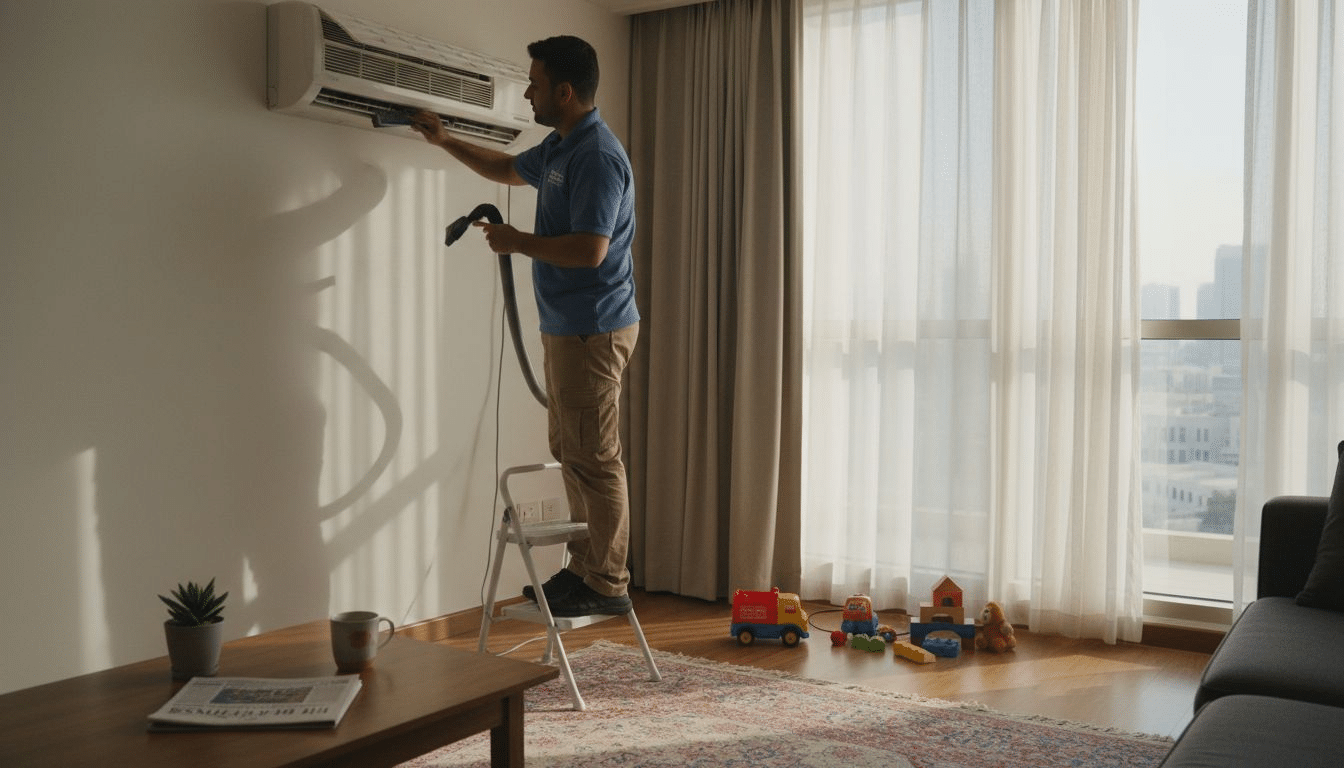
Discover how our NADCA-certified technicians meticulously clean and sanitize every AC component using chemical-free biosanitisers proven to eliminate mold bacteria and allergens. Explore our AC Cleaning & Maintenance – Saniservice AC Cleaning services to see how professional interventions can transform your indoor environment. Ready to protect your home and family today Visit Saniservice now to schedule a consultation or learn from real customer experiences in our Case Studies – Saniservice AC Cleaning. Take control of your indoor air quality with expert care that truly makes a difference.
Frequently Asked Questions
How often should I inspect my air conditioning and ventilation systems?
Regularly inspect your air conditioning and ventilation systems at least twice a year. Schedule these inspections during the spring and fall to ensure optimal performance and indoor air quality.
What type of air filters should I use for better indoor air quality?
Use high-performance filters with a Minimum Efficiency Reporting Value (MERV) rating of at least 13. Replace standard filters every three months or check them monthly in high dust environments to maximize filtration effectiveness.
How can I monitor indoor humidity levels to prevent mold?
Maintain indoor humidity levels between 30% to 50% to prevent mold growth. Use digital hygrometers to track humidity and consider deploying dehumidifiers in areas prone to excess moisture.
What steps can I take to remove dust and allergens from my home?
Regularly clean your home using microfiber cloths and vacuum with HEPA filter-equipped machines. Establish a cleaning routine that includes washing bedding weekly and minimizing fabric surfaces to help reduce allergen accumulation.
Why is it important to use non-toxic cleaning products?
Non-toxic cleaning products help protect your indoor air quality by reducing exposure to harmful chemicals and odors. Opt for plant-based or unscented cleaning solutions, and ventilate spaces while cleaning to ensure fresh air circulation.
How do I test for common indoor air pollutants?
Conduct a professional indoor air quality assessment to identify pollutants such as carbon monoxide and mold spores. Schedule these assessments annually for comprehensive insights into your indoor air quality status.
Recommended
- 10 Key Insights on Indoor Air Quality Testing Dubai for Healthier Homes – Saniservice AC Cleaning
- 9 Critical Health Risks of Poor Indoor Air Quality Dubai Residents Must Know – Saniservice AC Cleaning
- Step by Step AC Cleaning Guide for Healthier Indoor Air
- 10 Must-Know Indoor Air Quality Improvement Solutions for Healthier Homes in Dubai – Saniservice AC Cleaning


Leave a Reply