7 Essential Steps for Your HVAC Hygiene Checklist
Every American living in Dubai quickly learns that indoor air quality can become a hidden challenge. With dust and pollutants swirling in the United Arab Emirates climate, keeping your home or office air healthy takes more than just routine cleaning. Neglected HVAC maintenance is linked to increased energy bills and respiratory problems. Learn practical ways to protect your air, boost system efficiency, and safeguard the well-being of everyone indoors.
Table of Contents
Contents
- 1 Table of Contents
- 2 Quick Summary
- 3 1. Inspect Filters and Replace Regularly
- 4 2. Clean Air Ducts to Remove Dust and Debris
- 5 3. Disinfect Coils and Blower Components
- 6 4. Check and Clear Drainage Trays for Mold
- 7 5. Test for Air Leaks and Seal Gaps
- 8 6. Monitor Air Quality and Allergen Levels
- 9 7. Schedule Professional HVAC Hygiene Services
- 10 Elevate Your HVAC Hygiene with Expert Care from Saniservice
- 11 Frequently Asked Questions
- 11.0.1 How often should I inspect and replace my HVAC filters?
- 11.0.2 What are the signs that my air ducts need cleaning?
- 11.0.3 Why is disinfecting HVAC components important?
- 11.0.4 How can I check for air leaks in my HVAC system?
- 11.0.5 What should I do to maintain my drainage trays and prevent mold?
- 11.0.6 How often should I schedule professional HVAC hygiene services?
- 12 Recommended
- 1. Inspect Filters And Replace Regularly
- 2. Clean Air Ducts To Remove Dust And Debris
- 3. Disinfect Coils And Blower Components
- 4. Check And Clear Drainage Trays For Mold
- 5. Test For Air Leaks And Seal Gaps
- 6. Monitor Air Quality And Allergen Levels
- 7. Schedule Professional HVAC Hygiene Services
Quick Summary
| Takeaway | Explanation |
|---|---|
| 1. Regularly Replace HVAC Filters | Inspect and replace filters every three months to improve air quality and system efficiency, especially in dusty environments. |
| 2. Schedule Professional Duct Cleaning | Clean air ducts every three to five years or more frequently if pets or allergies are present to enhance air quality and efficiency. |
| 3. Disinfect Coils and Blower Components | Regular disinfection prevents microbial growth, ensuring your HVAC system runs efficiently and maintains good indoor air quality. |
| 4. Maintain Drainage Trays | Check and clear drainage trays regularly to prevent mold growth which can negatively affect system performance and air quality. |
| 5. Monitor Indoor Air Quality | Use air quality sensors and manage allergens to safeguard health; proactive monitoring is essential in Dubai’s climate. |
1. Inspect Filters and Replace Regularly
Proper HVAC filter maintenance is the foundation of maintaining healthy indoor air quality in your Dubai home or office. Regularly inspecting and replacing your air conditioning filters can dramatically improve system performance, reduce energy consumption, and protect your respiratory health.
The United States Environmental Protection Agency recommends using high-rated filters that can effectively capture small particles from indoor air. Specifically, filters with a Minimum Efficiency Reporting Value of 13 or higher provide superior filtration for your living spaces.
In the challenging climate of the United Arab Emirates, where dust and environmental pollutants are common, filter maintenance becomes even more critical. Dust accumulation and particulate matter can quickly compromise your HVAC system’s efficiency. Experts from the Building America Solution Center suggest replacing filters every three months, or even more frequently if you have:
- Multiple occupants in your home or office
- Pets that shed fur
- Regular indoor activities that generate significant dust
- Smokers in the indoor environment
By following a disciplined filter replacement schedule, you will:
- Improve indoor air quality
- Reduce strain on your HVAC system
- Extend the lifespan of your air conditioning equipment
- Lower overall energy consumption
Professional AC duct cleaning services can help you establish a comprehensive filter maintenance routine tailored to your specific indoor environment in Dubai.
2. Clean Air Ducts to Remove Dust and Debris
Air duct cleaning is a critical yet often overlooked aspect of maintaining healthy indoor environments in Dubai’s challenging climate. Dust, debris, and microscopic contaminants can accumulate in your HVAC system, potentially compromising air quality and system performance.
The Environmental Protection Agency recommends professional air duct cleaning when specific conditions are present. Indicators that your air ducts require immediate attention include:
- Visible mold growth inside ducts or on other system components
- Excessive dust and debris buildup
- Evidence of rodent or insect infestation
- Persistent respiratory issues among household members
- Unexplained reduction in HVAC system efficiency
Professional cleaning intervals are crucial. The Better Business Bureau suggests cleaning air ducts every three to five years, with more frequent maintenance recommended for homes with:
- Multiple pets
- Family members with allergies
- Recent home renovations
- High dust environments
Proper air duct maintenance offers significant benefits:
- Improved indoor air quality
- Enhanced HVAC system efficiency
- Reduced allergen circulation
- Lower energy consumption
- Extended equipment lifespan
In the United Arab Emirates dust environment, professional air duct cleaning becomes even more essential for maintaining a healthy living space.
3. Disinfect Coils and Blower Components
HVAC system components like coils and blowers are critical breeding grounds for microbial contaminants that can significantly impact indoor air quality. Proper disinfection is not just a maintenance task but a crucial health protection strategy for your living environment.
The American Society of Heating, Refrigerating and Air Conditioning Engineers (ASHRAE) emphasizes the importance of maintaining HVAC systems, especially during health sensitive periods. Their guidelines recommend comprehensive AC component cleaning to prevent potential health risks and ensure optimal system performance.
Key areas requiring focused disinfection include:
- Evaporator coils
- Blower fan assemblies
- Condensate drain pans
- Internal air handler surfaces
- Motor and electrical component areas
The Building America Solution Center highlights that accumulated debris can compromise system efficiency and create environments conducive to microbial growth. Potential risks of neglecting coil and blower disinfection include:
- Reduced HVAC system performance
- Increased energy consumption
- Higher risk of respiratory health issues
- Potential mold and bacterial proliferation
- Accelerated component degradation
In the humid climate of the United Arab Emirates, where temperature and moisture create ideal conditions for microbial growth, regular professional disinfection becomes even more critical for maintaining a healthy indoor environment.
4. Check and Clear Drainage Trays for Mold
Drainage trays are often overlooked yet critical components of your HVAC system that can become prime breeding grounds for harmful microbial growth. In Dubai’s humid climate, these moisture rich environments create perfect conditions for mold proliferation that can compromise both system performance and indoor air quality.
The Environmental Protection Agency emphasizes the critical nature of preventing moisture accumulation in HVAC systems to avoid potential health risks. Drainage tray maintenance involves several key strategies:
- Inspecting for standing water
- Checking drainage pathways for blockages
- Removing organic debris
- Applying antimicrobial treatments
- Ensuring proper slope for water drainage
Signs that your drainage tray requires immediate attention include:
- Musty odors near the HVAC system
- Visible mold or algae growth
- Water stains around the unit
- Unexplained respiratory issues
- Reduced system efficiency
The National Institutes of Health recommends regular maintenance to prevent contaminant buildup. In the United Arab Emirates where temperatures and humidity create ideal conditions for microbial growth, professional inspection becomes even more crucial for maintaining a healthy indoor environment.
5. Test for Air Leaks and Seal Gaps
Air leaks in HVAC systems can silently undermine your cooling efficiency and dramatically increase energy consumption. In Dubai’s extreme temperatures, even small gaps can translate into significant performance losses and unnecessary financial strain.
The Building America Solution Center recommends thorough duct sealing techniques to prevent energy wastage and maintain optimal system performance. Common areas prone to air leaks include:
- Filter mounting racks
- Duct connection points
- System access panels
- Insulation junctures
- Refrigerant line entry points
Indicators of potential air leakage:
- Inconsistent room temperatures
- Higher than expected utility bills
- Unexplained dust accumulation
- Reduced airflow from vents
- Unusual whistling sounds near ductwork
The American Society for Health Care Engineering emphasizes sealing cracks between filter frames and duct walls as a critical maintenance step. In the United Arab Emirates climate, where every bit of energy efficiency matters, addressing these small gaps can lead to substantial performance improvements and cost savings.
6. Monitor Air Quality and Allergen Levels
Indoor air quality represents a critical yet often overlooked aspect of maintaining a healthy living environment in Dubai. Understanding and monitoring airborne contaminants can protect your family from potential respiratory risks and ensure optimal wellness.
The Environmental Protection Agency recommends strategic air quality management to minimize potential health hazards. Key allergens and pollutants to track include:
- Dust mite particles
- Pet dander
- Pollen
- Volatile organic compounds
- Microscopic mold spores
- Fine particulate matter
Advanced monitoring strategies involve:
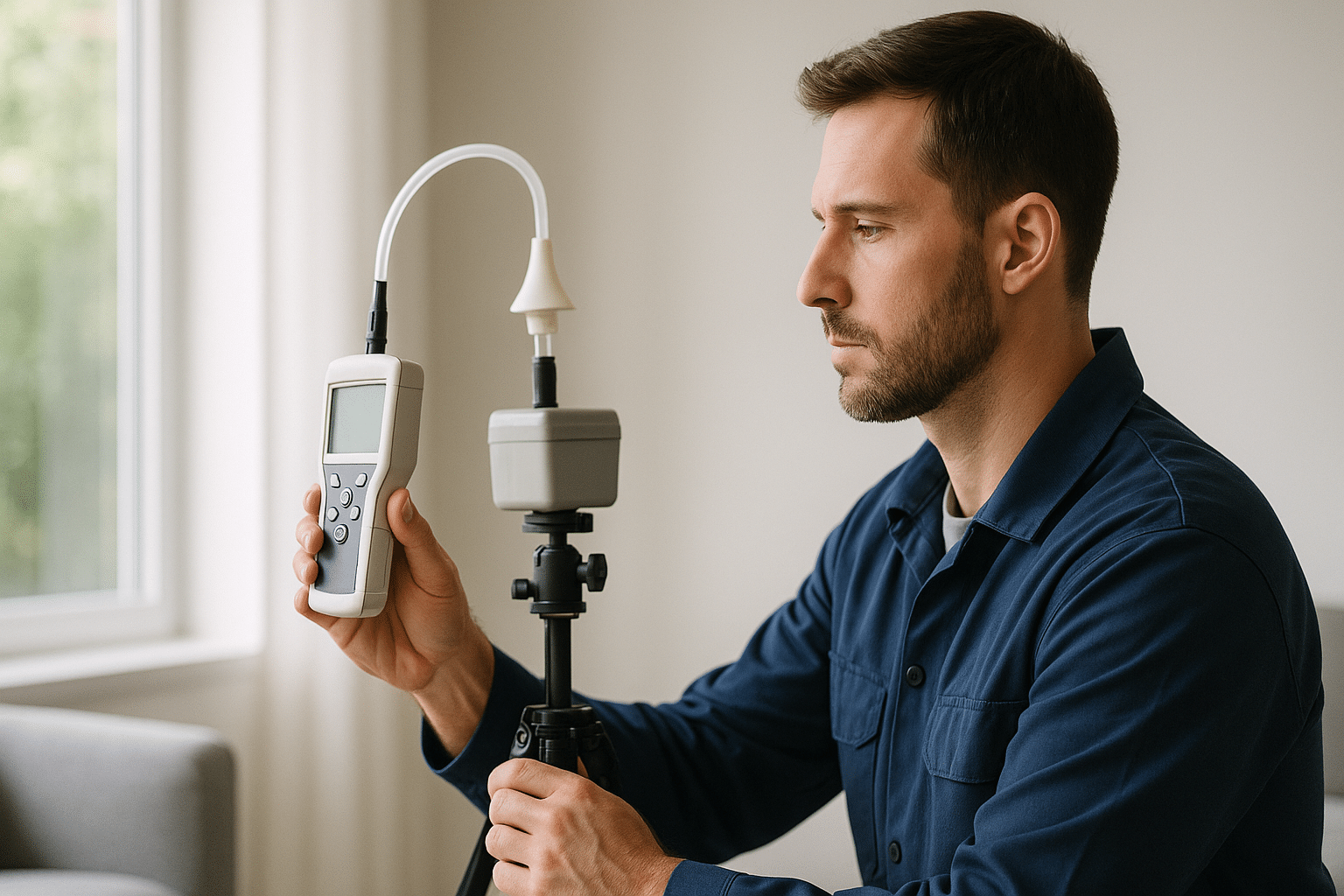
- Using high efficiency particulate air (HEPA) filters
- Installing indoor air quality sensors
- Conducting periodic professional assessments
- Tracking humidity and temperature levels
- Implementing regular ventilation practices
In the United Arab Emirates where environmental conditions can significantly impact indoor air composition, proactive monitoring becomes crucial for maintaining a healthy living space. Residents should view air quality management not as an optional luxury but as an essential component of home maintenance and personal health protection.
7. Schedule Professional HVAC Hygiene Services
Professional HVAC hygiene services represent the pinnacle of comprehensive indoor air management and system maintenance. While individual cleaning efforts are valuable, expert technicians bring specialized knowledge and advanced equipment to ensure thorough system restoration and optimal performance.
The Better Business Bureau recommends professional HVAC maintenance every three to five years to maintain a healthy indoor environment. Critical aspects of professional services include:
- Comprehensive system diagnostics
- Advanced microbial contamination testing
- Precision cleaning of intricate components
- Performance efficiency assessments
- Detailed health risk evaluations
Situations warranting immediate professional intervention:
- Persistent musty odors
- Unexplained respiratory issues
- Visible mold or microbial growth
- Inconsistent cooling performance
- Post renovation environmental assessment
In the United Arab Emirates where dust and humidity create unique HVAC challenges, professional services are not a luxury but a critical investment in long term system health and indoor environmental quality. Technicians trained in advanced diagnostic techniques can identify potential issues before they escalate into costly repairs or health risks.
Below is a comprehensive table summarizing the main strategies and maintenance tips for maintaining healthy indoor air quality and efficient HVAC performance in Dubai.
| Strategy | Key Points & Actions | Benefits/Outcomes |
|---|---|---|
| Inspect and Replace Filters | Use filters with MERV 13 or higher; replace every three months or more in dusty environments. | Improved air quality, reduced energy use, extended equipment lifespan. |
| Clean Air Ducts | Schedule professional cleaning every 3-5 years; check for mold, dust, and pests. | Enhanced air quality, better HVAC performance, lower energy bills. |
| Disinfect Coils and Blowers | Regular disinfection prevents microbial growth. Focus on coils, fans, and pans. | Prevents health issues, maintains system efficiency. |
| Maintain Drainage Trays | Inspect for standing water and blockages; apply antimicrobial treatments. | Reduces mold growth, improves air quality, protects health. |
| Seal Air Leaks | Check and seal duct points and panels; fix any insulation gaps. | Energy efficiency, consistent room temperatures, lower utility costs. |
| Monitor Air Quality | Use HEPA filters, sensors, and regular assessments. Check humidity and allergens. | Optimal wellness, protection from respiratory risks. |
| Schedule Professional Services | Regular diagnostics and cleaning by experts for comprehensive maintenance. | Prolonged system life, reduced health risks, consistent performance. |
Elevate Your HVAC Hygiene with Expert Care from Saniservice
Maintaining a thorough HVAC hygiene checklist is essential to protect your indoor air quality and ensure your system runs efficiently in Dubai’s challenging environment. From regular filter replacement to professional disinfection of coils and drainage trays, these steps address critical pain points like dust buildup, microbial growth, and energy inefficiency. At Saniservice, we understand these challenges deeply and provide science-backed solutions tailored to your needs — combining meticulous cleaning, advanced microbiology, and hospital-grade biosanitisers to restore health and performance to your AC system.
Take the stress out of your indoor air care by partnering with Dubai’s leading HVAC hygiene experts. Explore our proven techniques and real success stories in AC Cleaning & Maintenance – Saniservice AC Cleaning and learn how we tackle the toughest indoor air quality issues in our Case Studies – Saniservice AC Cleaning. Ready for fresher, healthier air now? Visit Saniservice to schedule your comprehensive HVAC cleaning and disinfection service today.
Frequently Asked Questions
How often should I inspect and replace my HVAC filters?
Regularly inspect and replace your HVAC filters every three months to maintain optimal indoor air quality. If you have multiple occupants, pets, or engage in activities that generate dust, consider changing filters more frequently, possibly every month.
What are the signs that my air ducts need cleaning?
Look for visible mold growth, excessive dust buildup, or any evidence of rodent or insect infestation as indicators that your air ducts require cleaning. If household members experience persistent respiratory issues, it’s a good idea to schedule an inspection to address these concerns.
Why is disinfecting HVAC components important?
Disinfecting HVAC components like coils and blowers is essential to prevent the growth of harmful microbes that can degrade indoor air quality. Schedule disinfection at least annually to ensure your system operates efficiently and maintains a healthy environment.
How can I check for air leaks in my HVAC system?
Check for air leaks by inspecting duct connection points, filter mounting racks, and any obvious gaps in insulation. Look for inconsistent temperatures and unusual sounds near ductwork as additional indicators that sealing may be necessary.
What should I do to maintain my drainage trays and prevent mold?
Inspect your drainage trays regularly for standing water or organic debris, and ensure the drainage paths are clear. By maintaining proper drainage slope and applying antimicrobial treatments as needed, you can prevent mold growth in these critical components.
How often should I schedule professional HVAC hygiene services?
Schedule professional HVAC hygiene services every three to five years for thorough system maintenance. Doing so will help ensure efficient system performance and improve indoor air quality, especially in environments with high dust and humidity.
Recommended
- 7 Essential Steps for an Effective HVAC Maintenance Checklist – Saniservice AC Cleaning
- AC Maintenance Step by Step Guide for Cleaner Indoor Air
- Step by Step AC Cleaning Guide for Healthier Indoor Air
- 7 Essential Types of Air Conditioning Maintenance Explained
- Understanding Personal Hygiene in Food Service – Probe IT