


HVAC Engineering Explained: Impact on Air Quality
Luxury properties in Dubai face constant pressure to deliver exceptional comfort and pristine air for demanding residents. Balancing indoor air quality with efficient HVAC operation is a daily challenge for maintenance managers, especially when environmental expectations continue to rise. By understanding the scientific principles behind HVAC system design and how new technologies can address Dubai’s unique climate, you can discover actionable strategies to enhance system performance and create healthier indoor spaces for every resident.
Table of Contents
Contents
- 1 Table of Contents
- 2 Key Takeaways
- 3 Defining HVAC Engineering and Core Concepts
- 4 Major Types of HVAC Systems and Applications
- 5 How HVAC Systems Operate Efficiently
- 6 Dubai Regulations and Industry Standards
- 7 Maintaining Indoor Air Quality and System Health
- 8 Common Challenges and Mistakes in HVAC Management
- 9 Elevate Your Indoor Air Quality with Expert HVAC Cleaning Solutions
- 10 Frequently Asked Questions
- 11 Recommended
- Defining HVAC Engineering and Core Concepts
- Major Types of HVAC Systems and Applications
- How HVAC Systems Operate Efficiently
- Dubai Regulations and Industry Standards
- Maintaining Indoor Air Quality and System Health
- Common Challenges and Mistakes in HVAC Management
Key Takeaways
| Point | Details |
|---|---|
| HVAC Engineering Fundamentals | HVAC engineering focuses on optimizing indoor comfort through precise temperature, humidity, and air quality management. Understanding subsystems like energy efficiency is crucial for sustainable design. |
| Types of HVAC Systems | Various HVAC systems, such as split and centralized systems, address specific building needs. The right choice depends on factors like building size and energy efficiency goals. |
| Efficiency Strategies | Maximizing HVAC efficiency involves advanced control systems, regular maintenance, and optimizing airflow. These practices can lead to significant energy savings. |
| Common Management Challenges | HVAC management must address issues like inconsistent maintenance and outdated equipment to ensure system performance and air quality. Developing a robust tracking system can help prevent costly problems. |
Defining HVAC Engineering and Core Concepts
HVAC engineering represents a sophisticated technical discipline focused on creating optimal indoor environmental conditions through precise temperature, humidity, and air quality management. At its core, HVAC systems regulate building comfort using advanced scientific principles drawn from thermodynamics, fluid mechanics, and heat transfer.
The fundamental components of HVAC engineering encompass several critical subsystems designed to ensure human comfort and health:
- Temperature Regulation: Maintaining consistent thermal environments
- Humidity Control: Balancing moisture levels for optimal comfort
- Air Quality Management: Removing contaminants and ensuring fresh circulation
- Energy Efficiency: Minimizing power consumption while maximizing performance
Professional HVAC engineering requires deep understanding of complex scientific interactions. Modern design principles emphasize sustainability and ecological considerations, moving beyond simple temperature control to create holistic indoor environments that support human well-being.
Understanding HVAC systems involves recognizing their multidimensional nature. These intricate networks integrate mechanical, electrical, and architectural elements to create seamless climate management solutions. Engineers must consider factors like building orientation, local climate conditions, occupancy patterns, and specific environmental requirements when designing these sophisticated systems.
Pro tip: Always consult certified HVAC professionals who understand the nuanced interactions between building systems and environmental engineering principles.
Major Types of HVAC Systems and Applications
HVAC systems are diverse and complex, engineered to meet specific environmental requirements across different settings. HVAC technologies cater to varied building applications, ranging from compact residential units to expansive commercial installations designed for precise climate management.
The primary categories of HVAC systems include:
- Split Systems: Most common residential setup with separate indoor and outdoor units
- Packaged Systems: Compact units where all components are housed in a single cabinet
- Ductless Mini-Split Systems: Flexible solutions for spaces without traditional ductwork
- Centralized Systems: Large-scale installations for commercial and industrial environments
- Geothermal Heat Pump Systems: Environmentally sustainable solutions using ground temperature
Each system type offers unique advantages tailored to specific architectural and environmental contexts. Split systems, for instance, provide excellent flexibility for residential spaces, while centralized systems deliver comprehensive climate control for large commercial facilities. The selection depends on factors like building size, local climate conditions, energy efficiency requirements, and budget constraints.
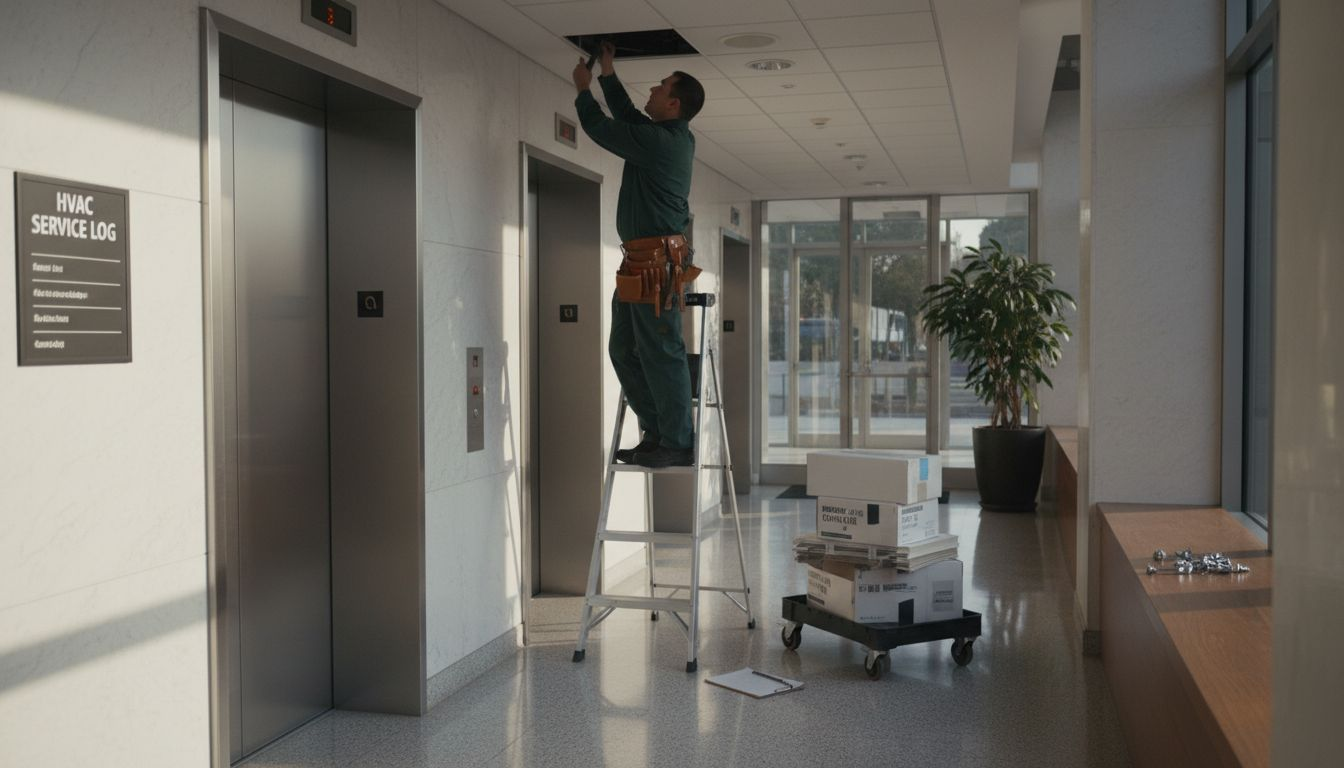
Here’s a comparison of main HVAC system types and their ideal applications:
| System Type | Best Use Case | Typical Building Size | Energy Efficiency Potential |
|---|---|---|---|
| Split System | Residential comfort | Single-family homes | Moderate |
| Packaged System | Small commercial spaces | Small buildings | Moderate |
| Ductless Mini-Split | Renovations, limited space | Apartments, individual rooms | High if zoned |
| Centralized System | Large-scale environments | Commercial complexes | High with advanced controls |
| Geothermal Heat Pump | Sustainable heating/cooling | Any size, with land | Exceptional (up to 70% savings) |
Modern HVAC engineering emphasizes not just temperature regulation but holistic environmental management. Advanced systems now integrate smart technologies, allowing precise monitoring and control of indoor conditions. These sophisticated networks can adapt to changing occupancy patterns, optimize energy consumption, and maintain consistent comfort levels across diverse spaces.
Pro tip: Consult professional HVAC engineers who can conduct comprehensive site assessments to recommend the most appropriate system for your specific environmental requirements.
How HVAC Systems Operate Efficiently
HVAC efficiency represents a sophisticated interplay of engineering principles designed to optimize thermal comfort while minimizing energy consumption. Heat pumps provide energy-efficient heating solutions by transferring heat rather than generating it, which significantly reduces electricity usage across different environmental contexts.
The core strategies for maximizing HVAC system efficiency include:
- Advanced Control Systems: Implementing smart thermostats and zone-based temperature management
- Precision Equipment Selection: Choosing systems matched to specific building requirements
- Regular Maintenance: Ensuring consistent performance through professional inspections
- Thermal Insulation: Minimizing heat transfer and reducing system workload
- Airflow Optimization: Maintaining clean, unobstructed ventilation pathways
Modern high-performance HVAC technologies integrate multiple sophisticated approaches to enhance operational effectiveness. Whole-building design strategies optimize thermal comfort by combining advanced equipment, intelligent controls, and comprehensive environmental management techniques. These systems can achieve remarkable energy savings ranging from 10% to 70%, adapting dynamically to changing occupancy patterns and environmental conditions.
The most advanced HVAC systems now incorporate cutting-edge technologies like variable air volume controls, desiccant dehumidification, and geothermal exchange mechanisms. These innovations allow for unprecedented precision in managing indoor environmental quality, transforming HVAC from a simple temperature regulation tool into a comprehensive environmental management system.
Pro tip: Invest in professional HVAC assessments that analyze your specific building characteristics to design a truly optimized climate control strategy.
Dubai Regulations and Industry Standards
Dubai’s approach to HVAC engineering represents a sophisticated blend of rigorous regulatory frameworks and forward-thinking environmental standards. Minimum design standards for mechanical services establish comprehensive guidelines that ensure safety, efficiency, and sustainability across the Emirates’ built environment.
Key regulatory components in Dubai’s HVAC standards include:
- Thermal Performance Specifications: Precise requirements for building insulation
- Energy Efficiency Mandates: Strict guidelines for system design and operation
- Environmental Impact Considerations: Regulations limiting refrigerant emissions
- Safety System Requirements: Comprehensive protocols for equipment installation
- Ventilation Rate Standards: Minimum air exchange specifications for different building types
The Dubai Building Code provides unified design requirements that address critical aspects of HVAC system implementation. These regulations go beyond traditional compliance, embedding sustainability and environmental consciousness into every aspect of mechanical system design. The code specifically targets thermal performance, mandating minimum insulation values that reflect Dubai’s unique climatic challenges.
Industry professionals must navigate a complex landscape of local and international standards, ensuring that HVAC systems not only meet legal requirements but also deliver optimal performance in Dubai’s challenging environmental conditions. This involves continuous adaptation to emerging technologies, energy efficiency protocols, and stringent environmental regulations that position Dubai as a global leader in sustainable building design.
Pro tip: Consult local regulatory experts who can provide up-to-date guidance on the latest Dubai HVAC compliance requirements and design standards.
Maintaining Indoor Air Quality and System Health
Maintaining optimal indoor air quality requires a comprehensive and proactive approach that combines advanced filtration techniques, systematic maintenance, and strategic environmental management. Proper ventilation controls indoor contaminants by reducing humidity, allergens, and potential pollutant accumulation in enclosed spaces.
Critical strategies for maintaining superior indoor air quality include:
- Regular Filtration Maintenance: Replacing filters with appropriate MERV ratings
- Moisture Control: Managing humidity levels to prevent mold growth
- Source Reduction: Identifying and eliminating potential contaminant origins
- System Cleaning: Periodic comprehensive HVAC component sanitization
- Air Quality Monitoring: Implementing continuous environmental assessment technologies
ASHRAE’s comprehensive indoor air quality guidelines provide extensive best practices for designing and maintaining building environments that support occupant health. These recommendations encompass advanced strategies for pollutant control, ventilation optimization, and systematic approach to maintaining clean, safe indoor atmospheres.
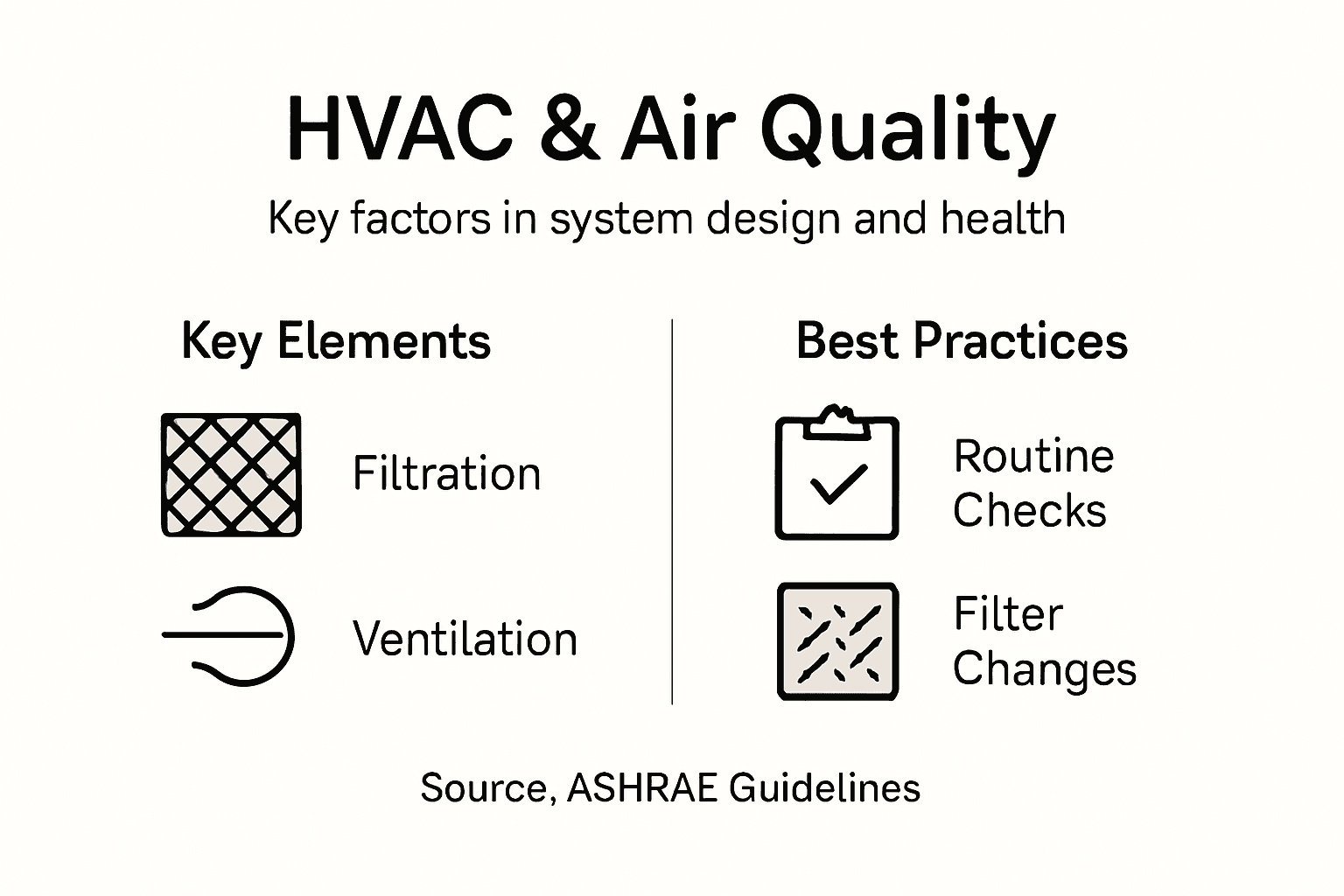
Effective indoor air quality management demands a holistic perspective that integrates mechanical system performance, environmental science, and proactive maintenance protocols. This approach requires understanding complex interactions between building systems, occupant behaviors, and environmental conditions to create consistently healthy indoor environments.
Pro tip: Schedule professional HVAC system assessments twice annually to ensure comprehensive indoor air quality and system performance optimization.
Common Challenges and Mistakes in HVAC Management
Effective HVAC management demands meticulous attention to detail and proactive problem prevention. Inspection challenges in commercial HVAC systems reveal numerous critical pitfalls that can compromise system performance, energy efficiency, and indoor air quality.
Key challenges in HVAC management include:
- Inconsistent Maintenance: Neglecting routine system inspections and cleaning
- Improper System Balancing: Failing to calibrate airflow and temperature controls
- Outdated Equipment: Continuing to operate inefficient or aging HVAC components
- Inadequate Filtration: Using low-quality or inappropriate air filtration systems
- Poor Documentation: Lack of comprehensive maintenance and performance records
Healthcare facility HVAC management reveals complex risk factors that extend beyond typical residential or commercial environments. These challenges include sophisticated issues like maintaining precise ventilation rates, managing complex pressurization requirements, and implementing robust infection control strategies.
Successful HVAC management requires a holistic approach that combines technical expertise, systematic monitoring, and continuous learning. Managers must develop comprehensive strategies that address not just immediate mechanical requirements, but also long-term system sustainability, energy efficiency, and occupant health considerations.
The following table summarizes common HVAC management mistakes and their long-term impacts:
| Mistake | Impact on System | Consequence for Building |
|---|---|---|
| Inconsistent Maintenance | Reduced performance | Higher energy bills |
| Improper Balancing | Uneven airflow | Uncomfortable occupants |
| Outdated Equipment | Increased breakdowns | Frequent repairs needed |
| Inadequate Filtration | Poor air quality | Health risks for residents |
| Poor Documentation | Unknown maintenance history | Harder troubleshooting |
Pro tip: Develop a detailed, digital maintenance tracking system that logs every inspection, repair, and performance metric to identify potential issues before they become critical problems.
Elevate Your Indoor Air Quality with Expert HVAC Cleaning Solutions
Understanding HVAC engineering reveals how critical air quality management is to health and comfort. This article highlighted challenges like contaminant buildup, inefficient airflow, and system maintenance gaps that can degrade indoor air quality and increase energy costs. If you are concerned about mold, allergens, or bacteria impacting your space, it is essential to take action using proven, science-backed methods for HVAC cleaning and disinfection.
Saniservice specializes in addressing these specific pain points through professional air conditioning cleaning and maintenance. Our NADCA-certified technicians meticulously dismantle and deep clean every AC component to eliminate hidden pollutants, ensuring safer air and enhanced system performance. Learn how we transform building environments by visiting our AC Cleaning & Maintenance – Saniservice AC Cleaning page.
Experience the difference of precision-engineered indoor air quality solutions rooted in cutting-edge science and Swiss-quality service. Explore our successful projects through Case Studies – Saniservice AC Cleaning and take the first step toward a healthier, more energy-efficient home or business. Visit Saniservice today and ensure your HVAC system supports optimum comfort, health, and efficiency now.
Frequently Asked Questions
What is HVAC engineering?
HVAC engineering is a specialized field focused on designing systems that ensure optimal indoor environmental conditions, encompassing temperature, humidity, and air quality management.
How does HVAC impact indoor air quality?
HVAC systems manage indoor air quality by controlling ventilation, filtering pollutants, and regulating humidity levels to reduce allergens and contaminants in indoor environments.
What are the common types of HVAC systems?
The main types of HVAC systems include split systems, packaged systems, ductless mini-splits, centralized systems, and geothermal heat pumps, each suited to different building sizes and applications.
How can I improve the efficiency of my HVAC system?
Improving HVAC efficiency can be achieved through regular maintenance, upgrading to advanced controls, optimizing airflow, and ensuring proper insulation to reduce the workload on the system.
Recommended
- HVAC Cleaning for Energy Efficiency: Proven Impact
- Best Air Duct Cleaning Companies Near Me – Expert Comparison 2025 – Saniservice AC Cleaning
- Energy Efficiency and Airflow – 7 Smart Improvements for Better Performance
- HVAC Hygiene: Ensuring Clean, Healthy Indoor Air
- Air Quality and Carpets: Complete Guide for Homes – Yarra Valley Carpet Cleaning
- Service-Based Marketing: Driving Local HVAC Leads
Related articles

Why Your Interior Designer in Dubai Should Talk to an Air Quality Expert

Leave a Reply