

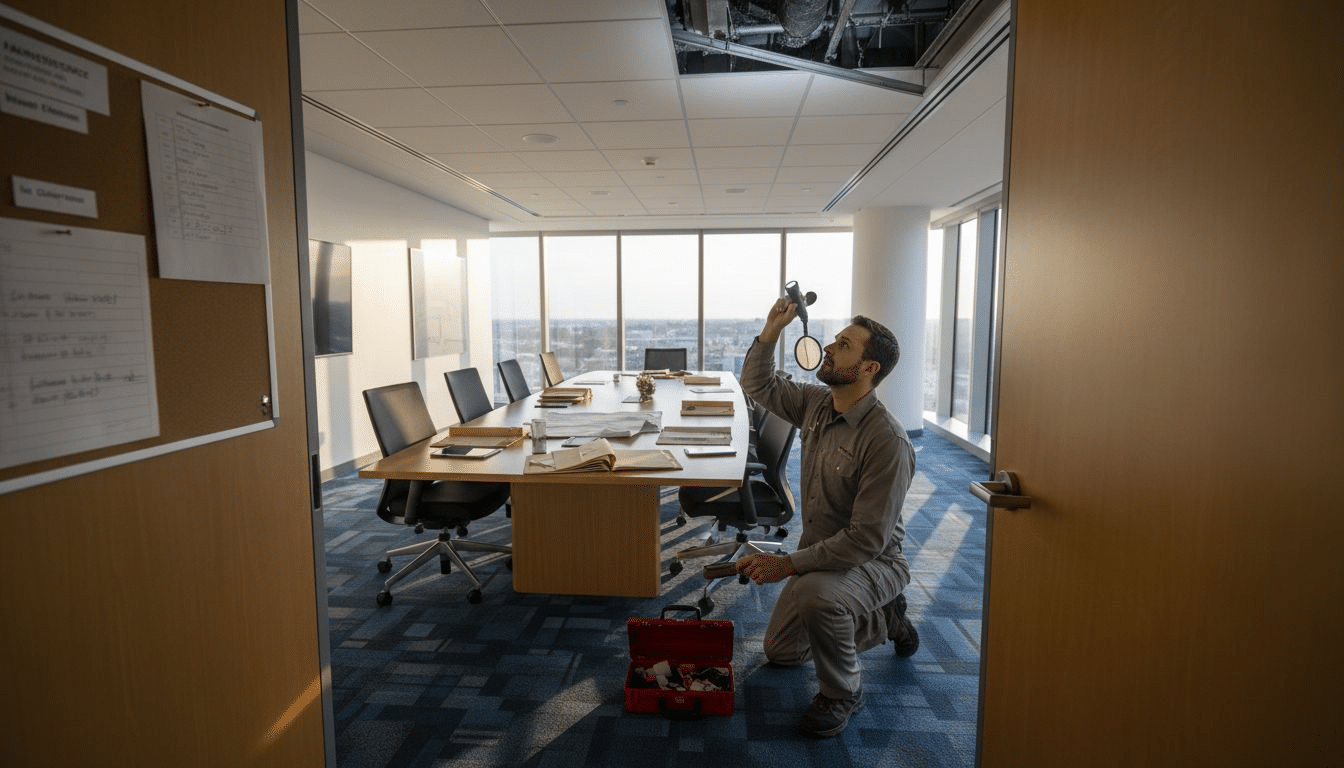
HVAC Hygiene: Ensuring Clean, Healthy Indoor Air
What is HVAC Hygiene is essential for fresh air and cool comfort are expected perks in every luxury villa, yet hidden risks can emerge when HVAC systems are left unchecked. In Dubai’s demanding climate, high humidity and dust set the stage for rapid microbial growth, which threatens both air quality and costly equipment. Expert HVAC hygiene goes beyond routine cleaning, protecting occupant health and system longevity through comprehensive maintenance and disinfection protocols. Discover practical strategies to safeguard indoor environments and maintain your property’s premium appeal.
Table of Contents
Contents
- 1 Table of Contents
- 2 Key Takeaways
- 3 Defining HVAC Hygiene and Key Principles
- 4 Main Methods and Types of HVAC Cleaning
- 5 Impact of HVAC Hygiene on Air Quality
- 6 Processes Used by Certified Technicians
- 7 Risks of Neglecting HVAC Hygiene
- 8 Take Control of Your Indoor Air Quality with Expert HVAC Hygiene Solutions
- 9 Frequently Asked Questions
- 10 Recommended
- Defining HVAC Hygiene and Key Principles
- Main Methods and Types of HVAC Cleaning
- Impact of HVAC Hygiene on Air Quality
- Processes Used by Certified Technicians
- Risks of Neglecting HVAC Hygiene
Key Takeaways
| Point | Details |
|---|---|
| Importance of HVAC Hygiene | Maintaining HVAC hygiene is crucial for ensuring clean air quality and preventing microbial contamination in indoor environments. |
| Comprehensive Cleaning Methods | Utilize a range of HVAC cleaning methods, including mechanical and chemical treatments, to effectively remove contaminants and enhance system efficiency. |
| Role of Certified Technicians | Employ certified technicians who follow systematic processes and adhere to professional standards for optimal HVAC maintenance. |
| Consequences of Neglect | Neglecting HVAC hygiene can lead to health risks, decreased air quality, and increased repair costs, especially in high-humidity environments like Dubai. |
Defining HVAC Hygiene and Key Principles
HVAC hygiene represents a comprehensive approach to maintaining clean, safe, and efficient indoor air systems through systematic cleaning, disinfection, and maintenance practices. At its core, this discipline focuses on preventing microbial contamination and ensuring optimal air quality for residential and commercial environments in Dubai and across the United Arab Emirates.
The fundamental principles of HVAC hygiene stem from understanding how air conditioning systems can become breeding grounds for harmful microorganisms. Healthcare facility ventilation standards highlight critical considerations for maintaining healthy indoor environments. These principles include:
- Preventing microbial growth in system components
- Ensuring proper filtration and air circulation
- Controlling humidity and moisture levels
- Regular inspection and professional cleaning
- Implementing strategic disinfection protocols
Understanding the scientific foundation of HVAC hygiene requires recognizing the complex interactions between mechanical systems, environmental conditions, and potential microbial contamination. Airborne pathogens can proliferate rapidly in poorly maintained HVAC systems, transforming what should be a comfort technology into a potential health risk.
According to ASHRAE principles of heating and ventilation, effective HVAC hygiene involves a multidisciplinary approach that integrates mechanical engineering, microbiology, and indoor environmental quality management. This holistic perspective ensures that air conditioning systems not only regulate temperature but also contribute to overall occupant health and wellness.
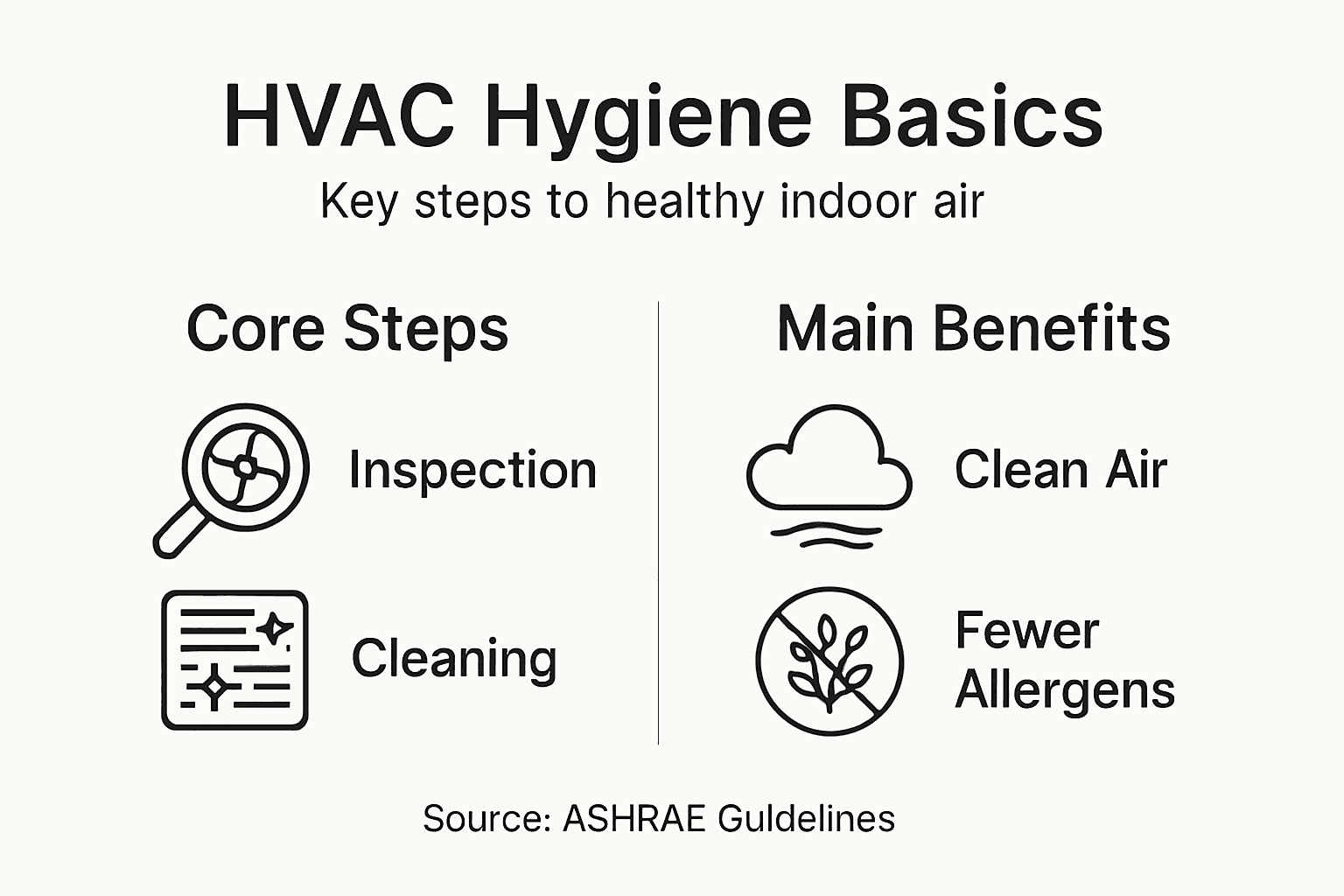
Pro tip: Schedule professional HVAC system inspections at least twice annually to proactively identify and mitigate potential hygiene risks before they escalate into more significant problems.
Main Methods and Types of HVAC Cleaning
HVAC cleaning encompasses a range of specialized techniques designed to remove contaminants, improve air quality, and maintain system efficiency in residential and commercial environments across Dubai. Air duct cleaning methods focus on systematically removing accumulated debris, dust, and potential microbial growth from intricate system components.
The primary methods of HVAC cleaning can be categorized into several key approaches:
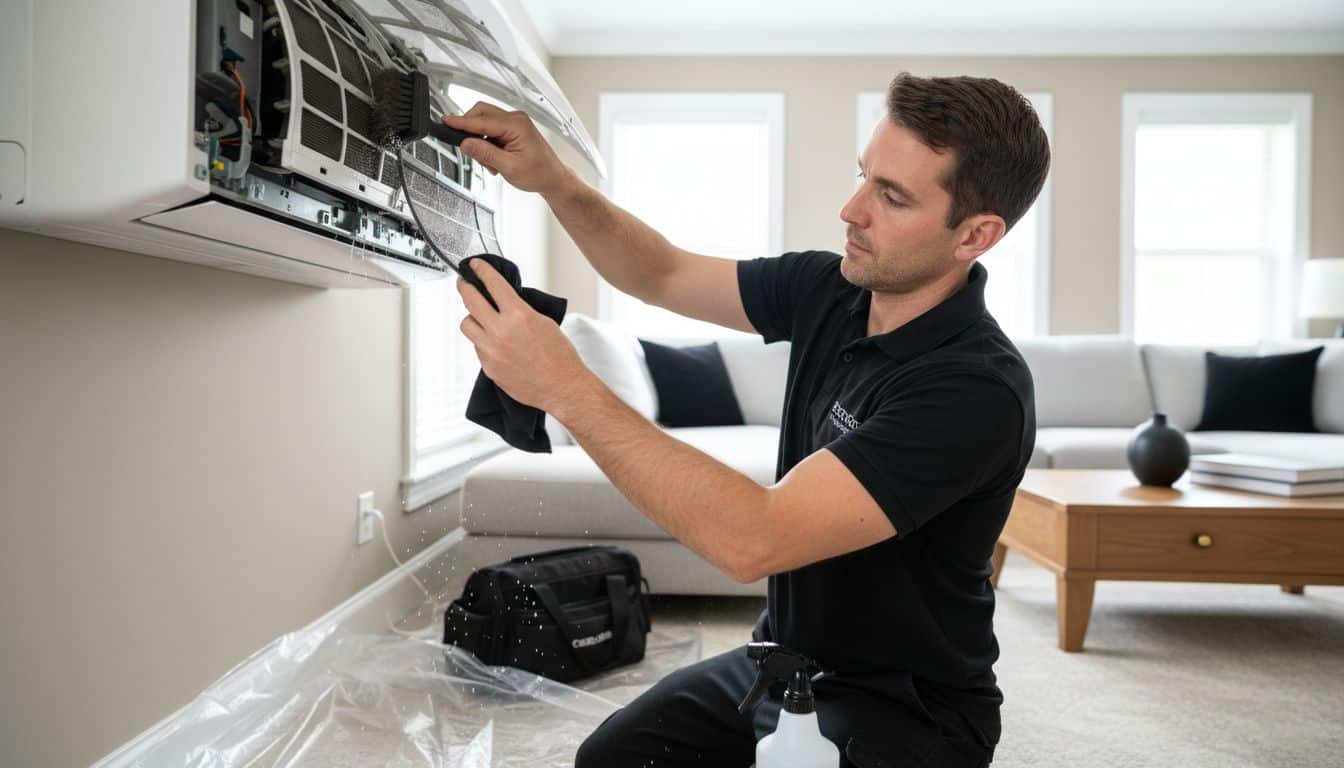
- Mechanical cleaning: Physical removal of dust and debris using specialized brushes and high-powered vacuums
- Chemical treatment: Application of EPA-approved disinfectants to eliminate microbial contaminants
- UV-C light disinfection: Advanced technological method for neutralizing microorganisms
- Thermal cleaning: Heat-based sanitization techniques for eliminating biological growth
- Compressed air cleaning: Precision removal of particulates from delicate system components
ASHRAE-recommended cleaning protocols involve a comprehensive approach that goes beyond surface-level maintenance. According to HVAC cleaning principles, effective cleaning requires a systematic process that addresses each system component uniquely. This includes targeted cleaning of air handlers, ductwork, cooling coils, and ventilation registers.
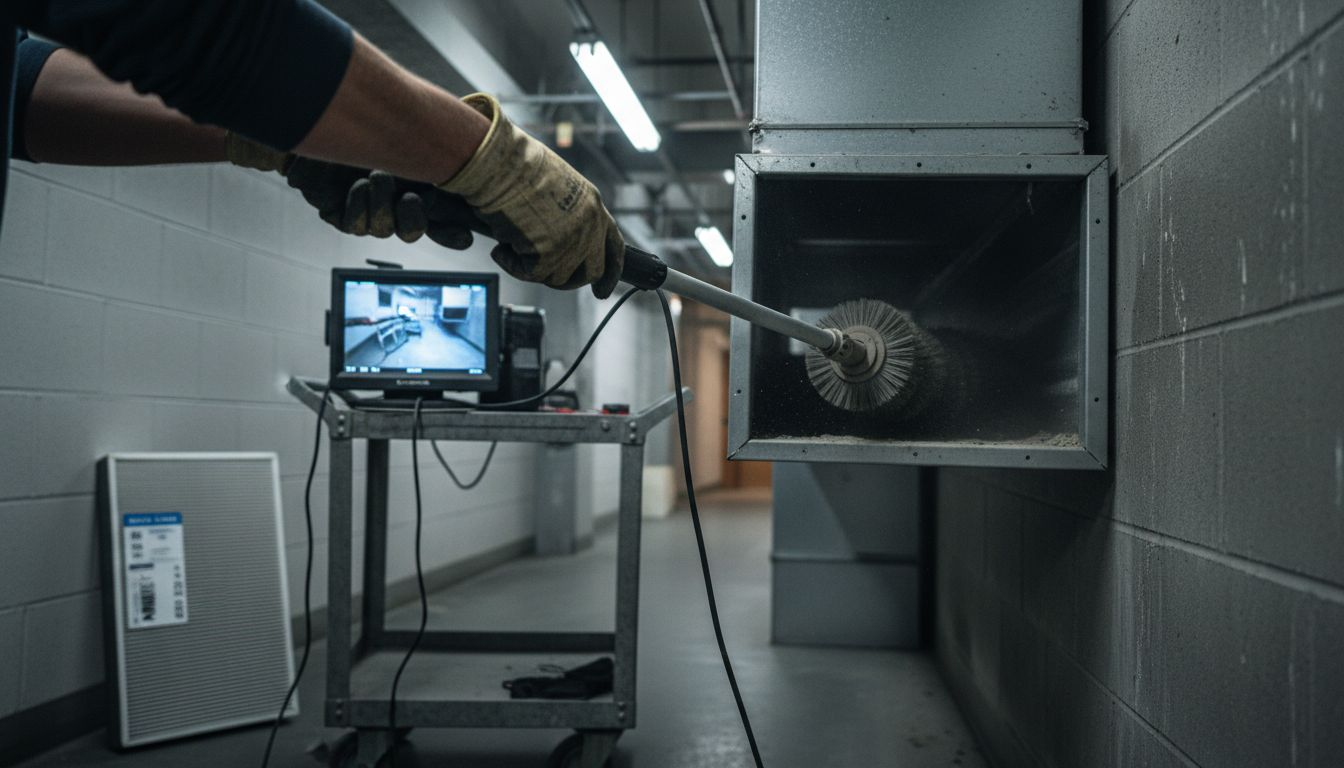
Here’s a summary of common HVAC cleaning methods and their unique benefits:
| Cleaning Method | Technology Used | Typical Benefit |
|---|---|---|
| Mechanical cleaning | Brushes and high-powered vacuums | Removes physical debris and dust |
| Chemical treatment | EPA-approved disinfectants | Kills bacteria and viruses |
| UV-C light disinfection | Ultraviolet lighting | Neutralizes microorganisms |
| Thermal cleaning | Controlled heat application | Eliminates biological growth |
| Compressed air cleaning | Pressurized air equipment | Cleans delicate system parts |
Professional HVAC cleaning in Dubai’s unique climate demands particular attention to moisture control and dust mitigation. The region’s high temperatures and humidity levels create ideal conditions for microbial growth, making thorough and precise cleaning methodologies crucial for maintaining healthy indoor environments.
Pro tip: Invest in professional HVAC cleaning that uses multiple cleaning methods, ensuring comprehensive removal of contaminants and maximizing your system’s performance and longevity.
Impact of HVAC Hygiene on Air Quality
Indoor air quality is fundamentally linked to the condition and maintenance of HVAC systems, representing a critical factor in creating healthy living and working environments. Ventilation and indoor air quality research demonstrates that poorly maintained systems can become significant sources of contamination and health risks.
The primary impacts of HVAC hygiene on air quality include:
- Reduction of airborne particulate matter
- Elimination of microbial growth and potential pathogens
- Control of humidity and moisture levels
- Mitigation of volatile organic compound (VOC) concentrations
- Prevention of allergen and dust mite accumulation
In the unique environmental context of Dubai, where high temperatures and humidity create challenging conditions, maintaining optimal HVAC hygiene becomes even more crucial. Indoor air quality assessment strategies reveal that comprehensive HVAC maintenance can significantly reduce the risk of sick building syndrome, which can lead to decreased productivity and increased health complications.
Professional HVAC hygiene practices go beyond simple cleaning, encompassing a holistic approach to creating healthier indoor environments. By systematically addressing potential contamination sources, these practices ensure that air conditioning systems not only regulate temperature but also actively contribute to improved air quality and occupant well-being.
Compare the effects of good versus poor HVAC hygiene on indoor air quality:
| HVAC Hygiene Status | Impact on Air Quality | Health Outcomes |
|---|---|---|
| Well-maintained | Low particulate levels | Fewer allergies, higher productivity |
| Poorly maintained | Increased contaminants | More illness, sick building risks |
Pro tip: Implement a comprehensive HVAC maintenance schedule that includes regular professional cleaning and air quality monitoring to proactively protect your indoor environment.
Processes Used by Certified Technicians
HVAC certification represents a rigorous professional standard that ensures technicians possess the specialized knowledge and skills required to maintain complex air conditioning systems with precision and expertise. Technician certification requirements mandate comprehensive training and examination to guarantee safe and effective system maintenance.
Certified technicians typically employ a systematic approach that includes:
- Comprehensive initial system diagnostic assessment
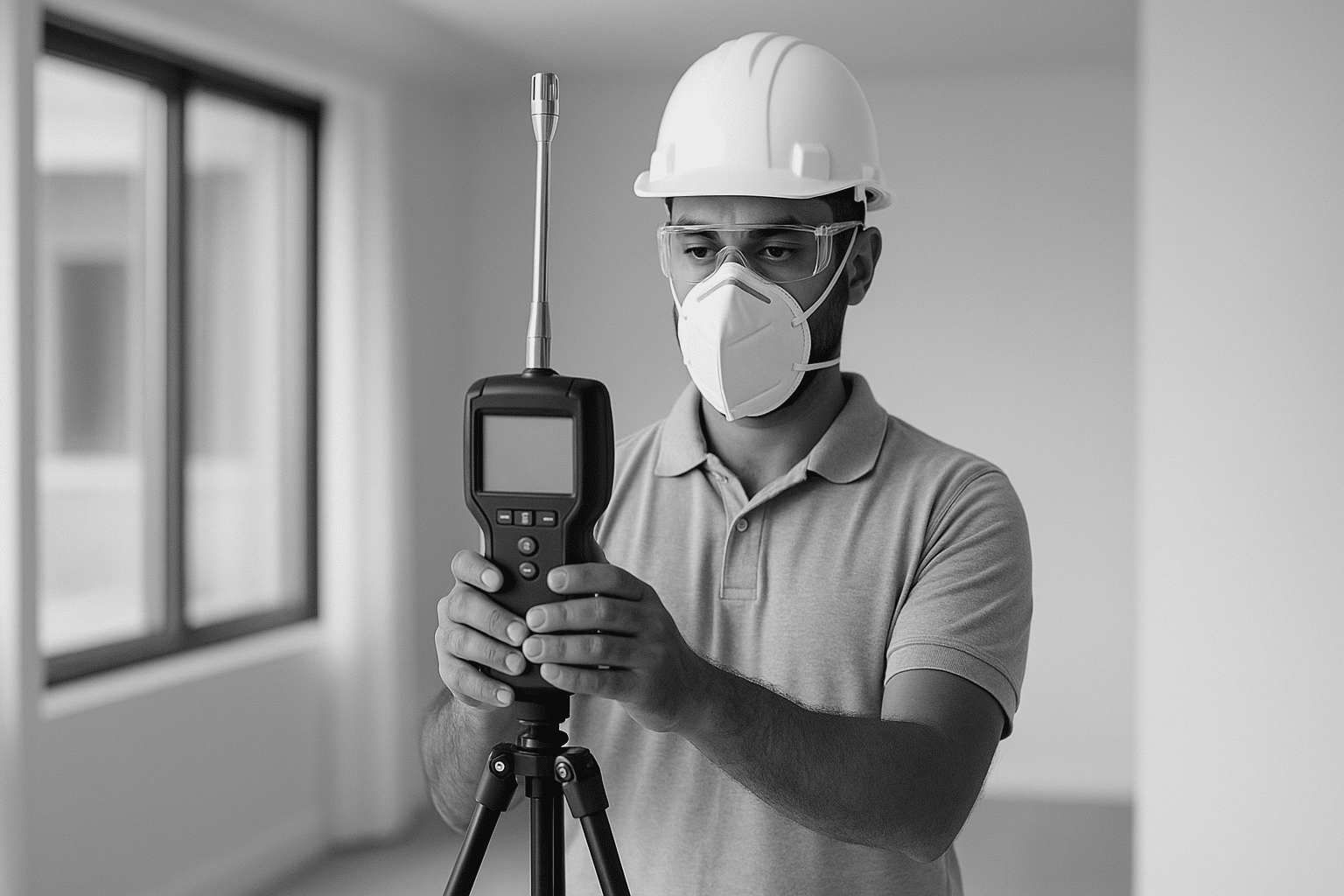
- Detailed visual and instrumental inspection of HVAC components
- Precise cleaning and sanitization protocols
- Advanced microbial detection and elimination techniques
- Environmental compliance verification
- Performance and efficiency optimization
The professional processes utilized by certified technicians go far beyond basic maintenance. ASHRAE certification standards emphasize a holistic approach that integrates technical expertise with scientific understanding of indoor environmental quality. These professionals are trained to identify subtle indicators of system degradation that untrained personnel might overlook.
In the context of Dubai’s demanding climate, certified technicians must adapt their processes to address unique environmental challenges. This includes managing high humidity levels, mitigating dust accumulation, and implementing specialized cleaning techniques that protect sensitive HVAC system components from accelerated wear and potential contamination.
Pro tip: Request documented certification credentials and ask technicians to walk you through their specific inspection and cleaning methodology before service begins.
Risks of Neglecting HVAC Hygiene
HVAC system neglect represents a significant health and operational risk for residential and commercial properties in Dubai’s challenging environmental conditions. Indoor air quality assessment reveals that poor maintenance can lead to substantial long-term consequences affecting both human health and system performance.
The primary risks of neglecting HVAC hygiene include:
- Accelerated microbial growth and potential pathogen proliferation
- Increased respiratory health complications
- Reduced system energy efficiency
- Compromised indoor air quality
- Higher long-term repair and replacement costs
- Potential exacerbation of allergies and chronic respiratory conditions
In the specific context of Dubai’s high-temperature and high-humidity environment, air duct contamination risks become even more pronounced. Unchecked moisture and dust accumulation create ideal conditions for rapid microbial growth, potentially transforming HVAC systems from comfort technologies into significant health hazards.
Professional HVAC hygiene is not merely a maintenance task but a critical health intervention. The complex interactions between system components, environmental conditions, and potential contaminants demand systematic, scientific approaches to cleaning and maintenance that go far beyond superficial cleaning techniques.
Pro tip: Schedule professional HVAC system assessments every six months to proactively identify and mitigate potential contamination risks before they become serious health and operational problems.
Take Control of Your Indoor Air Quality with Expert HVAC Hygiene Solutions
Poor HVAC hygiene leads to microbial growth, allergens, and diminished air quality that can threaten your health and comfort. The challenges highlighted in the article around preventing contamination, controlling humidity, and ensuring thorough disinfection are exactly what Saniservice specializes in. Our NADCA-certified technicians apply precise cleaning and advanced disinfection methods to eliminate mold, bacteria, and dust from every AC component — ensuring your system promotes clean, safe, and efficient air circulation.
Don’t wait until poor air quality impacts your well-being or your HVAC system’s performance. Explore our AC Cleaning & Maintenance – Saniservice AC Cleaning services to experience how scientific precision meets Swiss-quality service. See how we have transformed indoor environments in real cases at Case Studies – Saniservice AC Cleaning. Visit https://saniacservice.com today to schedule your professional HVAC hygiene service and breathe healthier air immediately.
Frequently Asked Questions
What does HVAC hygiene involve?
HVAC hygiene involves maintaining clean, safe, and efficient indoor air systems through systematic cleaning, disinfection, and maintenance practices to prevent microbial contamination and ensure optimal air quality.
Why is regular HVAC cleaning important for air quality?
Regular HVAC cleaning is crucial for improving air quality by reducing airborne particulate matter, eliminating microbial growth and pathogens, and controlling humidity and moisture levels, which can lead to healthier indoor environments.
What are some common methods used in HVAC cleaning?
Common HVAC cleaning methods include mechanical cleaning with specialized brushes and vacuums, chemical treatment using EPA-approved disinfectants, UV-C light disinfection, thermal cleaning, and compressed air cleaning.
How often should HVAC systems be professionally inspected?
It is recommended to schedule professional HVAC system inspections at least twice annually to proactively identify and mitigate potential hygiene risks before they escalate into significant problems.


Leave a Reply