


Energy efficiency checklist for Dubai homes: cut AC costs in 2026
Dubai’s relentless heat pushes air conditioning systems to work overtime, driving electricity bills to painful heights for homeowners and property managers. Many struggle without a clear roadmap to reduce these costs while maintaining comfortable indoor temperatures. This checklist provides actionable, expert-backed steps to improve AC energy efficiency in 2026, combining smart technology, proven maintenance practices, and strategic upgrades. By following these criteria, you can significantly lower your DEWA bills and extend the lifespan of your cooling systems.
Table of Contents
Contents
- 1 Table of Contents
- 2 Key takeaways
- 3 Energy efficiency checklist criteria for Dubai homes
- 4 Smart thermostats and optimal thermostat settings
- 5 Regular AC maintenance and cleaning practices
- 6 Upgrading to energy-efficient AC units and building insulation
- 7 Comparing energy-saving technologies and strategies
- 8 Professional AC services that maximize energy efficiency
- 9 Frequently asked questions
- 9.1 What temperature should I set my AC to save energy in Dubai?
- 9.2 How often should I clean my AC filters in Dubai’s climate?
- 9.3 Do smart thermostats really reduce electricity bills?
- 9.4 When should I replace my AC unit for better energy efficiency?
- 9.5 How does insulation help reduce AC energy consumption?
- 10 Recommended
- Energy Efficiency Checklist Criteria For Dubai Homes
- Smart Thermostats And Optimal Thermostat Settings
- Regular AC Maintenance And Cleaning Practices
- Upgrading To Energy-Efficient AC Units And Building Insulation
- Comparing Energy-Saving Technologies And Strategies
- Professional AC Services That Maximize Energy Efficiency
- Frequently Asked Questions
Key takeaways
| Point | Details |
|---|---|
| Smart thermostat use | Remote control and automation reduce energy consumption by optimizing cooling schedules. |
| Regular maintenance | Professional cleaning and filter replacement boost efficiency by up to 20%. |
| Energy-efficient upgrades | A++ rated AC units and proper insulation cut cooling costs by up to 30%. |
| Strategic temperature settings | Setting thermostats to 24-26°C balances comfort with significant energy savings. |
Energy efficiency checklist criteria for Dubai homes
Selecting the right energy-saving measures for your AC system requires understanding what actually drives costs in Dubai’s unique climate. The foundation starts with understanding DEWA tariffs and energy slabs, which penalize high consumption with progressively expensive rates. Staying within lower tariff brackets can save hundreds of dirhams monthly.
Your checklist should evaluate four core criteria. First, assess your current thermostat settings and control systems, as even small adjustments yield measurable savings. Second, examine your maintenance schedule, since neglected AC units consume far more energy than properly serviced ones. Third, consider technology upgrades that offer long-term returns on investment. Fourth, evaluate building factors like insulation and window treatments that reduce the cooling load before your AC even starts working.
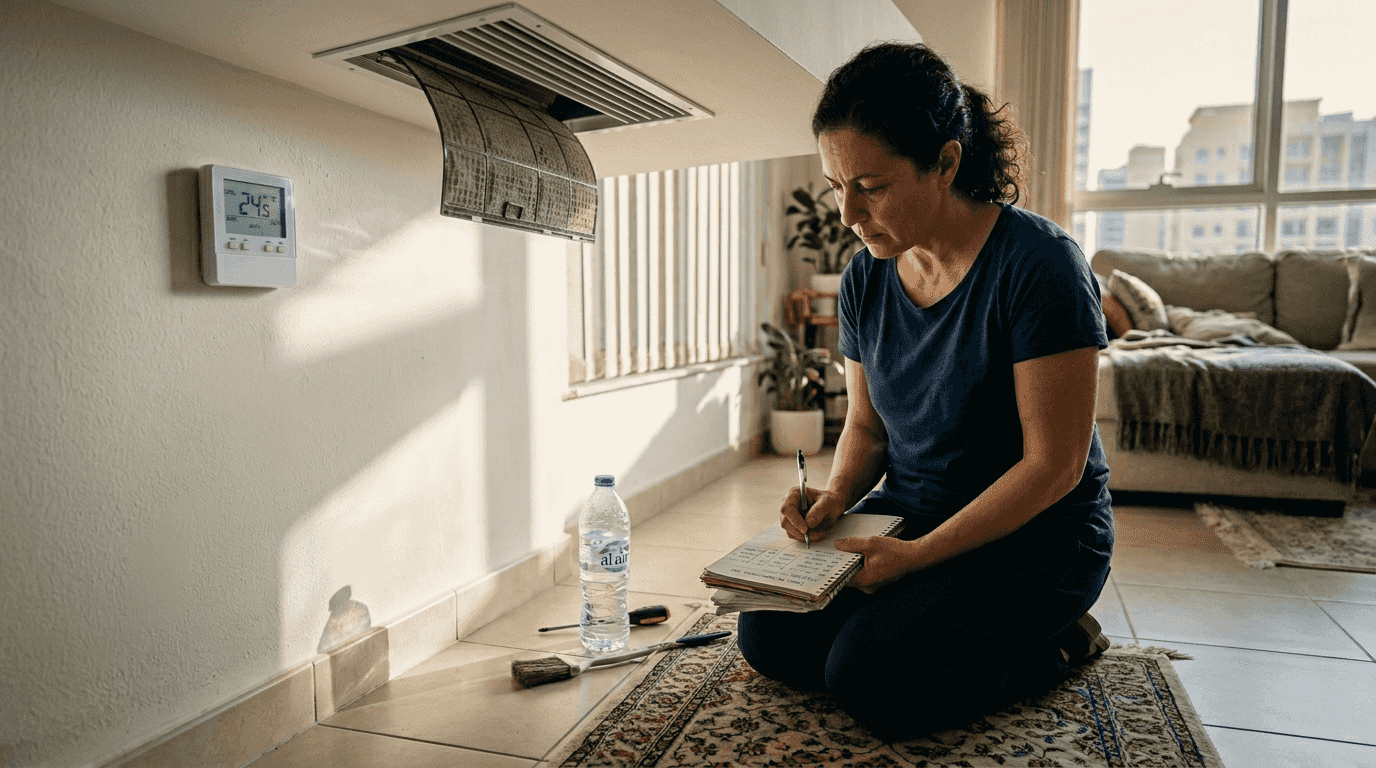
Applying these criteria means looking beyond quick fixes. You need a systematic approach that addresses both equipment performance and environmental factors. The checklist below follows these principles to recommend practical steps tailored for Dubai’s extreme summer conditions and year-round cooling demands.
Key evaluation factors include:
- DEWA tariff awareness to avoid crossing into expensive consumption slabs
- Temperature settings that maintain comfort without excessive energy draw
- Maintenance frequency and quality of service providers
- Equipment age and efficiency ratings compared to modern standards
- Building envelope quality, including insulation and air sealing
- Window shading and thermal barriers that reduce heat gain
For comprehensive strategies beyond this checklist, explore our HVAC energy saving tips Dubai guide. The following sections break down each criterion into actionable checklist items you can implement immediately.
Smart thermostats and optimal thermostat settings
Smart thermostats reduce energy consumption through remote control and intelligent automation that learns your schedule. These devices allow you to adjust cooling from anywhere, preventing wasted energy when rooms are empty. You can program temperature changes around your daily routine, ensuring comfort when you’re home and conservation when you’re not.
The science behind thermostat settings is straightforward. Setting AC thermostat to 24°C balances comfort and efficiency, with each degree lower increasing consumption by approximately 5%. Many Dubai residents default to 18-20°C, unknowingly doubling their cooling costs. The human body adapts comfortably to 24-26°C indoors, especially when paired with ceiling fans that enhance perceived cooling.
Research confirms that adjusting thermostat by a few degrees saves up to 10% on electricity bills without sacrificing livability. During sleep hours, SLEEP mode maintains optimal conditions while gradually adjusting temperature, preventing the energy spikes from constant manual changes.
Smart thermostat features worth prioritizing:
- Geofencing that detects when you leave home and adjusts automatically
- Learning algorithms that optimize schedules based on your patterns
- Zone control for cooling only occupied areas
- Energy usage reports that identify wasteful habits
- Integration with home automation systems for coordinated efficiency
Pro Tip: Set your smart thermostat to pre-cool your home 30 minutes before you arrive, then maintain 25°C rather than dropping to 20°C upon entry. This approach uses less total energy than shocking a hot space with extreme cooling.
“The difference between 22°C and 25°C might feel minimal after acclimation, but the energy savings compound dramatically over Dubai’s long cooling season. Small adjustments create substantial financial impact.”
Pairing smart technology with proper maintenance ensures your system operates at peak efficiency. Even the most advanced thermostat cannot compensate for a dirty, poorly maintained AC unit. Our air conditioning cleaning checklist provides the maintenance framework to support your smart thermostat investment.
Regular AC maintenance and cleaning practices
Neglected AC systems work harder and consume more energy to achieve the same cooling output. Regular AC maintenance can improve efficiency by up to 20%, making it one of the highest-return activities on this checklist. Dubai’s dusty environment accelerates filter clogging and coil fouling, demanding more frequent attention than cooler climates.
Air filters trap dust, pollen, and particles, but blocked filters force your system to work exponentially harder. Cleaning or replacing filters monthly during peak summer prevents this energy drain. Refrigerant levels directly impact cooling capacity, and even small leaks force compressors to run longer cycles. Annual refrigerant checks catch these issues before they destroy efficiency and damage equipment.
Ductwork and building envelope integrity matter just as much as the AC unit itself. Gaps around ducts, windows, and doors leak cooled air while admitting hot outdoor air, creating an endless cycle of waste. Sealing these leaks and ensuring proper insulation reduces the cooling load substantially. Regular maintenance is key for saving on electricity costs while maintaining the comfort levels Dubai residents expect.
Essential maintenance tasks for your checklist:
- Monthly filter inspection and cleaning or replacement
- Quarterly professional coil cleaning to remove buildup
- Annual refrigerant level checks and leak repairs
- Biannual duct inspection and sealing of air leaks
- Seasonal drainage line clearing to prevent water damage and mold
- Thermostat calibration to ensure accurate temperature readings
Pro Tip: Schedule professional deep cleaning before summer starts in April. A thoroughly cleaned system entering peak season operates at maximum efficiency when you need it most, preventing the compounding energy waste of a dirty unit running for months.
Maintenance alone cannot overcome the limitations of outdated, inefficient equipment. Understanding why AC maintenance saves energy helps you recognize when servicing reaches diminishing returns and upgrades become necessary. Our AC maintenance benefits Dubai guide explores the full spectrum of advantages beyond energy savings.
Upgrading to energy-efficient AC units and building insulation
Older AC units lack the efficiency standards that modern A++ rated models achieve through advanced compressor technology and improved heat exchange design. Energy-efficient AC units can reduce cooling costs by up to 30% compared to standard models, making replacement a financially sound decision for systems over 10 years old. The upfront investment typically pays for itself within three to five years through lower DEWA bills.
Building insulation works synergistically with efficient equipment. Proper insulation reduces heat gain by up to 40%, cutting the AC load before your system even activates. In Dubai’s climate, this means focusing on roof insulation, reflective window films, and thermal barriers on sun-facing walls. Quality insulation keeps cooled air inside while blocking the relentless external heat.
LED lighting and energy-efficient appliances contribute to overall reduction by generating less internal heat. Traditional incandescent bulbs waste energy as heat, forcing your AC to work harder. Switching to LEDs eliminates this double penalty while cutting lighting costs simultaneously.
| Upgrade Type | Energy Savings | Payback Period | Implementation Difficulty |
|---|---|---|---|
| A++ AC Unit | 25-30% | 3-5 years | Professional installation required |
| Roof Insulation | 15-20% | 2-4 years | Moderate, one-time project |
| Window Films | 10-15% | 1-2 years | Easy, DIY possible |
| LED Lighting | 5-8% | 6-12 months | Very easy, immediate |
The table shows that combining multiple upgrades creates compounding benefits. Installing an A++ unit without addressing insulation leaves significant savings unrealized. Conversely, perfect insulation cannot overcome an inefficient AC system’s inherent waste. The most cost-effective approach layers improvements, starting with quick wins like LED bulbs and window films, then progressing to major investments.
Learn more about maximizing equipment performance through our energy efficiency in AC resource. Next, we compare these technologies directly to help you prioritize based on your specific situation and budget constraints.
Comparing energy-saving technologies and strategies
Choosing between smart thermostats, maintenance programs, equipment upgrades, and insulation improvements requires understanding their relative impact and requirements. Each strategy offers distinct advantages depending on your current setup, budget, and timeline. Intelligent climate control achieved 30% reduction in annual cooling energy use in luxury Dubai properties, demonstrating the ceiling for comprehensive approaches.
Smart thermostats deliver immediate results with minimal upfront cost, making them ideal first steps. They require ongoing user engagement to maximize benefits but offer flexibility and control. Maintenance routines provide consistent efficiency gains and prevent costly breakdowns, though they demand regular scheduling and professional service costs. Equipment upgrades represent the largest investment but offer the highest long-term savings, especially when replacing units over a decade old.
Insulation and building envelope improvements create permanent efficiency gains that benefit any AC system you install. Unlike technology that becomes obsolete, quality insulation continues performing for decades. The challenge lies in the disruption and cost of retrofitting existing structures, making these upgrades most practical during renovations.
| Strategy | Annual Savings | Initial Cost | Maintenance Needs | Best For |
|---|---|---|---|---|
| Smart Thermostat | 10-15% | AED 800-2000 | Minimal, software updates | Renters, immediate impact seekers |
| Professional Maintenance | 15-20% | AED 500-1000/year | Quarterly to annual service | All homeowners, preventive approach |
| A++ AC Upgrade | 25-30% | AED 15000-40000 | Standard maintenance | Systems over 10 years old |
| Insulation Package | 15-25% | AED 10000-30000 | None after installation | Homeowners, long-term residents |
Combining strategies amplifies results beyond simple addition. A smart thermostat controlling an A++ unit in a well-insulated space can achieve 40-50% total savings compared to baseline inefficient setups. Start with low-cost, high-impact changes like thermostat upgrades and regular maintenance, then plan major investments as budgets allow.
Ideal implementation scenarios:
- New homeowners: Assess insulation first, then upgrade AC units if needed
- Budget-conscious residents: Smart thermostat plus rigorous maintenance schedule
- Long-term property owners: Full insulation package with A++ equipment
- Rental properties: Smart thermostats for tenant control with landlord maintenance oversight
For detailed implementation guidance across all these strategies, visit our comprehensive HVAC energy saving tips Dubai resource. The next section connects these technical solutions with professional services that ensure proper execution.
Professional AC services that maximize energy efficiency
Implementing this checklist effectively requires more than knowledge. It demands precision execution, especially for maintenance and cleaning tasks that directly impact system performance. Saniservice brings scientific rigor to AC cleaning and disinfection, combining our in-house microbiology laboratory with NADCA-certified technicians who understand the energy implications of every component.
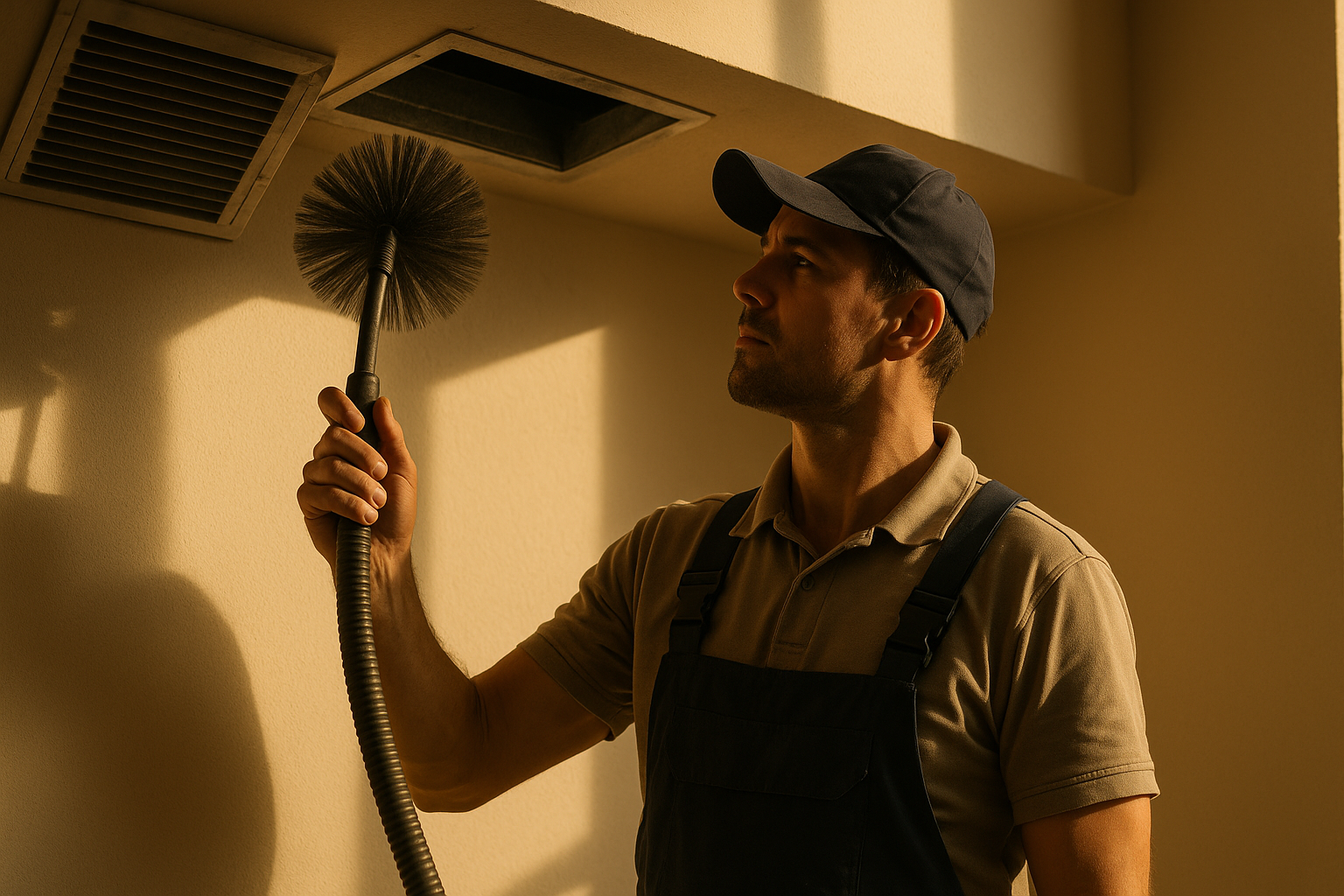
Our approach goes beyond surface cleaning. We meticulously dismantle and deep-clean coils, blowers, ducts, and drainage systems using hospital-grade, chemical-free biosanitizers. This level of thoroughness removes the microbial growth and particulate buildup that forces systems to work harder, directly translating to lower energy consumption and extended equipment lifespan.
Backed by triple ISO certification and trusted by healthcare facilities and government agencies across the UAE, we deliver measurable improvements in both air quality and system efficiency. When you combine our evidence-based cleaning protocols with the smart thermostat settings and insulation strategies outlined in this checklist, you create a comprehensive energy efficiency program that cuts costs while improving indoor comfort. Our Indoor Sciences team can assess your specific setup and recommend the optimal combination of services and upgrades for maximum DEWA bill reduction.
Frequently asked questions
What temperature should I set my AC to save energy in Dubai?
Set your thermostat to 24-26°C for optimal balance between comfort and efficiency, as each degree lower increases energy use by approximately 5%.
How often should I clean my AC filters in Dubai’s climate?
Clean or replace AC filters monthly during summer and every two months in cooler seasons, as Dubai’s dust accelerates clogging and reduces efficiency.
Do smart thermostats really reduce electricity bills?
Yes, smart thermostats typically reduce cooling costs by 10-15% through automated scheduling, remote control, and learning algorithms that optimize usage patterns.
When should I replace my AC unit for better energy efficiency?
Replace AC units over 10 years old or those requiring frequent repairs, as modern A++ rated models can cut cooling costs by 25-30% compared to older systems.
How does insulation help reduce AC energy consumption?
Quality insulation blocks heat gain by up to 40%, reducing the cooling load on your AC system and allowing it to maintain comfortable temperatures with less energy.

Leave a Reply