


Importance of Indoor Air Quality for Health and Value
Every luxury property in Dubai faces the invisible challenge of maintaining clean air behind its walls. Indoor air quality affects everything from tenant health to real estate value, with poor conditions linked to respiratory issues, reduced comfort, and increased maintenance needs. By understanding the complex elements behind indoor air quality and using science-driven solutions, property managers and villa owners can create safer, healthier, and more attractive living environments.
Table of Contents
Contents
- 1 Table of Contents
- 2 Key Takeaways
- 3 Defining Indoor Air Quality and Its Impact
- 4 Major Indoor Pollutants and Their Sources
- 5 Health Consequences of Poor Indoor Air Quality
- 6 Economic and Property Value Implications
- 7 Best Practices for Maintaining Clean Indoor Air
- 8 Elevate Your Indoor Air Quality with Expert AC Cleaning
- 9 Frequently Asked Questions
- 10 Recommended
- Defining Indoor Air Quality and Its Impact
- Major Indoor Pollutants and Their Sources
- Health Consequences of Poor Indoor Air Quality
- Economic and Property Value Implications
- Best Practices for Maintaining Clean Indoor Air
Key Takeaways
| Point | Details |
|---|---|
| Understanding Indoor Air Quality (IAQ) | IAQ is essential for human health, influencing comfort and well-being through its various components. Regular assessments are crucial to identify and mitigate risks. |
| Major Indoor Pollutants | Common pollutants include VOCs, carbon monoxide, and particulate matter, originating from sources like cooking and building materials. Managing these pollutants is vital for health. |
| Health Risks of Poor IAQ | Poor indoor air quality is linked to respiratory diseases, neurological development issues in children, and compromised immune systems. Proactive management is necessary to protect inhabitants, especially in urban settings. |
| Economic Implications of IAQ | Superior IAQ enhances property value and occupant productivity while reducing healthcare costs. Investment in air quality measures can yield significant long-term economic benefits. |
Defining Indoor Air Quality and Its Impact
Indoor Air Quality (IAQ) represents the comprehensive assessment of atmospheric conditions within buildings that directly influence human health, comfort, and overall well-being. This critical environmental factor encompasses multiple complex elements that determine the safety and livability of interior spaces.
According to scientific research, air quality within buildings significantly impacts occupants through various physiological and environmental mechanisms. IAQ is not simply about temperature or humidity, but a sophisticated interaction between numerous environmental variables including:
- Chemical pollutant concentrations
- Particulate matter levels
- Biological contaminant presence
- Ventilation effectiveness
- Temperature and humidity balance
Professional assessments reveal that poor indoor air quality can lead to serious health complications. Indoor environmental factors contribute to respiratory issues, decreased cognitive performance, and increased susceptibility to various medical conditions. Residents in Dubai’s urban environments are particularly vulnerable due to specific architectural and climate-related challenges.
The primary components affecting IAQ include volatile organic compounds (VOCs), carbon dioxide, particulate matter, microbial contaminants, and potential gaseous pollutants. These elements interact dynamically within enclosed spaces, creating complex environmental scenarios that require sophisticated monitoring and management strategies.
Pro Tip: Conduct periodic indoor air quality assessments to proactively identify and mitigate potential health risks before they escalate.
Major Indoor Pollutants and Their Sources
Indoor air pollutants are complex chemical and biological contaminants that compromise the safety and health of interior environments. These invisible threats emerge from multiple sources, creating intricate challenges for maintaining healthy living spaces in Dubai’s unique urban landscape.
Indoor air pollution originates from diverse sources that can be categorized into several critical groups:
- Combustion-related pollutants from heating and cooking appliances
- Chemical emissions from building materials and furniture
- Biological contaminants like mold, bacteria, and dust mites
- Outdoor air infiltration carrying particulate matter
- Household cleaning product residues
- Personal care product volatile organic compounds (VOCs)
The most prevalent indoor pollutants in residential and commercial spaces include carbon monoxide, particulate matter, volatile organic compounds, radon, and microbial contaminants. Air quality research reveals that these pollutants can originate from unexpected sources, such as new furniture off-gassing, inadequately maintained HVAC systems, and even everyday activities like cooking and cleaning.
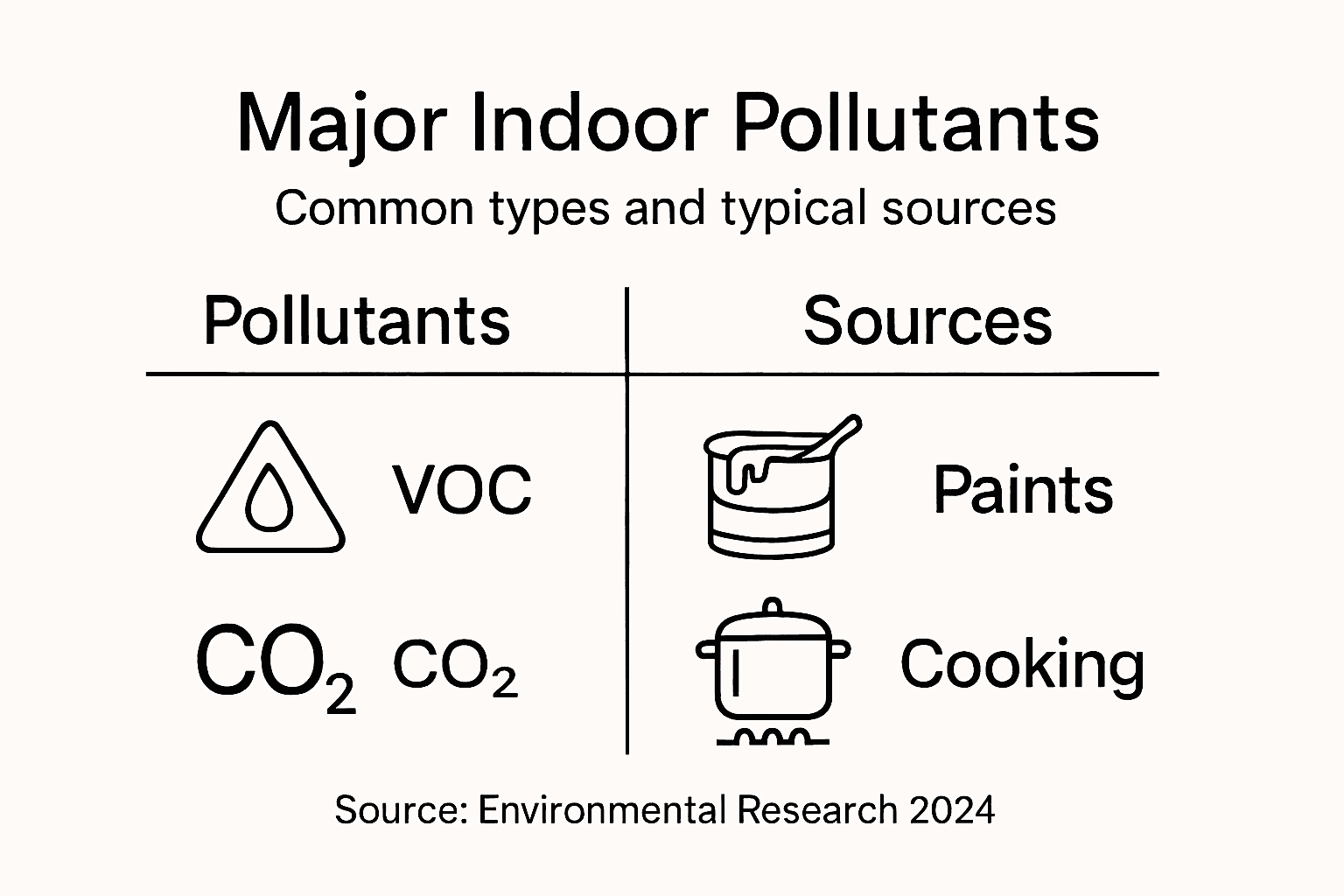
In Dubai’s climate, where buildings are sealed to maintain cool temperatures, these pollutants can become concentrated, creating potentially hazardous indoor environments. The interaction between high humidity, temperature, and limited ventilation can exacerbate pollutant accumulation, making professional air quality assessment and management crucial for maintaining healthy living and working spaces.
Here’s a summary comparing major indoor pollutants and their typical effects on health and property:
| Pollutant Type | Common Source | Key Health Impact | Property Effect |
|---|---|---|---|
| Carbon monoxide | Gas heaters, stoves | Headaches, dizziness, poisoning | No visible damage |
| Volatile organic compounds (VOCs) | Paint, furniture, cleaning products | Eye irritation, cognitive decline | Odor, material degradation |
| Particulate matter | Outdoor air, cooking, smoking | Respiratory diseases, heart stress | Dust buildup, filter aging |
| Microbial contaminants | Mold, bacteria, HVAC systems | Allergies, infections | Staining, odors, structural risk |
| Radon | Soil gas infiltration | Increased cancer risk | No immediate property effect |
Pro Tip: Invest in high-quality air purification systems and conduct regular indoor air quality assessments to proactively manage and minimize potential pollutant risks.
Health Consequences of Poor Indoor Air Quality
Poor indoor air quality represents a significant and often overlooked health risk that can profoundly impact human physiology, particularly in densely populated urban environments like Dubai. The invisible nature of these pollutants makes them particularly insidious, capable of causing long-term health complications across multiple biological systems.
Early childhood development research reveals alarming connections between indoor air pollution and critical health outcomes:
- Impaired neurological development in children
- Compromised immune system functionality
- Disrupted metabolic processes
- Potential genetic expression modifications
- Increased respiratory disease risks
- Cardiovascular system complications
Respiratory health studies demonstrate that prolonged exposure to indoor pollutants can trigger or exacerbate serious medical conditions. Chronic respiratory diseases like asthma and chronic obstructive pulmonary disease (COPD) are particularly sensitive to indoor air quality variations, with symptoms including persistent coughing, wheezing, and breathing difficulties.

In Dubai’s climate, where residents spend significant time in sealed, air-conditioned environments, the concentration of indoor pollutants can become dramatically elevated. This unique environmental context amplifies potential health risks, making professional indoor air quality assessment not just a recommendation, but a critical health intervention for protecting vulnerable populations.
Pro Tip: Schedule comprehensive indoor air quality testing annually and invest in high-efficiency air purification systems to proactively mitigate potential health risks.
Economic and Property Value Implications
Indoor air quality extends far beyond health considerations, representing a critical economic factor that directly influences property valuation, occupant productivity, and long-term real estate investments. In Dubai’s competitive property market, understanding these economic implications becomes paramount for property managers, investors, and homeowners.
Building performance standards reveal significant economic benefits associated with superior indoor air quality management:
- Increased property market attractiveness
- Reduced healthcare-related expenses
- Enhanced occupant productivity
- Lower employee absenteeism rates
- Improved tenant retention
- Higher rental and resale property values
Indoor environmental quality research demonstrates that properties with comprehensive air quality management can command premium pricing. Potential tenants and buyers increasingly view sophisticated indoor air systems as a critical evaluation criterion, transforming air quality from a background consideration to a primary value determinant in Dubai’s real estate landscape.
Economic implications extend beyond immediate property valuation. Companies and residential complexes investing in advanced air quality monitoring and remediation technologies signal a commitment to occupant well-being, creating competitive differentiation in a market increasingly focused on holistic health and environmental performance.
Compare the potential economic benefits of maintaining excellent indoor air quality:
| Benefit Area | Impact on Occupants | Impact on Property Value |
|---|---|---|
| Health & Wellness | Fewer sick days, energy boost | Higher tenant demand, premium rents |
| Productivity | Increased concentration | Favorable reviews, reputation |
| Operational Costs | Lower medical expenses | Reduced HVAC maintenance costs |
| Market Appeal | Safer environment | Enhanced resale opportunities |
Pro Tip: Conduct professional indoor air quality assessments before property listings to potentially increase market value and attract discerning tenants or buyers.
Best Practices for Maintaining Clean Indoor Air
Indoor air quality management requires a comprehensive, multifaceted approach that goes beyond simple surface-level interventions. Residents and property managers in Dubai must adopt strategic techniques to mitigate pollutants and create healthier interior environments.
Professional air quality guidelines recommend implementing several core strategies:
- Minimize pollution sources through careful material selection
- Enhance ventilation and air circulation systems
- Install high-efficiency particulate air (HEPA) filtration
- Conduct regular HVAC system maintenance
- Monitor humidity and temperature levels
- Use low-emission cleaning and personal care products
- Implement periodic indoor air quality assessments
Respiratory health recommendations emphasize the importance of proactive pollutant control. This includes avoiding indoor tobacco smoke, ensuring proper venting of combustion appliances, reducing chemical cleaning agent usage, and maintaining clean air filtration systems to protect respiratory health and overall indoor environmental quality.
In Dubai’s unique climate, where air conditioning systems are critical, additional considerations become paramount. Comprehensive air quality management involves not just filtration, but understanding how building design, material choices, and maintenance practices interact to create healthier indoor environments.
Pro Tip: Invest in professional indoor air quality testing and establish a regular maintenance schedule to systematically reduce potential health risks.
Elevate Your Indoor Air Quality with Expert AC Cleaning
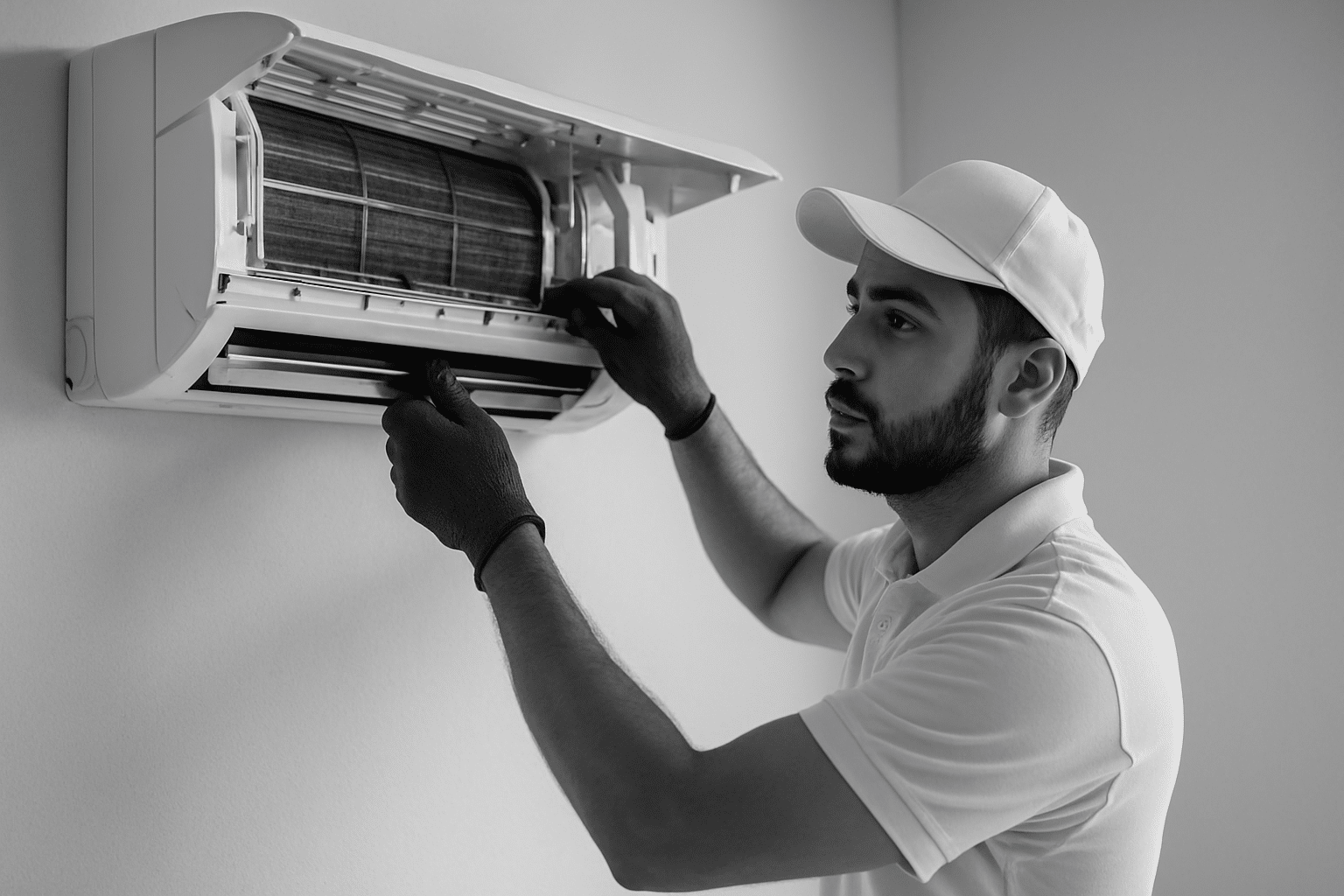
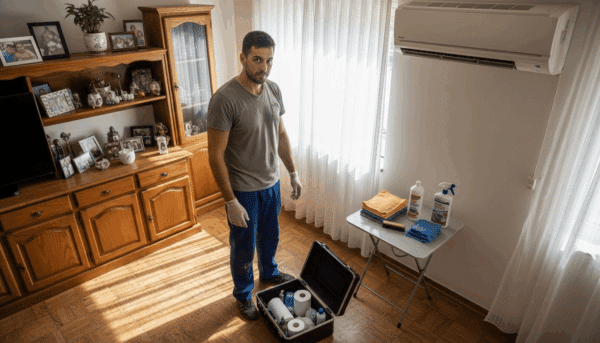
Poor indoor air quality poses serious health risks and affects your property’s value. Combat invisible threats like mold, bacteria, and allergens that settle inside AC systems with professional cleaning techniques that meet the highest standards. Saniservice combines Swiss precision with a dedicated Indoor Sciences team to thoroughly dismantle and disinfect every AC component using chemical-free hospital-grade biosanitisers for safer air and greater energy efficiency.
Experience the difference that scientifically backed AC cleaning and maintenance can make for your home or commercial space. Discover proven results in our Case Studies – Saniservice AC Cleaning and learn more about our comprehensive AC Cleaning & Maintenance – Saniservice AC Cleaning services.
Do not wait for invisible pollutants to impact your health or property value. Take control today and ensure a cleaner, healthier indoor environment in Dubai by visiting Saniservice. Schedule your professional indoor air quality assessment and AC deep clean now to protect your well-being and investment.
Frequently Asked Questions
What is indoor air quality (IAQ)?
Indoor air quality (IAQ) refers to the assessment of the air conditions within buildings that can affect human health, comfort, and overall well-being. It involves various factors, including chemical pollutant levels, particulate matter, biological contaminants, ventilation, temperature, and humidity.
How does poor indoor air quality impact health?
Poor indoor air quality can lead to severe health issues such as respiratory diseases, allergies, cognitive decline, and other long-term complications. Prolonged exposure to indoor pollutants may exacerbate conditions like asthma and compromise immune system functionality.
What are common indoor air pollutants?
Common indoor air pollutants include volatile organic compounds (VOCs) from paints and cleaning products, carbon monoxide from combustion appliances, particulate matter from cooking and smoking, and biological contaminants like mold and dust mites. These pollutants can significantly impact health and property if not managed properly.
How can I improve indoor air quality?
To improve indoor air quality, consider minimizing pollution sources, enhancing ventilation, utilizing high-efficiency air filters, maintaining HVAC systems, monitoring humidity levels, and opting for low-emission cleaning and personal care products. Regular indoor air quality assessments can also help identify and mitigate risks.
Recommended
- Could indoor air quality cause my symptoms? – Saniservice AC Cleaning
- 9 Critical Health Risks of Poor Indoor Air Quality Dubai Residents Must Know – Saniservice AC Cleaning
- Why Your Interior Designer in Dubai Should Talk to an Air Quality Expert
- Could poor indoor air quality cause my symptoms? – Saniservice AC Cleaning
- Understanding Home Cleaning Explained for Busy Lives | Rozie – Malta’s Best Cleaning Services
- Humidity and Linens: Impact on Guest Comfort – Lotus Linen


Leave a Reply