

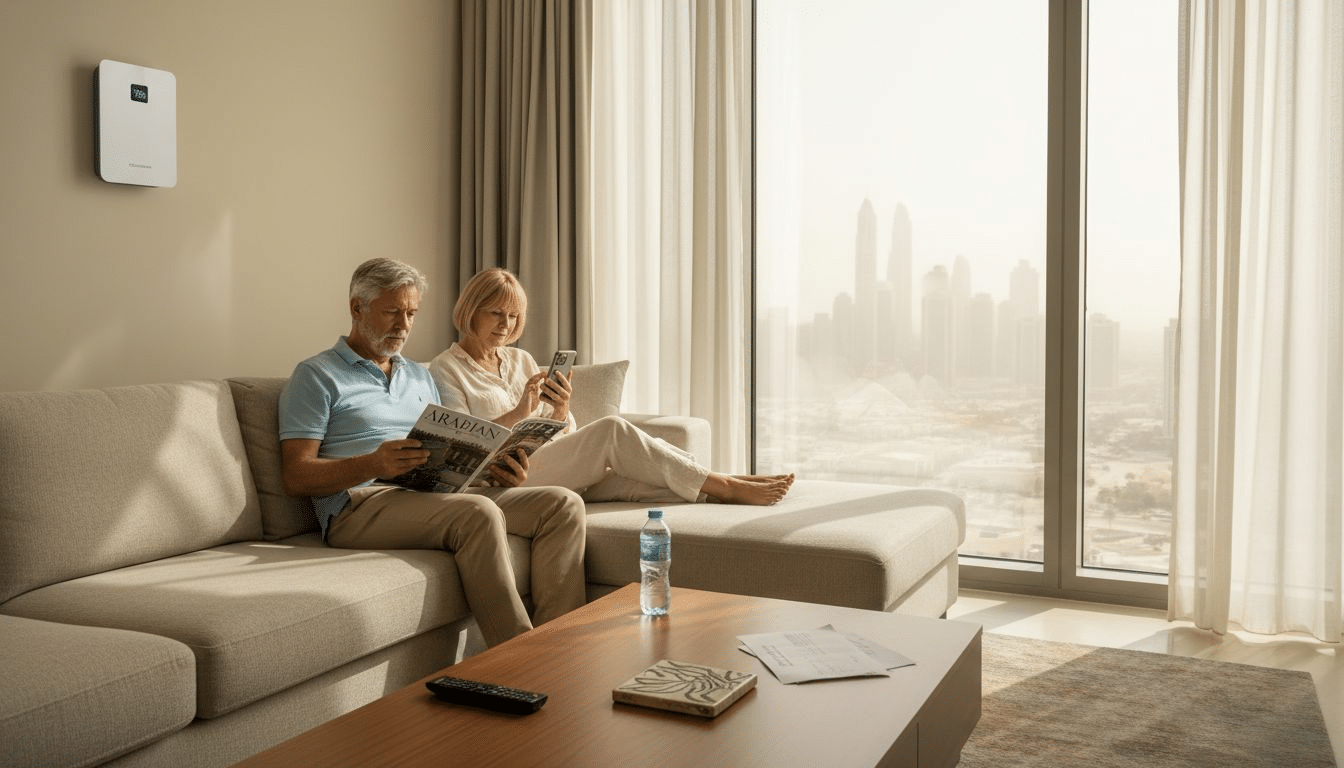
Indoor Air Quality – Why It Matters in Dubai Homes
Dubai’s striking architecture and modern living spaces often mask a hidden challenge for property managers and luxury villa owners: maintaining excellent indoor air quality. Indoor environments can harbor higher concentrations of pollutants than outdoor air, impacted by everything from building materials to ventilation systems. Ignoring these invisible risks does more than diminish tenant satisfaction—it also threatens compliance with Dubai’s evolving health and safety standards and could undermine a property’s reputation for comfort and well-being.
Table of Contents
Contents
- 1 Table of Contents
- 2 Key Takeaways
- 3 Defining Indoor Air Quality and Common Myths
- 4 Types and Sources of Indoor Pollutants
- 5 How Poor Air Quality Impacts Health and Life
- 6 Dubai’s Unique Challenges and Regulatory Standards
- 7 Science-Based Solutions for Cleaner Indoor Air
- 8 Take Control of Your Indoor Air Quality with Saniservice
- 9 Frequently Asked Questions
- 10 Recommended
- Defining Indoor Air Quality And Common Myths
- Types And Sources Of Indoor Pollutants
- How Poor Air Quality Impacts Health And Life
- Dubai’s Unique Challenges And Regulatory Standards
- Science-Based Solutions For Cleaner Indoor Air
Key Takeaways
| Point | Details |
|---|---|
| Importance of Indoor Air Quality | Indoor air quality significantly affects health, comfort, and performance, making understanding its components essential for residents in Dubai. |
| Common Myths | Many believe that modern homes ensure clean air, but this overlooks various pollution sources that can degrade indoor air quality. |
| Health Impacts | Poor indoor air quality can lead to respiratory issues, cardiovascular risks, and neurological effects, especially for vulnerable populations. |
| Regulatory Standards | Dubai has specific regulations to manage indoor air quality, tailored to its unique climate and environmental challenges, emphasizing ventilation and pollutant reduction. |
Defining Indoor Air Quality and Common Myths
Indoor air quality (IAQ) represents the environmental characteristics of air within inhabited spaces that impact human health, comfort, and performance. In Dubai’s unique climate, understanding IAQ becomes critically important for residents seeking optimal living conditions. Indoor air pollution can be more concentrated than outdoor pollution, creating potential risks many people do not recognize.
Research reveals several key components that define indoor air quality, including:
- Concentration of chemical pollutants
- Particulate matter levels
- Biological contaminants presence
- Humidity and temperature conditions
- Ventilation system effectiveness
Contrary to widespread misconceptions, indoor air chemistry reveals complex interactions that can significantly impact human health. Many Dubai residents mistakenly believe that modern homes automatically guarantee clean air, but this assumption overlooks critical environmental factors.
Common myths about indoor air quality persist, creating dangerous misunderstandings. Some prevalent misconceptions include:
- Only outdoor air is polluted
- Air conditioning automatically purifies indoor air
- Cleaning products do not impact air quality
- New buildings have inherently better air quality
Understanding these myths requires recognizing that indoor environments can harbor multiple pollution sources, from cooking emissions to building materials, furniture off-gassing, and inadequate ventilation systems. Each of these factors contributes to potential air quality degradation that might not be immediately visible.
Pro tip: Conduct an annual professional indoor air quality assessment to identify potential hidden pollution sources and ensure a healthier living environment.
Types and Sources of Indoor Pollutants
Indoor air pollution represents a complex environmental challenge, particularly in Dubai’s densely populated urban settings. Indoor pollutant sources range from human activities to building materials, creating a multifaceted health concern for residents. Volatile organic compounds (VOCs), particulate matter, and biological contaminants represent the primary categories of indoor pollutants that can significantly impact human health.
The primary types of indoor pollutants include:
- Chemical Pollutants
- Volatile organic compounds from paints
- Cleaning product emissions
- Off-gassing from furniture and building materials
- Biological Contaminants
- Mold spores
- Dust mites
- Pet dander
- Bacterial and viral particles
- Combustion Byproducts
- Carbon monoxide
- Nitrogen dioxide
- Smoke particles
Understanding the diverse sources of these pollutants becomes crucial for Dubai residents. Indoor environments can accumulate contaminants through multiple pathways, including outdoor air infiltration, human activities, and internal building system interactions. Cooking processes, smoking, use of personal care products, and even seemingly innocuous activities like using scented candles can contribute to indoor air pollution.
Specific sources of indoor pollutants in Dubai homes often include:
- Kitchen appliances and cooking emissions
- Air conditioning system particulates
- Building construction materials
- Personal care and cleaning product usage
- Outdoor pollution infiltration through windows and ventilation systems
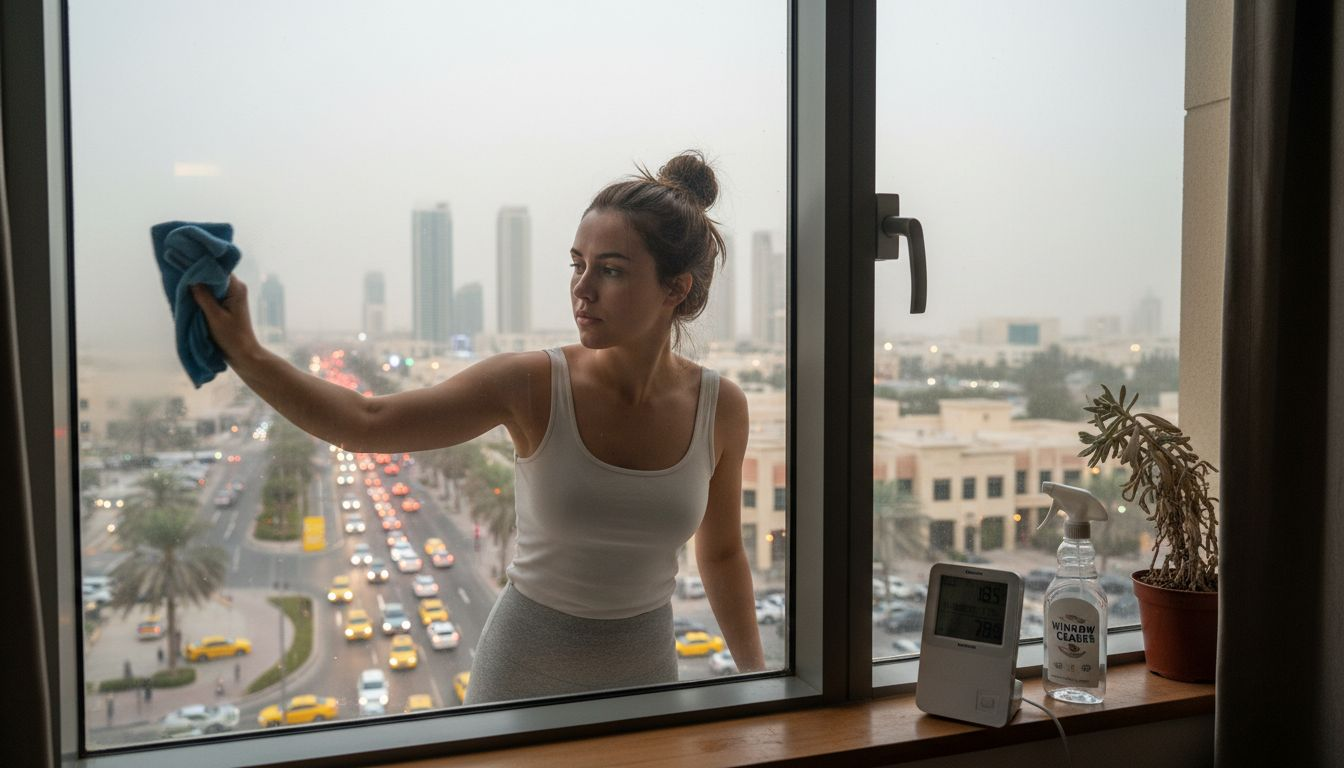
The unique climate of Dubai, characterized by high temperatures and humidity, can exacerbate indoor air quality challenges by creating ideal conditions for mold growth and chemical off-gassing. Residents must remain vigilant about potential pollution sources and their potential health implications.
Here’s how common indoor air pollutants compare in terms of origin and health risk:
| Pollutant Type | Main Origin in Dubai Homes | Primary Health Risk |
|---|---|---|
| Volatile Organic Compounds (VOCs) | Paints, furniture, cleaners | Headaches, allergic reactions |
| Particulate Matter | Cooking, AC systems, dust storms | Respiratory irritation |
| Biological Contaminants | Mold, pets, humidity | Asthma, infections |
| Combustion Byproducts | Cooking, vehicle infiltration | Cardiovascular stress |
Pro tip: Invest in high-quality air purification systems with HEPA filters and conduct regular indoor air quality assessments to minimize potential pollutant accumulation.
How Poor Air Quality Impacts Health and Life
Long-term exposure to poor indoor air quality represents a significant health challenge for Dubai residents, with consequences extending far beyond immediate respiratory concerns. Chronic air pollution can trigger a cascade of serious health complications affecting multiple bodily systems, from cardiovascular function to neurological performance. The invisible nature of these pollutants makes them particularly insidious, silently compromising human health over time.
The primary health impacts of poor indoor air quality include:
- Respiratory System Complications
- Increased asthma attacks
- Chronic bronchitis
- Reduced lung function
- Heightened susceptibility to respiratory infections
- Cardiovascular Risks
- Elevated heart disease potential
- Higher stroke probability
- Inflammation of blood vessels
- Compromised circulation
- Neurological and Cognitive Effects
- Potential cognitive decline
- Increased stress responses
- Potential links to neurodegenerative conditions
- Reduced mental performance
Children and elderly populations in Dubai face significantly higher risks from prolonged indoor air quality exposure. Vulnerable populations are particularly susceptible to the nuanced health impacts, with potential long-term developmental and degenerative consequences that may not become immediately apparent.
Specific health risks categorized by exposure duration include:
- Short-term exposure effects
- Headaches
- Fatigue
- Respiratory irritation
- Allergic reactions
- Long-term exposure risks
- Chronic respiratory diseases
- Cardiovascular complications
- Potential cancer development
- Compromised immune system
The unique environmental conditions of Dubai, characterized by high temperatures and enclosed living spaces, can amplify these health risks by concentrating pollutants and creating ideal conditions for their accumulation. Residents must remain proactive in understanding and mitigating these potential health challenges.
Pro tip: Conduct annual comprehensive indoor air quality assessments and invest in high-efficiency air purification systems to minimize potential health risks.
Dubai’s Unique Challenges and Regulatory Standards
Mandatory indoor air quality regulations represent a critical framework addressing Dubai’s distinctive environmental challenges. The United Arab Emirates has developed comprehensive standards that account for the region’s extreme climate, focusing on protecting residents from unique air quality risks associated with desert environments, high temperatures, and urban construction practices. Regulatory frameworks in Dubai go beyond generic international guidelines, tailoring approaches to local environmental conditions.
Key regulatory standards for indoor air quality in Dubai include:
- Ventilation Requirements
- Minimum air exchange rates
- Humidity control specifications
- Fresh air intake regulations
- Pollutant Concentration Limits
- Maximum volatile organic compound levels
- Particulate matter restrictions
- Formaldehyde emission controls
- HVAC System Standards
- Mandatory maintenance protocols
- Regular cleaning requirements
- Performance efficiency guidelines
The Dubai Municipality has developed sophisticated technical guidelines that address multiple dimensions of indoor environmental quality. These standards recognize the complex interactions between building design, climate conditions, and human health, establishing rigorous protocols for:
- Moisture control
- Ventilation management
- Pollutant source identification
- HVAC system maintenance
- Air filtration requirements
Unique environmental factors specific to Dubai significantly influence these regulatory approaches. The arid climate, characterized by extreme heat, dust storms, and limited natural ventilation, creates challenging conditions that demand specialized indoor air quality management strategies. Buildings must be designed and maintained to counteract these environmental stressors while maintaining occupant health and comfort.
Pro tip: Consult professional indoor air quality experts familiar with Dubai’s specific regulatory standards to ensure comprehensive compliance and optimal environmental performance.
Science-Based Solutions for Cleaner Indoor Air
Advanced air purification technologies represent a sophisticated approach to addressing indoor air quality challenges in Dubai’s unique environmental context. Scientific strategies for improving indoor air quality focus on a comprehensive, multifaceted methodology that goes beyond traditional filtration techniques, integrating cutting-edge research and technological innovations to create healthier living environments.
Key science-based solutions for cleaner indoor air include:
- Source Control Techniques
- Identifying and eliminating pollutant origins
- Reducing chemical emissions from materials
- Minimizing indoor contaminant generation
- Advanced Filtration Technologies
- High-efficiency particulate air (HEPA) filters
- Activated carbon filtration
- Nanotechnology-based air purification systems
- Ventilation Optimization
- Heat recovery ventilators
- Improved air exchange strategies
- Humidity and temperature management
The most effective approaches combine multiple strategies to address different aspects of indoor air quality. These comprehensive solutions consider the complex interactions between building materials, environmental conditions, and human activities. Dubai’s extreme climate demands particularly sophisticated air quality management techniques that balance energy efficiency with comprehensive pollutant removal.
Scientific approaches to indoor air purification now incorporate emerging technologies such as:
- Photocatalytic oxidation systems
- Biological air purification methods
- Advanced molecular filtration techniques
- Smart ventilation technologies
- Predictive air quality monitoring systems
These innovative solutions represent a significant leap beyond traditional air cleaning methods, providing more targeted and efficient approaches to maintaining optimal indoor environmental quality. By leveraging scientific research and technological advancements, residents can create safer, healthier living spaces that mitigate the unique challenges posed by Dubai’s environmental conditions.
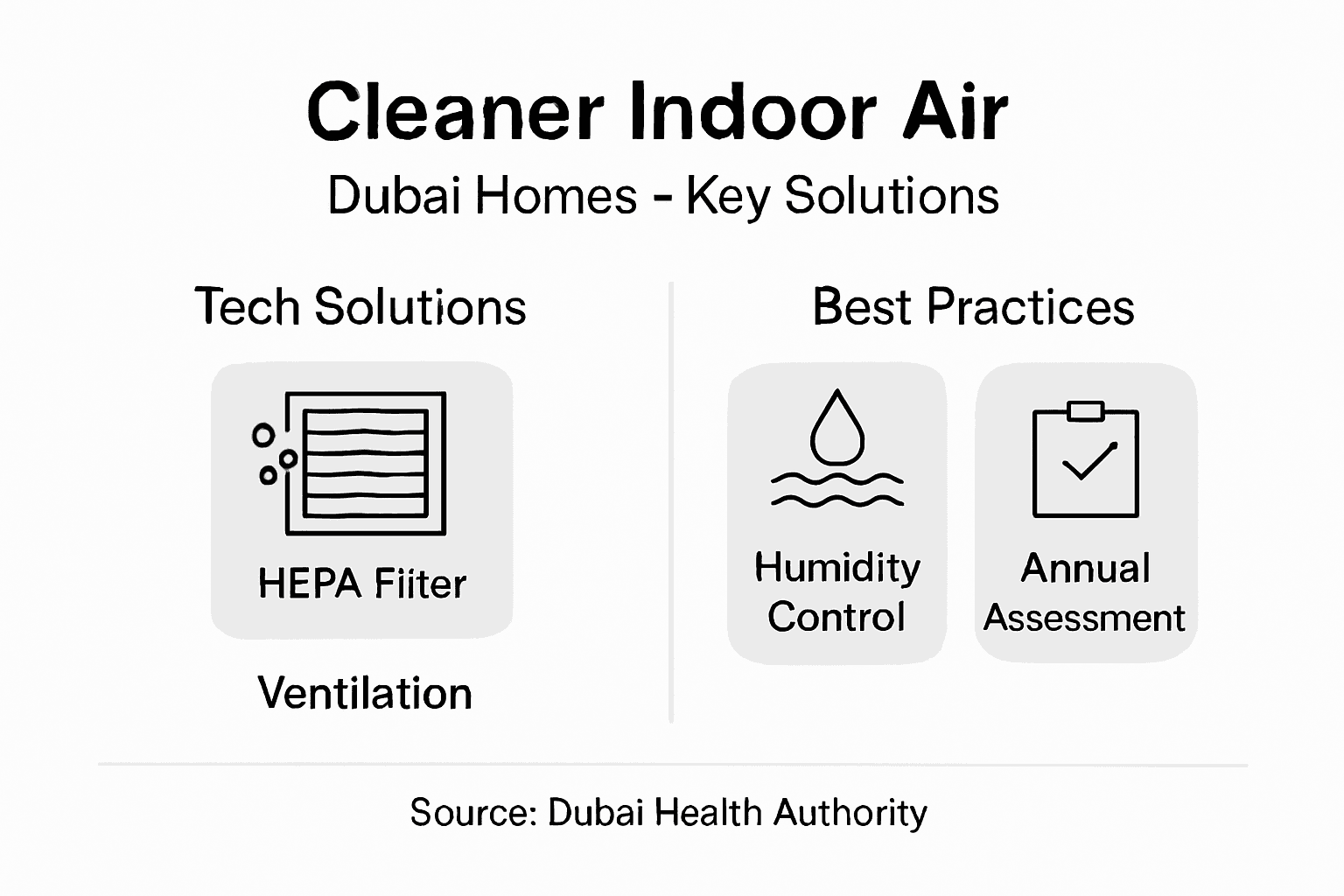
Below is a comparison of traditional versus advanced indoor air quality solutions used in Dubai:
| Solution Type | Main Technology | Effectiveness in Dubai’s Climate |
|---|---|---|
| Traditional | Basic HEPA filtration | Moderate, but humidity is a challenge |
| Advanced | Photocatalytic, Smart Sensors | High, adapts to extreme heat and dust |
| Combined Approach | Multi-stage systems | Comprehensive, addresses all pollutant types |
Pro tip: Invest in multi-stage air purification systems that combine multiple scientific approaches to comprehensively address indoor air quality challenges.
Take Control of Your Indoor Air Quality with Saniservice
Living in Dubai means facing unique indoor air quality challenges from heat, dust storms, and pollutant build-up that ordinary cleaning cannot resolve. The article highlights critical issues like mold growth, volatile organic compounds, and inadequate ventilation that silently impact your health and comfort. You deserve a safer home environment that protects your family from serious respiratory and cardiovascular risks.
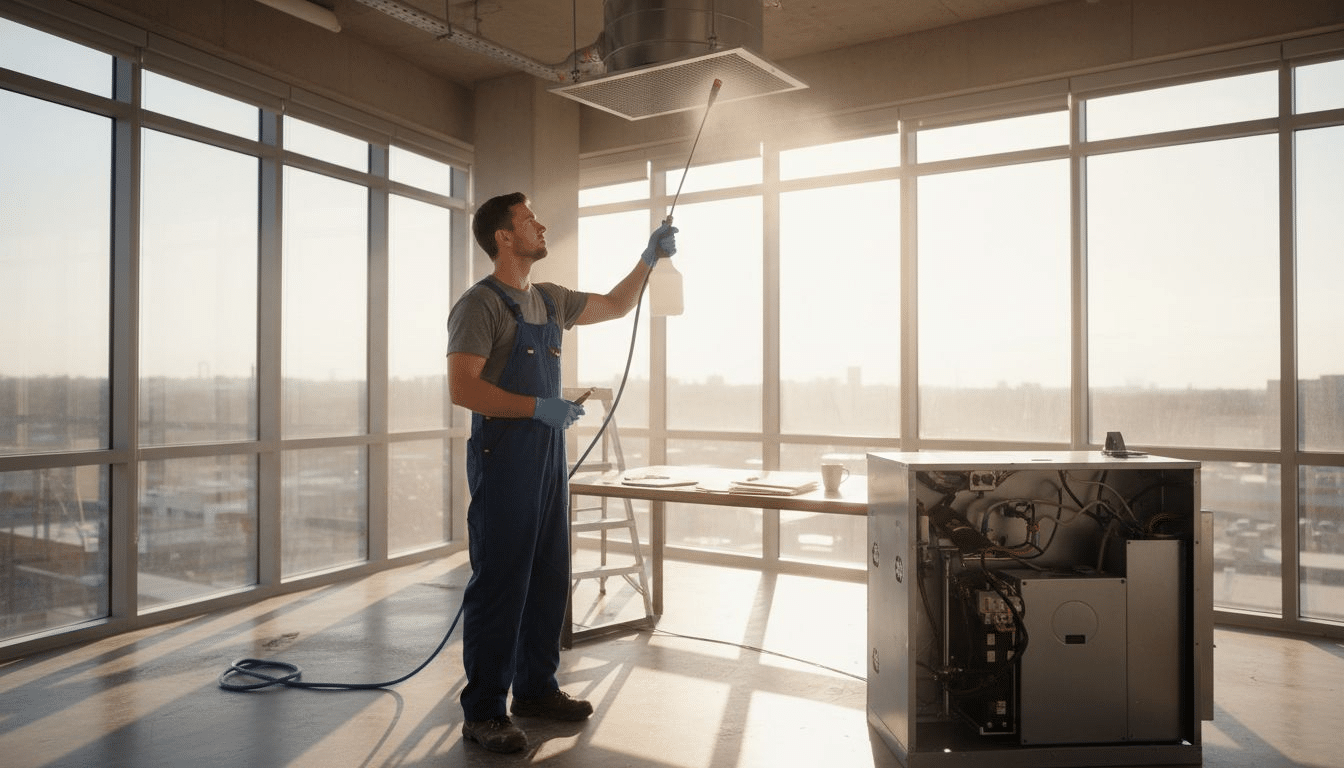
Saniservice specializes in professional air conditioning cleaning and disinfection tailored for Dubai’s distinct climate. Our NADCA-certified technicians use hospital-grade, chemical-free biosanitisers to eliminate mold, bacteria, and allergens in every part of your AC system. Backed by a multidisciplinary Indoor Sciences team and trusted by healthcare facilities, we combine Swiss-quality service with scientific precision to boost your indoor air quality and extend your system’s lifespan.
Don’t wait for poor air quality to affect your health. Experience the benefits of scientifically proven indoor hygiene with Saniservice’s expert solutions. Schedule your professional AC cleaning and take a decisive step toward healthier living today. Learn more about our commitment to cleaner air at Saniservice.
Frequently Asked Questions
What is indoor air quality (IAQ) and why is it important?
Indoor air quality (IAQ) refers to the condition of air within inhabited spaces that affects human health, comfort, and performance. It is crucial in Dubai homes due to potential risks from indoor air pollution, which can be more concentrated than outdoor pollution.
What are common sources of indoor air pollutants in homes?
Common sources include volatile organic compounds (VOCs) from paints and cleaning products, biological contaminants like mold and dust mites, and combustion byproducts from cooking and heating appliances.
How can poor indoor air quality affect health?
Poor indoor air quality can lead to respiratory problems, allergic reactions, cardiovascular issues, and neurological effects. Long-term exposure can result in chronic conditions and reduced overall health.
What are effective solutions for improving indoor air quality?
Effective solutions include source control techniques to eliminate pollutants, advanced filtration technologies such as HEPA filters, and proper ventilation optimization to enhance air exchange and reduce humidity.
Recommended
- How can I improve indoor air quality in my apartment? – Saniservice AC Cleaning
- 10 Must-Know Indoor Air Quality Improvement Solutions for Healthier Homes in Dubai – Saniservice AC Cleaning
- 9 Critical Health Risks of Poor Indoor Air Quality Dubai Residents Must Know – Saniservice AC Cleaning
- Could indoor air quality cause my symptoms? – Saniservice AC Cleaning
- How to Air Dry Clothes Indoors Like a Pro | Laundry Tips


Leave a Reply