Preventive HVAC maintenance guide for Dubai 2026
Dubai’s relentless heat and dust place extreme demands on your HVAC system, accelerating wear and compromising indoor air quality. Without regular preventive maintenance, homeowners face skyrocketing energy bills, shortened equipment lifespan, and unhealthy air laden with allergens and microbes. This guide provides clear, actionable steps to maintain your HVAC system for cleaner air, improved efficiency, and long-term savings tailored specifically to Dubai’s challenging climate.
Table of Contents
Contents
- 1 Table of Contents
- 2 Key takeaways
- 3 Understanding HVAC preventive maintenance and its importance
- 4 Prerequisites: what you need before starting preventive HVAC maintenance
- 5 Step-by-step preventive HVAC maintenance procedures
- 6 Common mistakes and troubleshooting in HVAC preventive maintenance
- 7 Maintenance timeline, frequency, and expected results in Dubai
- 8 Safety practices and warnings during HVAC maintenance
- 9 Enhance your HVAC maintenance with expert help from Saniservice
- 10 FAQ
- 11 Recommended
- Understanding HVAC Preventive Maintenance And Its Importance
- Prerequisites: What You Need Before Starting Preventive HVAC Maintenance
- Step-By-Step Preventive HVAC Maintenance Procedures
- Common Mistakes And Troubleshooting In HVAC Preventive Maintenance
- Maintenance Timeline, Frequency, And Expected Results In Dubai
- Safety Practices And Warnings During HVAC Maintenance
- Enhance Your HVAC Maintenance With Expert Help From Saniservice
- FAQ
Key takeaways
| Point | Details |
|---|---|
| Regular maintenance drives major savings | Bi-annual HVAC care can reduce energy consumption by 15% and extend system lifespan by 3-5 years. |
| Dubai’s climate demands specialized care | Extreme heat, dust storms, and humidity accelerate HVAC degradation, requiring targeted cleaning and disinfection protocols. |
| Common mistakes cost you money | Skipping drainage tray cleaning, using harsh chemicals, and neglecting filters increase energy use and shorten equipment life. |
| Chemical-free products protect your investment | Hospital-grade biosanitisers eliminate 99.9% of microbes without damaging components or voiding warranties. |
| Safety and timing matter | Proper PPE and scheduling maintenance during optimal conditions ensure effective results and operator protection. |
Understanding HVAC preventive maintenance and its importance
Preventive HVAC maintenance involves regular cleaning, inspection, and servicing to identify and resolve issues before they escalate into costly breakdowns. This proactive approach ensures your system operates at peak efficiency year-round.
The benefits extend far beyond avoiding emergency repairs. Proper maintenance improves indoor air quality by removing accumulated dust, mold, and bacteria that circulate through your home. Clean components optimize airflow, reducing the energy your system needs to cool your space. Over time, this translates to lower utility bills and extended equipment lifespan, protecting your investment.
Dubai presents unique challenges that make preventive care even more critical:
- Extreme temperatures force HVAC systems to run nearly continuously, accelerating wear on motors, compressors, and electrical components
- Frequent dust storms deposit fine particles deep into coils, ducts, and blower assemblies, restricting airflow and breeding grounds for microbes
- High humidity creates condensation in drainage systems, fostering mold growth that degrades air quality and causes unpleasant odors
- Coastal salt air corrodes metal components faster than in inland climates
Regular preventive maintenance directly combats these environmental stressors. Deep cleaning removes dust buildup that forces your system to work harder, while targeted disinfection eliminates microbial colonies before they spread. Optimized airflow means your HVAC delivers cooling more efficiently, cutting energy waste. Studies confirm that regular maintenance reduces energy use by up to 15%, a significant saving given Dubai’s year-round cooling demands.
Maintaining your system also protects your family’s health. Indoor air in poorly maintained HVAC systems can harbor allergens, bacteria, and mold spores that trigger respiratory issues and allergies. For comprehensive strategies to boost system performance, explore proven HVAC hygiene improvement methods and understand how cleaning impacts energy efficiency. Proper after HVAC maintenance practices ensure your system continues delivering clean, efficient cooling.
Prerequisites: what you need before starting preventive HVAC maintenance
Successful HVAC maintenance begins with proper preparation. Gathering the right tools, safety equipment, and knowledge ensures you work safely and effectively.
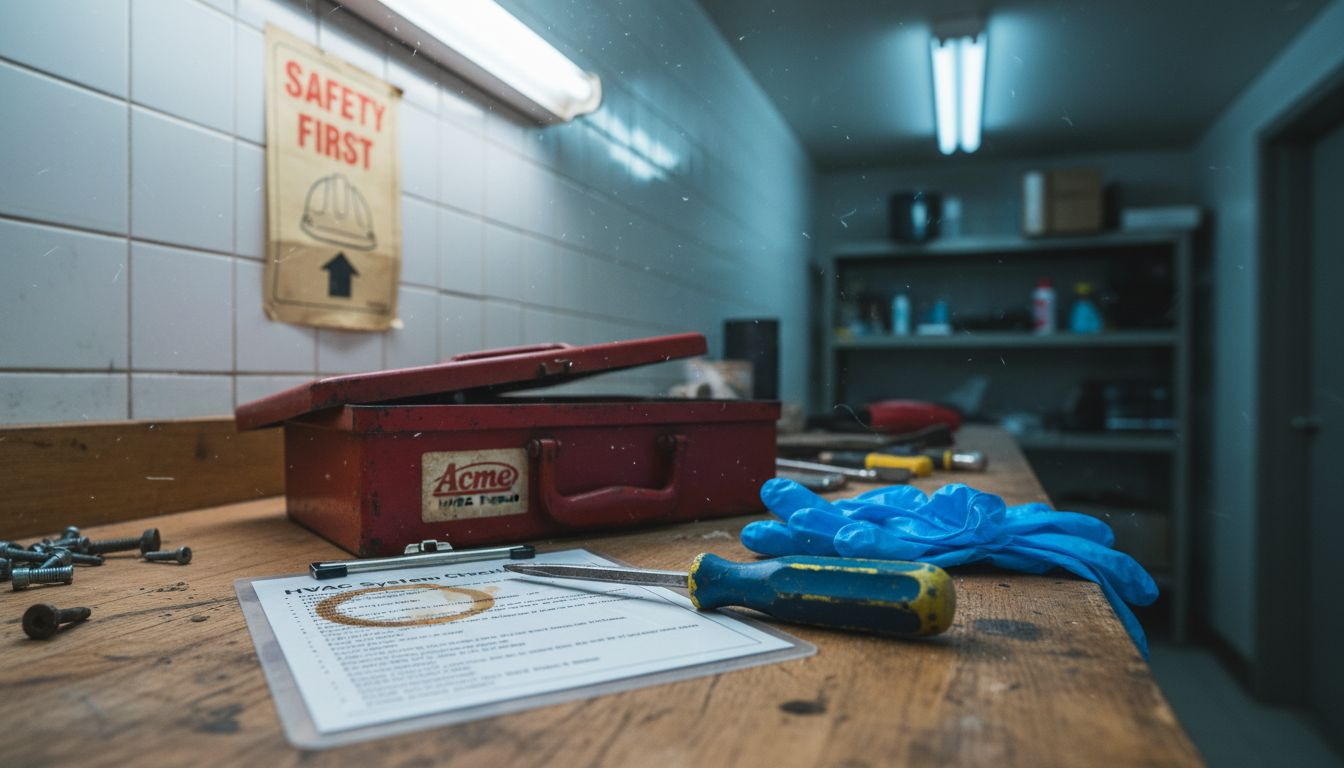
Essential tools include precision screwdrivers for removing access panels, soft-bristle brushes for coil cleaning, a HEPA-filter vacuum for dust removal, and hospital-grade chemical-free biosanitisers for disinfection. Avoid harsh chemical cleaners that can corrode metal components, degrade plastic parts, and void manufacturer warranties.
Understanding your HVAC system’s key components is equally important:
- Evaporator and condenser coils transfer heat and accumulate dust rapidly in Dubai’s environment
- Blower assemblies circulate air and collect debris that reduces efficiency
- Drainage trays and lines remove condensation but can harbor standing water and mold
- Air filters trap particles but become clogged, restricting airflow if not replaced regularly
- Ductwork distributes conditioned air and can accumulate years of dust and allergens
Safety precautions protect you from exposure to contaminants and cleaning agents. Always wear nitrile gloves to avoid direct contact with mold, bacteria, and chemical residues. Use N95 or higher-rated masks to prevent inhaling dust, spores, and cleaning product vapors. Safety glasses shield your eyes from splashes and airborne particles dislodged during cleaning.
Timing your maintenance strategically improves safety and effectiveness. Schedule work during Dubai’s relatively cooler months (November through March) when outdoor temperatures are lower and dust storms less frequent. Early morning hours offer the best conditions before heat builds. Avoid maintenance during peak dust storm seasons when freshly cleaned components would quickly recontaminate.
| Item | Purpose | Notes |
|---|---|---|
| Screwdrivers (Phillips, flathead) | Remove access panels and components | Match sizes to your system’s fasteners |
| Soft-bristle brushes | Clean coils without damage | Avoid wire brushes that scratch surfaces |
| HEPA vacuum | Remove loose dust and debris | Standard vacuums recirculate fine particles |
| Chemical-free biosanitiser | Disinfect without corrosion | Hospital-grade formulas protect equipment |
| Nitrile gloves | Hand protection | Latex-free to avoid allergies |
| N95 mask | Respiratory protection | Replace after each maintenance session |
| Safety glasses | Eye protection | Splash and particle resistant |
Pro Tip: Before starting any maintenance, photograph component positions and connections with your phone. These reference images make reassembly straightforward and help you identify any parts that appear worn or damaged. Detailed preparation resources are available in comprehensive HVAC hygiene improvement guides.
Step-by-step preventive HVAC maintenance procedures
Following a systematic approach ensures thorough cleaning and optimal results. Each step builds on the previous one to restore your system to peak performance.
-
Inspect and dismantle key components: Power off your HVAC system completely at the breaker. Remove access panels to expose evaporator coils, blower assembly, and drainage system. Photograph everything before disassembly. Check for visible damage, corrosion, or excessive wear on belts, motors, and electrical connections. Remove filters, noting their size and type for replacement.
-
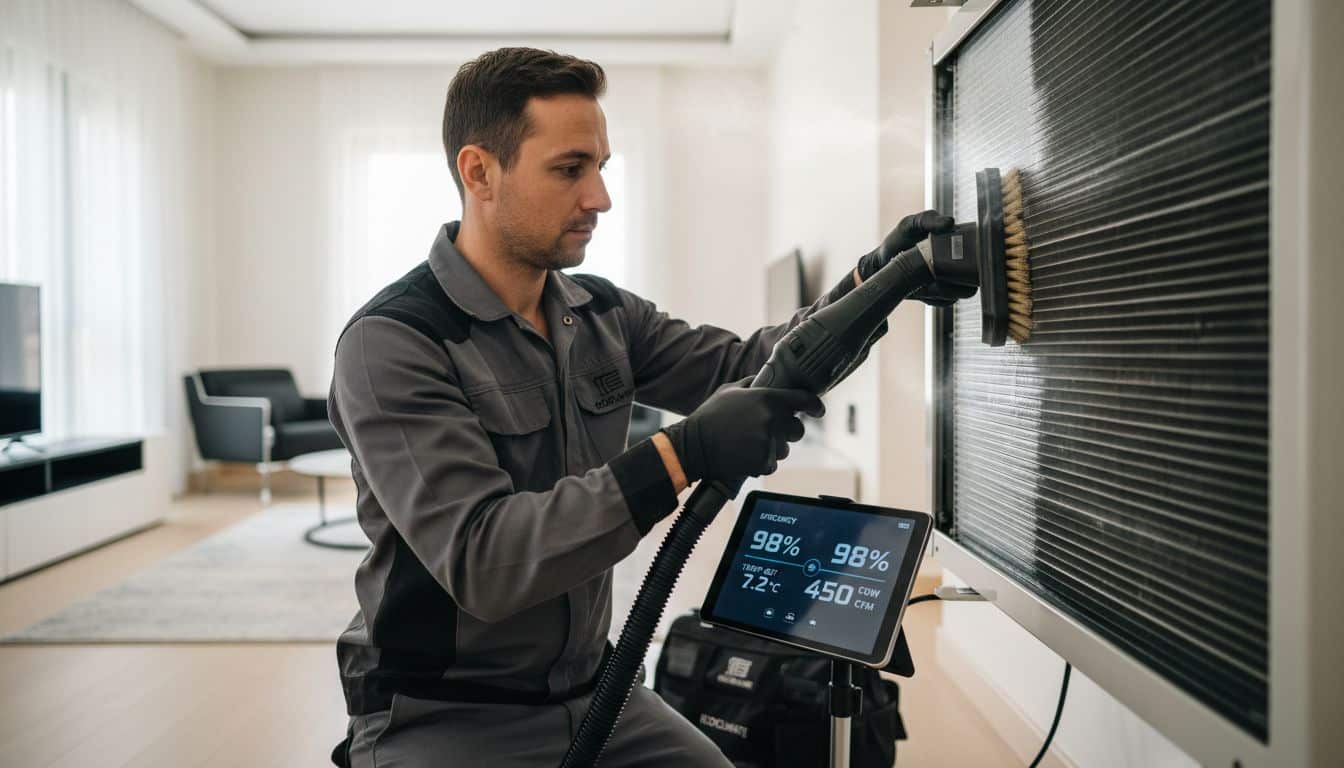
Deep clean coils, blowers, and ducts: Use a soft brush to loosen dust from coil fins, working carefully to avoid bending the delicate metal. Vacuum away loose debris with a HEPA-equipped vacuum. Clean the blower wheel and housing, removing accumulated dust that reduces airflow. For accessible ductwork sections, vacuum visible dust and debris.
-
Apply hospital-grade disinfection: Spray chemical-free biosanitiser that eliminates 99.9% of microbes onto cleaned coils, blower components, and drainage trays. Allow proper dwell time per product instructions for maximum effectiveness. These hospital-grade formulas kill mold, bacteria, and viruses without corroding metal or degrading plastic components, protecting your equipment investment and manufacturer warranty.
-
Clean and clear drainage systems: Pour biosanitiser through the condensate drain line to dissolve biofilm and prevent clogs. Check that drainage flows freely. Clean the drip pan thoroughly, removing any standing water or sludge that harbors mold. Ensure the drain line exits properly and isn’t blocked by debris or insect nests.
-
Replace or clean filters: Install new filters matching the correct size and MERV rating for your system. If using washable filters, clean them thoroughly with water and biosanitiser, then dry completely before reinstalling. Never run your system without filters, as this allows dust to coat internal components rapidly.
-
Reassemble and test: Reinstall all components in reverse order, referring to your reference photos. Restore power at the breaker. Turn on the system and verify proper airflow from all vents. Listen for unusual noises that might indicate loose parts or debris. Check that condensate drains properly and the system cools effectively.
Pro Tip: Schedule your maintenance in two phases, tackling indoor components one weekend and outdoor condenser units the next. This approach prevents fatigue and ensures you give proper attention to each system element. For detailed procedures, consult expert guides on AC maintenance for healthy airflow and proven energy-saving tips for luxury homes. Professional indoor air quality solutions can complement your DIY efforts for comprehensive results.
Common mistakes and troubleshooting in HVAC preventive maintenance
Avoiding frequent errors protects your system and maximizes maintenance effectiveness. Understanding these pitfalls helps you achieve professional-quality results.
Skipping drainage tray and line cleaning ranks among the most damaging oversights. Standing water in drain pans creates ideal conditions for mold and bacteria growth, producing musty odors and degrading air quality. Clogged drain lines cause water backups that can damage ceilings, walls, and flooring. Always flush drain lines with biosanitiser and verify free-flowing drainage.
Neglecting blower fan and wheel cleaning severely reduces airflow efficiency. Dust accumulation on blower wheels creates imbalance, causing vibration, noise, and premature bearing failure. Dirty blowers force your system to run longer cycles to achieve desired temperatures, wasting energy. Remove and thoroughly clean blower assemblies during every maintenance session.
Using harsh chemical cleaners creates multiple problems:
- Acidic or alkaline cleaners corrode aluminum coils and copper tubing, causing refrigerant leaks
- Chemical residues can off-gas into your indoor air when the system operates, creating health concerns
- Many harsh cleaners void manufacturer warranties, leaving you unprotected if components fail
- Strong chemicals damage plastic drain pans, electrical insulation, and rubber seals
Stick with hospital-grade, chemical-free biosanitisers specifically formulated for HVAC applications.
Ignoring filter maintenance has cascading negative effects. Clogged filters restrict airflow, forcing your system to work harder and consume more energy. Reduced airflow causes evaporator coils to freeze, potentially damaging the compressor. Dirty filters allow dust to bypass filtration and coat internal components you just cleaned. Replace or clean filters every 30 days during Dubai’s dusty conditions.
If you encounter reduced cooling after maintenance, check that all panels are sealed properly and filters are correctly installed. Unusual noises often indicate loose components; recheck all fasteners. Water leaks suggest drain line problems; clear obstructions and verify proper slope. For persistent issues beyond basic troubleshooting, consult resources on improving HVAC hygiene or consider professional assessment.
Maintenance timeline, frequency, and expected results in Dubai
Establishing a consistent maintenance schedule delivers measurable benefits in energy savings, air quality, and system longevity. Dubai’s demanding climate requires more frequent attention than moderate environments.
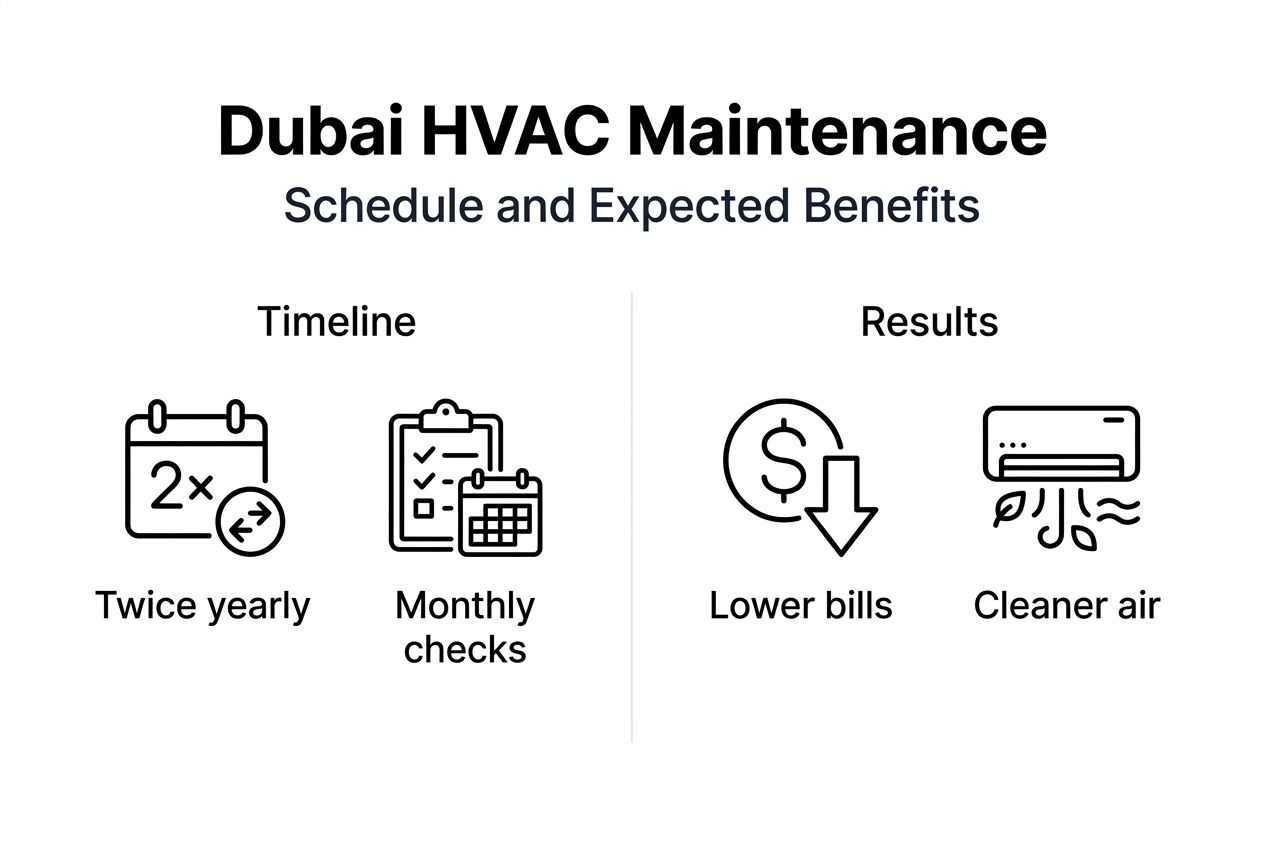
Bi-annual maintenance every six months represents the optimal frequency for Dubai conditions. Schedule sessions in April/May and October/November to prepare your system for peak cooling seasons. This timing ensures your HVAC operates efficiently when you need it most.
The benefits of regular preventive maintenance are substantial and quantifiable:
- Energy consumption drops up to 15% through optimized airflow and clean heat transfer surfaces
- System lifespan extends 3 to 5 years beyond typical replacement timelines, delaying capital expenses
- Indoor allergen and microbial counts decrease 40 to 60%, significantly improving air quality and reducing allergy symptoms
- Repair costs decline as early detection prevents minor issues from becoming major failures
- Cooling consistency improves with balanced airflow and proper refrigerant levels
| Maintenance Interval | Key Tasks | Expected Benefits |
|---|---|---|
| Every 6 months | Deep clean coils, blowers, ducts; disinfect all components; replace filters | 15% energy savings, optimal cooling, healthier air |
| Monthly | Inspect and replace filters; check drainage flow | Maintained airflow, prevented clogs |
| Annual | Professional inspection of refrigerant, electrical, and mechanical systems | Early problem detection, warranty compliance |
| Every 3-5 years | Duct deep cleaning and sanitization | Removal of accumulated dust and allergens |
These benefits compound over time. A system maintained bi-annually from installation will outperform a neglected system by wide margins in efficiency, reliability, and indoor air quality. The modest investment in preventive care returns multiples in avoided repairs, reduced energy bills, and enhanced comfort.
“Regular HVAC maintenance isn’t just about saving money on energy bills. It’s about protecting your family’s health by ensuring the air they breathe is free from mold, bacteria, and allergens that thrive in neglected systems. In Dubai’s climate, this protection is essential year-round.”
Tracking your system’s performance helps quantify these benefits. Note monthly energy consumption before starting preventive maintenance, then monitor changes over subsequent months. Many homeowners see noticeable reductions in utility bills within the first billing cycle after thorough cleaning. For maximum efficiency gains, combine maintenance with proven energy-saving strategies for Dubai homes.
Safety practices and warnings during HVAC maintenance
Protecting yourself and your equipment requires strict adherence to safety protocols throughout the maintenance process. Cutting corners on safety creates risks that far outweigh any time savings.
Always completely power off your HVAC system at the circuit breaker before beginning work. Simply using the thermostat control leaves electrical components energized, creating shock hazards. Verify power is off by attempting to start the system before opening any panels.
Personal protective equipment is non-negotiable:
- Nitrile gloves prevent skin contact with mold, bacteria, chemical residues, and sharp metal edges
- N95 or higher-rated masks protect against inhaling dust, mold spores, and cleaning product vapors
- Safety glasses shield your eyes from splashes, falling debris, and particles dislodged during cleaning
- Long sleeves and pants protect skin from contaminants and cuts from sheet metal edges
Never use harsh chemical cleaners, bleach, ammonia-based products, or acidic solutions on HVAC components. These substances corrode metal, degrade plastic, create toxic fumes, and void manufacturer warranties. Stick exclusively to chemical-free, hospital-grade biosanitisers designed for HVAC applications.
Proper disposal of cleaning residues and contaminated materials protects the environment and your system. Collect dirty water and debris in sealed containers. Never pour contaminated water into landscaping where it can harm plants or enter groundwater. Dispose of used filters, cleaning materials, and debris according to local waste management regulations.
Verify that any cleaning products you use are compatible with your specific HVAC system materials. Check manufacturer documentation or contact the equipment maker if unsure. Some coil coatings and sealants can react adversely with certain cleaning agents, even those marketed as safe.
Pro Tip: Keep your HVAC system’s owner manual and warranty documentation accessible during maintenance. Reference these materials to verify approved cleaning methods and products. Many warranties require specific maintenance intervals and approved procedures to remain valid. Documenting your maintenance with photos and dated records proves compliance if warranty claims arise. Comprehensive safety information and best practices are detailed in professional HVAC cleaning guides.
Enhance your HVAC maintenance with expert help from Saniservice
While DIY maintenance delivers significant benefits, professional expertise ensures nothing is overlooked. Saniservice’s specialized air conditioning cleaning checklist provides detailed protocols developed specifically for Dubai’s challenging environment.
Our comprehensive resources walk you through every aspect of effective HVAC care, from basic filter replacement to advanced duct sanitization. The air conditioner cleaning guide offers expert insights into achieving healthier indoor air, while the detailed step-by-step AC cleaning guide ensures you miss no critical components. For homeowners seeking professional service, Saniservice’s NADCA-certified technicians deliver science-backed cleaning backed by in-house microbiology lab testing, hospital-grade disinfection, and triple ISO certification.
FAQ
How often should HVAC preventive maintenance be performed in Dubai?
Bi-annual maintenance every six months is ideal for Dubai’s extreme climate. This schedule combats constant dust accumulation, heat stress, and humidity that accelerate system degradation. Regular maintenance ensures peak performance, maximizes energy savings, and maintains healthy indoor air quality year-round.
What are the most common mistakes to avoid during HVAC maintenance?
Neglecting drainage tray and blower fan cleaning leads to mold growth and severely reduced airflow. Using harsh chemical cleaners damages components and voids warranties. Skipping regular filter replacement allows dust to coat internal parts, increasing energy consumption and reducing cooling effectiveness.
Which cleaning products are safest and most effective for HVAC maintenance?
Use hospital-grade, chemical-free biosanitisers that eliminate 99.9% of microbes without damaging HVAC components. These specialized formulas kill mold, bacteria, and viruses while protecting metal surfaces, plastic parts, and equipment warranties. Avoid traditional harsh chemicals, bleach, and acidic cleaners that corrode equipment.
How does preventive maintenance impact energy bills in Dubai?
Regular maintenance can reduce energy consumption by up to 15% through improved airflow and heat transfer efficiency. Clean coils and blowers require less energy to deliver the same cooling, directly lowering monthly utility bills. In Dubai’s year-round cooling climate, these savings compound significantly over time.
Recommended
- AC Maintenance Guide 2025: Ensure Clean, Healthy Airflow – Saniservice AC Cleaning
- 7 Proven HVAC Energy Saving Tips for Dubai Luxury Homes
- 9 Essential Technical Guidelines for Indoor Air Quality Dubai: Smart Cost-Saving Strategies for Aircon Upkeep – Saniservice AC Cleaning
- To Lower Long-Term Cooling – 11 Proven Methods for Long-Term Energy Savings