

Aircon Cleaning Checklist: 90% Microbial Cut in Dubai
Choosing the right air conditioner cleaning method in Dubai requires understanding how the city’s intense dust and humidity accelerate microbial growth inside your AC system. A scientifically validated cleaning checklist ensures you address every component that harbors contaminants, from coils to drainage trays. This guide walks you through proven selection criteria, essential cleaning steps, and scheduling recommendations tailored specifically to Dubai’s challenging environment.
Table of Contents
Contents
- 1 Table of Contents
- 2 Key Takeaways
- 3 How to Choose the Right Aircon Cleaning Approach
- 4 Step 1: Dismantle and Inspect All AC Components
- 5 Step 2: Deep-Clean and Disinfect Each Component Using Hospital-Grade Biosanitisers
- 6 Step 3: Reassemble and Test System Functionality
- 7 How Often to Clean Your Aircon in Dubai
- 8 Professional vs DIY Aircon Cleaning: Pros and Cons
- 9 Summary Comparison Table of Cleaning Checklists and Options
- 10 Situational Recommendations: Choosing the Best Aircon Cleaning for Your Needs
- 11 Discover Expert Aircon Cleaning Services for Dubai Homes
- 12 FAQ
- 12.1 How often should I schedule professional aircon cleaning in Dubai?
- 12.2 What are the biggest risks of DIY aircon cleaning without certification?
- 12.3 Why are chemical-free biosanitisers recommended over traditional disinfectants?
- 12.4 What signs indicate my aircon needs urgent professional cleaning?
- 13 Recommended
- How to Choose the Right Aircon Cleaning Approach
- Step 1: Dismantle and Inspect All AC Components
- Step 2: Deep-Clean and Disinfect Each Component Using Hospital-Grade Biosanitisers
- Step 3: Reassemble and Test System Functionality
- How Often to Clean Your Aircon in Dubai
- Professional vs DIY Aircon Cleaning: Pros and Cons
- Summary Comparison Table of Cleaning Checklists and Options
- Situational Recommendations: Choosing the Best Aircon Cleaning for Your Needs
- Discover Expert Aircon Cleaning Services for Dubai Homes
Key Takeaways
| Point | Details |
|---|---|
| Microbial reduction | Effective cleaning can reduce airborne microbes by up to 90% when following proper protocols |
| Professional advantage | Certified technicians using chemical-free biosanitisers deliver superior results compared to DIY methods |
| Dubai-specific frequency | Quarterly to biannual cleaning recommended due to dust and humidity conditions |
| Component coverage | DIY cleaning typically misses critical areas like ducts and drainage trays |
| Performance verification | Proper reassembly and testing ensure efficiency gains and prevent system damage |
How to Choose the Right Aircon Cleaning Approach
Selecting an effective aircon cleaning method starts with understanding Dubai’s unique environmental pressures. The city’s persistent dust storms and year-round humidity create ideal conditions for mold and bacterial growth inside AC units. You need a cleaning approach that directly addresses these local challenges rather than applying generic maintenance protocols.
Certifications matter significantly when evaluating service providers. ISO certifications like 9001, 14001, and 45001 collectively ensure quality management, environmental responsibility, and occupational health standards. NADCA certification specifically validates expertise in air system cleaning, guaranteeing technicians follow evidence-based procedures rather than improvised methods.
The choice between chemical-free biosanitisers and conventional disinfectants impacts both cleaning effectiveness and your indoor air quality. Hospital-grade biosanitisers eliminate pathogens without leaving toxic residues that can irritate respiratory systems. This distinction becomes critical for homes with children, elderly residents, or anyone with allergies.
Comprehensive cleaning coverage separates superficial maintenance from deep sanitation. Your cleaning checklist must include every component where contaminants accumulate: evaporator coils, condenser coils, blower wheels, air ducts, drainage trays, and filters. Partial cleaning leaves microbial reservoirs untouched, allowing rapid recontamination.
Pro tip: Request detailed documentation of which specific components will be cleaned before hiring any service. Vague promises of “complete cleaning” often exclude ducts and drainage systems where the most dangerous growth occurs.
Frequency recommendations depend on your usage intensity and environmental exposure. High-traffic commercial spaces require quarterly attention, while residential units typically need servicing every six months. The complete AC cleaning guide for Dubai provides detailed scheduling frameworks based on building type and occupancy patterns.
Key selection criteria to evaluate:
- Technician certifications (NADCA, relevant ISO standards)
- Cleaning agent safety profile and microbial kill rates
- Component coverage scope (partial vs comprehensive)
- Service frequency aligned with Dubai climate conditions
- Post-cleaning performance verification procedures
Step 1: Dismantle and Inspect All AC Components
Thorough cleaning begins with complete system dismantling to access hidden contamination zones. Surface wiping or spray treatments cannot reach the microbial colonies growing inside ductwork, beneath coil fins, or within drainage assemblies. Proper dismantling exposes every surface where pathogens accumulate.
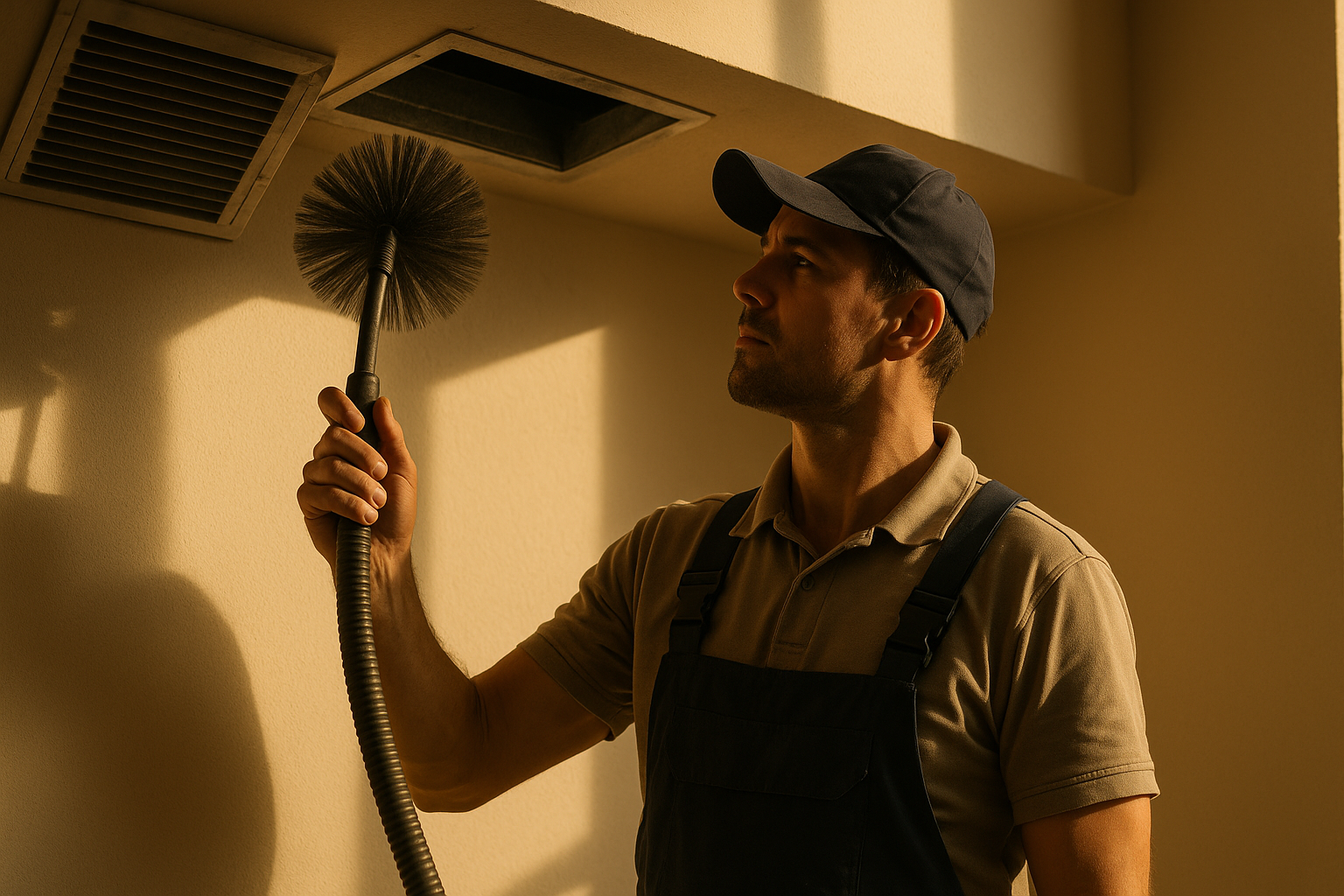
Trained technicians systematically remove evaporator coils, blower assemblies, air ducts, and drainage trays for individual inspection and cleaning. This process requires specific tools and knowledge of component interconnections to avoid damaging delicate parts or refrigerant lines. Complete dismantling ensures access to hidden microbial reservoirs crucial to preventing regrowth.
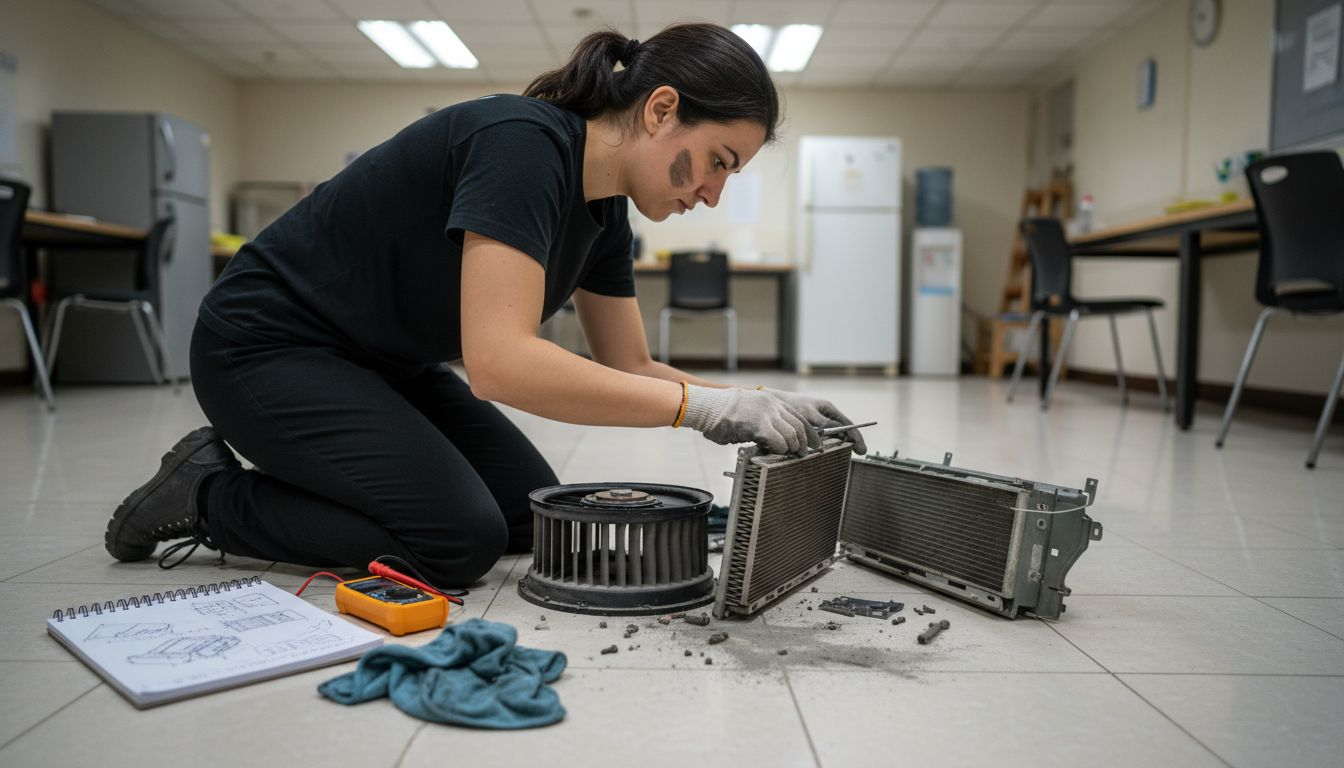
Visual inspection during dismantling reveals contamination severity and guides cleaning intensity. Black or green discoloration on coils indicates mold growth. White or yellow buildup suggests bacterial colonies. Moisture presence in areas that should remain dry signals drainage problems requiring immediate attention beyond standard cleaning.
Safety protocols during component handling protect both technicians and system integrity. Refrigerant lines require careful disconnection to prevent leaks. Electrical components need isolation before water-based cleaning begins. Proper documentation of original assembly positions ensures accurate reassembly.
Inspection checklist for each component:
- Evaporator coils: Check for mold, corrosion, and fin damage
- Blower wheels: Look for dust accumulation and balance issues
- Air ducts: Inspect for moisture, debris, and microbial growth
- Drainage trays: Verify proper slope and check for standing water
- Filters: Assess saturation and structural integrity
Pro tip: Photograph each component before and after cleaning to document contamination levels and verify thoroughness. This visual record helps you understand what regular maintenance prevents and provides evidence of service quality.
The AC disinfection process in Dubai emphasizes systematic dismantling as the foundation for effective sanitation. Without this step, even the most powerful disinfectants cannot reach the contaminants causing health problems and efficiency losses.
Step 2: Deep-Clean and Disinfect Each Component Using Hospital-Grade Biosanitisers
Chemical-free biosanitisers represent a breakthrough in air conditioning sanitation, delivering microbial kill rates above 99.9% without toxic residues. These hospital-grade solutions break down bacterial cell walls and fungal structures at the molecular level, eliminating pathogens rather than temporarily suppressing them. Biosanitiser use avoids chemical residues with microbial kill rates exceeding 99.9%, reducing allergic reactions and improving indoor air quality.
Traditional chemical disinfectants leave residues that become airborne when your AC operates, potentially triggering respiratory irritation or allergic reactions. Biosanitisers degrade into harmless compounds after application, making them ideal for enclosed spaces where air recirculates constantly. This safety profile matters especially in Dubai homes where AC units run nearly continuously.
Application technique affects disinfection efficacy as much as product choice. Technicians must ensure complete coverage of all surfaces, paying special attention to coil fins where moisture and organic matter create ideal growth conditions. Proper contact time allows biosanitisers to penetrate biofilms, the protective layers that shield microbial colonies from surface treatments.
Allergen reduction through biosanitiser treatment delivers immediate health benefits. Dust mites, mold spores, and bacterial endotoxins accumulate in AC systems and continuously circulate through your living space. Eliminating these allergens at the source reduces symptoms for occupants with asthma, hay fever, or chemical sensitivities.
Biosanitiser advantages over conventional disinfectants:
- Zero harmful residues entering your breathing air
- Effective against antibiotic-resistant bacterial strains
- Breaks down allergen proteins causing immune responses
- Safe for use around children, pets, and sensitive individuals
- Environmentally responsible with rapid biodegradation
Microbial reduction data: Studies show properly applied biosanitisers achieve 90-99.9% reduction in viable bacteria, mold, and fungal spores within treated AC systems, with effects lasting 3-6 months depending on usage conditions.
The best AC cleaning tips for Dubai emphasize biosanitiser selection as a critical decision point. You want products backed by independent laboratory testing showing specific kill rates against the pathogens common in HVAC systems: Aspergillus species, Stachybotrys (black mold), Legionella, and various bacterial colonies.
Step 3: Reassemble and Test System Functionality
Careful reassembly following cleaning prevents mechanical issues and ensures your investment in sanitation delivers lasting benefits. Each component must return to its original position with proper sealing and secure fastening. Misaligned parts create air leaks that reduce efficiency and allow unfiltered air to bypass your newly cleaned system.
Refrigerant line reconnection requires particular attention to prevent leaks that compromise cooling performance and environmental safety. Technicians use pressure testing to verify seal integrity before recharging the system. Even minor leaks waste energy and allow moisture infiltration that promotes new microbial growth.
Performance testing validates cleaning effectiveness and identifies any issues requiring correction before completing service. Airflow measurements confirm ducts and vents operate without restriction. Temperature differential checks verify heat exchange efficiency. These objective metrics prove your AC performs better post-cleaning rather than relying on subjective impressions.
Post-cleaning system tests:
- Refrigerant pressure verification and leak detection
- Airflow volume measurement at each register
- Temperature differential across evaporator coils
- Drainage system flow test to prevent water backup
- Electrical current draw to confirm normal operation
- Thermostat response and cycle timing verification
Pro tip: Request a written performance report documenting baseline measurements before cleaning and final readings after reassembly. This data quantifies efficiency improvements and provides a reference for future service intervals.
The AC cleaning versus maintenance guide distinguishes between cleaning procedures and the testing protocols that verify results. Cleaning without testing leaves you uncertain whether the service actually improved system performance or merely provided cosmetic improvements.
Leak detection using electronic sensors or ultraviolet dye identifies problems invisible to visual inspection. Refrigerant leaks reduce cooling capacity and increase operating costs. Duct leaks allow conditioned air to escape into wall cavities or attic spaces, wasting energy and promoting moisture problems in building structures.
How Often to Clean Your Aircon in Dubai
Dubai’s environmental conditions accelerate AC contamination compared to temperate climates, requiring more frequent cleaning than manufacturer guidelines suggest. Year-round operation combined with dust infiltration and high humidity creates continuous microbial growth pressure. Your cleaning schedule must account for these local factors rather than following generic recommendations.
Quarterly professional cleaning suits high-use commercial spaces, busy households with multiple occupants, or units serving occupants with respiratory sensitivities. This frequency prevents heavy contamination buildup that becomes progressively harder to remove. Biannual cleaning works for moderate-use residential units in relatively clean environments with good filtration.
Environmental signals indicate when urgent cleaning becomes necessary regardless of your regular schedule. Musty odors from vents suggest active mold growth. Visible moisture or water stains around registers indicate drainage problems allowing standing water. Reduced airflow or cooling capacity often results from coil blockage by accumulated debris.
Frequency recommendations by usage type:
- Commercial spaces with continuous operation: Every 3 months
- Residential homes with year-round use: Every 6 months
- Vacation properties with seasonal use: Before and after occupancy periods
- Properties near construction sites: Every 3 months during active building
- Homes with allergy-sensitive occupants: Every 4 months
Cost considerations sometimes tempt homeowners to extend service intervals, but this often proves counterproductive. Heavily contaminated systems require more intensive cleaning using stronger treatments and additional labor hours. Regular maintenance keeps contamination manageable, reducing per-service costs and preventing the emergency situations that force expensive urgent interventions.
The recommended AC cleaning intervals in Dubai provide detailed scheduling guidance based on building type, occupancy patterns, and local environmental factors. These recommendations balance cleaning effectiveness against practical budget considerations for different property categories.
Professional vs DIY Aircon Cleaning: Pros and Cons
Professional cleaning removes 35% more microbial contaminants than DIY approaches by accessing components that remain sealed during amateur maintenance attempts. Professional services combine specialized equipment, proven cleaning agents, and systematic procedures that homeowners cannot replicate with consumer-grade products.
Certification ensures professionals follow safety protocols protecting both occupants and AC systems. NADCA-certified technicians understand refrigerant handling, electrical safety, and proper chemical application. They carry insurance covering potential damage, providing financial protection unavailable with DIY efforts.
DIY cleaning typically addresses only visible, accessible components like filters and external surfaces. Ducts, drainage trays, and internal coil surfaces harbor the most dangerous contamination but require system dismantling to access properly. Partial cleaning creates false confidence while leaving primary pathogen reservoirs untouched.
| Aspect | Professional Cleaning | DIY Cleaning |
|---|---|---|
| Microbial removal | 90-99.9% reduction | 55-65% reduction |
| Component coverage | Complete (coils, ducts, drains) | Partial (filters, surfaces) |
| Certification & insurance | NADCA, ISO standards | None |
| Chemical safety | Hospital-grade biosanitisers | Consumer products |
| Time investment | 3-5 hours full service | 1-2 hours partial |
| Cost range | $150-400 per unit | $20-50 in supplies |
| Performance verification | Included with testing | Not available |
| Warranty protection | Service guarantees | None |
Professional service advantages:
- Access to commercial-grade biosanitisers unavailable to consumers
- Specialized tools for duct cleaning and coil treatment
- Knowledge of system-specific dismantling procedures
- Liability coverage for potential damage
- Performance testing validating results
DIY limitations:
- Cannot access sealed ductwork without proper tools
- Consumer products lack professional-strength formulations
- Risk of damaging components during amateur dismantling
- No objective verification of cleaning effectiveness
- Potential voiding of manufacturer warranties
Cost effectiveness depends on your situation and capabilities. DIY filter changes and surface cleaning between professional services extend intervals and reduce long-term costs. However, attempting comprehensive DIY deep cleaning often leads to incomplete results requiring professional correction.
Summary Comparison Table of Cleaning Checklists and Options
Understanding the trade-offs between different cleaning approaches helps you select the option matching your priorities, budget, and home requirements. This comprehensive comparison synthesizes key decision factors across cleaning methods available in Dubai.
| Cleaning Method | Coverage Scope | Microbial Efficacy | Certification | Environmental Safety | Typical Cost | Best For |
|---|---|---|---|---|---|---|
| Professional Chemical-Free | Complete system | 90-99.9% reduction | NADCA, ISO 9001/14001/45001 | Hospital-grade biosanitisers | $250-400 | Allergy-sensitive homes |
| Professional Standard | Major components | 75-85% reduction | Variable by provider | Conventional disinfectants | $150-250 | General maintenance |
| Semi-Professional | Accessible areas | 65-75% reduction | Limited/none | Consumer-grade products | $100-150 | Budget-conscious owners |
| DIY Thorough | Visible components | 55-65% reduction | None | Household cleaners | $30-50 | Between professional services |
| DIY Basic | Filters and surfaces | 30-45% reduction | None | Household cleaners | $15-30 | Minimal maintenance |
Scope coverage distinguishes truly comprehensive cleaning from superficial maintenance. Complete system treatment addresses every contamination point: evaporator and condenser coils, blower assemblies, supply and return ducts, drainage trays, and all filters. Partial cleaning leaves critical components untreated, allowing rapid recontamination.
Microbial efficacy percentages reflect measured reductions in viable bacterial and fungal colonies following treatment. Higher efficacy means fewer pathogens circulating through your indoor air and longer intervals before recontamination reaches problematic levels. Professional chemical-free methods achieve superior results through better access and more effective agents.
Certification levels indicate service reliability and adherence to industry standards. ISO certifications demonstrate quality management systems ensuring consistent results. NADCA membership requires ongoing education and adherence to air system cleaning standards. Uncertified providers may offer lower prices but without quality guarantees.
Environmental safety encompasses both human health impacts and ecological responsibility. Hospital-grade biosanitisers deliver maximum safety by eliminating pathogens without toxic residues. Conventional disinfectants may leave chemical traces that irritate sensitive individuals. Household cleaners often prove inadequate for serious microbial contamination.
Situational Recommendations: Choosing the Best Aircon Cleaning for Your Needs
Your optimal cleaning approach depends on specific household factors: occupant health sensitivities, usage intensity, budget constraints, and property type. Matching these variables to appropriate service levels maximizes both health protection and cost effectiveness.
Homes with allergy-sensitive occupants, young children, elderly residents, or anyone with respiratory conditions benefit most from professional chemical-free cleaning using hospital-grade biosanitisers. The investment in comprehensive sanitation pays immediate dividends through reduced symptoms, better sleep quality, and fewer medical interventions. These households should prioritize quarterly professional service.
High-usage commercial properties or large residential villas with continuous AC operation require professional attention every three months to prevent contamination accumulation. The intensive use accelerates microbial growth beyond what DIY maintenance can control. Regular professional service prevents the heavy contamination requiring expensive remediation.
Cost-conscious homeowners with moderate usage can adopt a hybrid approach combining annual professional deep cleaning with quarterly DIY maintenance. This strategy keeps systems reasonably clean between comprehensive services while managing total annual costs. The deep cleaning vs regular maintenance guide explains how to balance these approaches effectively.
Situation-specific recommendations:
- New homeowners/tenants: Professional inspection and deep clean before occupancy to establish baseline cleanliness
- Post-renovation properties: Immediate professional cleaning to remove construction dust and debris from AC systems
- Properties near beaches or deserts: Quarterly professional service due to accelerated sand and salt infiltration
- Budget-limited households: Biannual professional cleaning with monthly DIY filter changes and surface wiping
- Vacation homes: Professional service before each occupancy season plus basic DIY maintenance during use
Vacation properties present unique challenges requiring pre-season professional cleaning before extended occupancy periods. Systems sitting idle accumulate dust and may develop moisture problems. Professional service before guests arrive ensures optimal performance and prevents health complaints during occupancy.
Properties undergoing or adjacent to construction require more frequent professional attention. Construction dust penetrates AC systems despite filtration, coating internal components with fine particles that promote microbial growth. Quarterly cleaning during active construction prevents permanent damage and maintains air quality.
Discover Expert Aircon Cleaning Services for Dubai Homes
Protecting your indoor air quality requires more than good intentions. It demands scientifically validated cleaning protocols, hospital-grade biosanitisers, and certified technicians who understand Dubai’s unique environmental challenges.
Saniservice combines Swiss-quality standards with local expertise, backed by our in-house microbiology laboratory and multidisciplinary Indoor Sciences team. Our NADCA-certified technicians follow the comprehensive air conditioning cleaning checklist guide ensuring every component receives proper attention. We use chemical-free biosanitisers proven to eliminate 99.9% of mold, bacteria, and allergens without harmful residues. Whether you need guidance from our air conditioner cleaning guide or want to understand effective allergen removal steps, our resources and services deliver cleaner air and healthier living for your Dubai home.
FAQ
How often should I schedule professional aircon cleaning in Dubai?
Quarterly to biannual professional cleaning works for most Dubai homes depending on usage intensity and environmental exposure. High-traffic properties, homes near construction sites, or units serving allergy-sensitive occupants need quarterly attention. Moderate-use residential properties typically require service every six months. Monitor your system for unusual odors, reduced airflow, or visible moisture indicating urgent cleaning needs regardless of schedule.
What are the biggest risks of DIY aircon cleaning without certification?
DIY approaches commonly neglect air ducts and drainage trays where the most dangerous contamination accumulates, leaving major pathogen reservoirs untouched. Amateur cleaning achieves only 55-65% microbial removal compared to 90-99.9% with professional services, meaning significant allergen exposure continues. Without proper training, you risk damaging components, creating refrigerant leaks, or voiding manufacturer warranties while lacking the insurance coverage professionals carry.
Why are chemical-free biosanitisers recommended over traditional disinfectants?
Chemical-free biosanitisers eliminate bacteria, mold, and allergens with 99.9% efficacy while leaving zero harmful residues that could irritate respiratory systems. Traditional disinfectants release chemical traces into recirculated air, potentially triggering allergic reactions or chemical sensitivities. Biosanitisers break down into harmless compounds after application, making them ideal for enclosed spaces with continuous air circulation. This safety profile proves especially valuable for homes with children, elderly residents, or anyone with respiratory conditions, as explained in our chemical-free cleaning guide.
What signs indicate my aircon needs urgent professional cleaning?
Musty or moldy odors from vents signal active fungal growth requiring immediate attention. Reduced cooling efficiency, weak airflow, or longer run times suggest coil blockage by accumulated contamination. Visible mold growth on registers, moisture stains around vents, or water pooling near indoor units indicate drainage problems allowing standing water where dangerous bacteria breed. Any of these symptoms warrant urgent professional inspection and disinfection to prevent health risks and system damage.
Recommended
- Air Conditioner Disinfection Process for Dubai Residences – Saniservice AC Cleaning
- 10 Practical Best AC Cleaning Tips Dubai Residents Can’t Ignore – Saniservice AC Cleaning
- Top HVAC Cleaning Services Dubai – Expert Comparison 2025
- Difference Between AC Cleaning and Disinfection: 5 Critical Differences Explained
- Optimized Heat Pump Maintenance Workflow for Technicians – CoolFix Appliance & HVAC Service

Leave a Reply