


Indoor Air Quality Methods UAE 2026: 90% Mold Reduction
Many UAE residents battle stale, dusty indoor air that triggers allergies and respiratory discomfort daily. Sealed buildings and poorly maintained HVAC systems increase occupant respiratory symptoms by 60%, creating unhealthy living and working environments. This guide provides a clear, stepwise approach to improving indoor air quality effectively in UAE contexts, combining professional cleaning, ventilation upgrades, and continuous monitoring for measurable health benefits.
Table of Contents
Contents
- 1 Table of Contents
- 2 Key Takeaways
- 3 Understanding Indoor Air Quality and Its Importance in the UAE
- 4 Prerequisites: What You Need Before You Start IAQ Improvement
- 5 Step 1: Source Control and Regular Cleaning Practices
- 6 Step 2: HVAC System Cleaning and Disinfection
- 7 Step 3: Ventilation Enhancement for Better Air Exchange
- 8 Step 4: Continuous Monitoring and Maintenance
- 9 Common Mistakes and Troubleshooting
- 10 Expected Results and Measurable Outcomes
- 11 Improve Your Indoor Air Quality with Professional Services
- 12 Frequently Asked Questions About Indoor Air Quality Improvement Methods in the UAE
- 12.1 How often should I schedule professional HVAC cleaning in UAE?
- 12.2 Are indoor plants effective for improving UAE indoor air quality?
- 12.3 What is the safest disinfectant for HVAC cleaning?
- 12.4 Can I monitor my indoor air quality myself?
- 12.5 Why is natural ventilation often insufficient in the UAE?
- 12.6 How quickly will I notice health improvements after IAQ interventions?
- 13 Recommended
- Understanding Indoor Air Quality and Its Importance in the UAE
- Prerequisites: What You Need Before You Start IAQ Improvement
- Step 1: Source Control and Regular Cleaning Practices
- Step 2: HVAC System Cleaning and Disinfection
- Step 3: Ventilation Enhancement for Better Air Exchange
- Step 4: Continuous Monitoring and Maintenance
- Common Mistakes and Troubleshooting
- Expected Results and Measurable Outcomes
- Improve Your Indoor Air Quality with Professional Services
- Frequently Asked Questions About Indoor Air Quality Improvement Methods in the UAE
Key Takeaways
| Point | Details |
|---|---|
| Professional HVAC cleaning | Reduces airborne mold spores over 90%, dramatically lowering allergen exposure. |
| HEPA filtration impact | Cuts PM2.5 particulate matter levels by up to 90%, improving respiratory comfort. |
| ASHRAE ventilation standards | Recommend minimum 0.35 air changes per hour for effective pollutant control. |
| Regular maintenance benefits | Lowers respiratory risks by 60% and extends HVAC system lifespan by 20%. |
| Continuous monitoring | Sustains air quality gains through real-time data and timely interventions. |
Understanding Indoor Air Quality and Its Importance in the UAE
The UAE’s extreme heat forces residents and businesses to seal buildings tightly, creating environments with minimal natural ventilation. This sealed approach, while energy efficient, traps indoor pollutants and creates breeding grounds for harmful microorganisms. UAE indoor air quality standards recognize these unique challenges, but many buildings still fail to meet adequate air exchange requirements.
Common indoor pollutants include:
- Mold and bacterial growth in HVAC systems
- Allergens from dust mites and outdoor particles
- Volatile organic compounds from furnishings and cleaning products
- Airborne particulate matter circulated through ducts
Poor IAQ contributes directly to allergic reactions, asthma exacerbation, respiratory infections, and general occupant discomfort. Many UAE buildings lack adequate air exchange due to mechanical system design flaws and insufficient maintenance protocols. The hot climate discourages opening windows, making mechanical systems the sole source of fresh air. Indoor Air Quality Testing Explained demonstrates how proper assessment identifies these issues before they escalate.
Effective IAQ improvement requires tailored approaches suited to local conditions. Generic solutions often fail because they ignore the UAE’s specific climate demands, building construction methods, and HVAC system configurations. Understanding these factors helps you choose methods that actually work in your environment, rather than wasting resources on ineffective interventions.
Prerequisites: What You Need Before You Start IAQ Improvement
Before tackling IAQ issues, you need foundational knowledge of HVAC system components and how they influence air quality. Understanding how cooling coils, blower units, drainage systems, and ductwork function helps you identify contamination points and assess cleaning effectiveness. This IAQ assessment basics resource explains the relationship between system components and indoor air pollution.
Professional intervention requires NADCA-certified technicians who follow industry standards for cleaning and disinfection. These specialists use proper protocols to avoid equipment damage while achieving thorough microbial elimination. Attempting DIY cleaning without certification risks damaging sensitive components and spreading contaminants throughout your space.
Essential tools and equipment include:
- Air quality monitors capable of measuring PM2.5, VOCs, humidity, and temperature
- IoT-enabled sensors for continuous data collection
- Hospital-grade, chemical-free biosanitisers for safe disinfection
- Ventilation analysis devices to measure air change rates
- Humidity control equipment like dehumidifiers or ventilation fans
Chemical-free biosanitisers offer crucial safety advantages over traditional cleaning agents. These essential IAQ tools and knowledge minimize health risks while effectively eliminating bacteria, mold, and viruses. Understanding UAE building ventilation characteristics aids method selection, since older buildings often require different approaches than modern constructions.
Commitment to scheduled maintenance and continuous monitoring separates temporary improvements from lasting results. One-time interventions provide short-term relief, but sustained IAQ requires ongoing attention and data-driven adjustments.
Pro Tip: Start with baseline IAQ measurements before any intervention so you can quantify improvement and identify which methods work best for your specific environment.
Step 1: Source Control and Regular Cleaning Practices
Identifying pollutant sources forms the foundation of effective IAQ improvement. Walk through your space systematically, noting dust accumulation patterns, visible mold growth, moisture-prone areas, and products that emit strong odors. Common sources include bathroom and kitchen moisture, stored chemicals, furnishings that off-gas VOCs, and neglected HVAC components.
Establish routine cleaning practices:
- Vacuum carpets and upholstery twice weekly using HEPA-filtered equipment
- Damp-mop hard surfaces to capture rather than redistribute dust
- Clean bathroom and kitchen surfaces daily to prevent mold establishment
- Wash bedding weekly in hot water to eliminate dust mites
- Replace or clean soft furnishings monthly to reduce allergen reservoirs
Humidity control below 60% inhibits mold growth and dust mite reproduction. Use dehumidifiers in moisture-prone areas or increase ventilation to maintain optimal levels. Monitor humidity with hygrometers placed in different rooms, since levels vary throughout your space. Basements, bathrooms, and kitchens typically require the most attention.
Remove or isolate pollutant sources when possible to minimize ongoing contamination. Store paint, solvents, and cleaning products in sealed containers outside living areas. Choose low-VOC furnishings and finishes for renovations. Replace chemical air fresheners with natural ventilation or indoor plants that actually absorb pollutants rather than masking odors.
These effective IAQ source control methods create a healthier baseline before more intensive interventions. Routine surface cleaning reduces visible dust and allergens, but it cannot address hidden contamination in HVAC systems where most microbial growth occurs.
Pro Tip: Use hypoallergenic, fragrance-free cleaning agents to avoid adding VOCs while removing other pollutants, creating truly cleaner indoor air rather than trading one problem for another.
Step 2: HVAC System Cleaning and Disinfection
Your HVAC system acts as both a major pollutant reservoir and distribution network. Mold, bacteria, and accumulated debris in ducts and on cooling coils continuously circulate throughout your space, undermining surface cleaning efforts. Professional intervention targets this hidden contamination that household cleaning cannot reach.
NADCA-certified technicians follow rigorous protocols:
- Complete system disassembly to access all contaminated surfaces
- Mechanical cleaning of coils, blowers, and drainage components
- Duct inspection and cleaning using specialized equipment
- Application of hospital-grade, chemical-free biosanitisers
- Verification testing to confirm microbial elimination
This professional HVAC cleaning process typically requires several hours depending on system size and contamination level. The investment delivers immediate IAQ improvements, with mold spore reductions exceeding 90% in most cases. Failure to regularly clean and disinfect AC systems leads to 60% higher risk of occupant respiratory symptoms, making professional maintenance a health imperative rather than optional upkeep.
Chemical-free hospital-grade disinfection methods eliminate pathogens without introducing toxic residues that would further compromise IAQ. These biosanitisers break down organic contamination while remaining safe for occupants with chemical sensitivities or respiratory conditions.
| Aspect | Professional HVAC Cleaning | DIY Cleaning |
|---|---|---|
| Microbial Elimination | 90%+ reduction in mold and bacteria | 20-30% surface reduction only |
| Equipment Safety | Zero damage risk with certified protocols | 20% risk of component damage |
| IAQ Impact | Immediate, sustained improvement | Temporary, superficial results |
| Cost Efficiency | Higher upfront, lower long-term costs | Lower upfront, higher ongoing issues |
Schedule routine maintenance every 6 to 12 months to sustain benefits. UAE conditions accelerate contamination due to high humidity and dust levels, making annual cleaning insufficient for optimal health protection. Systems in dusty areas or buildings with poor filtration require more frequent attention.
Pro Tip: Schedule cleaning before peak summer months when you rely most heavily on air conditioning, ensuring maximum comfort and health benefits during the hottest season.
Step 3: Ventilation Enhancement for Better Air Exchange
Cleaning removes existing contamination, but adequate ventilation prevents reaccumulation by diluting indoor pollutants with fresh air. ASHRAE recommends a minimum 0.35 air changes per hour for effective pollutant control in residential and commercial buildings. Many UAE buildings fall short of this standard, relying on inadequate mechanical systems or sealed construction that blocks natural air exchange.
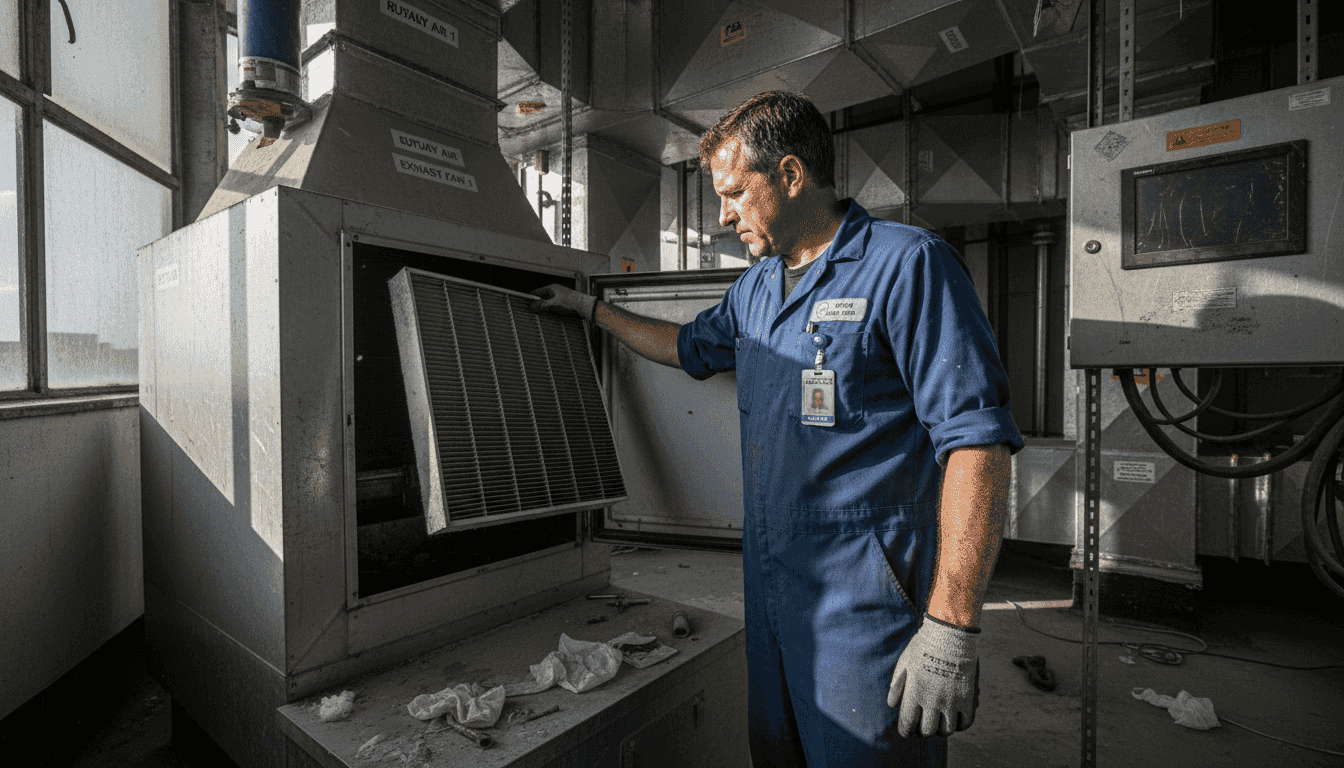
Mechanical ventilation offers precise control over air exchange rates regardless of outdoor conditions. Energy recovery ventilators capture cooling from exhaust air, making fresh air introduction more efficient in hot climates. Heat recovery systems similarly reduce the energy penalty of ventilation while maintaining comfortable indoor temperatures.
HEPA filtration integration provides dual benefits:
- HEPA filters reduce PM2.5 particulate matter by 85-90%, capturing fine particles that penetrate deep into lungs
- High-efficiency filtration removes allergens, mold spores, and bacteria from circulating air
- Continuous filtration maintains low pollutant levels between professional cleanings
- MERV 13-16 rated filters offer hospital-grade air cleaning for residential applications
| Factor | Natural Ventilation | Mechanical Ventilation |
|---|---|---|
| Effectiveness in UAE | Poor due to heat and dust | Excellent with proper maintenance |
| Energy Cost | Minimal but impractical | Higher but controlled |
| Pollutant Control | Inconsistent, weather-dependent | Consistent, measurable results |
| Humidity Management | None | Integrated dehumidification available |
| Filtration Capability | None | HEPA and activated carbon options |
Mechanical ventilation proves superior in UAE contexts despite higher energy costs. The hot climate and dusty outdoor environment make natural ventilation impractical for most of the year. These ventilation and filtration improvements work synergistically with HVAC cleaning to maintain consistently healthy indoor air.
Regular filter replacement maintains system performance. HEPA filters typically require replacement every 6 to 12 months depending on local dust levels and system usage. Clogged filters restrict airflow, reducing both IAQ benefits and HVAC efficiency. Monitor pressure drops across filters or follow manufacturer schedules to ensure optimal performance.
Step 4: Continuous Monitoring and Maintenance
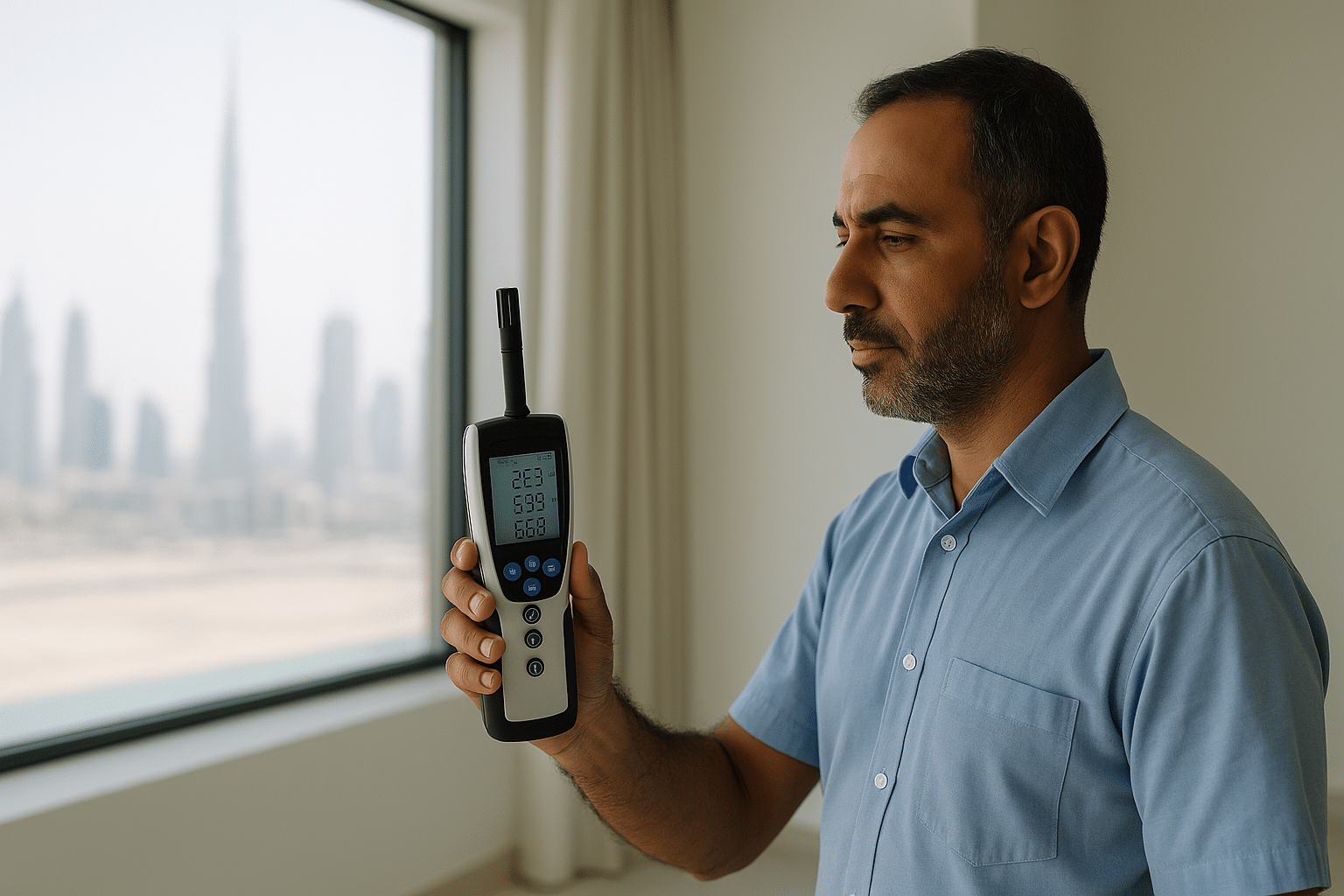
Improvement verification requires objective measurement rather than subjective assessment. IoT-enabled air quality sensors provide real-time monitoring of key parameters including PM2.5, VOCs, carbon dioxide, humidity, and temperature. These devices alert you to IAQ declines before occupants experience symptoms, enabling proactive rather than reactive interventions.
Modern sensors offer:
- Continuous data logging for trend analysis
- Smartphone alerts when pollutants exceed healthy thresholds
- Integration with building management systems for commercial properties
- Cloud-based dashboards showing IAQ across multiple zones
- Historical data to correlate interventions with outcomes
Scheduled maintenance every 6 to 12 months preserves air quality gains achieved through cleaning and ventilation improvements. This HVAC maintenance checklist ensures comprehensive system inspection and preventive care. Regular filter replacement, coil inspection, drainage clearing, and duct assessment prevent microbial reestablishment and mechanical failures.
Data-driven interventions allow timely responses to IAQ declines or equipment issues. When sensors detect rising PM2.5 levels, you can investigate filter condition or outdoor pollution events. Humidity spikes signal drainage problems or ventilation inadequacy before mold growth becomes visible. This proactive approach prevents health impacts rather than reacting to symptoms.
Continuous monitoring helps verify improvement effectiveness and inform future interventions. Baseline measurements compared to post-intervention data quantify benefits and justify maintenance investments. Pattern recognition identifies seasonal variations, occupancy impacts, and equipment performance trends that guide optimization efforts.
Extending HVAC system lifespan and reducing energy consumption represent additional benefits of sustained maintenance. Clean systems operate more efficiently, drawing less power while delivering better comfort. Component longevity increases when contamination and mechanical stress remain minimal.
Pro Tip: Integrate IAQ data alerts into building management systems for commercial properties so facility managers receive immediate notification of any air quality issues requiring attention.
Common Mistakes and Troubleshooting
DIY HVAC cleaning attempts often cause more harm than good. Without proper training and equipment, homeowners risk damaging sensitive components, spreading contamination throughout their space, and achieving inadequate microbial elimination. Amateur cleaning can damage equipment by up to 20% and lower efficiency by 15%, creating expensive repairs that exceed professional service costs.
Common mistakes include:
- Ignoring humidity control, allowing mold to reestablish rapidly after surface cleaning
- Delaying professional cleaning until symptoms become severe and contamination extensive
- Using harsh chemicals that damage components or leave toxic residues
- Neglecting filter replacement, allowing clogged filters to restrict airflow
- Focusing only on visible surfaces while hidden HVAC contamination persists
- Failing to address ventilation inadequacy after cleaning systems
Persistent stale indoor air despite superficial cleaning efforts signals hidden HVAC contamination requiring professional intervention. If you still experience allergy symptoms, musty odors, or visible dust accumulation shortly after cleaning, your mechanical systems likely harbor microbial growth that surface cleaning cannot reach.
Failure to regularly clean and disinfect AC systems leads to 60% higher occupant respiratory symptoms risk, making maintenance delays genuinely dangerous rather than merely inconvenient. These HVAC cleaning mistakes represent false economy, trading short-term savings for long-term health costs and equipment damage.
Recommended fixes:
- Engage NADCA-certified professionals for comprehensive system cleaning and disinfection
- Install and maintain humidity control equipment to keep levels below 60%
- Follow maintenance schedules religiously rather than waiting for problems to emerge
- Implement ventilation improvements alongside cleaning for sustained results
- Use only chemical-free, hospital-grade biosanitisers approved for HVAC applications
Pro Tip: Document IAQ issues, cleaning schedules, and sensor readings in a maintenance log to identify patterns, track improvement effectiveness, and avoid repeating mistakes that compromise your indoor environment.
Expected Results and Measurable Outcomes
Professional HVAC cleaning delivers immediate, measurable improvements. Post-cleaning testing typically shows mold spore reductions exceeding 90%, dramatically lowering allergen exposure and respiratory irritation. Bacterial counts similarly plummet, creating genuinely healthier indoor environments rather than cosmetically cleaner spaces.
HEPA filtration integration produces sustained particulate matter reduction. HEPA filters cut PM2.5 levels by 85-90%, removing fine particles that penetrate deep into lungs and cause long-term health damage. This reduction remains consistent with proper filter maintenance, providing continuous protection between professional cleanings.
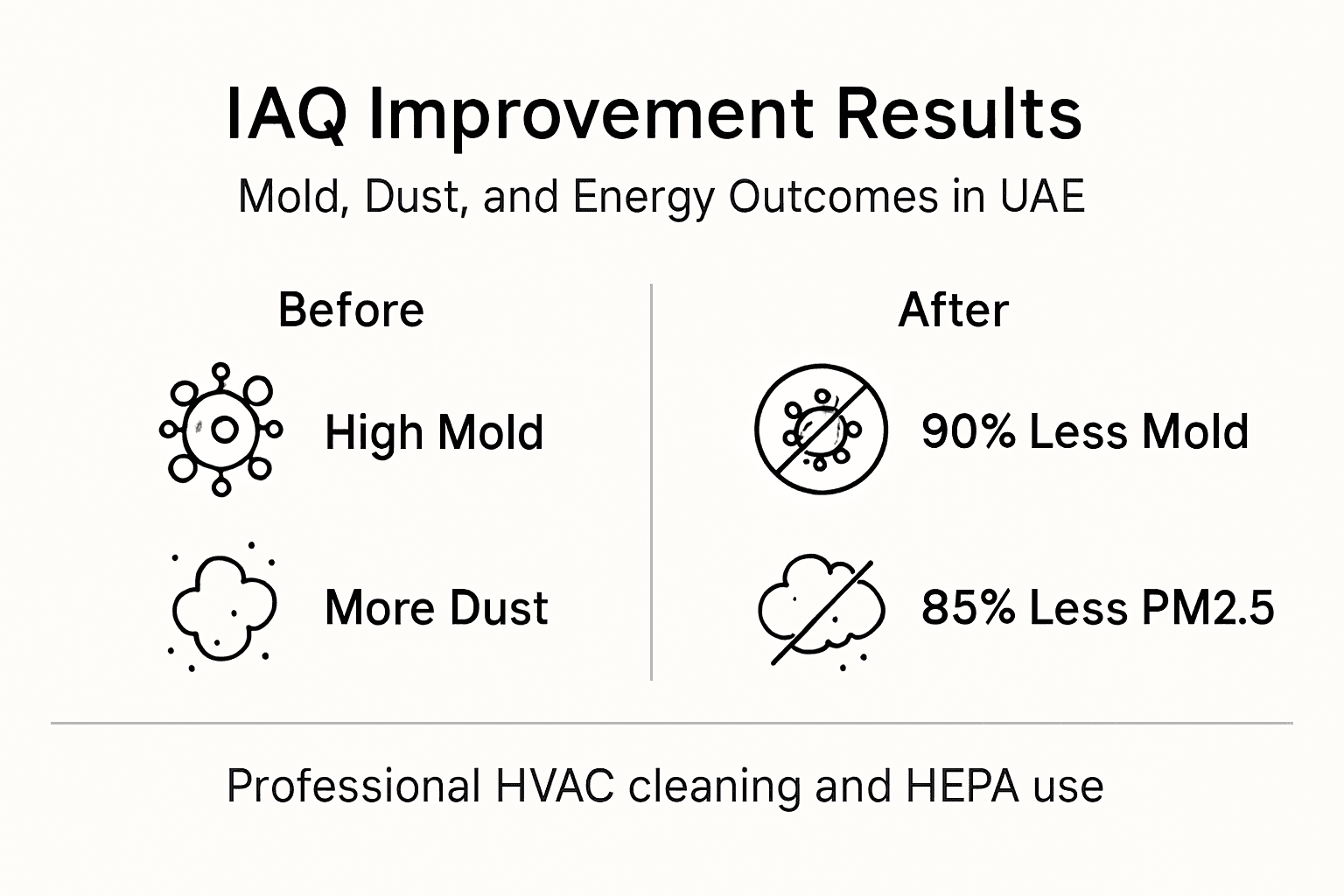
| Metric | Before Improvement | After Improvement | Timeline |
|---|---|---|---|
| Mold Spore Count | 5,000-15,000 CFU/m³ | 500-1,500 CFU/m³ | Immediate post-cleaning |
| PM2.5 Levels | 35-75 μg/m³ | 5-12 μg/m³ | 1-2 weeks with HEPA filtration |
| Respiratory Symptoms | Frequent allergies, coughing | 60% reduction in complaints | 1-3 months |
| HVAC Energy Use | Baseline consumption | 10-15% reduction | 2-4 weeks as system efficiency improves |
| System Lifespan | 10-12 years typical | 12-15 years with maintenance | Extends over equipment lifetime |
Occupant respiratory symptoms typically improve within 1 to 3 months after comprehensive interventions. Allergy frequency decreases, asthma control improves, and general respiratory comfort increases as exposure to triggers diminishes. Some occupants notice immediate relief, while others require several weeks for inflammatory responses to fully resolve.
HVAC system lifespan extends approximately 20% with regular professional cleaning and maintenance. Clean components experience less mechanical stress and corrosion, delaying replacement needs and reducing long-term ownership costs. These IAQ improvement outcomes justify maintenance investments through both health benefits and equipment longevity.
Energy consumption decreases 10 to 15% after IAQ improvements due to enhanced system efficiency. Clean coils transfer heat more effectively, reducing compressor runtime. Unobstructed airflow decreases fan power requirements. Combined savings offset maintenance costs while delivering superior comfort and air quality.
Visible benefits emerge within weeks. Dust accumulation on surfaces slows noticeably. Musty odors disappear as microbial sources are eliminated. Allergy symptoms diminish as airborne triggers decrease. These tangible improvements confirm that your investment in IAQ delivers real value beyond abstract measurements.
Improve Your Indoor Air Quality with Professional Services
Your health deserves the same precision and scientific rigor that protects hospitals and government facilities. Professional HVAC cleaning and IAQ services ensure deep pollutant removal that DIY efforts cannot match, backed by laboratory verification and certified protocols. Following this detailed air conditioning cleaning checklist provides a roadmap, but professional execution guarantees results.
Expert knowledge and hospital-grade disinfection deliver safe, effective improvements that protect your investment while safeguarding occupant health. Our comprehensive air conditioner cleaning guide demonstrates the thoroughness required for genuine IAQ transformation. Regular maintenance reduces respiratory issue risk by 60% while extending system lifespan, making professional service a wise health and financial investment.
The connection between maintenance and wellness is clear: you can prevent respiratory issues with AC cleaning that eliminates hidden microbial contamination. Contact Saniservice for comprehensive IAQ improvement solutions tailored to UAE conditions, combining cutting-edge science with Swiss-quality service to protect your home or business.
Frequently Asked Questions About Indoor Air Quality Improvement Methods in the UAE
How often should I schedule professional HVAC cleaning in UAE?
Schedule professional HVAC cleaning every 6 to 12 months depending on your environment and system usage. Buildings in dusty areas, properties with poor filtration, or systems serving occupants with respiratory sensitivities require more frequent attention. Annual minimum cleaning prevents dangerous microbial buildup in UAE’s challenging climate.
Are indoor plants effective for improving UAE indoor air quality?
Indoor plants provide modest pollutant removal but cannot replace mechanical ventilation or professional HVAC cleaning. While some species absorb VOCs and produce oxygen, you would need dozens of plants per room to achieve measurable air quality improvement. Plants complement but do not substitute comprehensive IAQ strategies.
What is the safest disinfectant for HVAC cleaning?
Hospital-grade, chemical-free biosanitisers offer the safest and most effective HVAC disinfection. These formulations eliminate bacteria, mold, and viruses without leaving toxic residues that compromise indoor air quality. Avoid harsh chemicals like bleach or ammonia that damage equipment and create harmful fumes.
Can I monitor my indoor air quality myself?
Yes, affordable IoT-enabled air quality monitors measure key pollutants including PM2.5, VOCs, humidity, and temperature. These devices provide real-time data and smartphone alerts, enabling you to verify improvement effectiveness and respond quickly to air quality declines. Professional testing complements continuous monitoring for comprehensive assessment.
Why is natural ventilation often insufficient in the UAE?
UAE’s extreme heat and dusty outdoor environment make natural ventilation impractical for most of the year. Opening windows introduces heat that overwhelms cooling systems and brings in outdoor pollutants including dust and sand. Mechanical ventilation with HEPA filtration provides controlled fresh air introduction while maintaining comfort and filtering outdoor contaminants.
How quickly will I notice health improvements after IAQ interventions?
Most occupants notice reduced allergy symptoms and improved respiratory comfort within 1 to 3 months after comprehensive IAQ improvements. Some people experience immediate relief from eliminated odors and reduced dust, while others require several weeks for inflammatory responses to fully resolve as ongoing pollutant exposure decreases.
Recommended
- In Dubais High-Humidity Seasons: 9 Powerful Ways to Maintain Indoor Comfort
- Childrens Health in Dubai: 9 Proven Tips for a Healthier Future
- Complete Guide to Indoor Air Quality Standards UAE – Saniservice AC Cleaning
- Improve Indoor Air Quality in Officeuaeclimatechallenges
- Indoor Air Quality Testing – IAQ Indoor Air Quality Services


Leave a Reply