

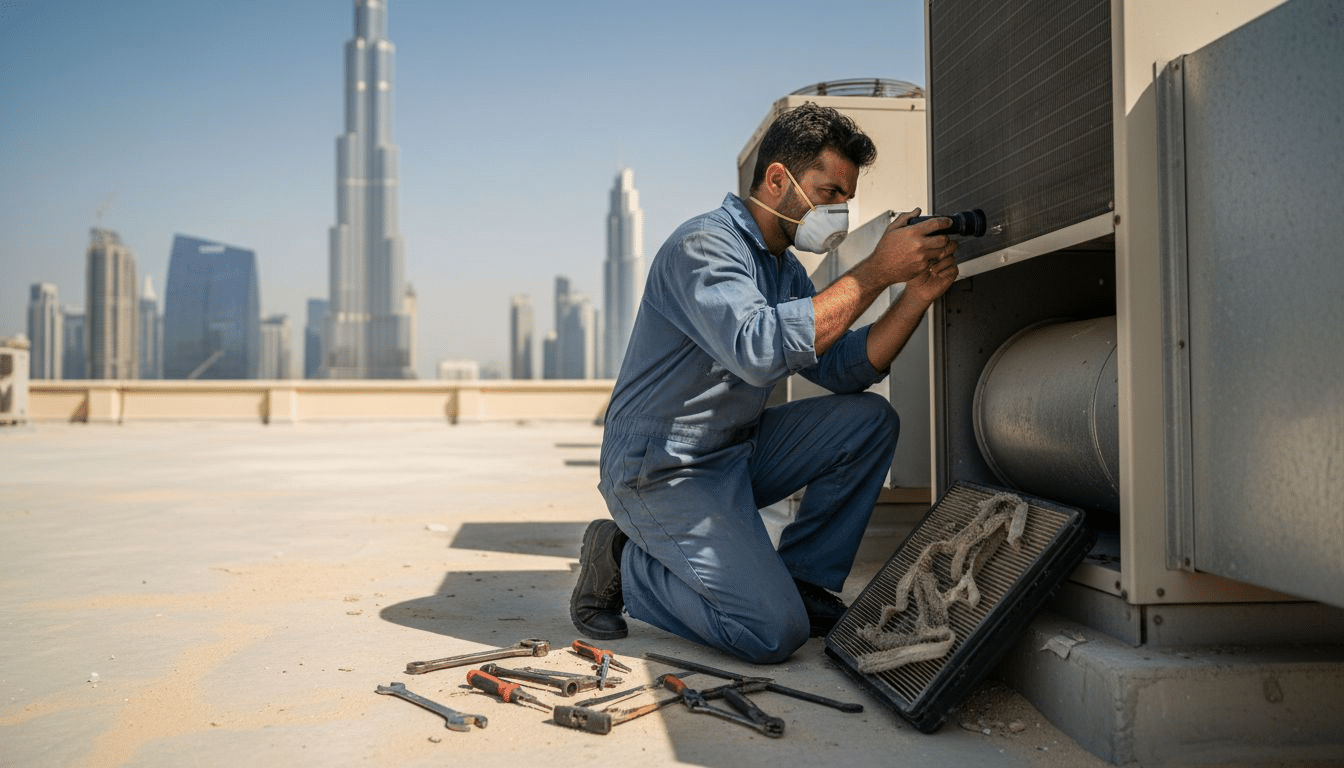
Why Deep Clean AC Systems Boost Air Quality 300% in Dubai
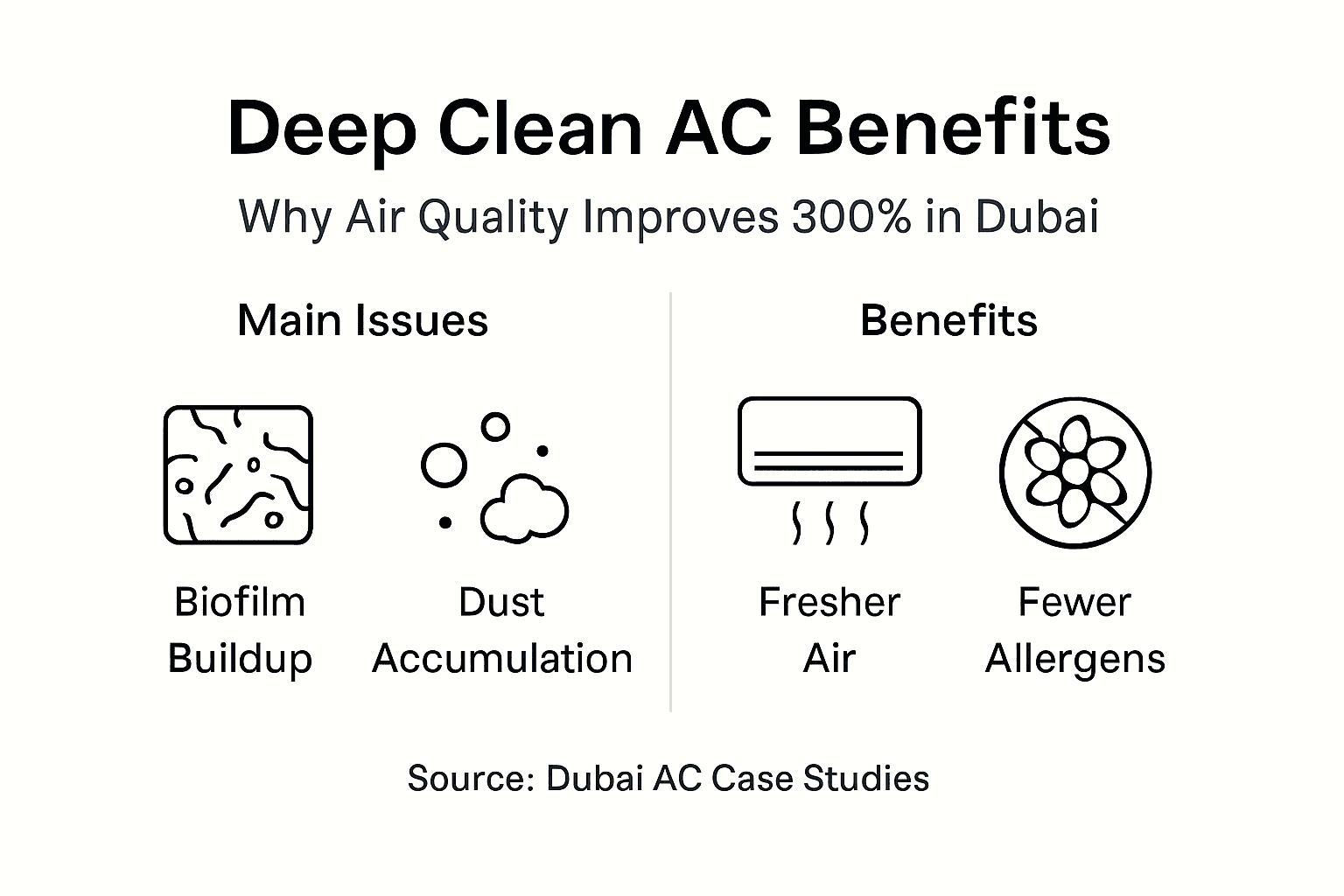
Indoor air quality in Dubai homes can harbor up to three times more mold spores than the air outside when AC systems remain uncleaned. This hidden microbial contamination triggers respiratory issues, spikes energy bills, and shortens equipment lifespan. Deep cleaning beyond routine filter changes is the only way to eliminate embedded biofilms and restore truly healthy indoor environments.
Table of Contents
Contents
- 1 Table of Contents
- 2 Key Takeaways
- 3 Understanding the Impact of AC Systems on Indoor Air Quality
- 4 Why Standard AC Cleaning Is Not Enough
- 5 Health Risks of Neglecting Deep Cleaning
- 6 Energy Efficiency and Longevity Benefits of Deep Cleaning AC Systems
- 7 Safe and Effective Deep Cleaning Techniques
- 8 Common Misconceptions and Clarifications
- 9 Recommended Frequency and Decision Criteria for Deep Cleaning in Dubai
- 10 Real-World Impact and Case Studies
- 11 Optimize Your AC Performance with Professional Deep Cleaning
- 12 Frequently Asked Questions
- 12.1 What signs indicate it’s time to deep clean my AC system?
- 12.2 Can deep cleaning of AC systems reduce my energy bills?
- 12.3 Is chemical disinfectant always necessary for effective AC cleaning?
- 12.4 How does Dubai’s climate affect how often I should schedule deep cleanings?
- 12.5 Are there health benefits to deep cleaning AC beyond just air quality improvements?
- 13 Recommended
- Understanding The Impact Of AC Systems On Indoor Air Quality
- Why Standard AC Cleaning Is Not Enough
- Health Risks Of Neglecting Deep Cleaning
- Energy Efficiency And Longevity Benefits Of Deep Cleaning AC Systems
- Safe And Effective Deep Cleaning Techniques
- Common Misconceptions And Clarifications
- Recommended Frequency And Decision Criteria For Deep Cleaning In Dubai
- Real-World Impact And Case Studies
- Optimize Your AC Performance With Professional Deep Cleaning
Key Takeaways
| Point | Details |
|---|---|
| Deep cleaning removes biofilms | Professional dismantling reaches contamination unreachable by filter changes alone. |
| Indoor mold can triple | Unclean AC systems may harbor three times outdoor mold spore levels, increasing health risks. |
| Energy savings up to 15% | Proper cleaning restores airflow efficiency, cutting cooling costs significantly. |
| Extended system lifespan | Removing microbial buildup and dust reduces strain, prolonging AC longevity. |
| Cleaning interval 12 to 18 months | Dubai’s climate and usage patterns demand professional deep cleaning at this frequency. |
Understanding the Impact of AC Systems on Indoor Air Quality
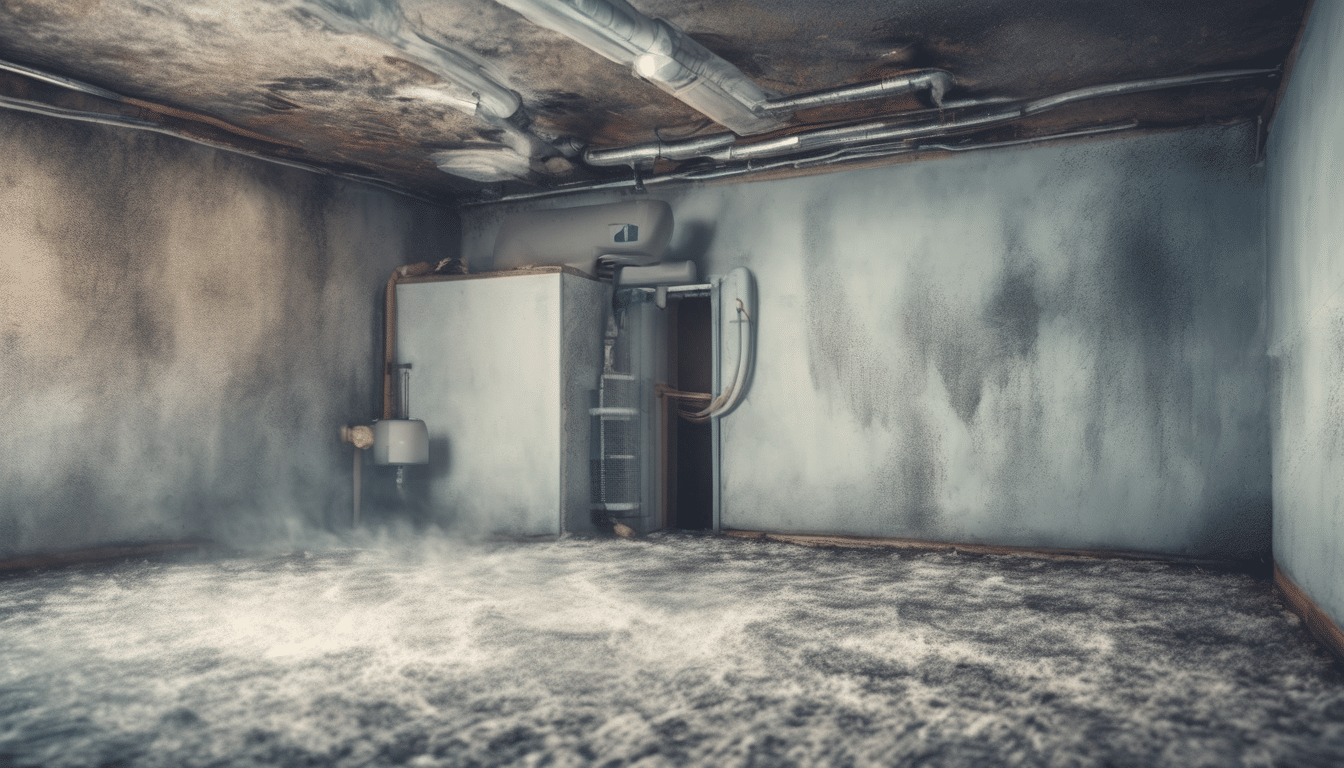
Your AC system does more than cool your space. It continuously recirculates indoor air, and if ducts, coils, and blowers harbor contaminants, those pollutants cycle through every room. Microbial contamination research reveals that indoor environments with unclean AC systems can have mold spore counts up to 3 times higher than outdoor ambient air.
Common contaminants hiding inside your HVAC (heating, ventilation, and air conditioning) system include:
- Mold spores colonizing damp evaporator coils and drainage trays
- Bacteria thriving in biofilm layers on ductwork surfaces
- Dust mites and allergens accumulating in blower compartments
- Particulate matter trapped in inaccessible crevices
This microbial buildup creates a continuous contamination cycle. Each time your AC runs, it distributes these pollutants throughout your property. Without professional intervention, the cycle intensifies over time, degrading air quality and creating health hazards for occupants.
Property managers overseeing luxury AC cleaning services in Dubai recognize this contamination mechanism. Understanding how premium AC cleaning in Dubai addresses the root cause rather than symptoms is essential for maintaining healthy indoor environments. The science is clear: microbial contaminants impact on indoor air quality at levels far beyond what surface cleaning can resolve.
Why Standard AC Cleaning Is Not Enough
Routine maintenance keeps your AC running, but it does not eliminate the real problem. Filter changes capture airborne particles temporarily, yet they leave embedded biofilms and deep-seated dust completely untouched. Research on HVAC maintenance confirms that filter changes do not remove biofilms and deep-seated dust inside coils and ducts, which require professional deep cleaning.
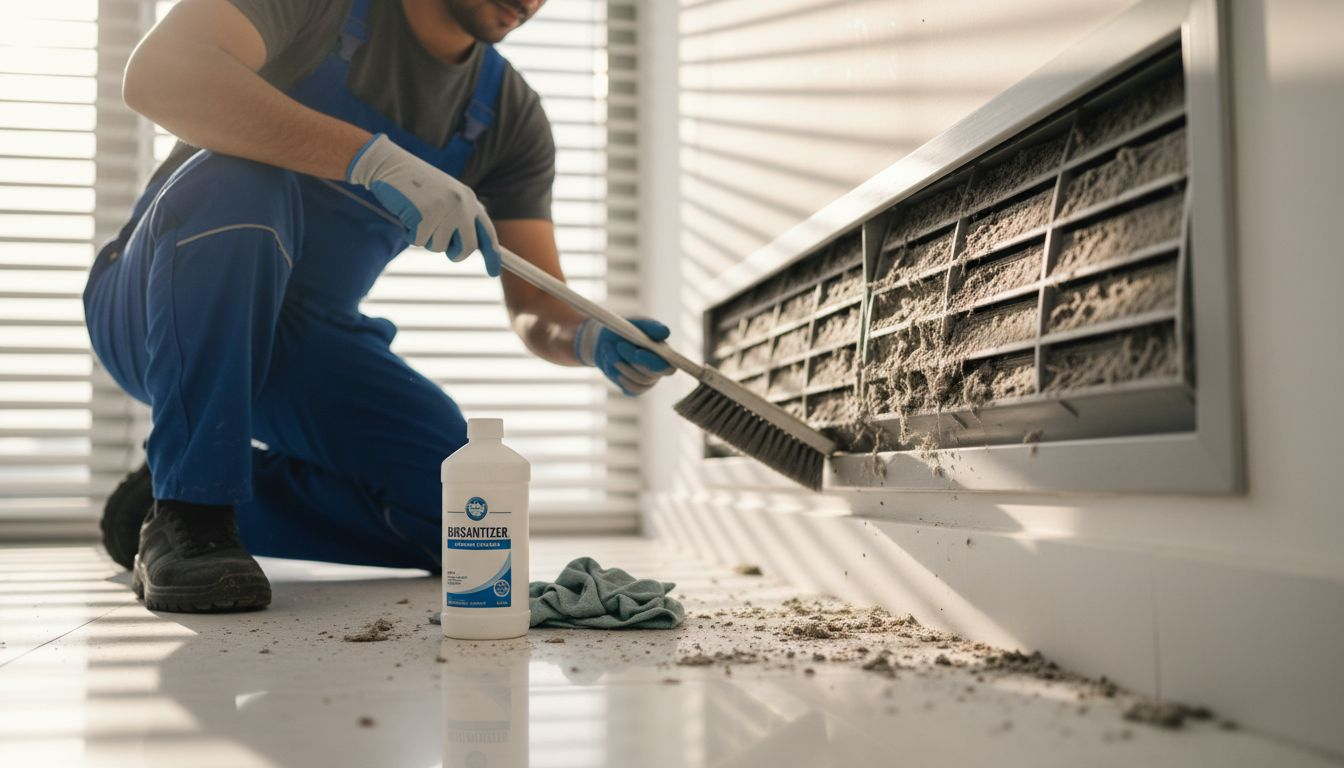
Surface cleaning attempts fail because microbial biofilms adhere tenaciously to coil fins and duct interiors. These protective layers shield bacteria and mold from superficial wiping or spraying. True remediation demands dismantling components to gain full access, then using specialized techniques to break down and remove biofilm matrices.
Consider the differences between approaches:
| Aspect | Standard Maintenance | Professional Deep Cleaning |
|---|---|---|
| Component access | Filters and visible surfaces only | Full dismantling of coils, blowers, ducts |
| Contaminant removal | Surface dust and debris | Embedded biofilms, mold colonies, bacterial layers |
| Cleaning agents | General detergents or none | Hospital-grade chemical-free biosanitisers |
| Microbial elimination | Minimal to none | Over 99.9% pathogen removal |
| Frequency needed | Monthly filter changes | Every 12 to 18 months |
Professional deep cleaning follows a systematic process:
- Inspect and assess contamination levels throughout the system
- Dismantle evaporator coils, blower assemblies, and accessible ductwork
- Apply biosanitisers proven to eliminate microbial biofilms
- Mechanically scrub coil fins and pressure wash duct interiors
- Clean drainage trays and verify proper water flow
- Reassemble components and test system performance
The AC cleaning benefits in Dubai become evident when you understand this depth of intervention. Regular AC servicing benefits include operational reliability, but only deep cleaning addresses biological contamination at its source. Relying solely on filter changes while ignoring embedded contaminants is like mopping a floor without addressing the underlying mold problem.
Health Risks of Neglecting Deep Cleaning
Microbial contamination in your AC system creates continuous exposure to allergens and pathogens. Studies on HVAC systems show indoor exposure to contaminated HVAC systems linked to 30 to 50% higher incidence of respiratory symptoms among occupants. This includes increased asthma attacks, allergic reactions, persistent coughing, and irritation of eyes, nose, and throat.
The health consequences extend beyond discomfort:
- Mold spores trigger severe allergic responses in sensitive individuals
- Bacterial colonies release endotoxins causing inflammatory reactions
- Continuous allergen exposure worsens existing respiratory conditions
- Immune-compromised occupants face higher infection risks
Children, elderly residents, and anyone with pre-existing respiratory conditions are particularly vulnerable. When your AC distributes contaminants rather than clean air, every breath carries potential health risks. Treating symptoms with medication addresses effects, not causes. The contamination source inside your AC system remains active until professionally removed.
Pro tip: Schedule professional inspections annually to detect early microbial growth before it becomes a health crisis. Early intervention prevents widespread contamination and protects occupant wellbeing far more effectively than reactive cleaning after problems emerge.
Property managers responsible for occupant health understand that preventing respiratory issues with AC cleaning is not optional. It is a fundamental duty of care. The respiratory health risks of HVAC contamination are well documented and completely preventable through proper maintenance protocols.
Energy Efficiency and Longevity Benefits of Deep Cleaning AC Systems
Microbial buildup and dust accumulation force your AC system to work harder. Restricted airflow through contaminated coils reduces heat exchange efficiency, causing compressors to run longer cycles. Deep cleaning restores optimal performance, typically improving energy efficiency by up to 15%.
The operational benefits translate directly to cost savings:
| Metric | Before Deep Cleaning | After Deep Cleaning | Improvement |
|---|---|---|---|
| Energy consumption | 100% baseline | 85% to 90% baseline | 10% to 15% reduction |
| Cooling capacity | 75% to 85% rated | 95% to 100% rated | Restored full capacity |
| System lifespan | Reduced by strain | Extended significantly | 3 to 5 additional years |
| Repair frequency | High due to stress | Minimal maintenance needs | 40% to 50% fewer repairs |
Removing biofilms and dust deposits eases mechanical strain on every component. Blower motors operate smoothly without pushing air through clogged pathways. Compressors maintain proper refrigerant pressures without overworking. This reduced stress extends equipment lifespan well beyond what standard maintenance achieves.
Pro tip: Calculate your total cost of ownership by factoring in energy savings, reduced repair frequency, and extended replacement intervals. Deep cleaning becomes clearly cost-effective when viewed across the full equipment lifecycle rather than as a standalone expense.
For managers of AC cleaning for high-end residences, the efficiency gains matter enormously. Understanding the distinction in deep cleaning versus regular maintenance helps justify the investment and schedule optimization. Emergency breakdowns in luxury properties create unacceptable disruptions that proactive deep cleaning prevents entirely.
Safe and Effective Deep Cleaning Techniques
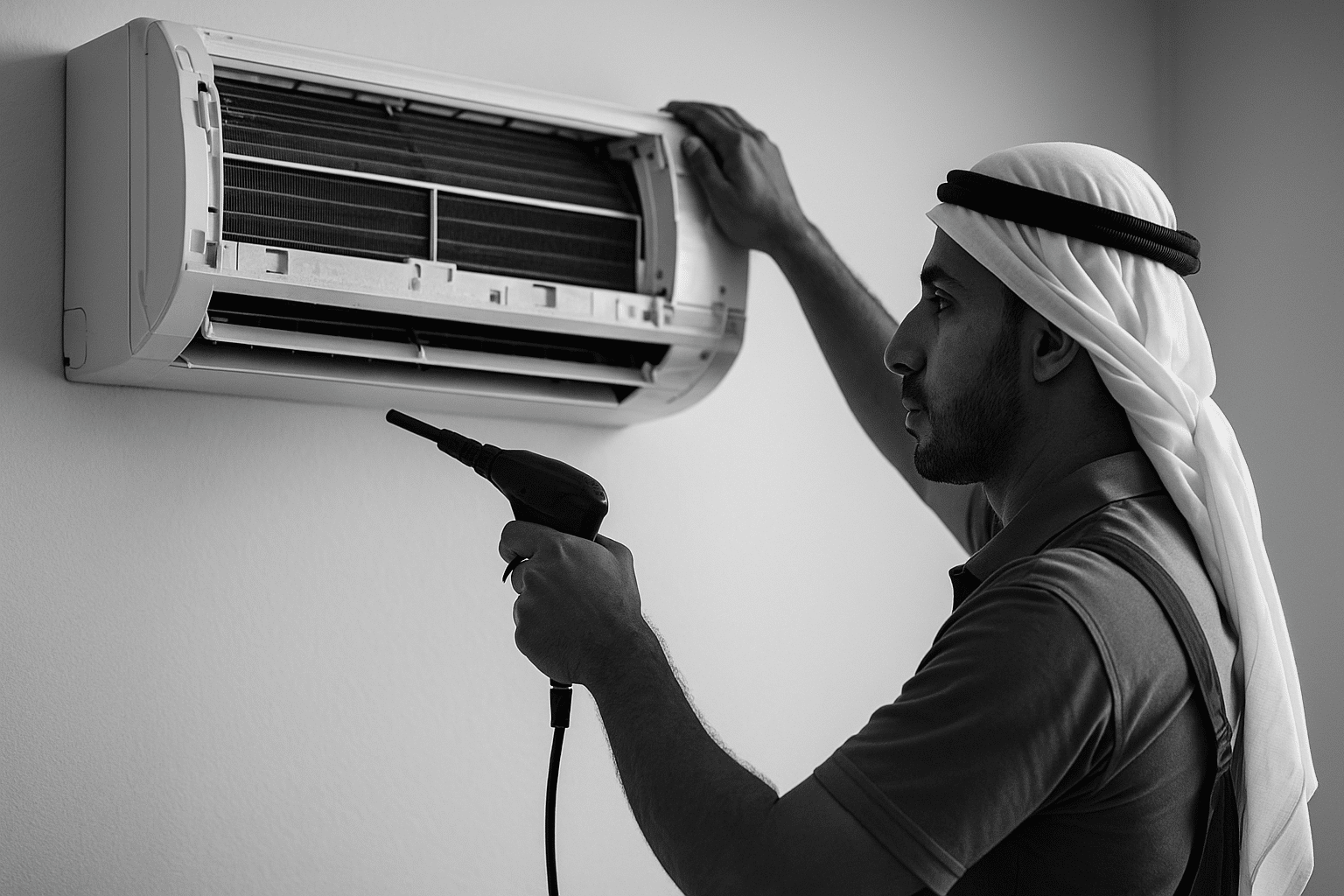
Professional deep cleaning follows precise protocols to ensure both safety and effectiveness. The HVAC cleaning process begins with thorough assessment and progresses through systematic remediation:
-
Initial inspection and contamination assessment: Technicians evaluate microbial growth levels, identify problem areas, and document baseline conditions using ATP (adenosine triphosphate) testing and visual inspection.
-
Component dismantling for full access: Evaporator coils, blower wheels, drainage trays, and accessible ductwork sections are carefully removed to expose all contaminated surfaces.
-
Application of hospital-grade biosanitisers: Chemical-free cleaning agents proven to eliminate over 99.9% of bacteria, mold, and viruses are applied to all surfaces. These biosanitisers break down biofilm matrices without toxic residues.
-
Mechanical cleaning and pressure washing: Coil fins are meticulously scrubbed to remove embedded debris. Duct interiors receive high-pressure washing to dislodge and extract accumulated contaminants.
-
Drainage system cleaning and verification: Condensate trays and drain lines are cleared of biofilm and algae growth, then tested to ensure proper water evacuation.
-
Component reassembly and performance testing: All parts are reinstalled according to manufacturer specifications. System operation is verified through airflow measurement and temperature differential testing.
This comprehensive approach addresses contamination that superficial methods cannot reach. The use of chemical-free biosanitisers ensures safety for occupants while achieving hospital-grade disinfection. NADCA (National Air Duct Cleaners Association) certification guarantees technicians follow industry best practices throughout the process.
Common Misconceptions and Clarifications
Several persistent myths prevent property managers and homeowners from implementing effective AC hygiene:
-
Misconception: Filter changes alone ensure clean air. Reality: Filters capture airborne particles but do not address biofilms on coils and ducts. Research shows up to 70% of users underestimate the need for deep cleaning beyond filter changes.
-
Myth: Chemical disinfectants are required for effective cleaning. Truth: Hospital-grade chemical-free biosanitisers eliminate over 99.9% of pathogens without toxic residues or harsh odors. Modern cleaning science has moved beyond harsh chemicals.
-
Belief: More frequent deep cleaning always improves outcomes. Correction: Cleaning every 12 to 18 months balances microbial control with practical costs. Over-cleaning wastes resources without additional benefit, while under-cleaning allows dangerous buildup.
-
Assumption: Visible cleanliness means the system is safe. Fact: Microbial contamination thrives in hidden areas like coil interiors and duct bends. ATP testing reveals contamination invisible to the naked eye.
Understanding HVAC cleaning terminology helps you differentiate between marketing claims and evidence-based practices. Avoid services promising unrealistic results or relying on outdated chemical-heavy methods. Common AC cleaning misconceptions often stem from confusion between routine maintenance and comprehensive remediation.
Recommended Frequency and Decision Criteria for Deep Cleaning in Dubai
Dubai’s unique climate demands tailored maintenance schedules. High humidity, intense heat, and frequent AC usage accelerate microbial growth and dust accumulation. The optimal deep cleaning interval balances effective contamination control with practical cost considerations.
General recommendations:
- Standard residential properties: Every 12 to 18 months depending on usage intensity and occupant health needs
- High-occupancy or high-humidity environments: Closer to 12 months to prevent rapid microbial colonization
- Moderate-use properties with healthy occupants: Up to 18 months with routine inspections between deep cleanings
- Commercial spaces and healthcare facilities: Every 12 months minimum, with quarterly inspections
Decision factors for your specific property:
- Climate exposure: Properties in coastal areas with higher humidity require more frequent cleaning
- Usage intensity: Systems running continuously accumulate contaminants faster than intermittent-use systems
- System age: Older equipment with worn components may harbor more contamination
- Occupant health status: Residents with allergies or respiratory conditions benefit from shorter intervals
- Previous cleaning history: Systems never deep cleaned require immediate attention regardless of age
Cost-benefit analysis consistently favors scheduled deep cleaning over reactive repairs. Emergency service calls, health-related absences, and premature equipment replacement cost far more than proactive maintenance. Understanding AC cleaning frequency in Dubai and AC deep cleaning intervals in Dubai helps property managers budget effectively.
For multi-property portfolios, implementing efficient maintenance scheduling streamlines operations and ensures consistent service quality across all locations.
Real-World Impact and Case Studies
Quantifiable results from Dubai properties demonstrate the transformative impact of professional deep cleaning. A luxury villa in Palm Jumeirah experienced measurable improvements across all key metrics following comprehensive AC remediation:
| Performance Indicator | Before Cleaning | After Cleaning | Change |
|---|---|---|---|
| Monthly energy consumption (kWh) | 4,200 | 3,570 | 15% reduction |
| Indoor mold spore count (per m³) | 2,850 | 320 | 89% reduction |
| Respiratory symptom reports | 8 per month | 1 per month | 88% reduction |
| System cooling capacity | 78% rated | 98% rated | 20% improvement |
Property managers overseeing multiple residential towers report similar outcomes. One Dubai Marina building reduced annual AC-related maintenance costs by 42% after implementing scheduled deep cleaning protocols. Tenant satisfaction scores increased significantly, with air quality complaints dropping from 23 incidents per quarter to just 2.
Homeowner testimonials reinforce the quantitative data. “We noticed the difference within days,” reports a Jumeirah Islands resident. “My daughter’s allergy symptoms improved dramatically, and our electricity bills dropped noticeably. The investment paid for itself within six months.”
These real-world results validate the science behind professional deep cleaning. The comprehensive AC cleaning benefits in Dubai extend beyond immediate comfort to long-term health protection and operational efficiency. Standards compliance through NADCA certification and ISO quality management ensures consistent outcomes across all service engagements.
Optimize Your AC Performance with Professional Deep Cleaning
Now that you understand the critical importance of deep cleaning, taking action protects your investment and occupant health. Professional services combining scientific expertise with proven techniques deliver results that surface cleaning cannot match.
Consult the comprehensive air conditioner cleaning guide for detailed preparation steps before your scheduled service. The air conditioning cleaning checklist helps you understand what to expect during the process. Learn more about how AC cleaning and respiratory health connects directly to occupant wellbeing.
NADCA-certified technicians using chemical-free biosanitisers and hospital-grade protocols ensure your system receives the most advanced care available. Triple ISO certification guarantees consistent quality and environmental responsibility throughout every service engagement.
Frequently Asked Questions
What signs indicate it’s time to deep clean my AC system?
Visible mold growth around vents, musty odors when the system runs, reduced airflow, and increased allergy symptoms among occupants all signal contamination requiring professional attention. Scheduling AC cleaning frequency in Dubai based on these indicators prevents health issues.
Can deep cleaning of AC systems reduce my energy bills?
Yes, deep cleaning typically improves energy efficiency by 10% to 15% by restoring optimal airflow and heat exchange capacity. The improved performance translates directly to lower monthly electricity costs, often paying for the cleaning within one cooling season.
Is chemical disinfectant always necessary for effective AC cleaning?
No, modern hospital-grade biosanitisers eliminate over 99.9% of pathogens without harsh chemicals. These chemical-free alternatives are safer for occupants, leave no toxic residues, and provide superior long-term microbial control compared to traditional disinfectants.
How does Dubai’s climate affect how often I should schedule deep cleanings?
Dubai’s high humidity and year-round AC usage accelerate microbial growth and dust accumulation. Properties here require cleaning every 12 to 18 months, with high-occupancy or coastal locations needing service closer to the 12-month interval for optimal results.
Are there health benefits to deep cleaning AC beyond just air quality improvements?
Absolutely. Eliminating microbial contamination reduces respiratory symptoms by 30% to 50%, decreases allergy flare-ups, and minimizes infection risks for immune-compromised occupants. The health protection extends to better sleep quality, improved productivity, and reduced medical expenses related to indoor air quality issues.
Recommended
- AC Cleaning Dubai – Top 7 Benefits You Should Know
- 9 Smart Insights About Deep AC Duct Cleaning Dubai to Improve Indoor Air Quality – Saniservice AC Cleaning
- Why Premium AC Cleaning is Essential for Dubai’s Elite Homes
- AC Cleaning Services for High-end Residences in Dubai
- Optimized Heat Pump Maintenance Workflow for Technicians – CoolFix Appliance & HVAC Service

Leave a Reply